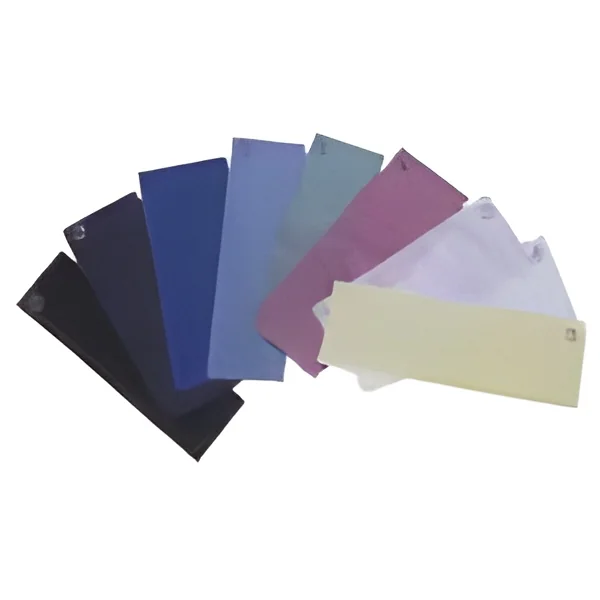
What are Anti-Static Polyester Fabric?
Anti-static polyester fabric is a specialized textile designed to prevent the build-up of static electricity. This fabric is engineered with unique properties that allow it to dissipate electrical charges, making it essential in environments where static discharge can cause damage to sensitive electronic components or ignite flammable materials. The anti-static property is achieved through the incorporation of conductive fibers or treatments during the manufacturing process.
This type of fabric finds primary use in various industries, including electronics, automotive, and pharmaceuticals. In electronics, anti-static polyester is often used for protective clothing, cleanroom environments, and packaging materials for components. In the automotive sector, it aids in the protection of sensitive electronic systems during manufacturing and assembly. The relevance of anti-static polyester fabric is increasing as industries become more aware of the hazards associated with static electricity, leading to a growing demand for effective solutions.
Key Features and Specifications
Anti-static polyester fabric offers a range of features that make it suitable for multiple applications. Its unique composition not only provides static control but also ensures durability and resistance to wear. The specifications of anti-static polyester fabric are critical for determining its suitability for different industrial applications.
Key specifications include:
1. Electrical Resistivity
- Typically ranges between 10^6 to 10^9 ohms per square, ensuring effective static dissipation.
2. Fabric Weight
- Commonly available in weights ranging from 120 to 300 grams per square meter, affecting its durability and application suitability.
3. Width Options
- Available in various widths, typically ranging from 1.5 meters to 3 meters, to accommodate different manufacturing needs.
4. Color Variability
- Offered in multiple colors, including black, blue, and gray, allowing for customization based on industry requirements.
5. Flame Resistance
- Some variants are treated for flame resistance, making them suitable for environments where fire hazards are a concern.
6. Washability
- The fabric can withstand multiple washes without losing its anti-static properties, ensuring long-term usability.
7. Chemical Resistance
- Resistant to many chemicals, making it suitable for use in harsh environments.
8. Stretch and Flexibility
- Offers a degree of stretch, enhancing comfort for wearables in industrial applications.
In summary, the key features and specifications of anti-static polyester fabric highlight its functionality and versatility across various industries.
Common Applications and Use Cases
Anti-static polyester fabric serves various industries that require static control to protect sensitive equipment and ensure safety.
1. Electronics: This fabric is widely used in the production of ESD (electrostatic discharge) garments and packaging materials to prevent damage to sensitive electronic components.
2. Automotive: In the automotive industry, anti-static polyester is used for protective covers and workwear to safeguard electronic systems during manufacturing and assembly processes.
3. Pharmaceuticals: The fabric is employed in cleanrooms and sterile environments to prevent contamination and static build-up that could affect product integrity.
4. Aerospace: Anti-static polyester is utilized in protective gear for workers handling sensitive materials and components in the aerospace sector.
5. Textile Manufacturing: In textile production, this fabric helps maintain a controlled environment, reducing static that can affect the quality of finished goods.
6. Food Processing: The fabric is also relevant in food processing plants where static electricity can cause packaging issues or contamination.
7. Laboratory Settings: Anti-static polyester is used in lab coats and other protective wear to ensure a safe working environment when handling volatile substances.
Product Variants and Subcategories
Anti-static polyester fabric comes in various forms to meet specific industry needs. The diversity of the product allows businesses to select the right variant for their applications.
Standard Anti-Static Polyester Fabric
This variant is widely used across various industries for protective clothing and packaging. Its balanced properties of durability and flexibility make it suitable for multiple applications.
Heavy-Duty Anti-Static Polyester Fabric
Designed for rigorous environments, this variant offers enhanced durability and resistance to wear and tear. It is ideal for industries requiring robust materials, such as automotive and aerospace.
Lightweight Anti-Static Polyester Fabric
This fabric variant is tailored for applications requiring comfort and breathability. It is often used in garments for workers in electronics and pharmaceuticals.
Custom Anti-Static Polyester Fabric
Available upon request, this variant can be tailored in terms of thickness, width, and specific features to meet unique client requirements.
Benefits and Advantages
Anti-static polyester fabric provides numerous benefits that enhance operational efficiency and safety in various industrial applications.
1. Static Control: It effectively dissipates static electricity, protecting sensitive electronic components and reducing the risk of ignition in flammable environments.
2. Durability: The fabric is designed to withstand harsh conditions, making it a cost-effective choice for businesses needing long-lasting materials.
3. Comfort: Many variants of anti-static polyester are lightweight and breathable, ensuring comfort for workers who wear protective clothing for extended periods.
4. Washable and Reusable: The fabric maintains its anti-static properties even after multiple washes, making it environmentally friendly and cost-efficient.
5. Versatility: With its wide range of applications, anti-static polyester fabric can cater to multiple industries, reducing the need for different materials.
6. Customization Options: Businesses can request specific features or modifications, ensuring the fabric meets their unique operational needs.
Buying Guide for B2B Buyers
When sourcing anti-static polyester fabric, buyers should consider several important factors to ensure they select the right product for their needs.
1. Quality Assessment: Evaluate the quality of the fabric by reviewing specifications such as electrical resistivity, weight, and durability. Request samples to ensure the material meets required standards.
2. Supplier Verification: Conduct thorough research on potential suppliers. Check their certifications, reputation, and customer reviews to ensure reliability.
3. Pricing and MOQ: Understand the pricing structure and minimum order quantities. Compare quotes from different suppliers to find the best value for your investment.
4. Delivery and Lead Times: Inquire about delivery options and lead times to ensure the fabric can be sourced within your timeline. Consider suppliers that offer flexibility in logistics.
5. Compliance Requirements: Ensure that the fabric meets industry-specific compliance standards and regulations. Ask suppliers for certifications such as CE to verify compliance.
Compliance and Certifications
Anti-static polyester fabric must adhere to various quality standards and certifications to ensure it meets industry requirements. Key standards include ISO 9001, which focuses on quality management systems, ensuring consistent quality in manufacturing processes.
Industry certifications, such as CE marking, indicate that the fabric complies with European safety, health, and environmental protection standards. This is crucial for buyers operating in regulated markets.
Safety and testing requirements are also essential, as the fabric must be tested for its anti-static properties and durability under various conditions. Companies should confirm that their suppliers conduct rigorous testing to validate these claims.
Regional compliance considerations may vary, so businesses should ensure that the fabric meets local regulations regarding safety and environmental impact, particularly in regions with strict compliance standards.
Why Source Anti-Static Polyester Fabric from Pepagora?
Pepagora provides a trusted platform for sourcing anti-static polyester fabric, offering numerous advantages for businesses seeking reliable materials.
Verified Supplier Network: Pepagora boasts a network of verified suppliers, ensuring that buyers can source quality anti-static polyester fabric from reputable manufacturers. This reduces the risk associated with purchasing from unknown sources.
Streamlined RFQ Process: The platform features a straightforward Request for Quotation (RFQ) process, allowing buyers to connect with multiple suppliers quickly. This efficiency helps businesses obtain competitive pricing and terms.
Trade Assurance and Support: Pepagora offers trade assurance, providing buyers with protection against potential issues in transactions. Their dedicated support team is available to assist buyers throughout the sourcing process.
Regional Coverage: With a strong presence in key markets such as India, the GCC, and Southeast Asia, Pepagora ensures that businesses can access anti-static polyester fabric tailored to their regional needs. This geographic reach allows for localized support and faster delivery times.

 IN
IN