
 IN
Water-Repellent Polyester
2 products available
What are Water-Repellent Polyester?
Water-repellent polyester is a specialized fabric designed to resist the penetration of water while maintaining breathability. This material is engineered through the application of water-repellent coatings that prevent moisture from saturating the fabric. The result is a lightweight and durable textile that can withstand wet conditions without compromising its structural integrity or comfort.
This type of polyester finds extensive use in various sectors, such as outdoor apparel, automotive interiors, and industrial applications. Businesses often leverage its properties to create products such as jackets, tents, and protective gear that require both durability and resistance to the elements. The increasing demand for high-performance materials in apparel and protective equipment highlights the relevance of water-repellent polyester in today's market.
With growing awareness of environmental factors, industries are increasingly turning to water-repellent polyester as a sustainable and functional solution. Its versatility and adaptability make it a preferred choice among manufacturers seeking to enhance product performance while meeting customer expectations for quality and reliability.
Key Features and Specifications
Water-repellent polyester is characterized by several notable features that enhance its usability across diverse applications. Understanding these specifications is essential for businesses looking to incorporate this material into their products.
Key specifications include:
1. Water Resistance Level
- Measures the fabric's ability to repel water.
- Typically rated in millimeters of water column pressure.
2. Breathability
- Indicates how well the fabric allows moisture vapor to escape.
- Usually measured in grams per square meter per 24 hours.
3. Durability
- Refers to the fabric's resistance to wear and tear.
- Often assessed through abrasion resistance tests.
4. Weight
- Describes the fabric's density, impacting its suitability for various applications.
- Typically measured in grams per square meter.
5. Colorfastness
- Evaluates the fabric's resistance to fading when exposed to sunlight or washing.
- Tested against standard colorfastness ratings.
6. UV Protection
- Indicates the level of protection the fabric offers against harmful UV rays.
- Often expressed as a UPF rating.
7. Flame Resistance (if applicable)
- Measures the fabric's ability to resist ignition and slow down burning.
- Compliant with industry-specific safety standards.
8. Environmental Compliance
- Assesses whether the fabric meets specific environmental regulations.
- Often tied to certifications like Oeko-Tex Standard 100.
These specifications collectively contribute to the functional performance of water-repellent polyester, making it suitable for a wide range of industrial applications.
Common Applications and Use Cases
Water-repellent polyester is utilized in numerous industries due to its unique properties.
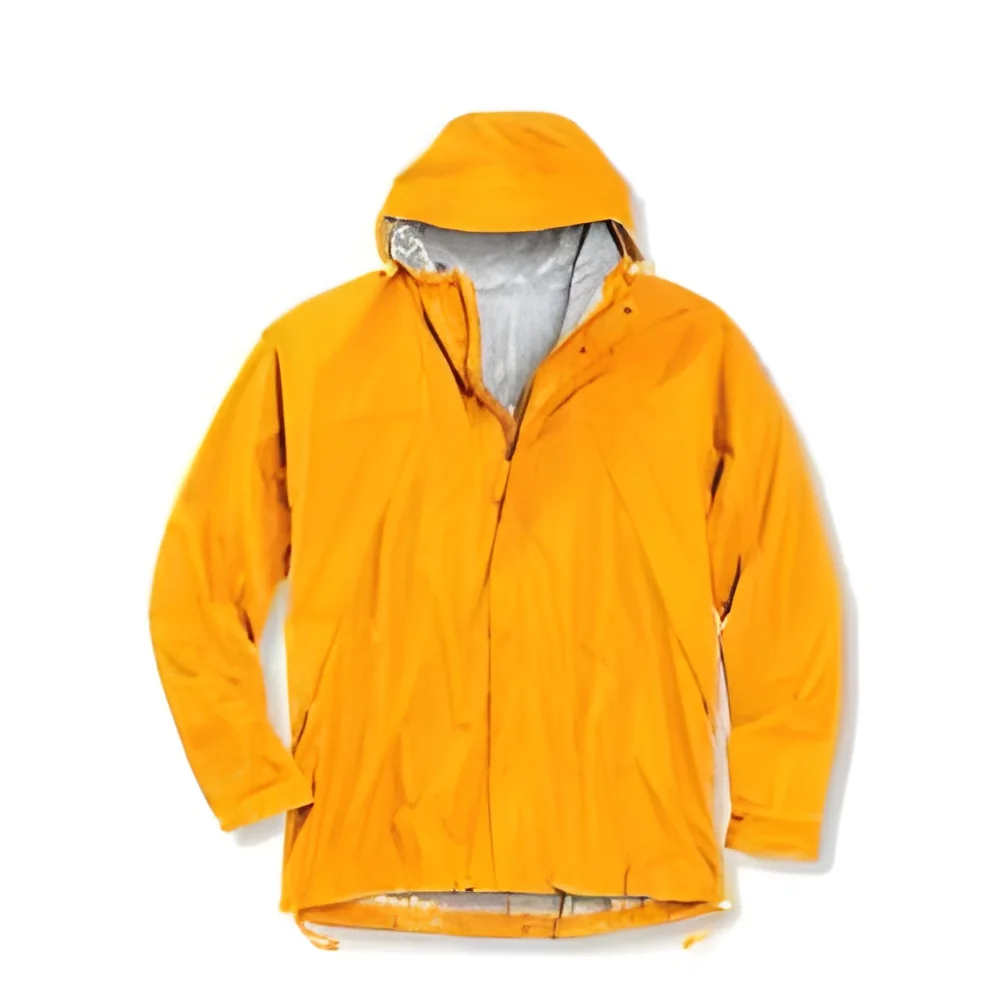
1. Outdoor Apparel: Many outdoor clothing manufacturers use water-repellent polyester to create jackets and hiking gear that protect against rain while allowing for breathability.
2. Automotive: In the automotive industry, this material is employed for seat covers and interior linings, providing protection against spills and moisture.
3. Sports Equipment: Companies producing tents and outdoor sports gear favor water-repellent polyester for its lightweight and durable characteristics.
4. Safety Gear: Water-repellent polyester is often found in protective clothing for workers exposed to wet environments, ensuring comfort and functionality.
5. Home Textiles: Curtains and upholstery fabrics made from this material help maintain aesthetics while providing practical water resistance.
6. Military Applications: The military utilizes water-repellent polyester for uniforms and equipment that require durability and weather resistance.
7. Bags and Luggage: Many manufacturers create water-repellent bags and backpacks to ensure that contents remain dry during outdoor activities.
Product Variants and Subcategories
Water-repellent polyester offers various product variants to meet specific customer needs. Each variant can cater to different applications based on its unique features.
Lightweight Water-Repellent Polyester
This variant is designed for applications where weight is a critical factor. It is often used in outdoor jackets and travel gear that require easy portability without sacrificing performance.
Heavy-Duty Water-Repellent Polyester
This version is engineered for extreme durability and is suitable for industrial applications. It provides enhanced resistance to abrasion and wear, making it ideal for safety gear and outdoor equipment.
Water-Repellent Polyester with UV Protection
This variant features added UV resistance, making it perfect for outdoor furniture and apparel. It combines water-repellent properties with protection against harmful sun exposure.
Benefits and Advantages
Sourcing water-repellent polyester offers several key advantages for businesses.
1. Enhanced Product Performance: This material significantly improves the functionality of products, especially in outdoor and industrial applications.
2. Increased Durability: Water-repellent polyester is resistant to wear and tear, ensuring that products have a longer lifespan.
3. Versatility: Its adaptability makes it suitable for a wide range of industries, from fashion to automotive.
4. Comfort: The breathability of water-repellent polyester ensures that users remain comfortable even in wet conditions.
5. Easy Maintenance: Fabrics made from this material are often easier to clean and maintain, providing added convenience for users.
6. Environmental Considerations: Many water-repellent polyesters meet eco-friendly standards, appealing to environmentally conscious consumers.
Buying Guide for B2B Buyers
When sourcing water-repellent polyester, businesses should consider several important factors to ensure they make informed decisions.
1. Quality Assessment: Evaluate the fabric's performance characteristics based on industry standards. Look for certifications that confirm its quality and durability.
2. Supplier Verification: Vet suppliers to ensure they have a reliable track record. Check for customer reviews and industry references to gauge their reputation.
3. Pricing and MOQ: Understand the pricing structure and minimum order quantities. This will help in budgeting and ensure that the costs align with your business needs.
4. Delivery and Lead Times: Confirm delivery schedules and lead times with suppliers. Timely delivery is crucial for maintaining production schedules.
5. Compliance Requirements: Ensure that the materials meet necessary compliance standards relevant to your industry. This may include safety, environmental, and quality regulations.
Compliance and Certifications
Water-repellent polyester must adhere to various compliance and certification requirements to ensure its safety and performance in industrial applications.
Relevant quality standards such as ISO 9001 ensure that manufacturers maintain consistent quality management practices. This standard is crucial for businesses seeking reliable suppliers.
Industry certifications like CE indicate that the product meets European health, safety, and environmental protection standards. This is particularly important for products intended for the European market.
Safety and testing requirements often include evaluations for durability, water resistance, and breathability. Compliance with these standards is essential for manufacturers in sectors such as apparel and automotive.
Additionally, regional compliance considerations may vary. Businesses should be aware of local regulations and standards applicable to water-repellent polyester in their specific markets.
Why Source Water-Repellent Polyester from Pepagora?
Pepagora provides a trusted platform for sourcing water-repellent polyester, offering several key advantages to buyers.
Verified Supplier Network: Pepagora ensures that all suppliers are thoroughly vetted, providing buyers with confidence in their sourcing decisions. This network includes manufacturers with proven track records in quality and reliability.
Streamlined RFQ Process: The platform simplifies the request for quotation process, allowing businesses to easily compare offers from multiple suppliers. This efficiency saves time and aids in making informed purchasing choices.
Trade Assurance and Support: Pepagora offers buyer protection through trade assurance policies. This ensures that businesses receive the products as promised, minimizing risks associated with online sourcing.
Regional Coverage: With a strong presence in India, the Gulf Cooperation Council (GCC), and Southeast Asia, Pepagora facilitates access to diverse markets. This geographic reach allows buyers to connect with suppliers that best meet their needs.

Frequently Asked Questions
What are Water-Repellent Polyester?
Water-Repellent Polyester is a synthetic fabric designed to repel water, making it suitable for various applications such as outdoor gear, garments, and upholstery. This material utilizes a special coating or treatment that prevents water from soaking into the fibers, providing enhanced durability and comfort.
What are the different types of Water-Repellent Polyester?
There are several types of Water-Repellent Polyester, including coated, laminated, and treated variants. Coated polyester has a waterproof layer applied to its surface, while laminated polyester has a waterproof membrane bonded to the fabric. Treated polyester undergoes a chemical process to enhance its water-repelling properties.
How do I choose the right Water-Repellent Polyester?
To choose the right Water-Repellent Polyester, consider factors such as the intended use, desired level of water resistance, and fabric weight. Additionally, evaluate the environmental conditions the fabric will be exposed to, as this will influence the type of water-repellent treatment needed.
What are the standard specifications for Water-Repellent Polyester?
Standard specifications for Water-Repellent Polyester typically include fabric weight, tensile strength, water resistance rating, and breathability. These specifications help determine the performance characteristics of the fabric and its suitability for specific applications.
What is the price range for Water-Repellent Polyester?
The price range for Water-Repellent Polyester varies based on factors such as quality, type, and manufacturer. Generally, prices can range from INR 150 to INR 600 per meter, depending on the specifications and features of the fabric.
What quality standards apply to Water-Repellent Polyester?
Water-Repellent Polyester is subject to various quality standards, including ISO 9001 for quality management systems and specific testing standards for water resistance. Manufacturers may also adhere to industry-specific certifications to ensure the fabric meets performance and safety requirements.
Where can I find Water-Repellent Polyester suppliers in India?
You can find Water-Repellent Polyester suppliers in India through online B2B marketplaces, fabric trade shows, and industry directories. Platforms such as Pepagora.com feature a range of manufacturers and suppliers specializing in water-repellent fabrics.
Can Water-Repellent Polyester be customized?
Yes, Water-Repellent Polyester can be customized based on specific requirements such as color, weight, and treatment level. Many manufacturers offer customization options to tailor the fabric to meet the unique needs of different projects.
What is the typical minimum order quantity for Water-Repellent Polyester?
The typical minimum order quantity (MOQ) for Water-Repellent Polyester can vary among suppliers but usually ranges from 50 to 100 meters. It's advisable to check with individual suppliers for their specific MOQ requirements.
What is the typical lead time for Water-Repellent Polyester?
The typical lead time for Water-Repellent Polyester can range from 2 to 4 weeks, depending on the supplier and order volume. Custom orders may require additional time for processing and production.
Why Businesses Trust Pepagora
Thousands of companies trust Pepagora to source smarter and sell faster
Expand Your Sales Globally

Source Smarter,Grow Faster
