What are Synthetic Fabrics (Polyester, Nylon)?
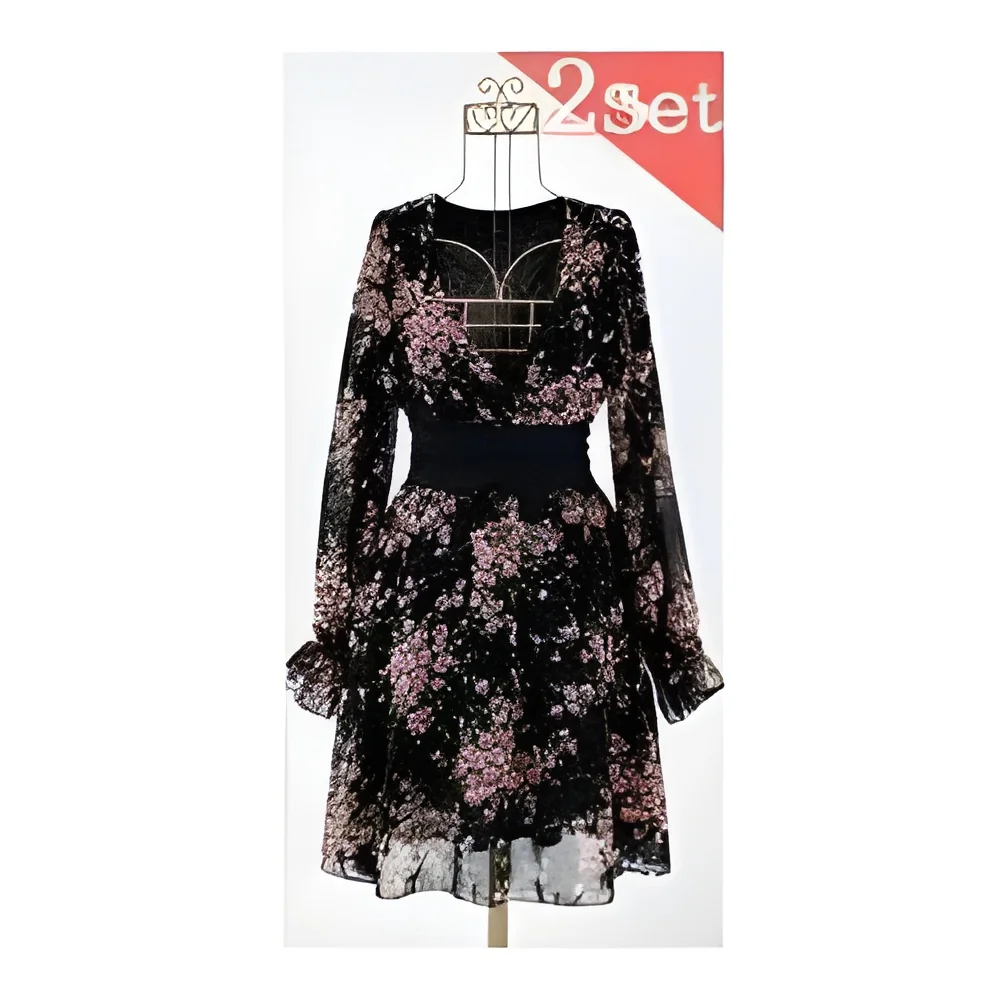
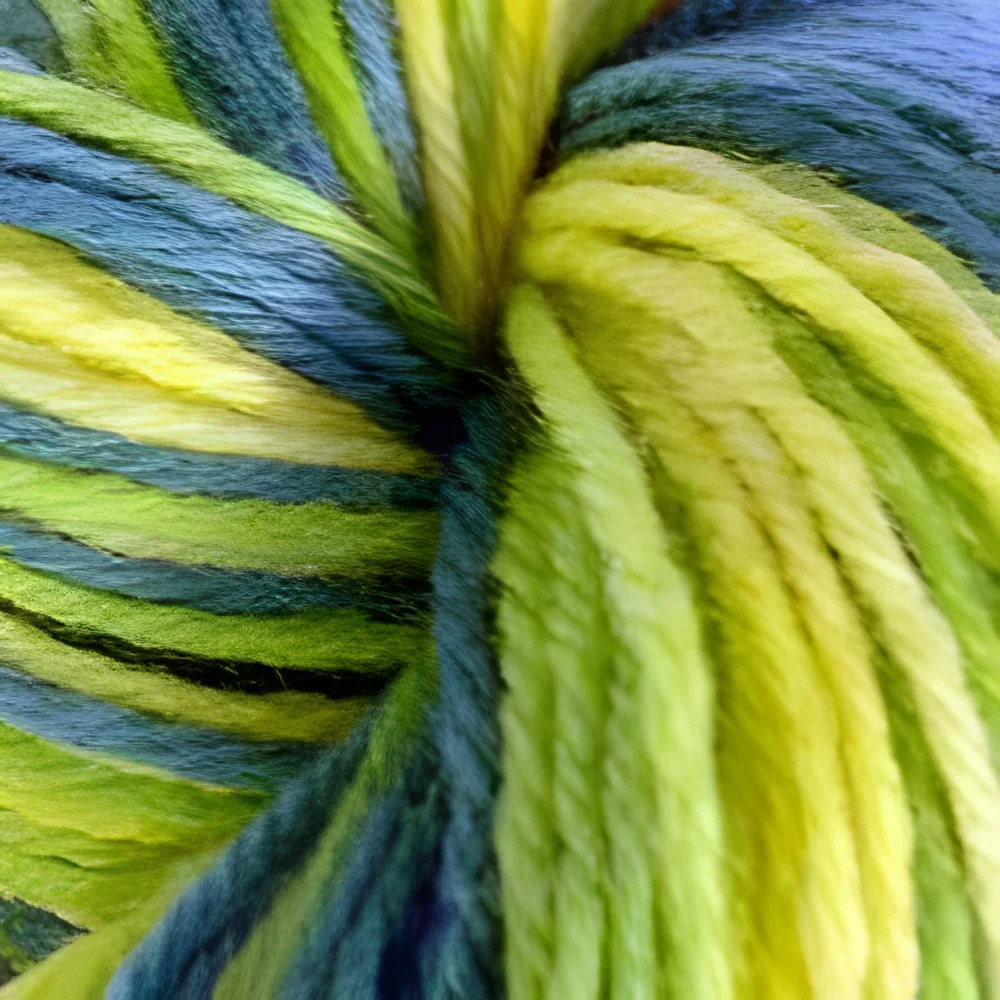
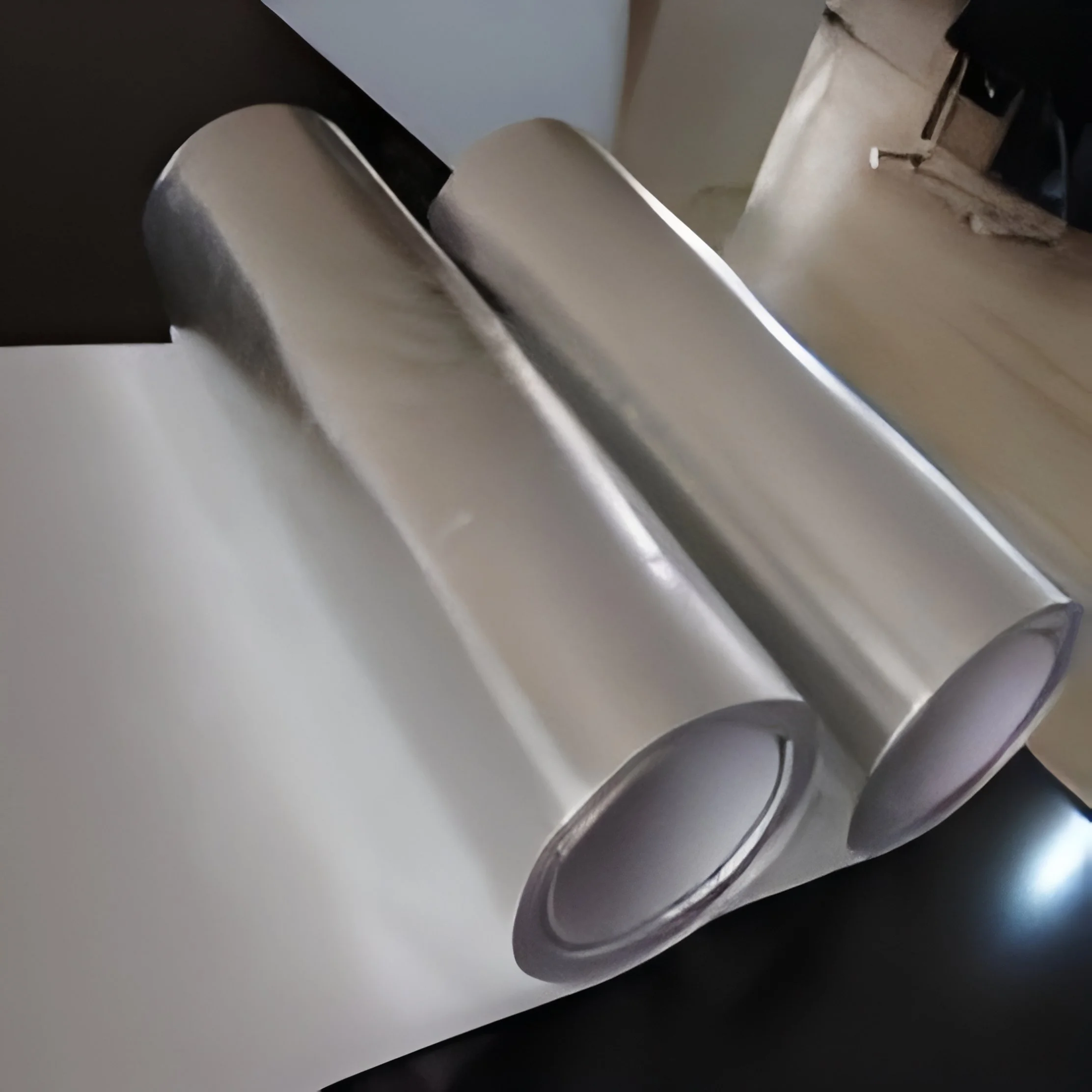
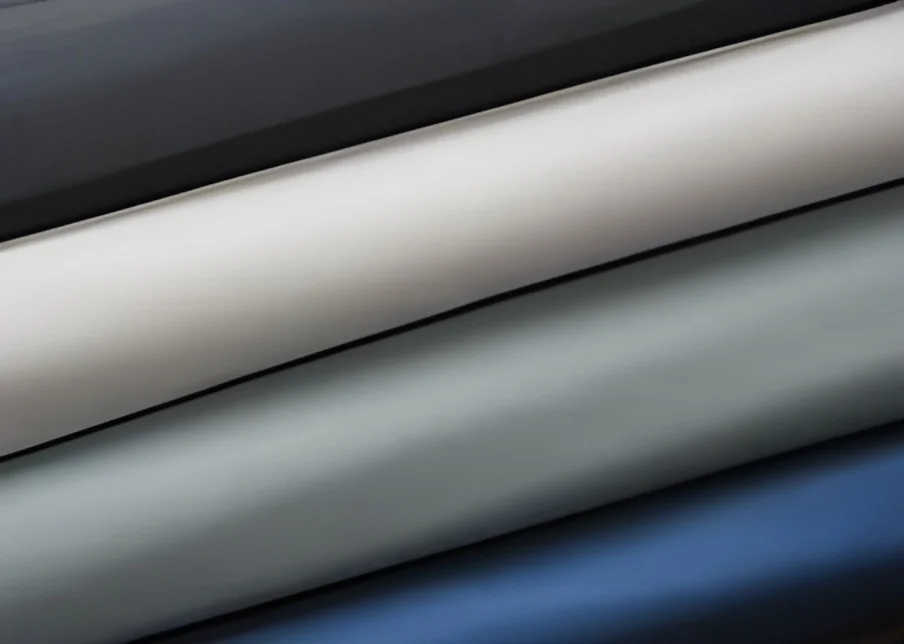
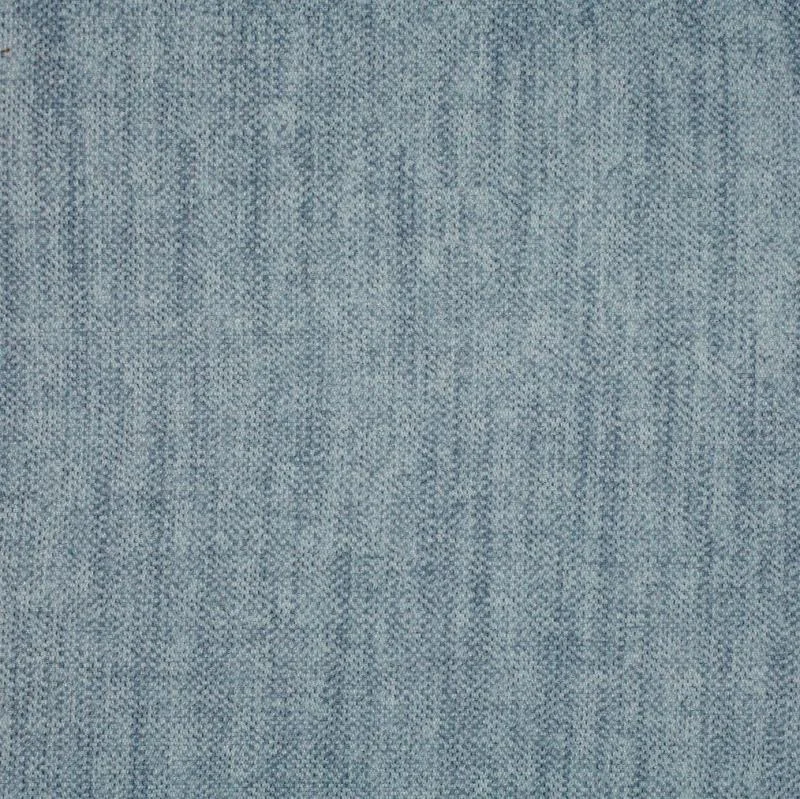
Synthetic fabrics, primarily consisting of polyester and nylon, are engineered materials created through chemical processes. Polyester is derived from petrochemical products, while nylon is a synthetic polymer that was developed in the 1930s. Both materials are known for their durability, strength, and resistance to various environmental factors. These fabrics are lightweight, quick-drying, and easy to care for, making them popular choices in various industries.
The primary uses of synthetic fabrics span across multiple sectors, including textiles, automotive, construction, and healthcare. In the textile industry, polyester and nylon are commonly used in clothing, upholstery, and accessories. They are also utilized in technical applications such as ropes, nets, and industrial fabrics due to their high tensile strength. The market for synthetic fabrics is expanding, driven by the growing demand for high-performance materials that offer versatility and longevity in diverse applications.
𝗞𝗲𝘆 𝗙𝗲𝗮𝘁𝘂𝗿𝗲𝘀 𝗮𝗻𝗱 𝗦𝗽𝗲𝗰𝗶𝗳𝗶𝗰𝗮𝘁𝗶𝗼𝗻𝘀
Synthetic fabrics, particularly polyester and nylon, come with a range of features that enhance their utility across various applications. These characteristics make them suitable for both consumer and industrial uses.
Key specifications include:
1. Durability
- High tensile strength
- Resistance to wear and tear
2. Moisture Wicking
- Quick-drying capabilities
- Breathability for comfort
3. UV Resistance
- Protection against harmful UV rays
- Retains color and integrity over time
4. Lightweight
- Easy to handle and transport
- Ideal for applications requiring low weight
5. Chemical Resistance
- Resistant to many chemicals and solvents
- Suitable for industrial environments
6. Colorfastness
- Retains color despite exposure to sunlight and washing
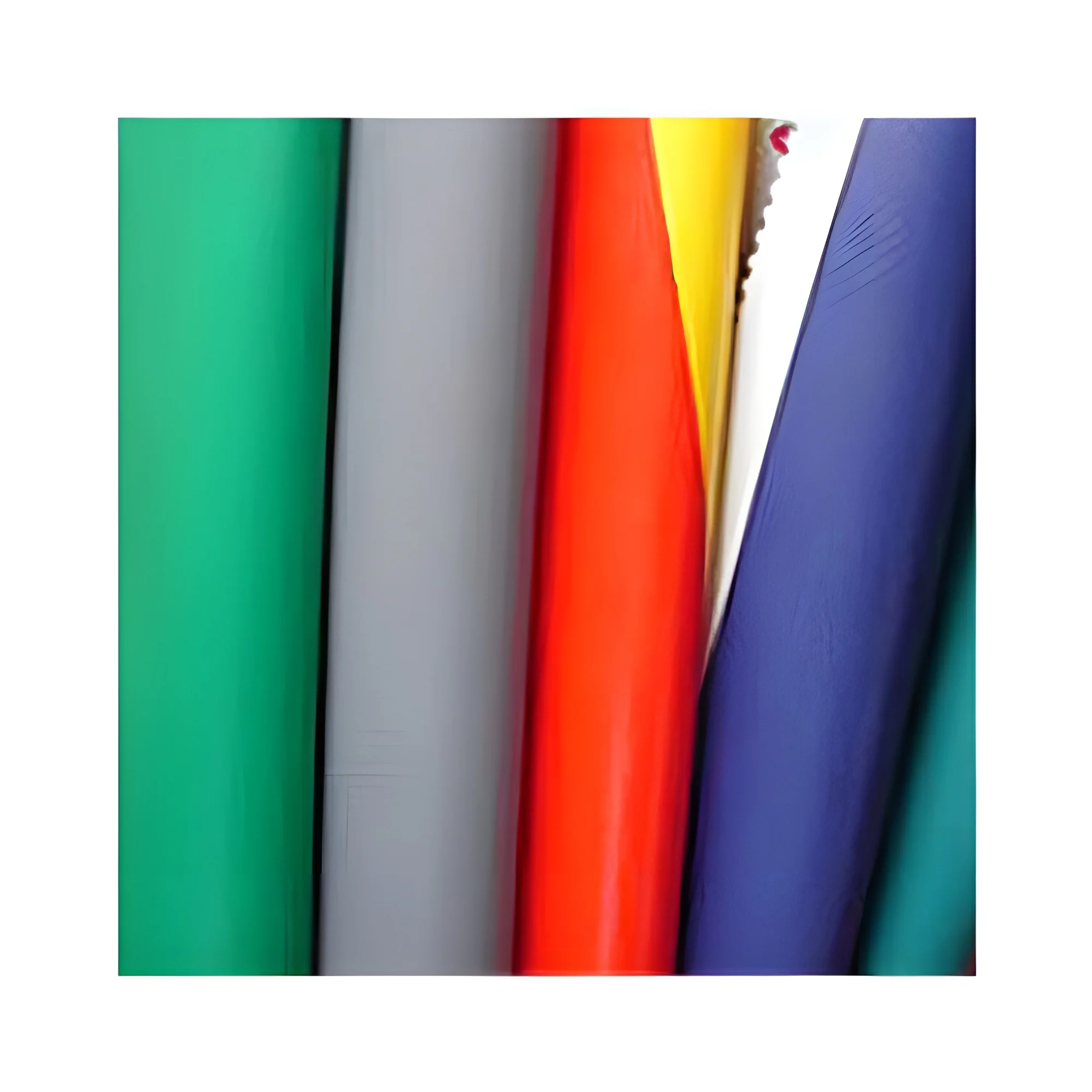
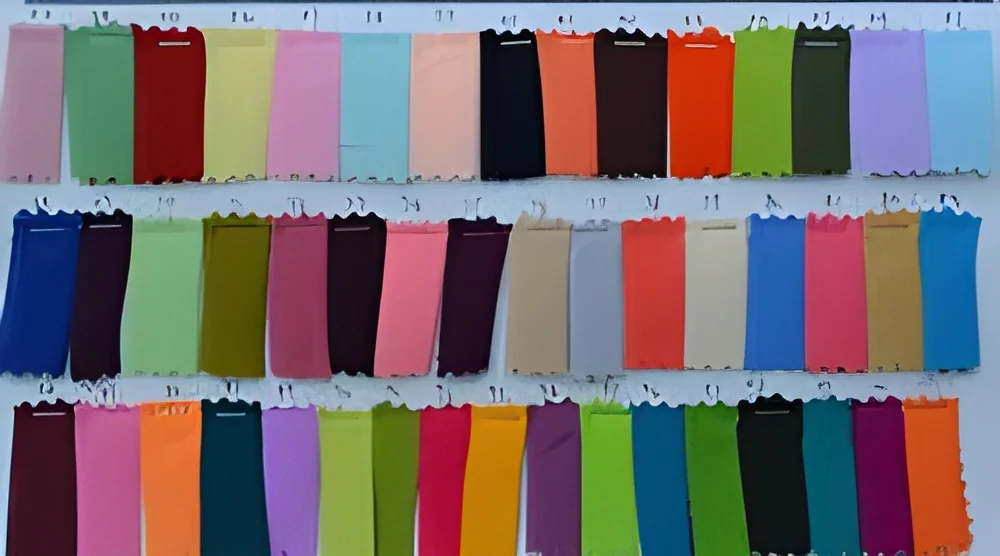
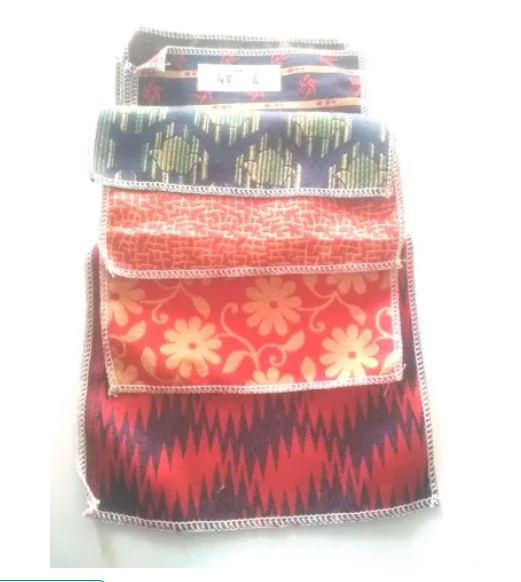
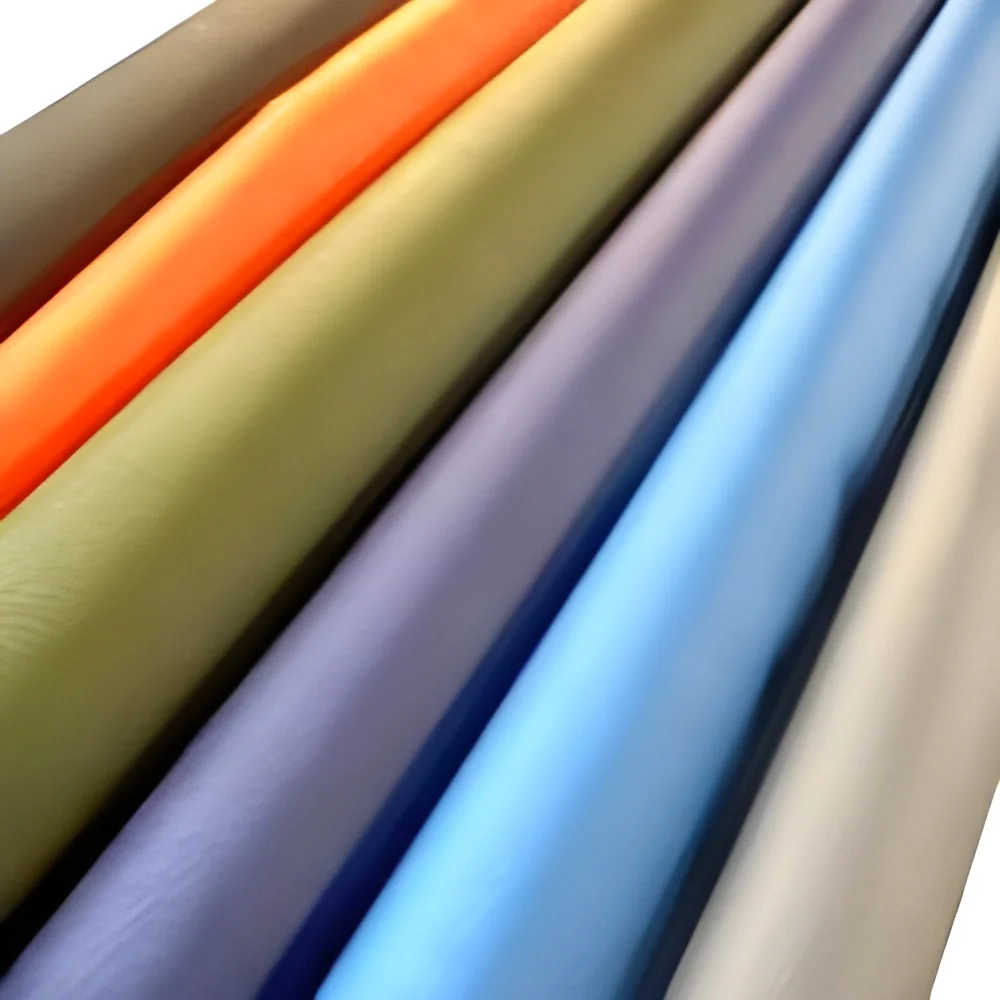
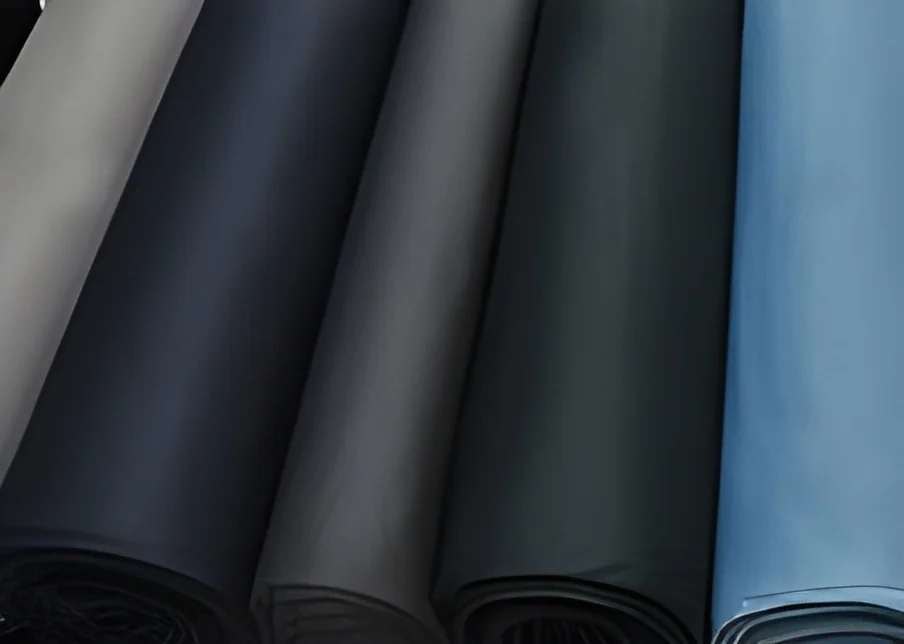
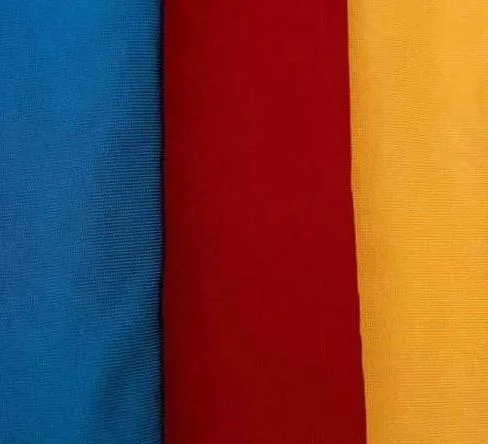
- Available in a wide range of colors and patterns
7. Easy Care
- Machine washable
- Resists wrinkles and shrinking
8. Cost-Effectiveness
- Affordable compared to natural fibers
- Long lifespan reduces replacement costs
These features collectively make synthetic fabrics a preferred choice for manufacturers and consumers alike.
𝗖𝗼𝗺𝗺𝗼𝗻 𝗔𝗽𝗽𝗹𝗶𝗰𝗮𝘁𝗶𝗼𝗻𝘀 𝗮𝗻𝗱 𝗨𝘀𝗲 𝗖𝗮𝘀𝗲𝘀
Synthetic fabrics find applications across a variety of industries, thanks to their unique properties.
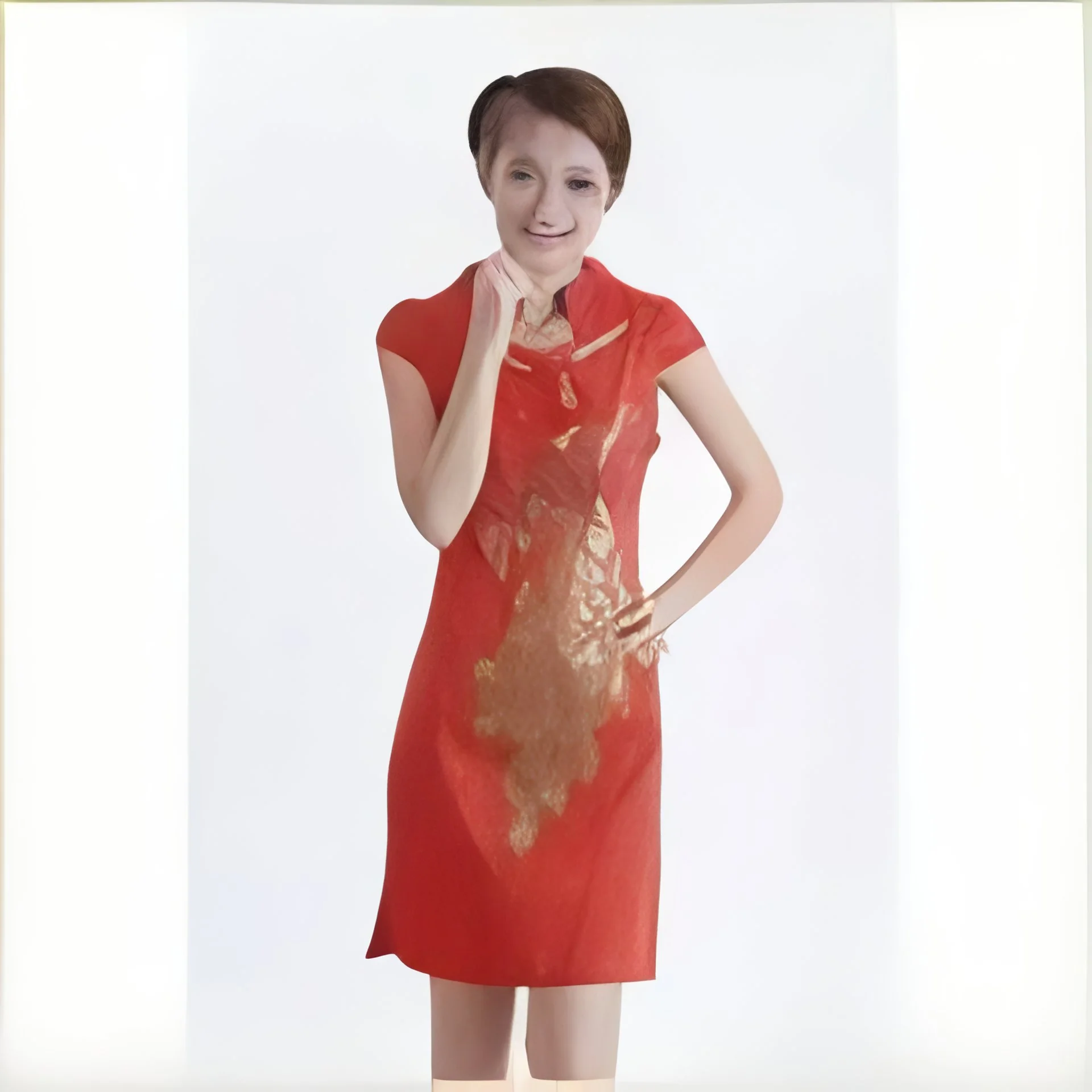
1. Textiles: Polyester and nylon are widely used in clothing, including activewear and outdoor gear, due to their durability and moisture-wicking properties.
2. Automotive: These fabrics are employed in seat covers, upholstery, and interior linings, providing comfort and long-lasting performance.
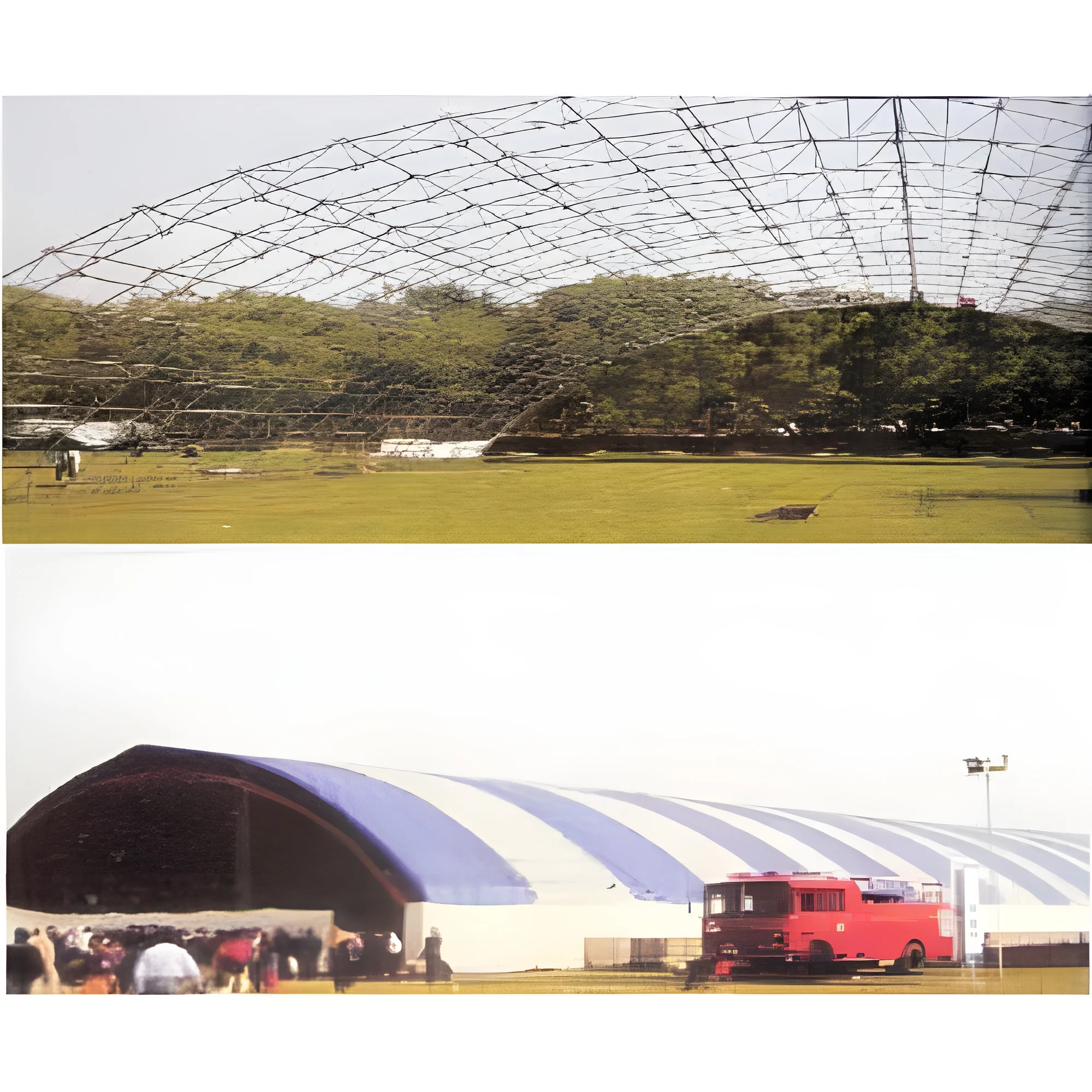
3. Construction: Synthetic fabrics are utilized in tarps, nets, and protective gear, offering strength and resistance to environmental elements.
4. Healthcare: Used in medical textiles, synthetic fabrics serve in applications such as surgical gowns and drapes, where hygiene and durability are crucial.
5. Sports: Performance gear and equipment often incorporate synthetic fabrics for their lightweight and moisture management capabilities.
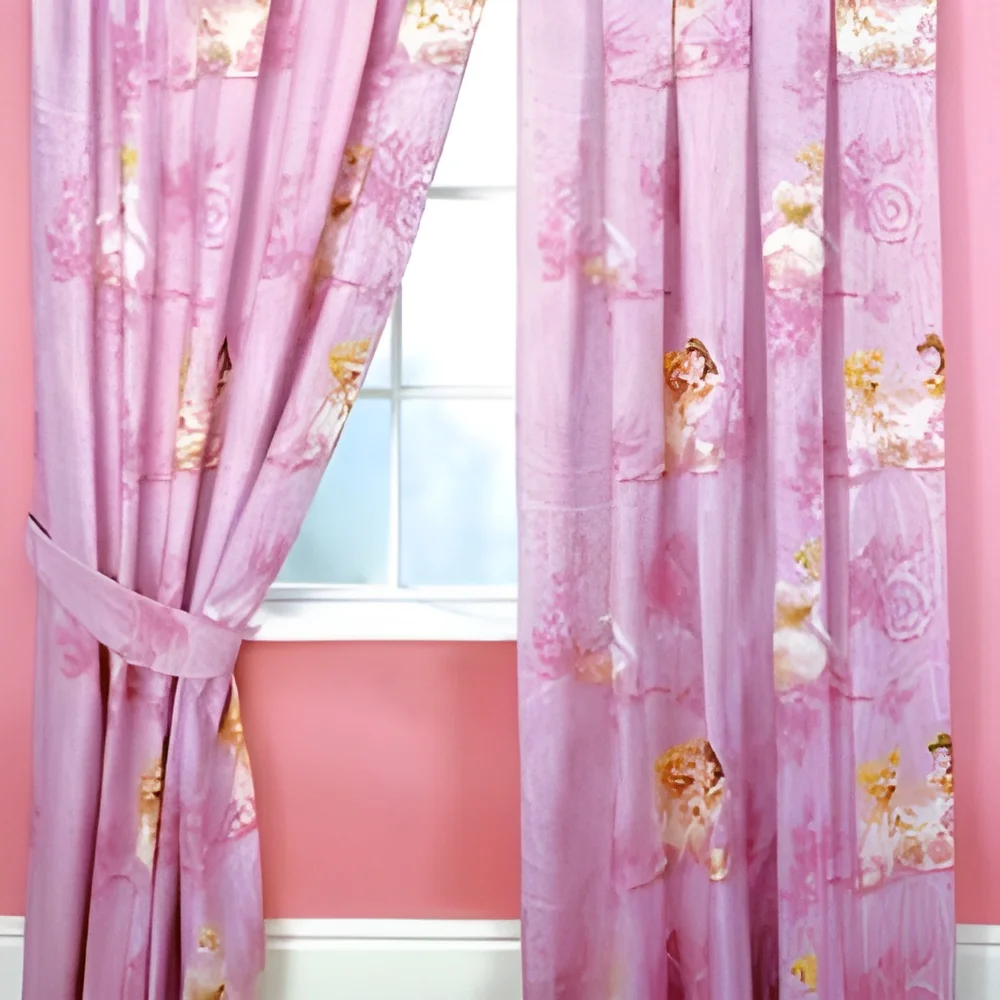
6. Home Furnishings: Upholstery and drapery fabrics made from polyester and nylon are favored for their aesthetic appeal and resistance to fading.
7. Industrial: Ropes and nets made from synthetic fabrics are used in construction and maritime applications, providing high strength and reliability.
𝗣𝗿𝗼𝗱𝘂𝗰𝘁 𝗩𝗮𝗿𝗶𝗮𝗻𝘁𝘀 𝗮𝗻𝗱 𝗦𝘂𝗯𝗰𝗮𝘁𝗲𝗴𝗼𝗿𝗶𝗲𝘀
Synthetic fabrics offer diversity in their formulations and uses, catering to different market needs.
Polyester Fabric
This variant is known for its versatility and is widely used in clothing and home textiles. It is resistant to shrinking and stretching, making it ideal for everyday use.
Nylon Fabric
Nylon is recognized for its strength and elasticity. It is often used in outdoor gear such as jackets and tents due to its water-resistant properties.
Microfiber
A subtype of polyester, microfiber fabrics are ultra-fine and soft, making them suitable for cleaning products and luxurious textiles.
Ripstop Fabric
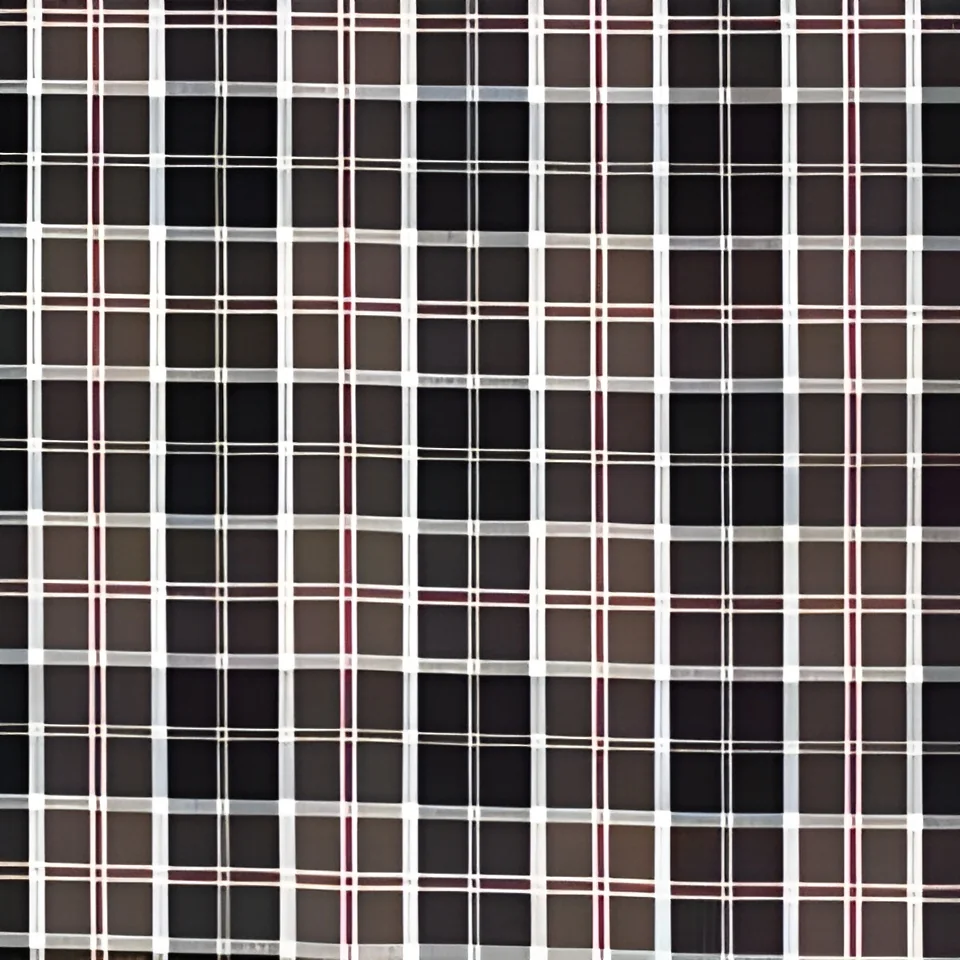
This type of nylon is reinforced with a grid pattern, giving it exceptional tear resistance. It is commonly used in military and outdoor applications.
𝗕𝗲𝗻𝗲𝗳𝗶𝘁𝘀 𝗮𝗻𝗱 𝗔𝗱𝘃𝗮𝗻𝘁𝗮𝗴𝗲𝘀
Choosing synthetic fabrics offers several key benefits that enhance their appeal in the marketplace.
1. Durability: Synthetic fabrics are designed to withstand wear and tear, resulting in longer-lasting products.
2. Versatility: These materials can be used in a wide range of applications, from fashion to industrial uses, making them highly adaptable.
3. Cost-Effective: The affordability of synthetic fabrics makes them a budget-friendly option for manufacturers and consumers alike.
4. Easy Maintenance: Synthetic fabrics typically require less care than natural fibers, offering convenience for end-users.
5. Performance: With features like moisture-wicking and UV resistance, these fabrics provide superior performance in various conditions.
6. Variety: Available in numerous colors, patterns, and textures, synthetic fabrics can meet diverse aesthetic preferences and functional requirements.
𝗕𝘂𝘆𝗶𝗻𝗴 𝗚𝘂𝗶𝗱𝗲 𝗳𝗼𝗿 𝗕𝟮𝗕 𝗕𝘂𝘆𝗲𝗿𝘀
When sourcing synthetic fabrics, particularly polyester and nylon, B2B buyers should consider several critical factors.
1. Quality Assessment: Evaluate the fabric's durability, texture, and performance characteristics. Look for samples to ensure it meets specific requirements.
2. Supplier Verification: Research potential suppliers to confirm their reliability and reputation. Check for reviews and their history in the market.
3. Pricing and MOQ: Understand the pricing structure and inquire about minimum order quantities to ensure it aligns with your budget and needs.
4. Delivery and Lead Times: Discuss logistics and confirm delivery schedules to avoid delays in your production or supply chain.
5. Compliance Requirements: Ensure that the fabrics meet any necessary industry standards and regulations, particularly in sectors like healthcare and automotive.
𝗖𝗼𝗺𝗽𝗹𝗶𝗮𝗻𝗰𝗲 𝗮𝗻𝗱 𝗖𝗲𝗿𝘁𝗶𝗳𝗶𝗰𝗮𝘁𝗶𝗼𝗻𝘀

Synthetic fabrics, including polyester and nylon, must adhere to various quality standards and regulations to ensure safety and performance.
ISO 9001 is a key standard that outlines criteria for a quality management system, demonstrating the ability to provide consistent products and services.
CE certification is crucial for products sold in the European market, indicating compliance with health, safety, and environmental protection standards.
Safety and testing requirements often involve assessments for flammability, chemical resistance, and durability, ensuring that the fabrics are suitable for their intended applications.
Regional compliance considerations may vary, with different countries imposing specific regulations that must be met by suppliers and manufacturers.
Why Source Synthetic Fabrics (Polyester, Nylon) from Pepagora?
Pepagora offers a trusted platform for sourcing synthetic fabrics like polyester and nylon, providing several key advantages.
Verified Supplier Network: Pepagora ensures that all suppliers are thoroughly vetted, providing buyers with peace of mind regarding the quality and reliability of their sources.
Streamlined RFQ Process: The platform simplifies the request for quotation process, allowing buyers to receive competitive pricing and options quickly, enhancing procurement efficiency.
Trade Assurance and Support: Buyers benefit from trade assurance services that protect their transactions, ensuring that they receive the products as promised.
Regional Coverage: With a strong presence in India, the GCC, and Southeast Asia, Pepagora connects buyers to a wide range of suppliers, facilitating access to quality synthetic fabrics in diverse markets.