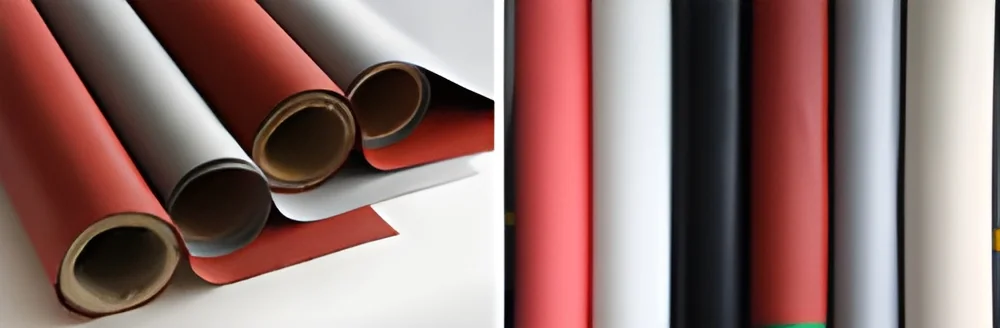
What are Plain Polyester Fabric?
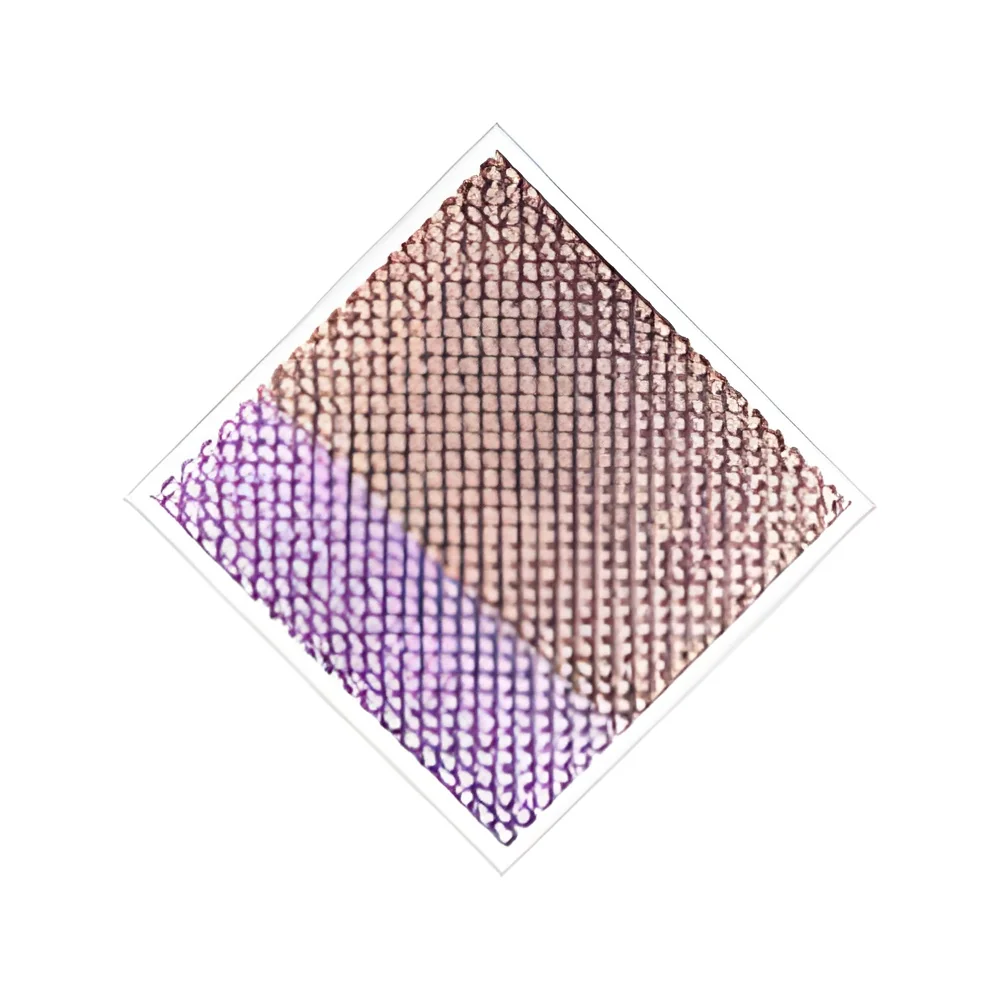
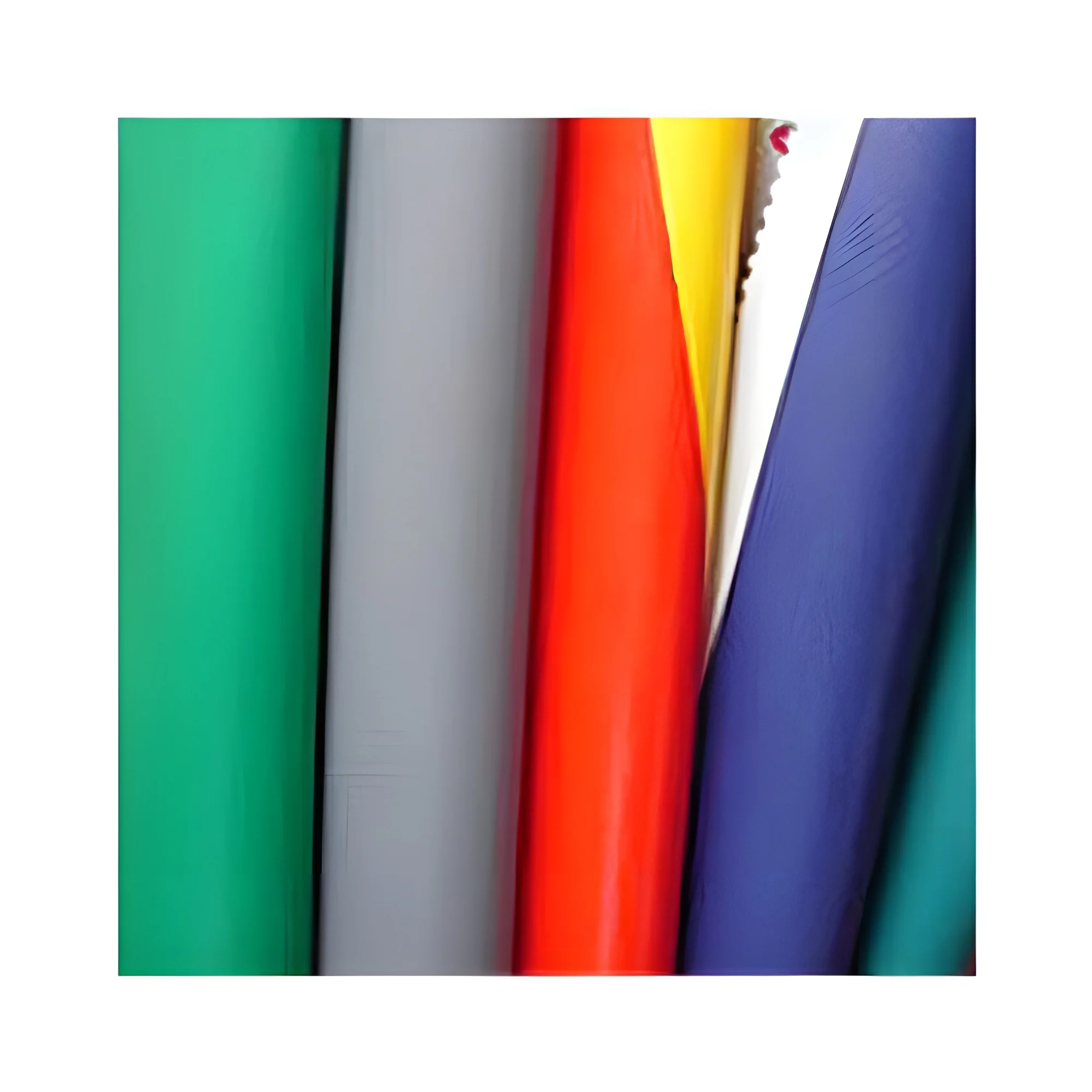
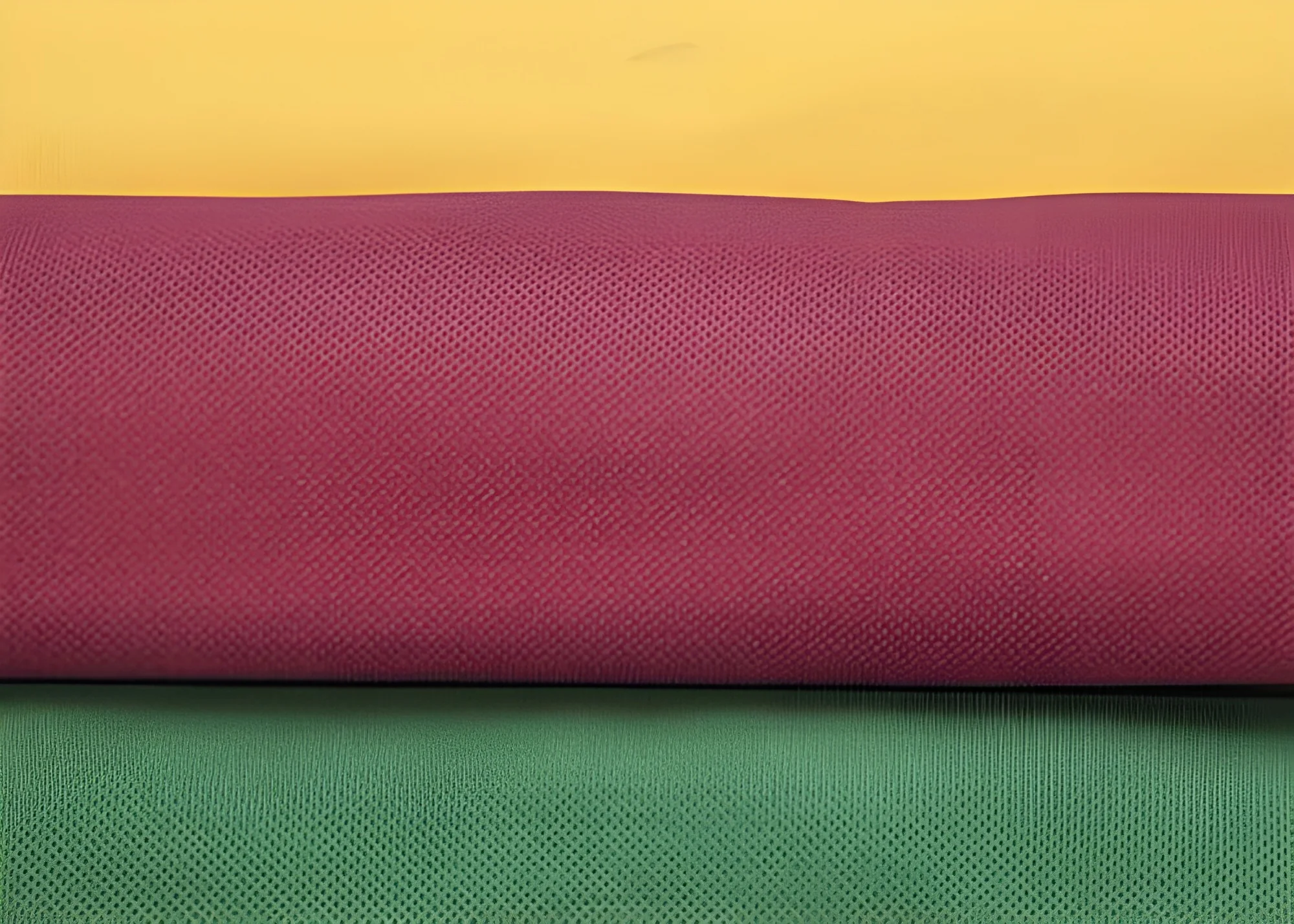
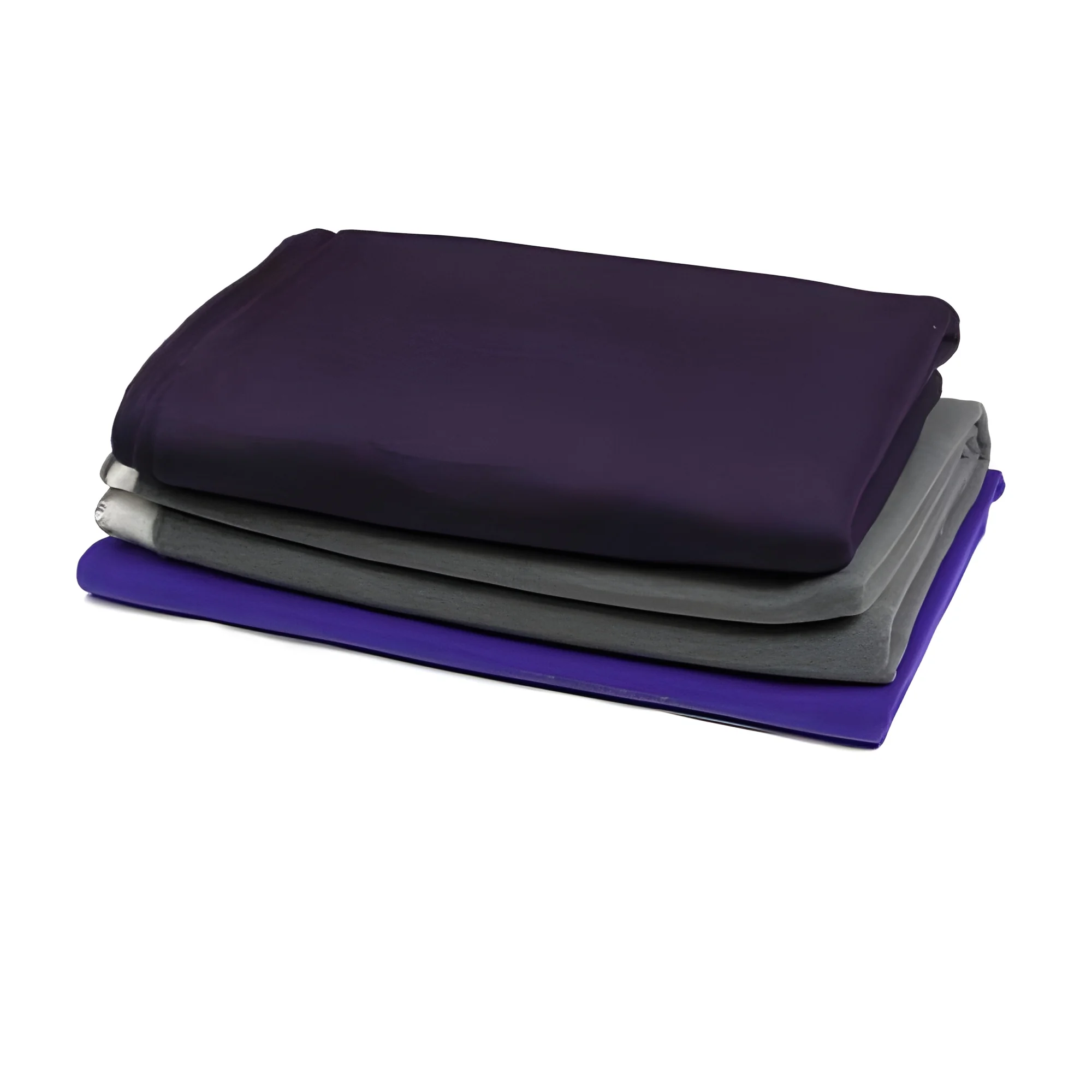
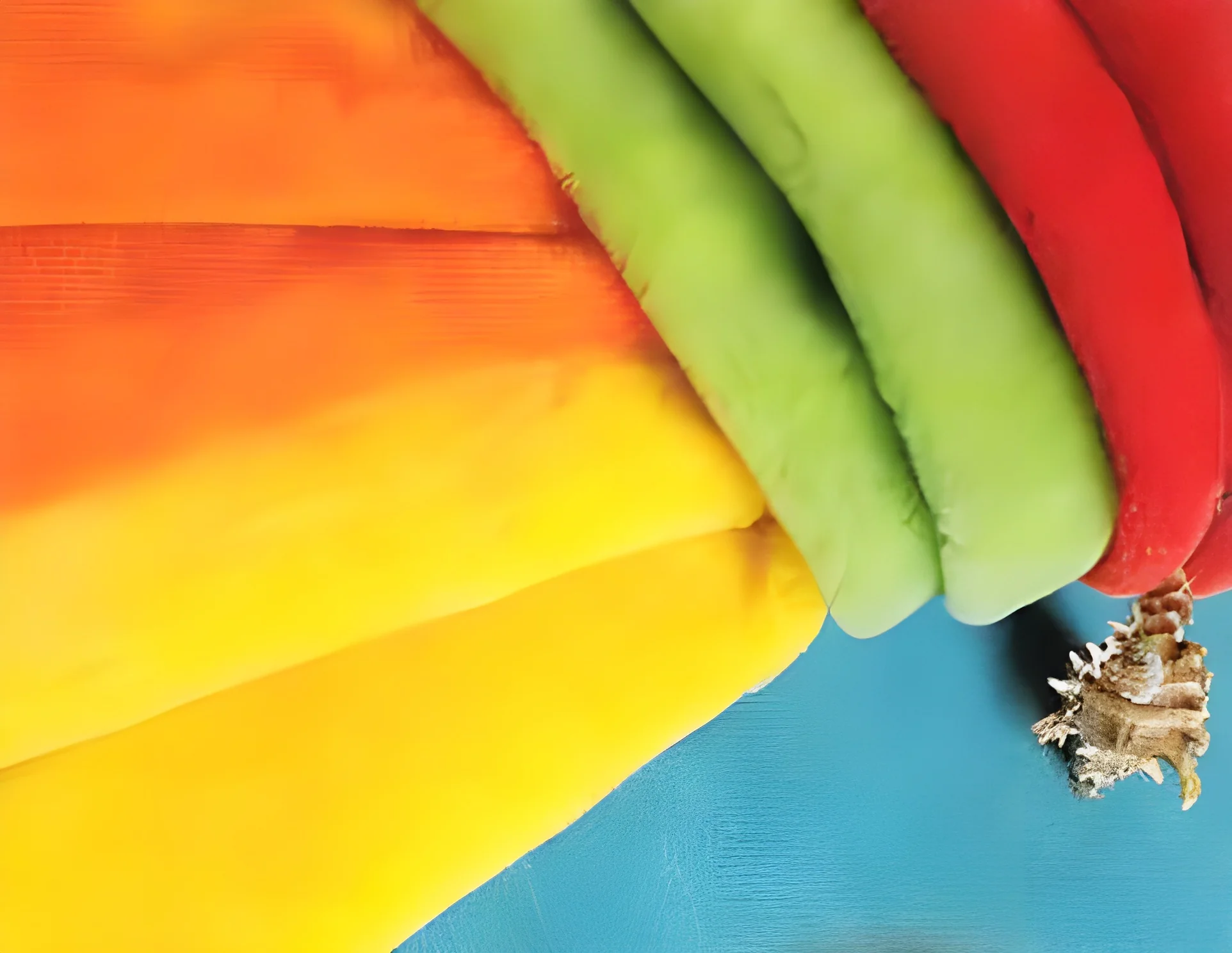
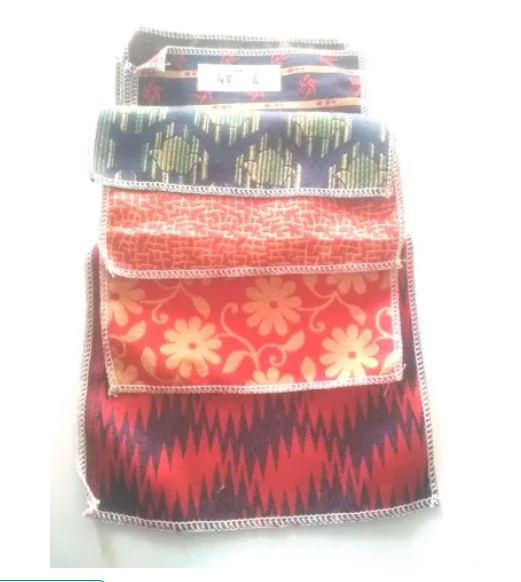
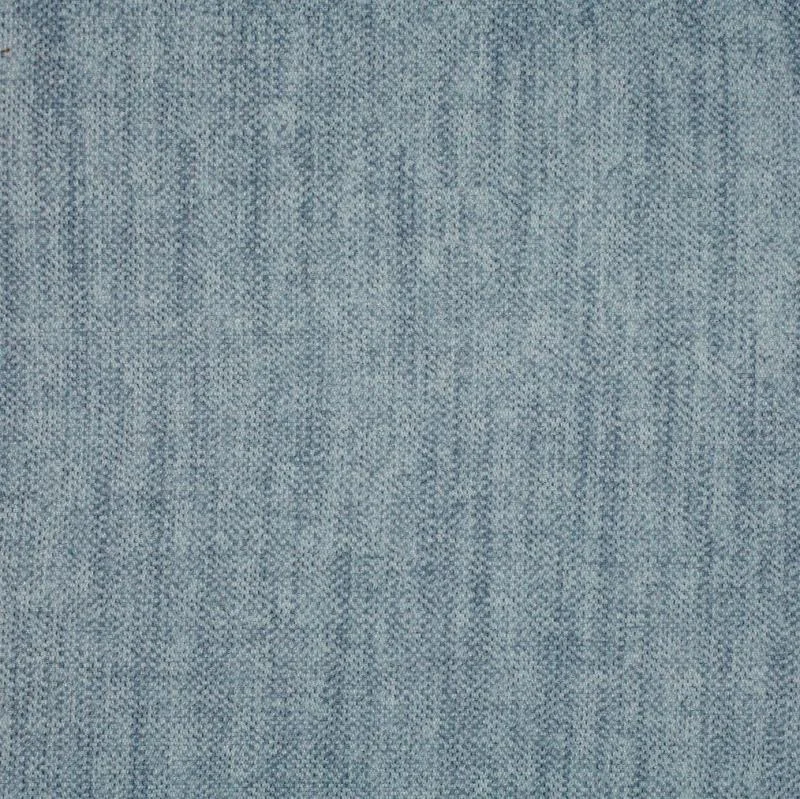
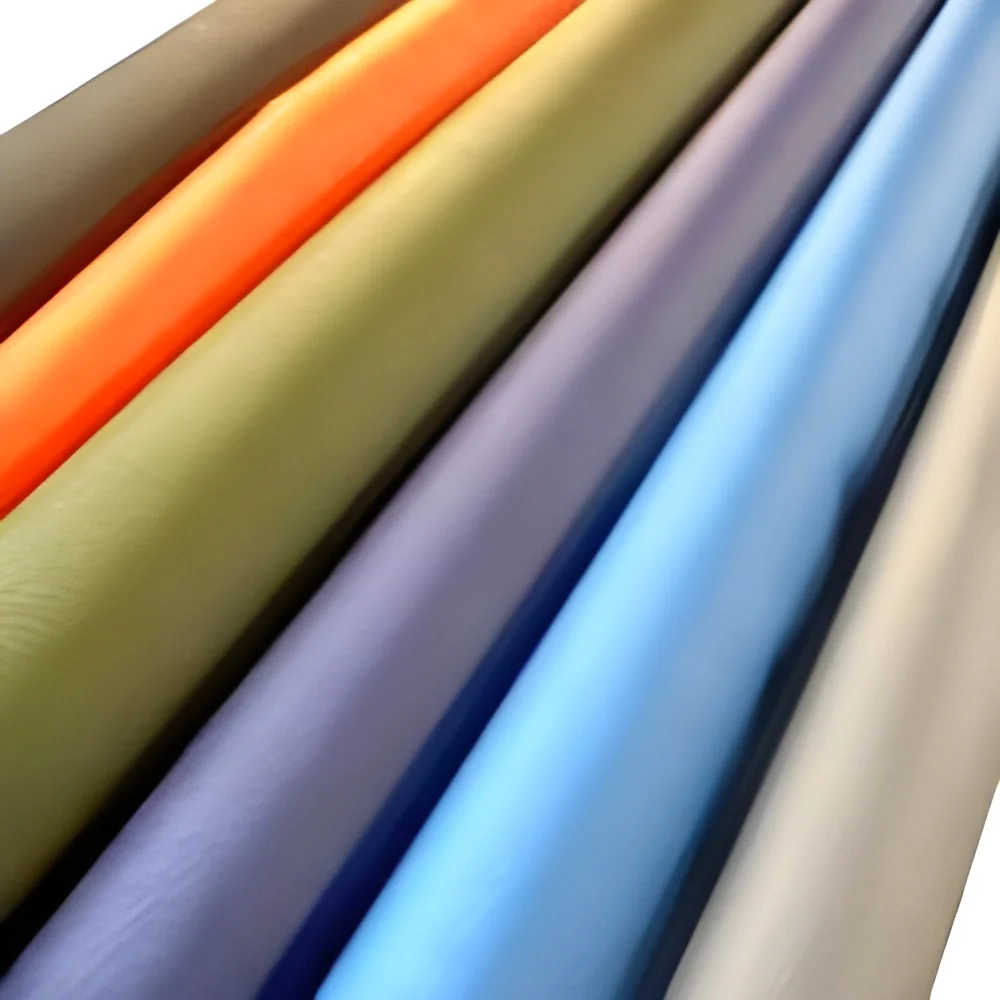
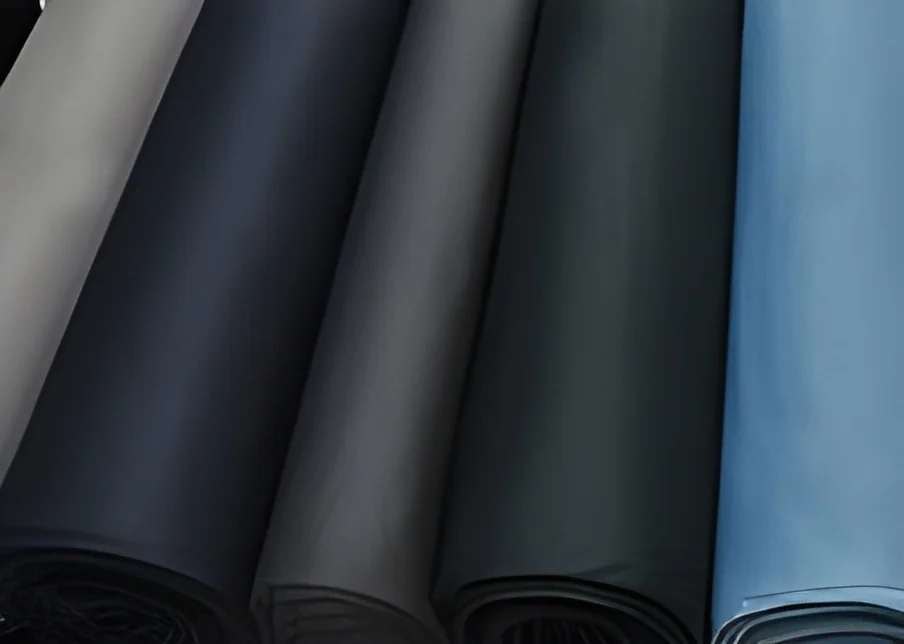
Plain Polyester Fabric is a versatile textile made from synthetic polyester fibers. Known for its durability and resistance to wrinkles, this fabric has become a popular choice across various industries. The manufacturing process involves melting polyester chips and extruding them into fibers, which are then woven or knitted into fabric. This production method allows for a wide range of textures and finishes, making Plain Polyester Fabric suitable for diverse applications.
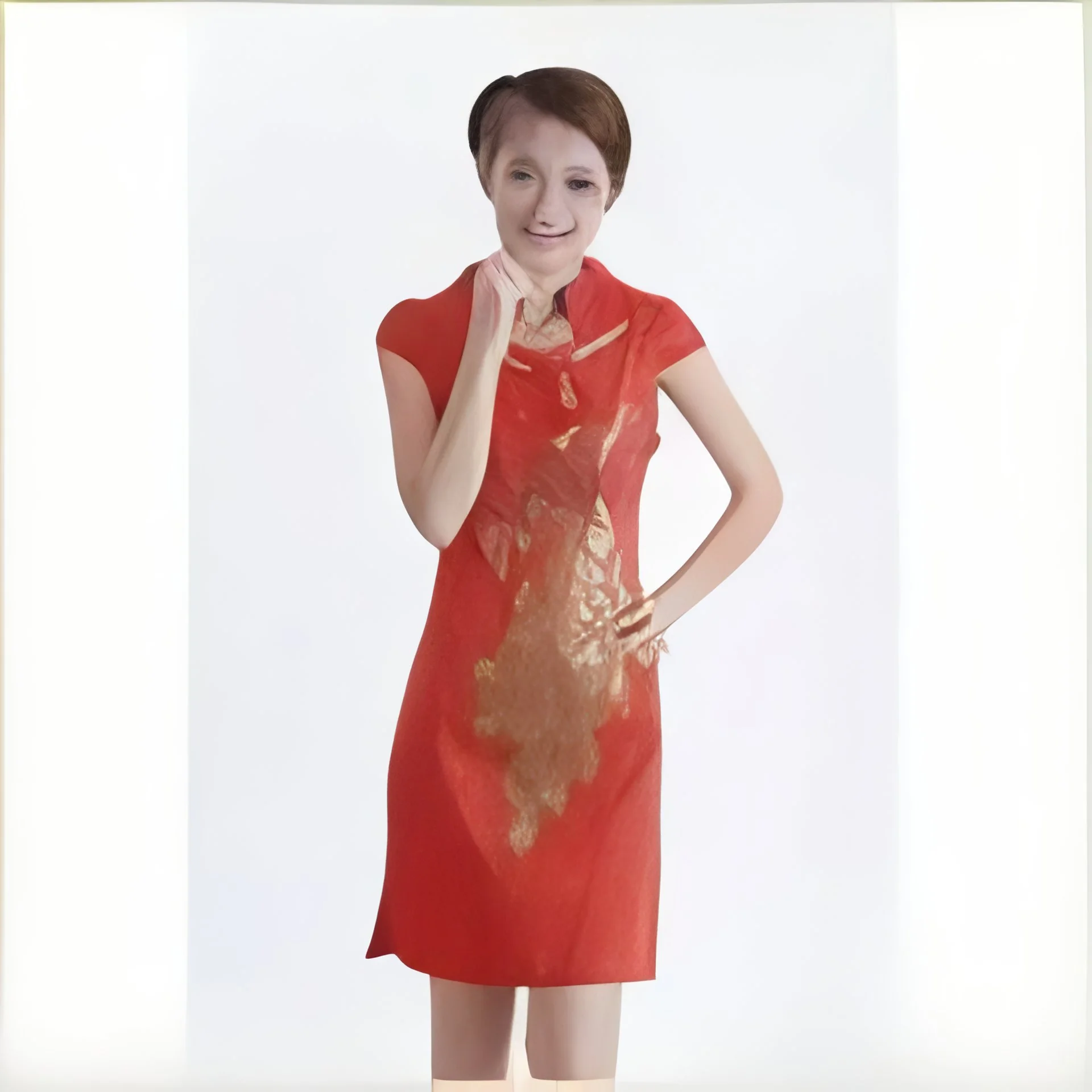
The primary uses of Plain Polyester Fabric include clothing, upholstery, and industrial applications. Its lightweight nature and moisture-wicking properties enhance comfort, making it ideal for activewear and uniforms. Additionally, the fabric's resilience against fading and shrinking makes it a reliable choice for home furnishings and outdoor gear. In the market context, the demand for Plain Polyester Fabric continues to grow as industries seek durable and cost-effective materials to meet consumer needs.
Key Features and Specifications
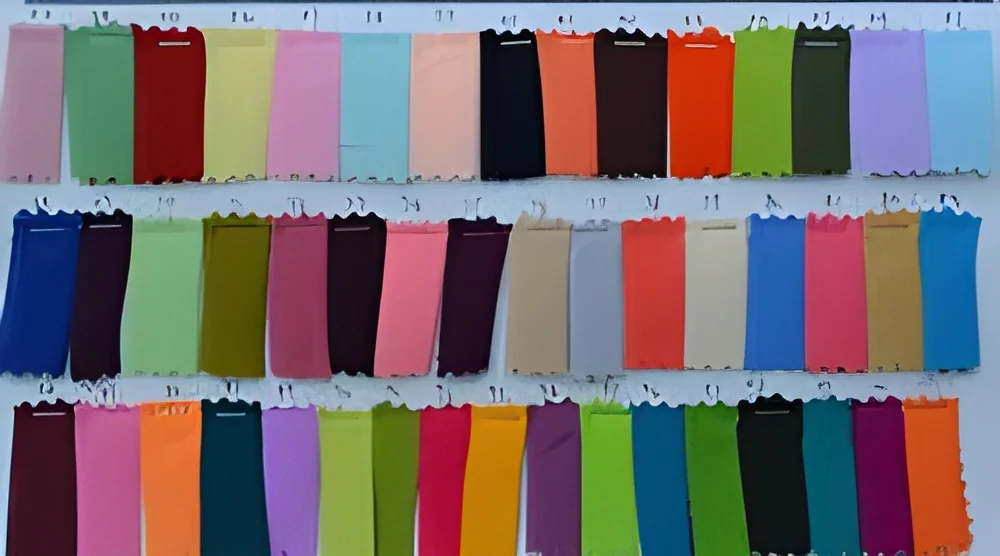
Plain Polyester Fabric offers numerous features that contribute to its widespread use. The fabric is lightweight, easy to care for, and available in a variety of colors and patterns. It is also resistant to mold, mildew, and various environmental factors. These attributes make it an attractive option for both manufacturers and consumers.
Key specifications include:
1. Fabric Weight
- Generally ranges from 60 to 200 grams per square meter (gsm).
- Heavier weights offer increased durability for industrial applications.
2. Width
- Typically available in widths of 36, 54, and 60 inches.
- Wider fabrics are suitable for larger applications like upholstery.
3. Color Fastness
- Generally rated between 4 to 5 on the ISO scale.
- Ensures resistance to fading when exposed to light.
4. Tear Strength
- Varies by weight, with heavier fabrics exhibiting a higher tear strength.
- Important for applications requiring enhanced durability.
5. Shrinkage Rate
- Typically less than 3% after washing.
- Ensures that the fabric maintains its original size and shape.
6. Flame Resistance
- Certain variants may meet specific flammability standards.
- Critical for industries such as transportation and construction.
7. Water Resistance
- Some treatments are available for enhanced water repellency.
- Useful for outdoor applications or environments with high humidity.
8. Stretchability
- Available in both stretch and non-stretch variations.
- Stretchable options provide added comfort and flexibility.
This diverse range of specifications highlights why Plain Polyester Fabric is a preferred choice in many sectors.
Common Applications and Use Cases
Plain Polyester Fabric is used across multiple industries due to its functional properties and adaptability.
1. Apparel Industry: This fabric is widely used for creating activewear, uniforms, and casual clothing. Its moisture-wicking capability enhances comfort during physical activities.
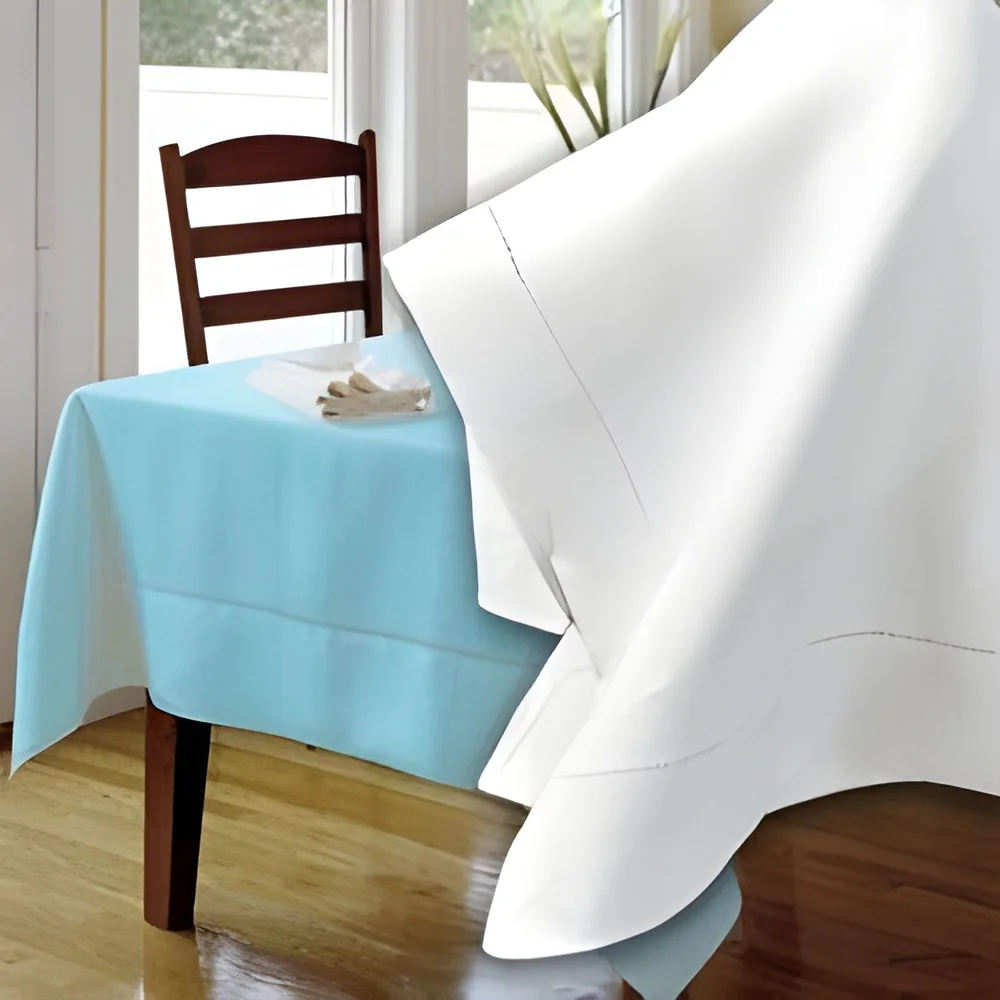
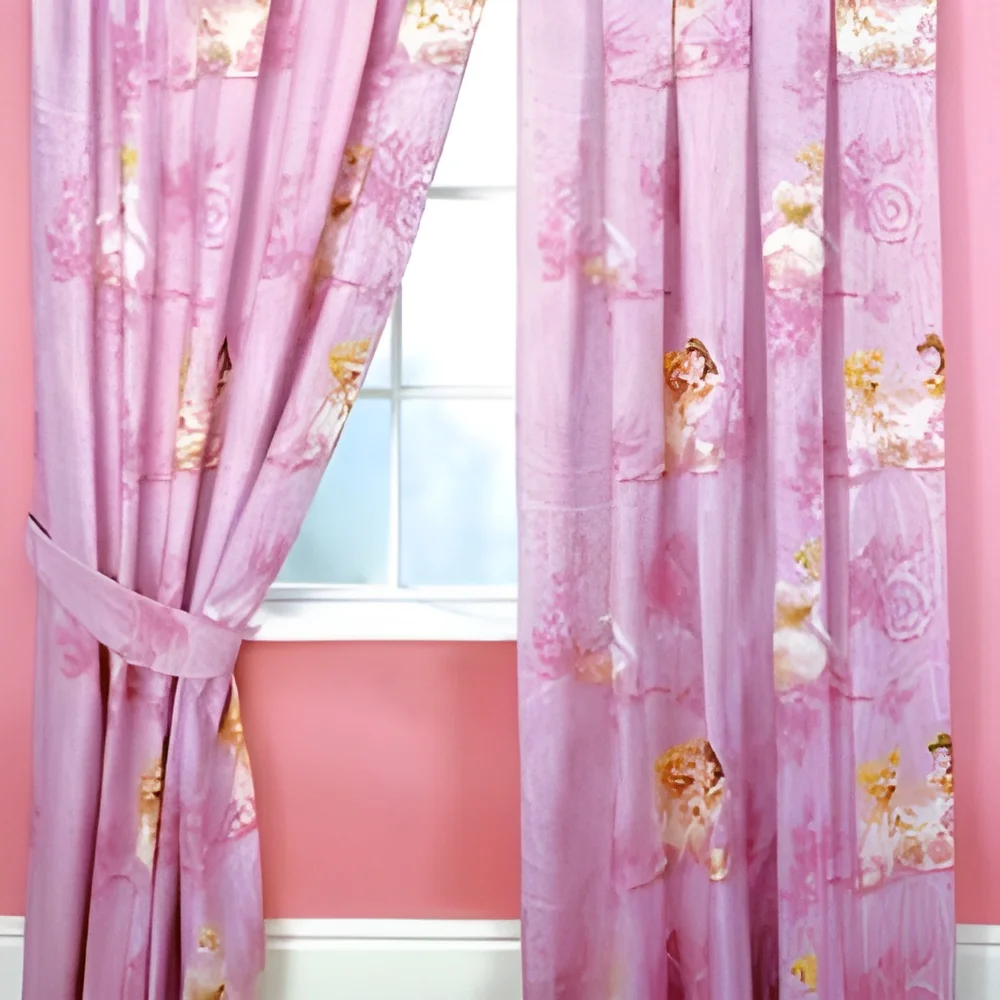
2. Home Furnishings: Plain Polyester Fabric is commonly employed in upholstery, curtains, and table linens. Its durability and resistance to fading make it suitable for long-term use.
3. Automotive Sector: This fabric is utilized for car interiors, seat covers, and linings. Its resistance to wear and tear ensures longevity in automotive applications.
4. Healthcare: In medical settings, Plain Polyester Fabric is used for scrubs and patient gowns due to its ease of cleaning and durability.
5. Outdoor Gear: The fabric is used in tents, backpacks, and outdoor clothing, benefiting from its water resistance and lightweight nature.
6. Industrial Applications: Plain Polyester Fabric is employed in various industrial settings for manufacturing tarpaulins, conveyor belts, and safety gear.
7. Sports Equipment: This fabric is utilized in making sports nets and other equipment, providing strength and durability needed for rigorous use.
Product Variants and Subcategories
Plain Polyester Fabric comes in various forms, catering to different needs and preferences.
Lightweight Polyester Fabric
This variant is ideal for apparel and lightweight garments. It offers breathability and is often used in summer clothing and activewear due to its moisture-wicking properties.
Heavy-Duty Polyester Fabric
Designed for industrial applications, this variant is thicker and more robust. It is suitable for items requiring added strength, such as tarps and outdoor gear.
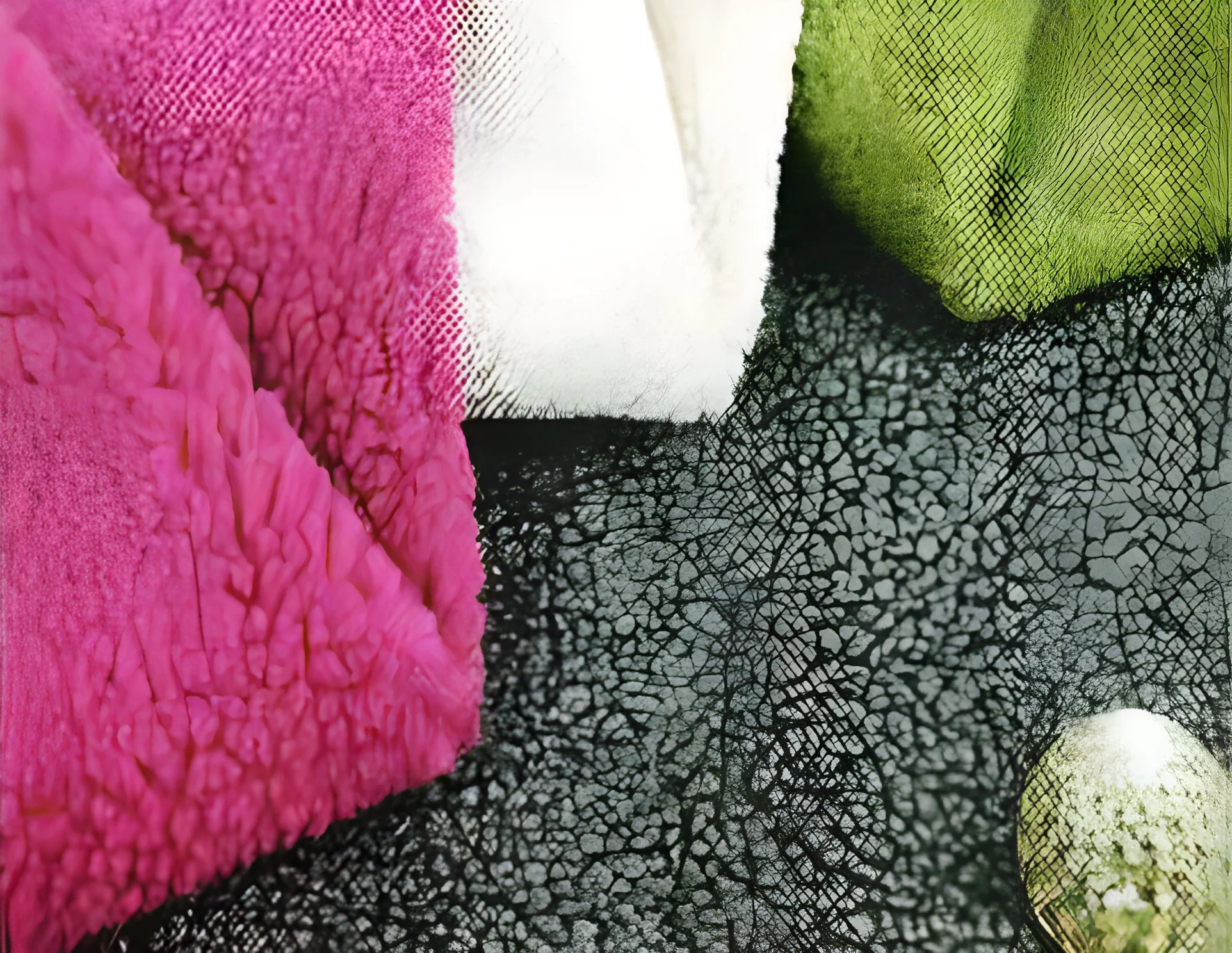
Textured Polyester Fabric
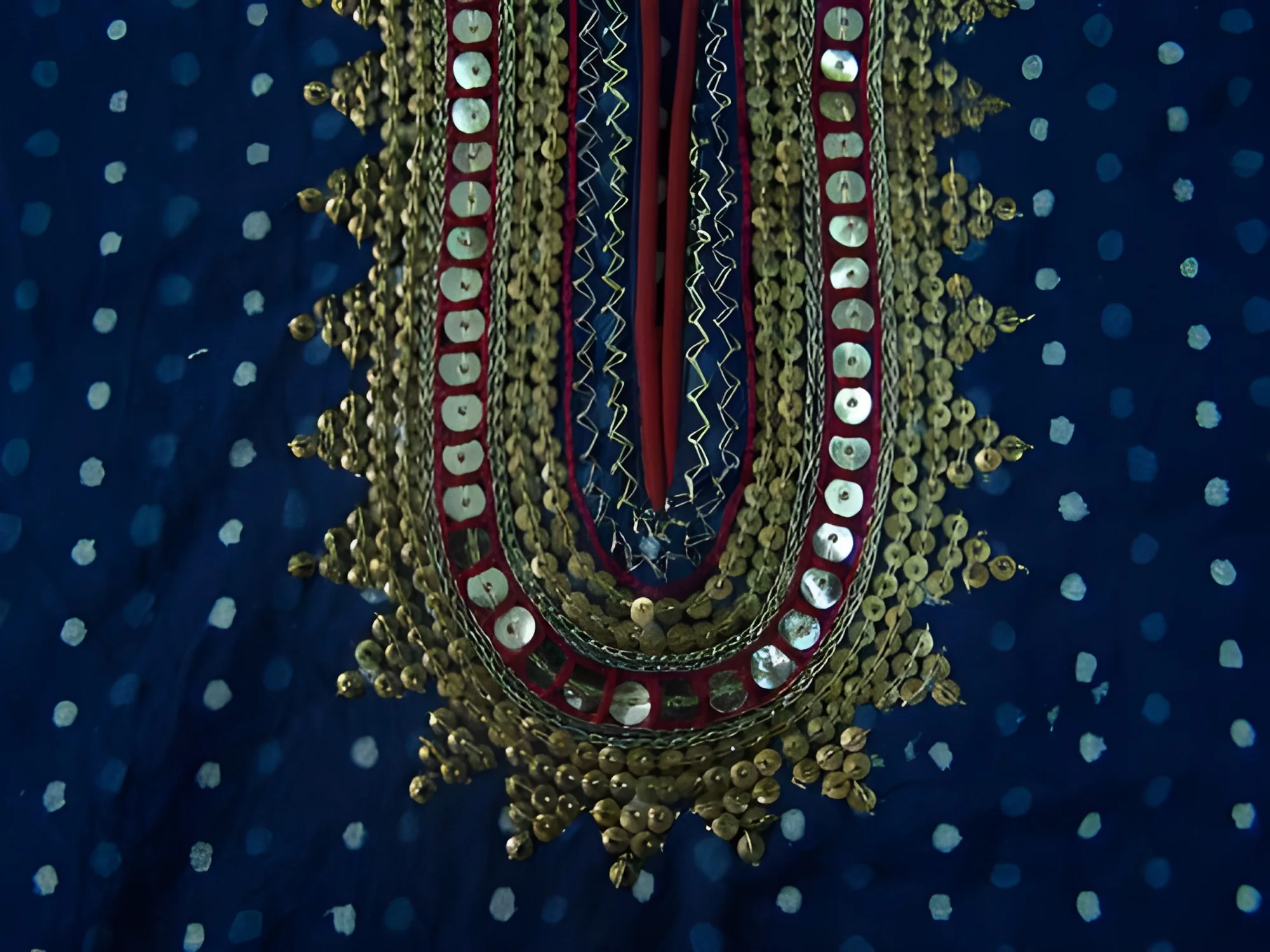
This variant features a unique texture that adds visual interest to garments and upholstery. It is often used for fashion-forward clothing and decorative home items.
Water-Resistant Polyester Fabric
This variant has been treated to enhance its water resistance. It is often used in outdoor gear and clothing, ensuring protection against the elements.
Benefits and Advantages
Plain Polyester Fabric offers numerous advantages that make it a preferred choice for various applications.
1. Durability: The fabric is resistant to wear and tear, making it ideal for high-demand environments.
2. Easy Care: Plain Polyester Fabric is machine washable and quick-drying, simplifying maintenance for consumers and businesses alike.
3. Cost-Effectiveness: Its affordability without compromising quality makes it accessible for large-scale production.
4. Versatile: Available in various colors and weights, it can be tailored to meet specific needs across industries.
5. Lightweight: The fabric's lightweight nature ensures comfort in clothing and ease of handling in industrial applications.
6. Color Retention: High color fastness ensures that products maintain their appearance over time, a crucial factor for customer satisfaction.
Buying Guide for B2B Buyers
When sourcing Plain Polyester Fabric, several factors should be considered to ensure the best decision for your business.
1. Quality Assessment: Evaluate the fabric's weight, durability, and finish to ensure it meets your specific requirements. Samples may be necessary for a thorough assessment.
2. Supplier Verification: It is crucial to vet suppliers for reliability and quality. Look for established companies with a proven track record in the industry.
3. Pricing and MOQ: Understand the pricing structure and minimum order quantities. Bulk orders may offer better pricing, but ensure they align with your production needs.
4. Delivery and Lead Times: Inquire about logistics and expected delivery times to avoid production delays. Timely delivery is essential for maintaining supply chain efficiency.
5. Compliance Requirements: Ensure that the fabric meets industry standards and regulations relevant to your sector, such as safety and environmental considerations.
Compliance and Certifications
Compliance and certifications play a vital role in the textile industry, particularly for Plain Polyester Fabric. Key quality standards include ISO 9001, which ensures quality management systems within manufacturing processes. Additionally, certifications like CE are important as they indicate compliance with European safety regulations.
Safety and testing requirements must also be met, particularly for fabrics intended for use in sensitive applications, such as healthcare or children's apparel. Regional compliance considerations vary, and it is essential to be aware of local regulations governing textile materials.
Why Source Plain Polyester Fabric from Pepagora?
Pepagora provides a trusted platform for sourcing Plain Polyester Fabric with several key advantages that cater to B2B buyers.
Verified Supplier Network: Pepagora connects buyers with a robust network of verified suppliers. This ensures that businesses can source high-quality materials with confidence.
Streamlined RFQ Process: The request for quotation (RFQ) process is user-friendly, allowing buyers to easily compare offers from multiple suppliers. This efficiency helps in making informed purchasing decisions.
Trade Assurance and Support: Pepagora offers buyer protection through trade assurance, ensuring that transactions are secure and that buyers receive the products as expected.
Regional Coverage: With a strong presence in India, the GCC, and Southeast Asia, Pepagora provides extensive geographic reach, making it easier for businesses to source materials in their preferred regions.

 IN
IN