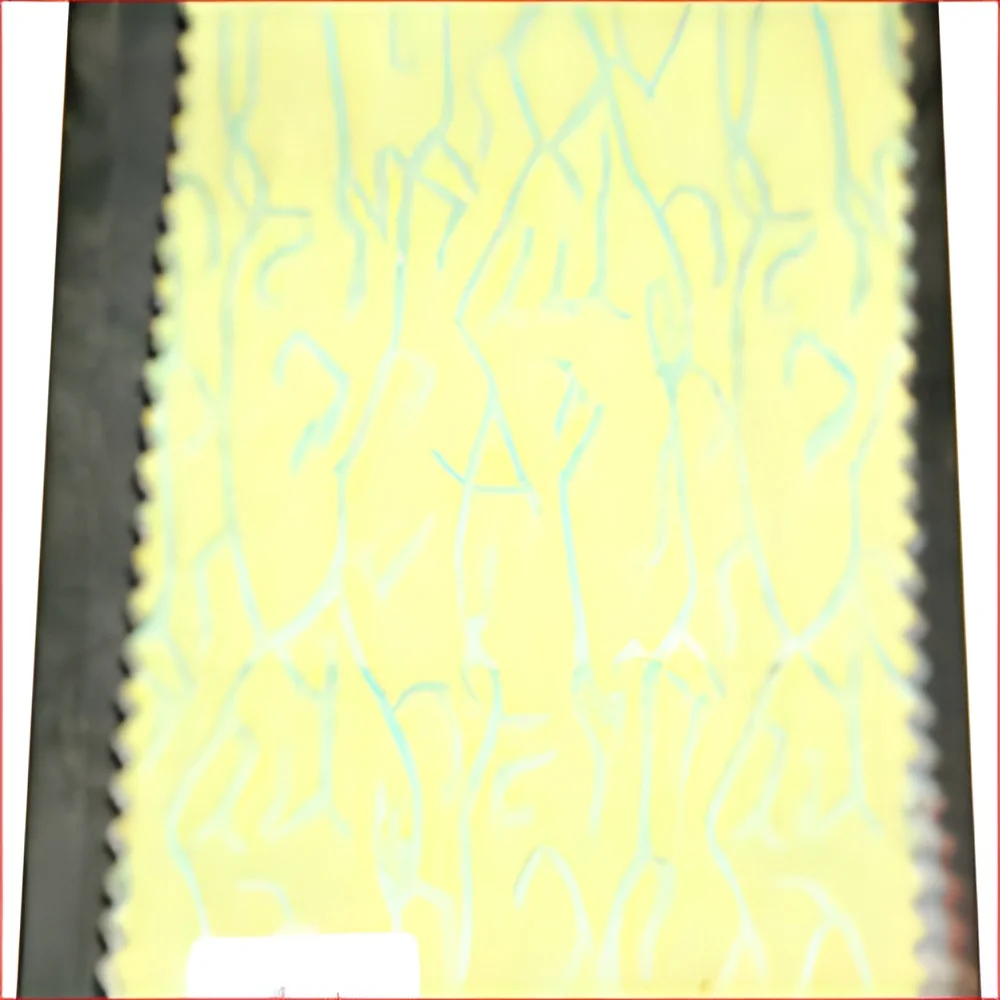
What are Microfiber Polyester Fabric?
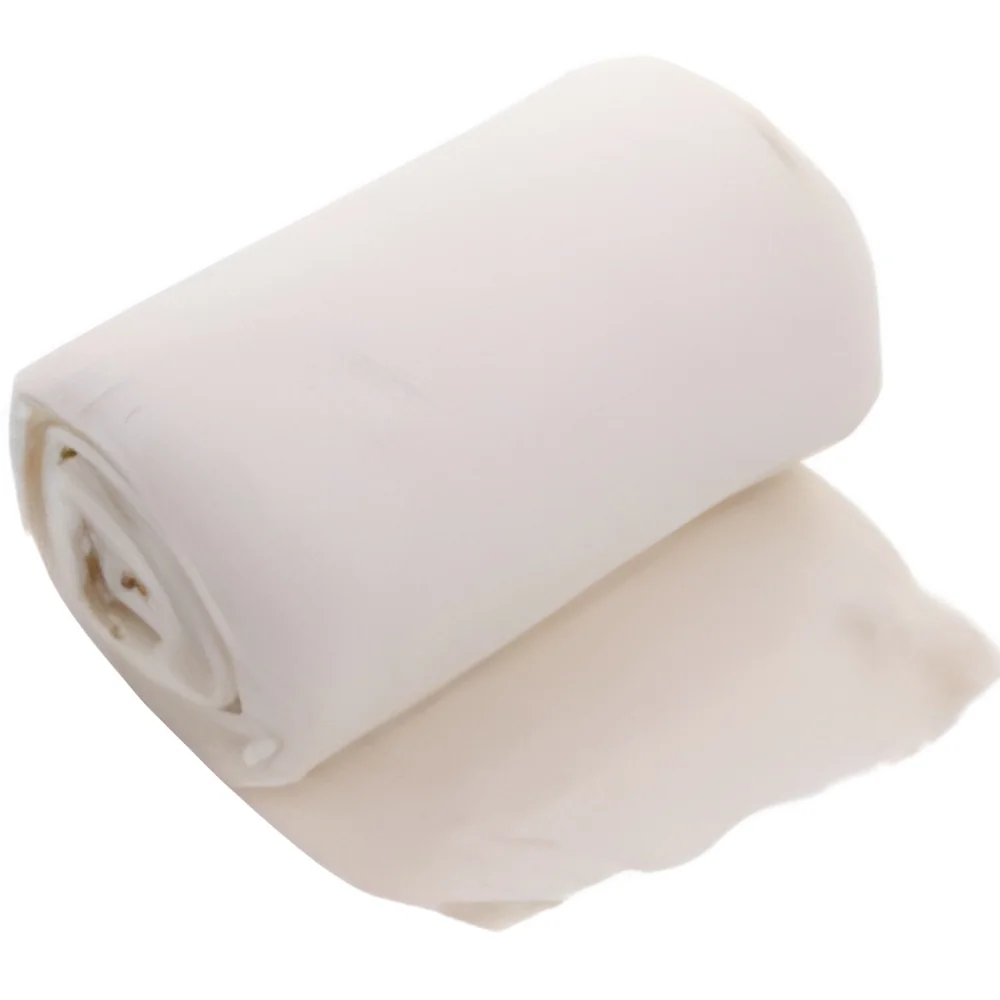
Microfiber polyester fabric is a synthetic textile composed of very fine polyester fibers, typically less than one denier in thickness. This unique structure enables the fabric to possess exceptional softness, durability, and absorbency. The fibers are tightly woven, creating a dense material that is lightweight yet strong. Microfiber polyester is often used in various applications due to its versatility and performance characteristics.
This fabric is commonly utilized in industries such as textiles, upholstery, automotive, and cleaning products. For instance, it is popular in making cleaning cloths due to its ability to trap dust and dirt effectively. Additionally, it is used in clothing and accessories, providing comfort and durability. As businesses seek high-quality materials that offer both functionality and aesthetic appeal, microfiber polyester fabric has gained significant traction in the market.
The relevance of microfiber polyester fabric in today's industries cannot be overstated. As companies continue to prioritize sustainability and performance in their product offerings, microfiber polyester stands out as a reliable choice. Its adaptability to various manufacturing processes and end-use applications makes it a sought-after material in the competitive B2B landscape.
Key Features and Specifications
Microfiber polyester fabric is characterized by a range of features that enhance its appeal for industrial applications. Its unique properties make it suitable for various uses while maintaining performance standards. Below are some key specifications that define this fabric.
Key specifications include:
1. Fiber Density
- Microfiber polyester typically has a high fiber density.
- This contributes to its strength and durability, making it resistant to wear.
2. Water Absorbency
- The fabric has excellent water absorbency properties.
- It can absorb several times its weight in liquid, making it ideal for cleaning applications.
3. Softness and Comfort
- The fabric is exceptionally soft and comfortable against the skin.
- This feature makes it suitable for clothing and upholstery.
4. Chemical Resistance
- Microfiber polyester is resistant to various chemicals.
- It can withstand cleaning agents and other industrial chemicals without degrading.
5. Color Fastness
- The fabric maintains vibrant colors over time.
- This property ensures that products made from microfiber polyester remain visually appealing.
6. Lightweight
- Microfiber polyester is lightweight yet strong.
- It is easy to handle and transport, making it ideal for various applications.
In summary, the key features and specifications of microfiber polyester fabric position it as a versatile and high-performance material, suitable for a wide range of industries.
Common Applications and Use Cases
Microfiber polyester fabric serves various industries, showcasing its versatility and utility. Its applications are broad and impactful.
1. Automotive: Microfiber is often used in automotive upholstery and cleaning products. Its excellent absorbency makes it ideal for detailing and maintaining vehicle interiors.
2. Textiles: In the fashion industry, microfiber polyester is utilized for clothing and accessories, offering comfort and durability in everyday wear.
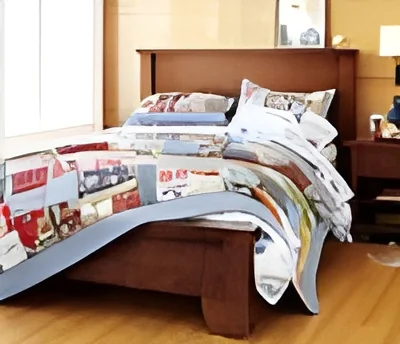
3. Home Furnishings: This fabric is popular in upholstery and bedding products. Its softness and aesthetic appeal enhance interior decor.
4. Cleaning Products: Microfiber cloths are widely used in the cleaning sector due to their ability to capture dust and dirt without scratching surfaces.
5. Sportswear: The moisture-wicking properties of microfiber make it a preferred choice for athletic apparel, keeping wearers dry during physical activities.
6. Hospitality: Hotels and restaurants use microfiber polyester for linens and cleaning supplies due to its durability and ease of maintenance.
7. Medical: Microfiber is increasingly used in medical textiles for its hypoallergenic properties and ease of cleaning.
Product Variants and Subcategories
Microfiber polyester fabric is available in various forms, catering to diverse industry needs. Each variant offers unique features tailored for specific applications.
Microfiber Cleaning Cloths
These cloths are designed for optimal cleaning performance. They are highly absorbent and effective at trapping dirt and dust, making them ideal for both household and industrial cleaning tasks.
Microfiber Upholstery Fabric
This variant is specifically engineered for use in furniture and automotive interiors. It combines durability with a soft feel, providing both comfort and style in seating applications.
Microfiber Apparel
Microfiber polyester is also used in clothing, particularly in activewear. Its lightweight and moisture-wicking properties make it suitable for sports and outdoor activities.
Benefits and Advantages
Microfiber polyester fabric offers numerous advantages that make it a preferred choice across various industries.
Key benefits include:
1. Durability: Microfiber polyester is designed to withstand wear and tear, providing longevity in products made from the fabric.
2. Versatility: The fabric can be adapted for numerous applications, from cleaning products to clothing, making it a multi-functional material.
3. Eco-Friendly: Many microfiber products are designed to be reusable, reducing waste in comparison to single-use alternatives.
4. Easy Maintenance: Microfiber polyester is easy to clean and maintain, often requiring less effort to keep in good condition.
5. Cost-Effective: The durability and versatility of microfiber polyester can lead to cost savings for businesses in the long run.
Buying Guide for B2B Buyers
When sourcing microfiber polyester fabric, it is essential for B2B buyers to consider several factors that can impact their purchasing decisions.
1. Quality Assessment: Evaluate the quality of the fabric by checking for certifications and conducting physical inspections. Look for consistency in texture and color.
2. Supplier Verification: Vet suppliers thoroughly by reviewing their reputation and history in the industry. Confirm their ability to meet your specific requirements.
3. Pricing and MOQ: Be aware of the pricing structures and minimum order quantities (MOQ) set by suppliers. This will help in budgeting and planning your procurement strategy.
4. Delivery and Lead Times: Discuss delivery options with suppliers and understand their lead times. This information is crucial for managing inventory and meeting project deadlines.
5. Compliance Requirements: Ensure that the fabric meets any relevant regulatory standards and compliance requirements in your region or industry.
Compliance and Certifications
Microfiber polyester fabric is subject to various quality standards and certifications that assure its safety and efficacy.
Relevant quality standards such as ISO 9001 ensure that manufacturers adhere to consistent quality management practices. This certification demonstrates a commitment to quality at every stage of production.
Additionally, industry certifications like CE indicate that the fabric meets European health, safety, and environmental protection standards. This is particularly important for products used in sensitive environments.
Safety and testing requirements are also critical. Fabrics should undergo rigorous testing to ensure they are free from harmful substances and safe for use in clothing and household items.
Regional compliance considerations may vary. Buyers should familiarize themselves with local regulations regarding textiles to ensure that their purchases align with compliance needs.
Why Source Microfiber Polyester Fabric from Pepagora?
Pepagora provides a trusted platform for sourcing microfiber polyester fabric with several key advantages that cater to B2B buyers.
Verified Supplier Network: Pepagora offers access to a network of verified suppliers. This ensures that businesses can find reliable partners who meet their quality and service expectations.
Streamlined RFQ Process: The platform simplifies the request for quotation (RFQ) process. This allows buyers to easily compare quotes from different suppliers, making informed purchasing decisions.
Trade Assurance and Support: Pepagora provides trade assurance to protect buyers, ensuring that transactions are secure and that products meet agreed-upon specifications.
Regional Coverage: With a strong presence in India, the Gulf Cooperation Council (GCC), and Southeast Asia, Pepagora enables businesses to source microfiber polyester fabric from a wide geographic area, enhancing accessibility and convenience.

 IN
IN