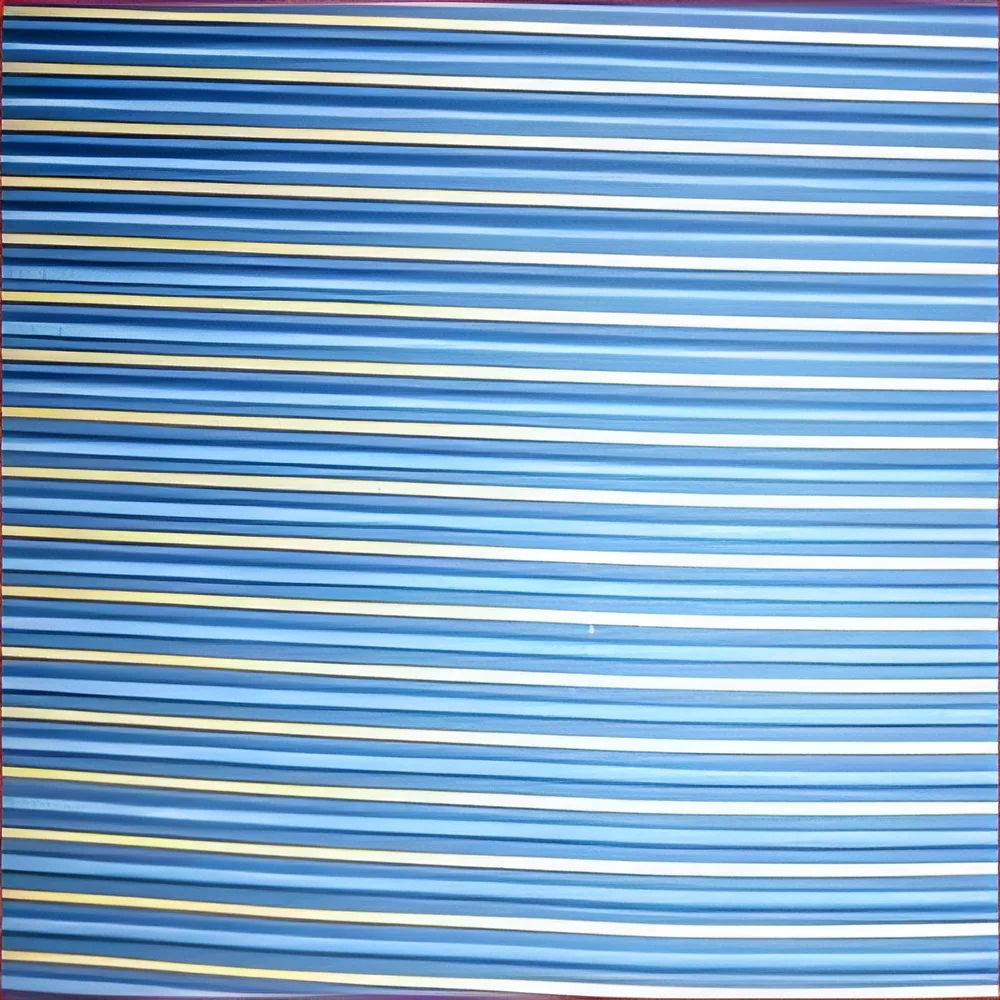
What are Printed Polyester Fabric?
Printed polyester fabric is a synthetic textile made from polyester fibers that have been treated with dyes or inks to create patterns and designs. This type of fabric is known for its durability, vibrant colors, and resistance to shrinking and wrinkling. The printing process can involve various techniques, including digital printing, screen printing, and heat transfer, allowing for a wide range of customization options.
Businesses utilize printed polyester fabric in numerous applications, particularly in fashion, home décor, and industrial sectors. It is commonly used for making garments, banners, upholstery, and promotional materials. The fabric's ability to hold intricate designs makes it popular in the textile industry, where visual appeal is essential for branding and merchandising. As the market for customized textiles grows, printed polyester fabric continues to gain relevance in various industries, ensuring high-quality and aesthetically pleasing products.
Key Features and Specifications
Printed polyester fabric boasts a variety of features that make it suitable for diverse applications. Its inherent properties, combined with the printing capabilities, contribute to its popularity among manufacturers and designers.
Key specifications include:
1. Durability
- High resistance to wear and tear
- Long lifespan in various environments
2. Colorfastness
- Retains vibrancy even after multiple washes
- Resistant to fading from UV exposure
3. Weight
- Available in different weights for specific applications
- Common weight ranges from lightweight (around 100 GSM) to heavyweight (up to 300 GSM)
4. Width
- Standard widths typically range from 54 to 60 inches
- Custom widths available upon request
5. Print Techniques
- Compatible with various printing methods, such as dye-sublimation and screen printing
- Allows for intricate designs and vibrant color reproduction
6. Care Instructions
- Machine washable and quick-drying
- Easy to maintain with minimal care requirements
7. Flame Resistance
- Certain variants available with flame-retardant properties
- Meets specific safety standards based on application needs
8. Eco-friendliness
- Some products made from recycled polyester
- Reduces environmental impact compared to conventional fabrics
In summary, printed polyester fabric is versatile and customizable, making it a favorable choice across various industries due to its durability, aesthetic appeal, and practical features.
Common Applications and Use Cases
Printed polyester fabric serves various industries with its adaptability and functionality.
1. Fashion and Apparel: Used for creating vibrant clothing lines, including dresses, activewear, and accessories. The fabric's colorfastness ensures designs remain appealing over time.
2. Home Décor: Popular for upholstery, curtains, and decorative pillows. Its durability and easy maintenance make it ideal for residential and commercial furnishings.
3. Advertising and Promotion: Commonly used for banners, flags, and promotional materials. The ability to print high-resolution graphics enhances brand visibility.
4. Sportswear: Ideal for team uniforms and athletic gear due to its moisture-wicking properties and flexibility. It provides comfort during physical activities.
5. Interior Design: Employed in upholstery and wall coverings to create unique environments. The variety of prints available allows for personalized interior aesthetics.
6. Packaging: Utilized in creating custom packaging solutions. Its strength and print quality enhance product presentation.
7. Event Decor: Frequently used in event planning for tablecloths, backdrops, and signage. The fabric’s lightweight nature makes it easy to transport and set up.
Product Variants and Subcategories
Printed polyester fabric is available in various forms, catering to different market needs.
Lightweight Printed Polyester
This variant is ideal for summer clothing and lightweight banners. Its breathable nature makes it suitable for comfortable wear, while its print quality ensures vibrant designs.
Heavyweight Printed Polyester
Designed for applications requiring durability, such as outdoor banners and upholstery. This variant provides excellent resistance to wear and environmental factors.
Water-Repellent Printed Polyester
This variant is treated to resist moisture, making it suitable for outdoor uses. It is commonly employed in activewear and outdoor event materials.
Stretch Printed Polyester
Offering elasticity, this variant is popular in fashion and performance apparel. It allows for freedom of movement while maintaining a stylish appearance.
Benefits and Advantages
Choosing printed polyester fabric offers numerous benefits that enhance its appeal across sectors.
1. Versatility: Suitable for a wide range of applications, from fashion to industrial uses. Its adaptability makes it a go-to choice for many businesses.
2. Cost-Effectiveness: Generally more affordable than natural fibers while offering similar aesthetic qualities. This cost advantage appeals to budget-conscious organizations.
3. Easy Maintenance: Machine washable and quick-drying properties simplify care. This convenience is especially beneficial for businesses with high turnover of fabric items.
4. Customization: Available in various prints and colors, allowing for unique branding opportunities. Companies can easily create distinctive products that stand out.
5. Moisture Management: Many variants feature moisture-wicking properties, enhancing comfort for end-users in active settings. This functionality is essential for apparel and sportswear.
6. Eco-Friendly Options: Some printed polyester fabrics are produced from recycled materials. This sustainability aspect is increasingly important to consumers and businesses looking to reduce their environmental footprint.
Buying Guide for B2B Buyers
When sourcing printed polyester fabric, it is essential for B2B buyers to consider several critical factors to ensure a successful purchase.
1. Quality Assessment: Evaluate the fabric's durability, print quality, and overall finish. Understanding the intended use can guide the selection of the right type and weight of fabric.
2. Supplier Verification: Vet potential suppliers for reliability, production capabilities, and customer reviews. Established suppliers often have a track record of meeting industry standards.
3. Pricing and MOQ: Be aware of the pricing structure and minimum order quantities (MOQ). Understanding these elements can help in budgeting and inventory management.
4. Delivery and Lead Times: Confirm logistics and expected delivery times. Reliable suppliers should provide clear timelines to ensure timely project completion.
5. Compliance Requirements: Ensure the fabric meets relevant safety and regulatory standards. Depending on the application, different certifications may be necessary.
Compliance and Certifications
Printed polyester fabric must adhere to various quality standards and industry certifications to ensure safety and reliability.
Quality standards such as ISO 9001 are crucial for manufacturers to demonstrate consistent quality management practices. This certification indicates a commitment to maintaining high standards throughout the production process.
Industry certifications, such as CE marking, are vital for fabrics used in specific applications, especially in Europe. This certification assures buyers that the product meets health, safety, and environmental protection standards.
Safety and testing requirements are also important, particularly for fabrics used in apparel and home goods. Compliance with these requirements helps reduce risks associated with flammability and chemical exposure.
Regional compliance considerations may vary, depending on the market. Buyers should be aware of local regulations that could impact sourcing decisions and product viability.
Why Source Printed Polyester Fabric from Pepagora?
Pepagora provides a trusted platform for sourcing printed polyester fabric, offering several key advantages that benefit B2B buyers.
Verified Supplier Network: Pepagora maintains a network of vetted suppliers, ensuring that buyers receive quality products from reliable sources. This verification process helps mitigate risks associated with sourcing.
Streamlined RFQ Process: The platform features a user-friendly request for quotation (RFQ) system, simplifying the process of obtaining pricing and product information. This efficiency saves time and enhances decision-making.
Trade Assurance and Support: Pepagora offers trade assurance programs designed to protect buyers throughout the purchasing process. This added layer of security builds confidence in transactions.
Regional Coverage: With a presence in India, the GCC, and Southeast Asia, Pepagora provides extensive geographic reach. This coverage allows buyers to connect with suppliers across multiple regions, ensuring access to diverse products and competitive pricing.

 IN
IN