
 IN
Nylon Net Fabric
5 products available
What are Nylon Net Fabric?
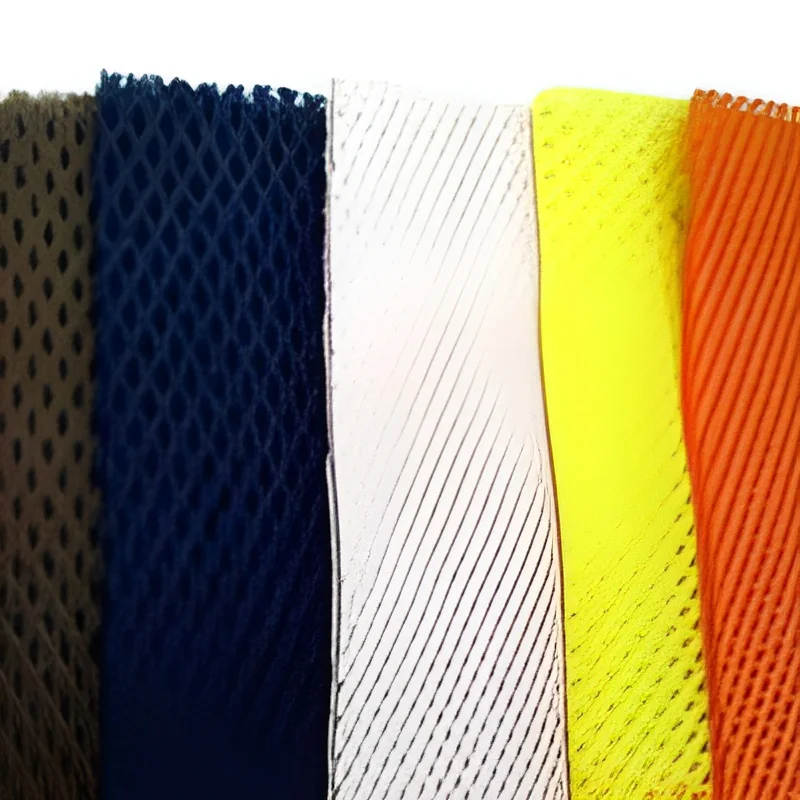
Nylon net fabric is a versatile textile made from nylon fibers, characterized by its lightweight and durable properties. This fabric is woven into a mesh structure, allowing for breathability and flexibility. The unique combination of strength and elasticity makes nylon net fabric an ideal choice for various applications across multiple industries.
The primary uses of nylon net fabric range from industrial applications to recreational purposes. It is commonly employed in the manufacturing of safety nets, medical supplies, and packaging materials. Additionally, it serves as an important component in agricultural products like insect nets and shade cloths. With its ability to withstand harsh conditions, nylon net fabric is particularly relevant in sectors that require reliable and long-lasting materials.
In the current market context, the demand for nylon net fabric continues to grow. Industries are increasingly recognizing the benefits of using this high-performance material for a variety of products. As sustainability becomes a key focus, the durability and longevity of nylon net fabric position it as a favorable option for businesses looking to reduce waste and improve their operational efficiency.
Key Features and Specifications
Nylon net fabric boasts an array of features that make it suitable for diverse applications. Its inherent properties include resistance to abrasion, UV light, and chemicals. These attributes contribute to the fabric's longevity and performance in demanding environments.
Key specifications include:
1. Fiber Composition
- Made primarily from nylon, providing strength and flexibility.
- Suitable for various mesh sizes depending on the application.
2. Mesh Density
- Available in different mesh sizes, influencing airflow and visibility.
- Common options include fine, medium, and coarse mesh.
3. Weight
- Lightweight options available, facilitating ease of handling and installation.
- Typically ranges from 50 to 300 grams per square meter.
4. UV Resistance
- Engineered to resist degradation from ultraviolet exposure.
- Ideal for outdoor applications where sun exposure is a factor.
5. Chemical Resistance
- Resistant to many chemicals, making it suitable for industrial environments.
- Can withstand exposure to oils, solvents, and other harsh substances.
6. Color Options
- Available in a variety of colors to meet aesthetic and functional needs.
- Custom dyeing options may be available based on order volume.
7. Stretchability
- Exhibits excellent elasticity, allowing for flexibility in various applications.
- Can be stretched without losing integrity.
8. Compliance Standards
- Adheres to specific industry standards, ensuring quality and safety.
- Certifications such as CE may apply depending on the application.
In summary, nylon net fabric combines durability, flexibility, and resistance to environmental factors, making it a valuable resource for businesses across many sectors.
Common Applications and Use Cases
Nylon net fabric serves various industries, highlighting its adaptability and utility.
1. Agriculture: Used in the production of insect nets, shade cloths, and crop protection systems. It helps in pest control while allowing sunlight and air to reach plants.
2. Construction: Employed for safety nets and protective barriers at construction sites. This ensures worker safety by preventing falls and debris injuries.
3. Medical: Utilized in medical applications such as surgical drapes and sterilization covers. Its lightweight, breathable nature aids in patient comfort and hygiene.
4. Packaging: Serves as a reliable material for packaging goods that require visibility and ventilation. It is often used for produce bags and other retail packaging solutions.
5. Sports: Found in equipment like goal nets and protective gear. The fabric’s strength ensures safety and performance in athletic applications.
6. Filtration: Used in various filtration systems for air and liquids. The mesh structure allows for efficient filtering while maintaining airflow.
7. Marine: Employed in products like fishing nets and boat covers. Its resistance to water and UV light makes it suitable for marine environments.
Product Variants and Subcategories
Nylon net fabric comes in various forms to meet specific needs and applications.
Lightweight Nylon Net
This variant is designed for applications that require minimal weight without compromising strength. It is ideal for use in agriculture and packaging, where ease of handling is crucial.
Heavy-Duty Nylon Net
Engineered for high-stress applications, this variant offers enhanced durability and resistance. It is frequently utilized in construction safety nets and industrial applications.
Custom-Made Nylon Net
Businesses can request custom specifications based on unique project requirements. This variant can be tailored in terms of mesh size, weight, and color to suit specific applications.
Benefits and Advantages
Nylon net fabric offers numerous benefits that enhance its appeal to B2B buyers.
1. Durability: Designed to withstand wear and tear, making it a cost-effective solution for long-term use.
2. Versatility: Its adaptability allows it to be used across various industries, catering to diverse applications.
3. Lightweight: Facilitates easy handling and installation, reducing labor costs and time.
4. Resistance: Offers protection against UV light, chemicals, and abrasion, ensuring longevity and reliability.
5. Breathability: The mesh structure provides airflow, which is beneficial in agricultural and medical applications.
6. Customization: Available in different sizes, colors, and specifications, allowing businesses to tailor orders to their specific needs.
Buying Guide for B2B Buyers
When sourcing nylon net fabric, it is essential to consider several factors to ensure the best purchase decision.
1. Quality Assessment: Evaluate the fabric's durability, strength, and resistance to environmental conditions. Request samples to verify performance before placing bulk orders.
2. Supplier Verification: Research and vet suppliers to ensure they have a proven track record of delivering high-quality products. Look for certifications that demonstrate compliance with industry standards.
3. Pricing and MOQ: Compare pricing among suppliers, considering the minimum order quantity (MOQ) required for bulk purchases. Balance cost with quality to make informed decisions.
4. Delivery and Lead Times: Confirm delivery schedules and lead times to ensure timely fulfillment of orders. Discuss logistics to avoid delays in production.
5. Compliance Requirements: Understand the regulatory standards that apply to your industry and ensure that the nylon net fabric meets these requirements. Compliance with safety and quality standards is crucial for operational success.
Compliance and Certifications
Nylon net fabric is subject to various compliance and certification standards that ensure its safety and quality in different applications.
Relevant quality standards such as ISO 9001 are essential for manufacturers to maintain consistent quality management systems. This certification ensures that products meet customer and regulatory requirements.
In addition, specific industries may require adherence to safety standards like HACCP for food-related applications and GDP for medical uses. Compliance with these standards guarantees that the fabric is safe and suitable for its intended purpose.
Industry certifications such as CE indicate that the product meets European safety, health, and environmental protection standards. This certification is particularly important for businesses exporting products to regions with stringent regulations.
Safety and testing requirements must also be met, including assessments for UV resistance, chemical exposure, and tensile strength. Businesses should be aware of regional compliance considerations to ensure that their products align with local regulations.
Why Source Nylon Net Fabric from Pepagora?
Pepagora provides a trusted platform for sourcing nylon net fabric with several key advantages that cater to B2B buyers.
Verified Supplier Network: Pepagora connects buyers with a network of verified suppliers, ensuring that they have access to high-quality materials. This verification process helps to build trust and reliability in the sourcing process.
Streamlined RFQ Process: The Request for Quotation (RFQ) system simplifies the procurement process. Buyers can easily submit their requirements and receive competitive quotes from multiple suppliers, facilitating informed decision-making.
Trade Assurance and Support: Pepagora offers trade assurance and buyer protection, providing peace of mind throughout the purchasing process. This support helps to mitigate risks associated with sourcing.
Regional Coverage: With a strong presence in India, the Gulf Cooperation Council (GCC), and Southeast Asia, Pepagora ensures that buyers can find local suppliers who understand their market needs. This regional coverage enhances the sourcing experience and helps streamline logistics.

Frequently Asked Questions
What are Nylon Net Fabric?
Nylon Net Fabric is a type of textile made from nylon fibers, characterized by its lightweight and breathable qualities. It is commonly used in various applications, including apparel, industrial products, and decorative items due to its durability and flexibility.
What are the different types of Nylon Net Fabric?
Different types of Nylon Net Fabric include sheer nylon nets, heavy-duty nylon nets, and specialty nylon nets designed for specific applications. Each type varies in weight, mesh size, and purpose, catering to diverse needs in the textile market.
How do I choose the right Nylon Net Fabric?
Choosing the right Nylon Net Fabric depends on the intended use, desired durability, and specific requirements such as mesh size and weight. It is advisable to consult with suppliers to understand the characteristics of different fabrics before making a selection.
What are the standard specifications for Nylon Net Fabric?
Standard specifications for Nylon Net Fabric typically include fiber content, weight (measured in grams per square meter), mesh size, and tensile strength. These specifications help in determining the fabric's suitability for various applications.
What is the price range for Nylon Net Fabric?
The price range for Nylon Net Fabric can vary significantly based on quality, type, and supplier. Generally, prices can range from INR 50 to INR 200 per meter, but it is best to request quotes from multiple manufacturers for accurate pricing.
What quality standards apply to Nylon Net Fabric?
Quality standards for Nylon Net Fabric often include tests for tensile strength, abrasion resistance, and colorfastness. Compliance with international standards such as ISO and ASTM may also be required, depending on the application.
Where can I find Nylon Net Fabric suppliers in India?
You can find Nylon Net Fabric suppliers in India through online B2B marketplaces like Pepagora, trade shows, and industry directories. It is advisable to verify supplier credentials and product quality before making a purchase.
Can Nylon Net Fabric be customized?
Yes, Nylon Net Fabric can often be customized in terms of color, mesh size, and weight according to specific customer requirements. Many manufacturers offer customization options to meet the diverse needs of their clients.
What is the typical minimum order quantity for Nylon Net Fabric?
The typical minimum order quantity (MOQ) for Nylon Net Fabric can vary by supplier but usually ranges from 50 to 100 meters. It's advisable to discuss MOQs with potential suppliers to ensure they meet your purchasing needs.
What is the typical lead time for Nylon Net Fabric?
The typical lead time for Nylon Net Fabric can range from 2 to 4 weeks, depending on the supplier and whether the fabric is in stock or requires customization. It is important to confirm lead times when placing an order.
Why Businesses Trust Pepagora
Thousands of companies trust Pepagora to source smarter and sell faster
Expand Your Sales Globally

Source Smarter,Grow Faster
