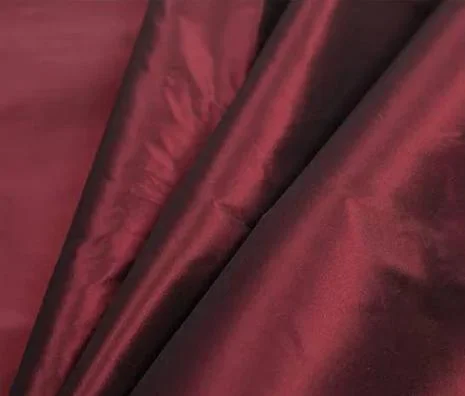
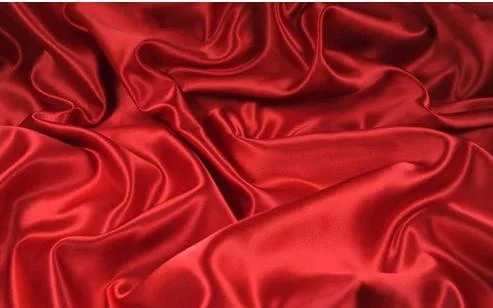
What are Nylon Taffeta Fabric?
Nylon Taffeta Fabric is a lightweight, durable, and versatile textile made from nylon fibers. It is known for its smooth texture and crisp finish, which makes it an attractive option for various applications. The fabric is woven in a way that creates a fine, dense structure, providing a degree of water resistance. This property makes it suitable for products that require some level of protection from moisture.
The primary uses of Nylon Taffeta Fabric span across multiple industries. It is commonly used in the manufacturing of apparel, such as jackets and linings, as well as in outdoor gear like tents and backpacks. The fabric's resilience and lightweight nature make it ideal for products that need to withstand wear and tear while remaining easy to carry or wear. In the current market, Nylon Taffeta is relevant due to the increasing demand for high-performance materials in both fashion and functional applications.
Key Features and Specifications
Nylon Taffeta Fabric offers a range of features that make it suitable for various industrial applications. Its unique properties include durability, water resistance, and a lightweight construction. The fabric is also available in different finishes and coatings, which can enhance its performance characteristics.
Key specifications include:
1. Fabric Weight
- Typical weights range from 30 to 100 grams per square meter
- Lighter weights are suitable for linings while heavier weights are used for more durable applications
2. Width
- Common widths range from 54 to 60 inches
- Wider options may be available for specific industrial needs
3. Finish
- Options include water-resistant coatings and UV protection
- Custom finishes can enhance durability for outdoor use
4. Color Options
- Available in a wide array of colors
- Custom dyeing services are often offered
5. Tear Strength
- High tear strength ratings ensure durability in demanding environments
- Typical ratings are 30 to 50 Newtons
6. Abrasion Resistance
- Fabrics are tested for abrasion resistance
- Standards often exceed 50,000 rubs
7. Flame Retardancy
- Certain variants can be treated for flame resistance
- Compliance with specific safety standards may be required
In summary, Nylon Taffeta Fabric combines lightweight construction with durability and versatility, making it a preferred choice in various industrial applications.
Common Applications and Use Cases
Nylon Taffeta Fabric is utilized across a wide range of industries due to its favorable properties.
1. Apparel: The fabric is widely used in the production of jackets, skirts, and linings due to its lightweight and smooth finish.
2. Outdoor Gear: Manufacturers of tents, sleeping bags, and backpacks favor Nylon Taffeta for its water-resistant qualities and durability.
3. Upholstery: It is also used in furniture upholstery, providing a sleek look while being easy to clean and maintain.
4. Accessories: Fashion accessories, including handbags and wallets, often incorporate Nylon Taffeta for its lightweight nature and vibrant colors.
5. Sporting Goods: Items such as windbreakers and sports bags utilize this fabric for its performance characteristics and strength.
6. Industrial Applications: The fabric is suitable for various industrial uses, particularly in protective clothing and equipment.
7. Home Textiles: Curtains and decorative items benefit from its aesthetic appeal and functional properties.
Product Variants and Subcategories
Nylon Taffeta Fabric is available in various forms to meet specific customer needs. This diversity allows businesses to select the right variant for their applications.
Water-Resistant Nylon Taffeta
This variant features a special coating that enhances its ability to repel water. It is ideal for outdoor gear and clothing that requires additional protection against moisture.
Lightweight Nylon Taffeta
Designed for use in garments that require a soft feel and minimal weight, this variant is often used in linings and lightweight jackets.
Heavy-Duty Nylon Taffeta
For applications requiring increased durability, this heavier variant offers enhanced tear and abrasion resistance, making it suitable for industrial uses.
Benefits and Advantages
Nylon Taffeta Fabric presents several key advantages for businesses.
1. Durability: The fabric's strong fibers provide excellent durability, making it suitable for a wide range of applications.
2. Lightweight: Its lightweight nature ensures comfort and ease of handling in various products, particularly in apparel and gear.
3. Water Resistance: The inherent water-resistant properties allow products made from this fabric to perform well in wet conditions.
4. Versatility: Nylon Taffeta can be used in multiple industries, from fashion to industrial applications, making it a versatile choice.
5. Customization: Available in various colors and finishes, it can be tailored to specific customer demands and aesthetic preferences.
6. Cost-Effectiveness: Due to its durability and performance, products made from Nylon Taffeta often require less frequent replacement, offering long-term value.
Buying Guide for B2B Buyers
When sourcing Nylon Taffeta Fabric, there are several important factors to consider.
1. Quality Assessment: Evaluate the fabric's weight, tear strength, and finish to ensure it meets your application requirements. Request samples to assess quality before making a larger commitment.
2. Supplier Verification: Ensure that the supplier has a proven track record of reliability and quality. Look for certifications or reviews from previous clients to gauge their reputation.
3. Pricing and MOQ: Understand the pricing structure and minimum order quantities (MOQ) to align with your budget and production needs. Compare prices across suppliers for competitive offers.
4. Delivery and Lead Times: Discuss logistics and anticipated lead times with suppliers to ensure timely delivery. This is critical for maintaining production schedules.
5. Compliance Requirements: Familiarize yourself with any industry-specific regulations or standards that the fabric must comply with, ensuring that your products meet necessary safety and quality benchmarks.
Compliance and Certifications
Nylon Taffeta Fabric is subject to various quality standards and certifications that ensure its safety and performance in industrial applications.
Relevant quality standards include ISO 9001, which outlines requirements for a quality management system, ensuring consistent product quality. Additionally, HACCP principles may apply in contexts where the fabric is used in food-related industries, emphasizing safe production processes.
The fabric may also be certified with CE marking, which indicates compliance with European health, safety, and environmental protection standards. This certification is crucial for products sold in European markets.
Safety and testing requirements are essential to guarantee that the fabric meets industry benchmarks. Testing for properties like flame retardancy and abrasion resistance should be regularly conducted by suppliers.
Regional compliance considerations may vary, so it is essential to verify that the fabric meets local regulations in the regions where it will be used or sold, ensuring all products are compliant with applicable laws.
Why Source Nylon Taffeta Fabric from Pepagora?
Pepagora offers a trusted platform for sourcing Nylon Taffeta Fabric, providing several key advantages to B2B buyers.
The verified supplier network ensures that buyers can access high-quality materials from reputable manufacturers. Rigorous supplier vetting processes mean businesses can trust the quality and consistency of their orders.
The streamlined RFQ process simplifies the procurement experience, allowing buyers to quickly receive quotations and make informed decisions without unnecessary delays.
Trade assurance and support further enhance buyer confidence, as Pepagora provides protection against potential disputes and ensures a smooth transaction process.
Finally, Pepagora's regional coverage in India, the GCC, and Southeast Asia allows businesses to tap into a wide market while ensuring timely delivery and support tailored to local needs.

 IN
IN