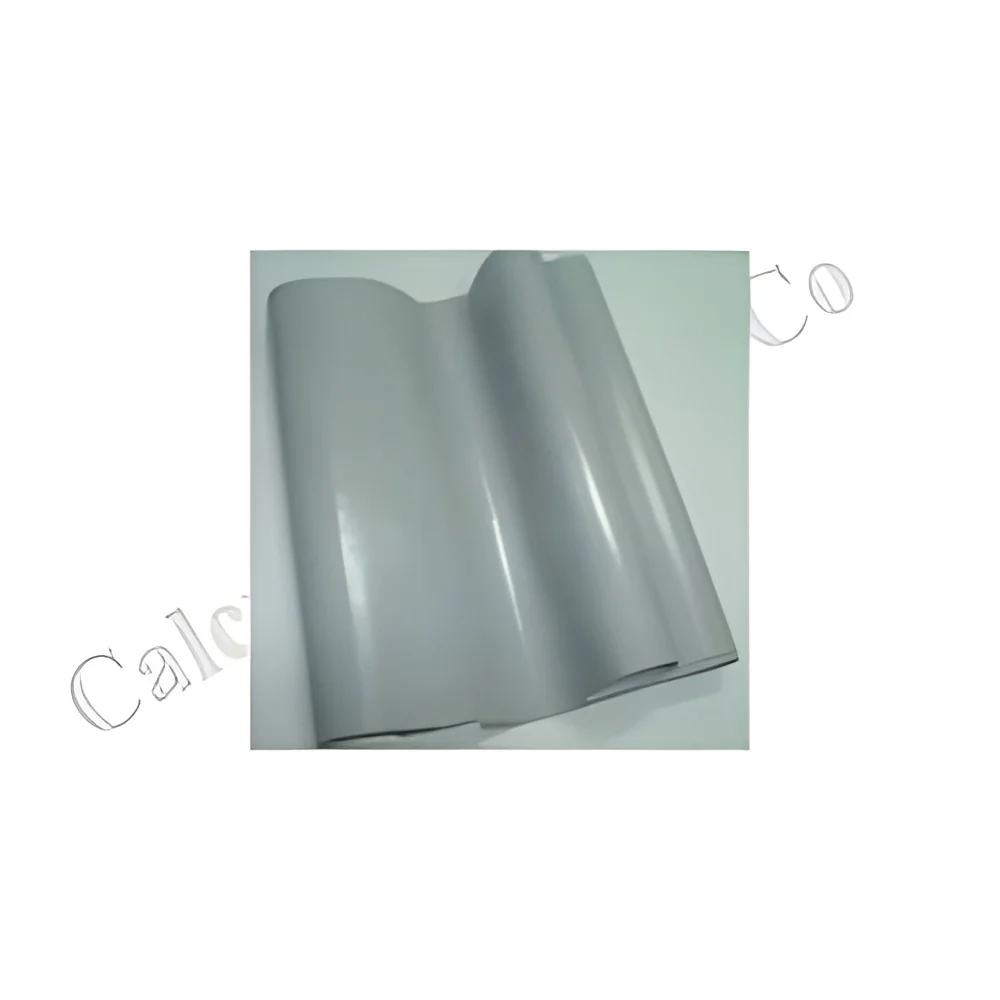
What are Plain Nylon Fabric?
Plain nylon fabric is a versatile textile made from synthetic fibers. It is known for its durability, lightweight nature, and resistance to abrasion. This fabric is produced through the polymerization of nylon fibers, resulting in a smooth, strong material that can be woven into various textures. Plain nylon fabric can be manufactured in different weights and densities, allowing it to be suitable for a wide range of applications.
The primary uses of plain nylon fabric span multiple industries, including apparel, automotive, and home goods. In the fashion industry, it is commonly used for clothing, linings, and accessories due to its lightweight and smooth finish. In the automotive industry, it is utilized for upholstery and seat covers for its durability and ease of maintenance. Additionally, in home goods, it can be found in items such as curtains and upholstery fabrics. The fabric's resilience and adaptability make it an essential component in many business applications.
In terms of market relevance, plain nylon fabric is a staple in the textile industry. Its demand continues to grow due to the increasing need for durable and lightweight materials across various sectors. The fabric's benefits, such as resistance to stains and easy care, have made it a popular choice among manufacturers and consumers alike.
Key Features and Specifications
Plain nylon fabric offers a range of features that make it suitable for diverse applications. Its characteristics include high tensile strength, resistance to wear and tear, and water-repelling qualities. These features ensure that plain nylon fabric is not only durable but also functional in various conditions.
Key specifications include:
1. Fabric Weight
- Typically ranges from lightweight (30-70 grams per square meter) to medium weight (70-150 grams per square meter).
- The weight affects the fabric's applications, with lighter fabrics suitable for garments and heavier weights used for industrial applications.
2. Weave Type
- Commonly available in plain weave, which offers a smooth and flat surface.
- Variations may include ripstop and satin weaves that provide different textures and strengths.
3. Width
- Standard widths range from 36 inches to 60 inches.
- Wider rolls are often used for larger projects, reducing the need for seams.
4. Color Options
- Available in a wide spectrum of colors and patterns.
- Custom dyeing options may be available for specific business needs.
5. Water Resistance
- Can be treated for enhanced water resistance.
- Ideal for outdoor applications and products exposed to moisture.
6. UV Resistance
- Some variants offer UV protection, preventing fading and degradation.
- Particularly useful for outdoor fabrics and tents.
7. Flame Retardant Options
- Certain types are treated to be flame retardant.
- Essential for applications requiring compliance with safety standards.
8. Certifications
- Certified under CE standards for safety and quality.
- Compliance with relevant industry regulations enhances marketability.
In summary, plain nylon fabric is characterized by its durability, versatility, and range of specifications that cater to various industrial requirements.
Common Applications and Use Cases
Plain nylon fabric is utilized across multiple industries due to its adaptable nature and functional characteristics.
1. Apparel: In the clothing industry, it is used for lightweight jackets, linings, and sportswear, providing comfort and style.
2. Automotive: The fabric is employed in car interiors for seat covers and trims, combining durability with aesthetic appeal.
3. Outdoor Gear: It is commonly found in tents, backpacks, and outdoor clothing due to its strength and water resistance.
4. Home Textiles: Plain nylon fabric is used for curtains, upholstery, and bed linens, offering a modern and easy-to-maintain option.
5. Industrial Applications: Its robustness makes it suitable for industrial uses, including tarpaulins and safety gear.
6. Sporting Goods: The fabric is popular in the production of kites, parachutes, and sports equipment, where lightweight and strength are crucial.
7. Medical Supplies: In the healthcare sector, it is used for surgical gowns and drapes, meeting hygiene and durability standards.
Product Variants and Subcategories
Plain nylon fabric comes in various forms to meet specific market needs. While there are no defined subcategories, different variants cater to distinct applications.
Lightweight Nylon Fabric
This variant is ideal for garments that require breathability and comfort, such as summer wear and activewear. It is often chosen for its softness and ease of movement.
Heavy-Duty Nylon Fabric
Designed for industrial applications, this variant boasts increased tensile strength and durability. It is used in products requiring high performance, such as outdoor gear and tarpaulins.
Coated Nylon Fabric
This variant features a coating that enhances water resistance and durability, making it suitable for outdoor applications like tents and rain gear.
Benefits and Advantages
Plain nylon fabric offers several key benefits that make it a preferred choice among manufacturers and consumers.
1. Durability: The fabric is resistant to abrasion, tears, and fraying, ensuring long-lasting use in various applications.
2. Lightweight: Its lightweight nature makes it easy to handle and transport, reducing shipping costs for businesses.
3. Easy Care: Plain nylon fabric is machine washable and quick-drying, making it easy to maintain for both consumers and manufacturers.
4. Versatility: Its adaptability allows it to be used in a wide range of products, from clothing to industrial applications.
5. Water Resistance: Treated variants provide excellent water resistance, making them suitable for outdoor and marine applications.
6. Cost-Effective: Plain nylon fabric is often more affordable compared to other materials, providing a cost-effective solution for manufacturers.
Buying Guide for B2B Buyers
When sourcing plain nylon fabric, it is essential to consider several key factors to ensure quality and suitability for your applications.
1. Quality Assessment: Examine the fabric's weight, weave, and finish to determine its appropriateness for your specific needs. Request samples to evaluate the texture and performance.
2. Supplier Verification: It is crucial to vet suppliers for reliability and quality assurance. Look for suppliers with industry certifications and positive customer reviews.
3. Pricing and MOQ: Understand the pricing structure and minimum order quantities (MOQ) that suppliers offer. Compare quotes to ensure you receive competitive pricing.
4. Delivery and Lead Times: Discuss logistics and delivery times with suppliers to ensure timely receipt of materials. Factor in potential delays in production or shipping.
5. Compliance Requirements: Ensure that the fabric meets relevant regulatory standards and certifications, especially for industries such as automotive and healthcare.
Compliance and Certifications
Plain nylon fabric must adhere to various quality standards and certifications to ensure safety and efficacy in its applications. Key standards include ISO 9001 for quality management systems, which ensures that manufacturers consistently provide products that meet customer and regulatory requirements.
The fabric may also need to comply with industry-specific certifications, such as CE marking, which indicates conformity with health, safety, and environmental protection standards. This is particularly important for products used in consumer goods and automotive applications.
Safety and testing requirements are often stipulated by industry regulations. For example, fabrics used in clothing may undergo flammability testing to ensure they meet safety standards. Additionally, regional compliance considerations may vary, necessitating awareness of local regulations when sourcing plain nylon fabric.
Why Source Plain Nylon Fabric from Pepagora?
Pepagora provides a trusted platform for sourcing plain nylon fabric, offering numerous advantages for B2B buyers.
The verified supplier network ensures that businesses can connect with reputable manufacturers who adhere to quality standards. This reduces the risk of sourcing low-quality materials.
The streamlined RFQ process simplifies obtaining quotations from multiple suppliers, allowing buyers to compare options easily. This efficiency is crucial for making informed purchasing decisions.
Trade assurance and support from Pepagora enhance buyer protection, providing peace of mind throughout the sourcing process. Buyers can engage with suppliers confidently, knowing they have support for any concerns that may arise.
Lastly, Pepagora's regional coverage extends to markets in India, the GCC, and Southeast Asia. This geographic reach enables businesses to access a wide range of suppliers and products, enhancing sourcing capabilities across different regions.

 IN
IN