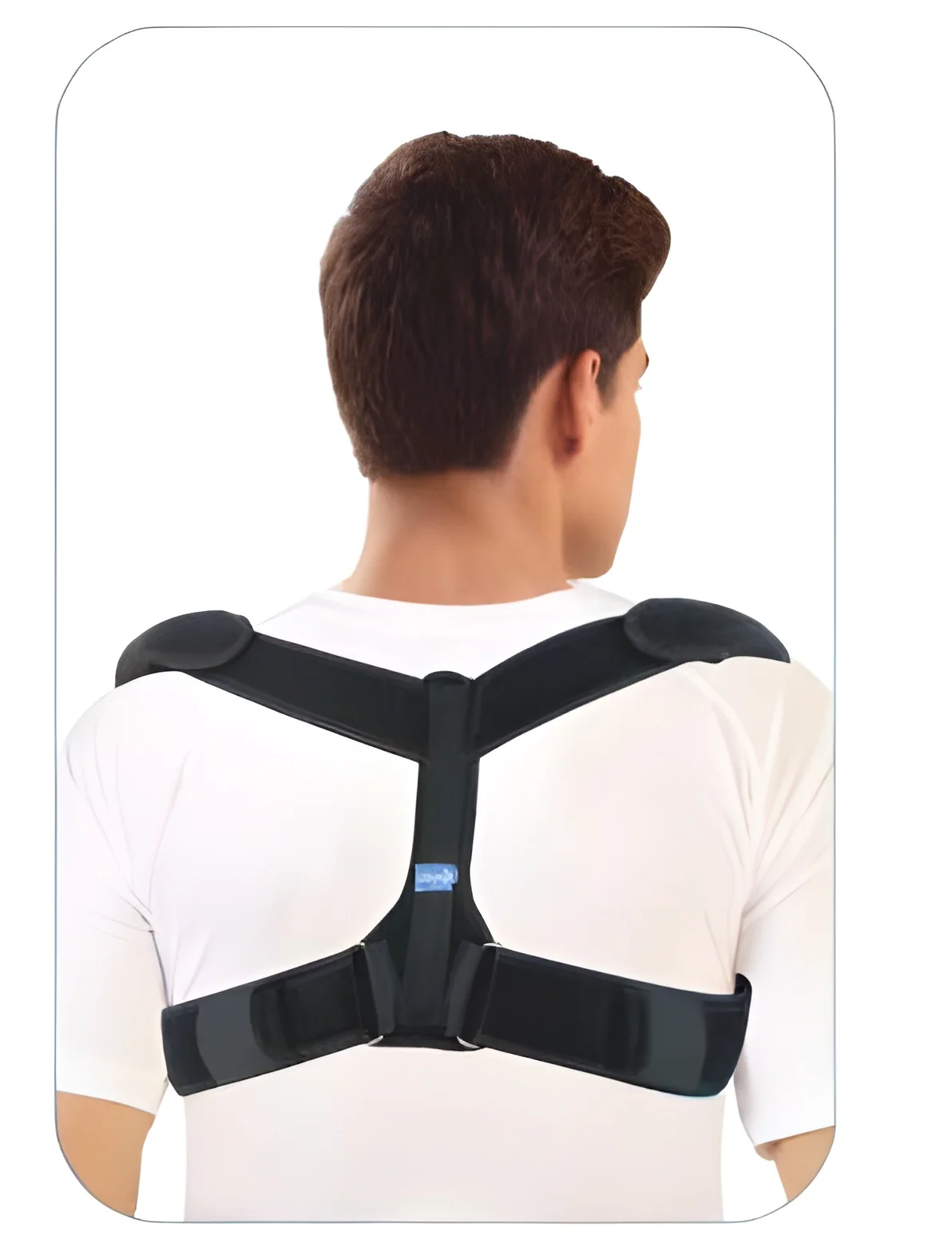
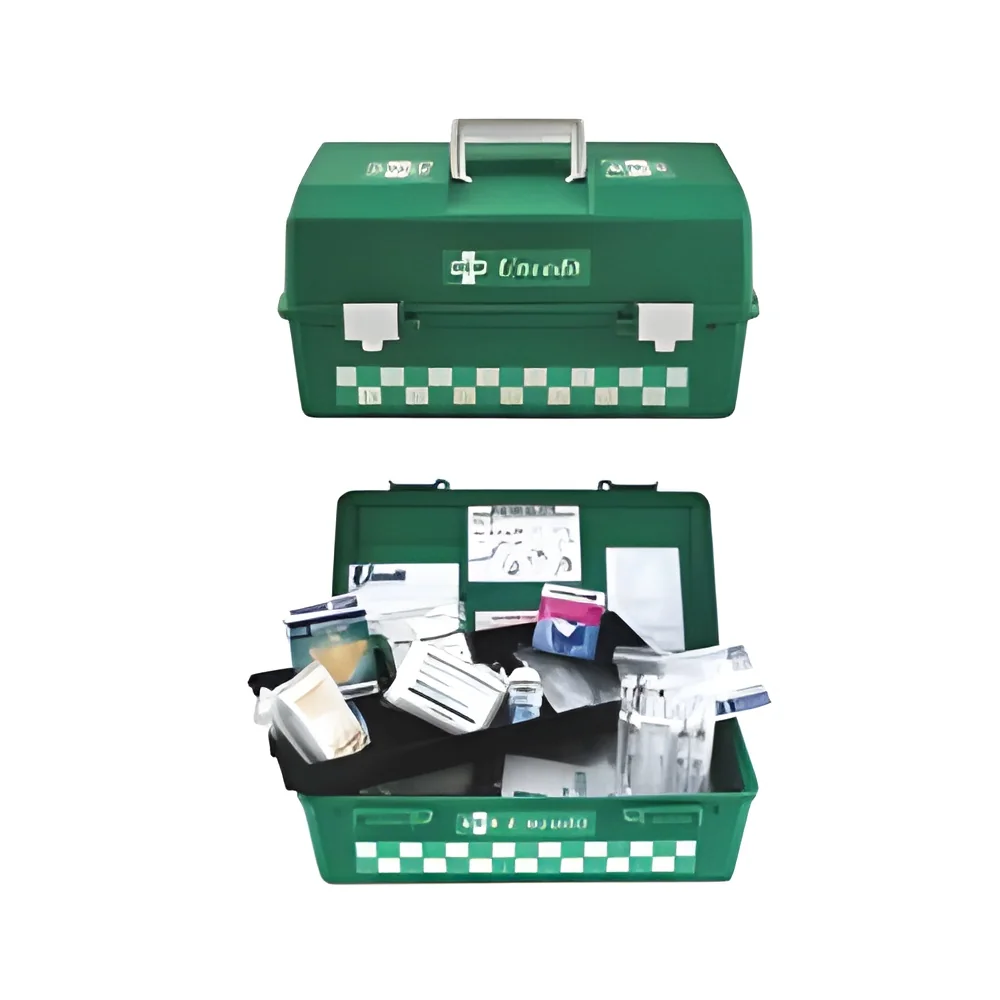
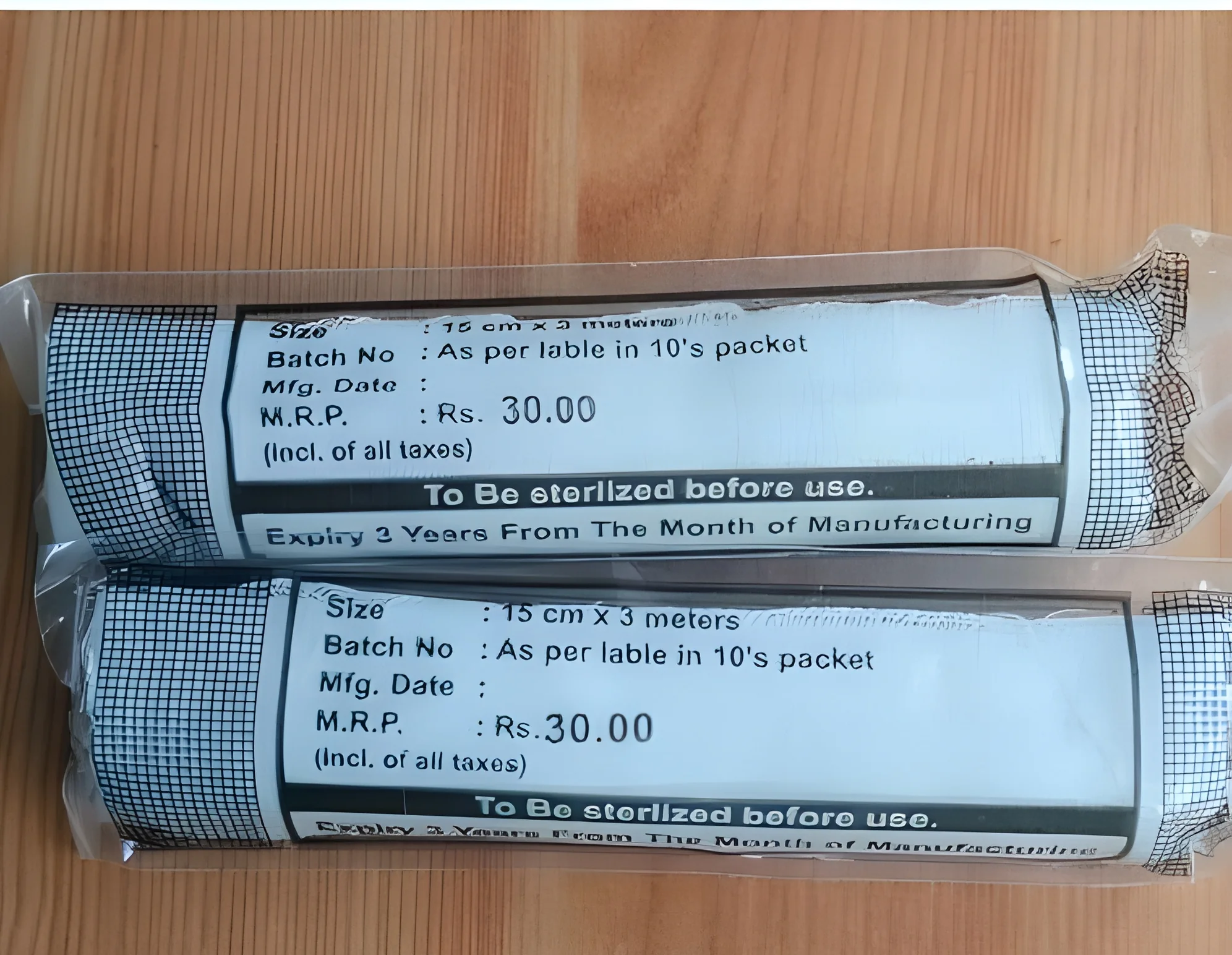
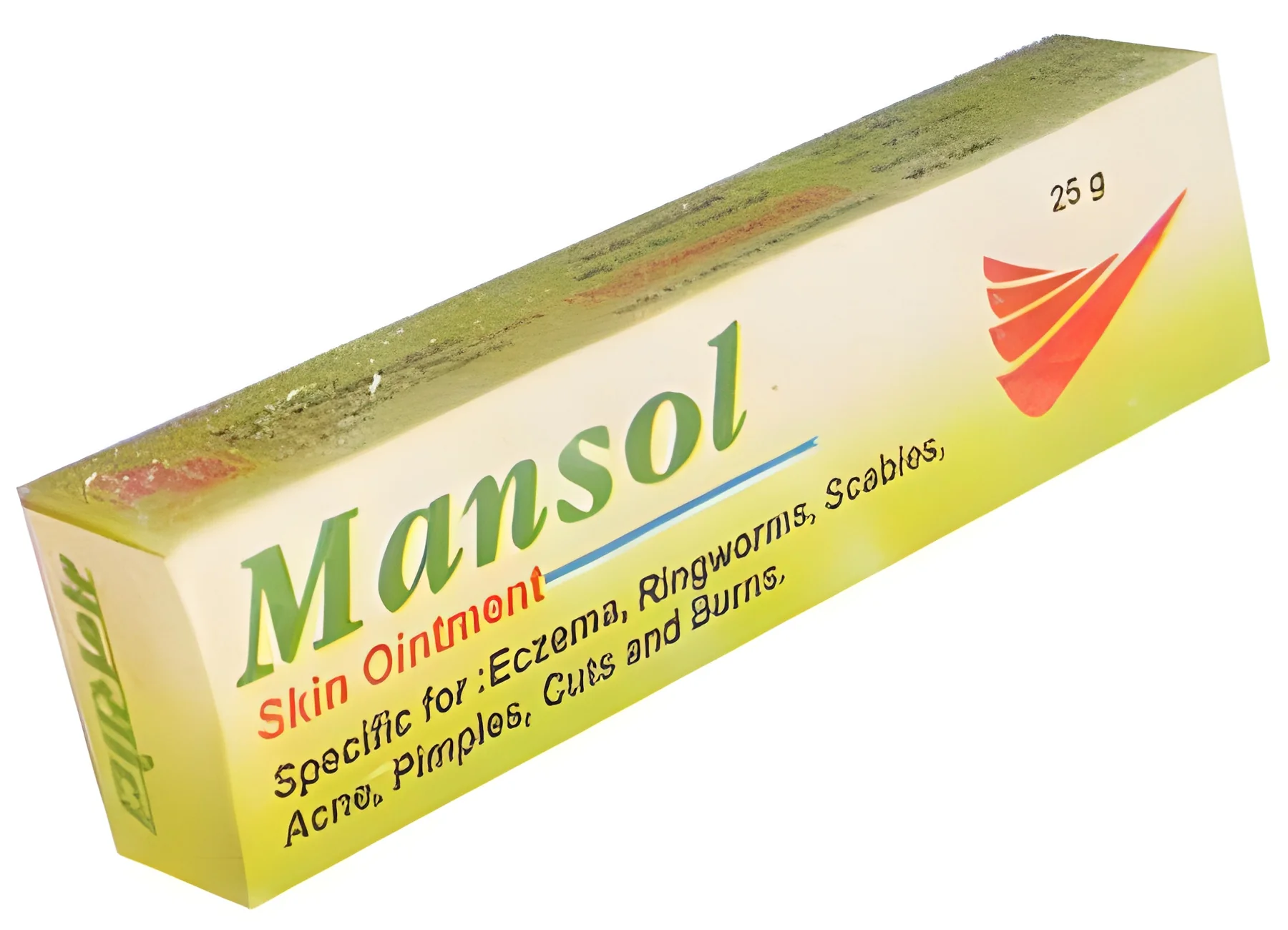
𝗪𝗵𝗮𝘁 𝗮𝗿𝗲 𝗙𝗶𝗿𝘀𝘁 𝗔𝗶𝗱 𝗦𝘂𝗽𝗽𝗹𝗶𝗲𝘀?
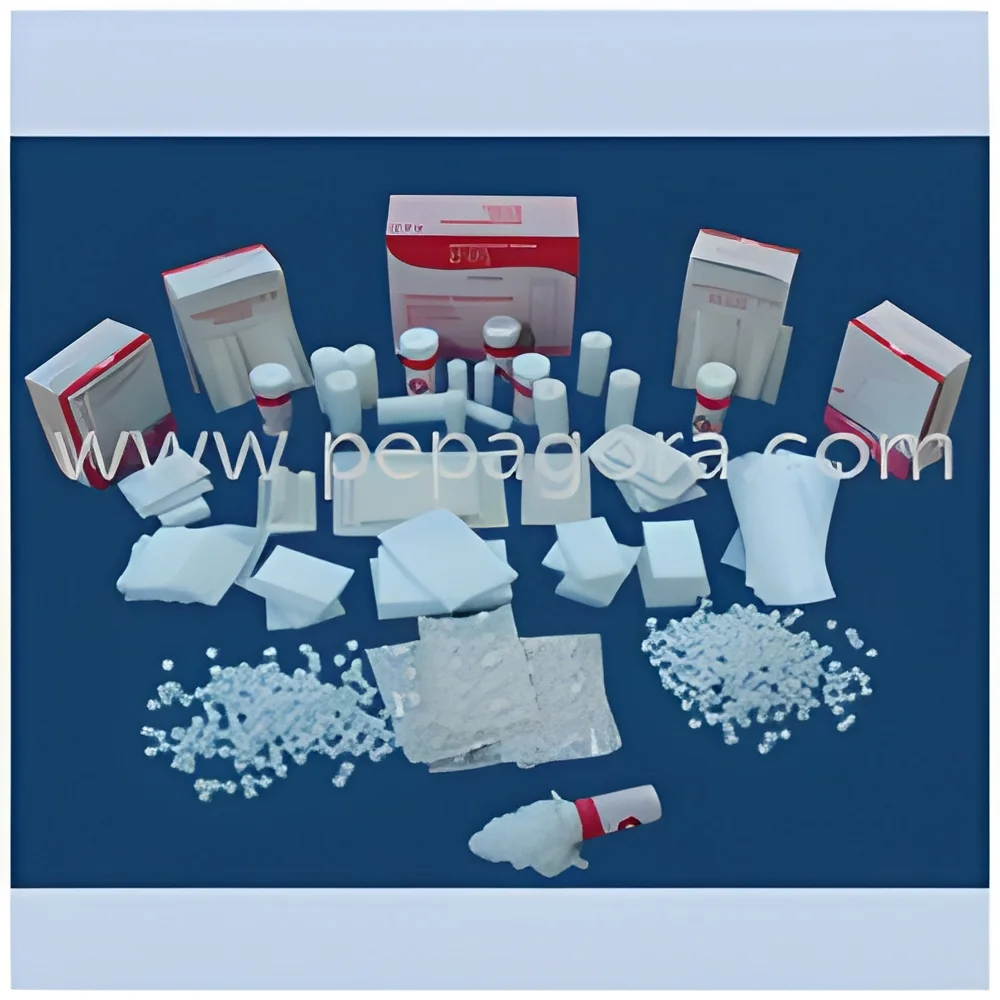
First Aid Supplies are essential items and equipment used to provide immediate medical assistance in emergencies or injury situations. These supplies include a variety of products designed to treat minor injuries, stabilize patients, and prevent infections until professional medical help can be obtained. They are crucial in various settings, including workplaces, schools, and public venues, ensuring that individuals can respond promptly to accidents or health crises.
The primary uses of First Aid Supplies encompass treating cuts, abrasions, burns, sprains, and other common injuries. Businesses often utilize these supplies to comply with safety regulations and create a safer environment for employees and customers. In many industries, having adequate first aid provisions is not just a best practice but a legal requirement, emphasizing their importance in risk management and workplace safety.
In terms of market context, the demand for First Aid Supplies is growing due to increased awareness of workplace safety and health regulations. Industries such as manufacturing, healthcare, and hospitality require a diverse range of first aid products to ensure preparedness for potential incidents. With evolving safety standards and regulations, the first aid supply market continues to expand, providing businesses with numerous options to enhance their safety protocols.
𝗞𝗲𝘆 𝗙𝗲𝗮𝘁𝘂𝗿𝗲𝘀 𝗮𝗻𝗱 𝗦𝗽𝗲𝗰𝗶𝗳𝗶𝗰𝗮𝘁𝗶𝗼𝗻𝘀
First Aid Supplies come with a range of features that cater to diverse needs across various industries. Understanding these specifications helps businesses make informed purchasing decisions.
Key specifications include:
1. Comprehensive Kits
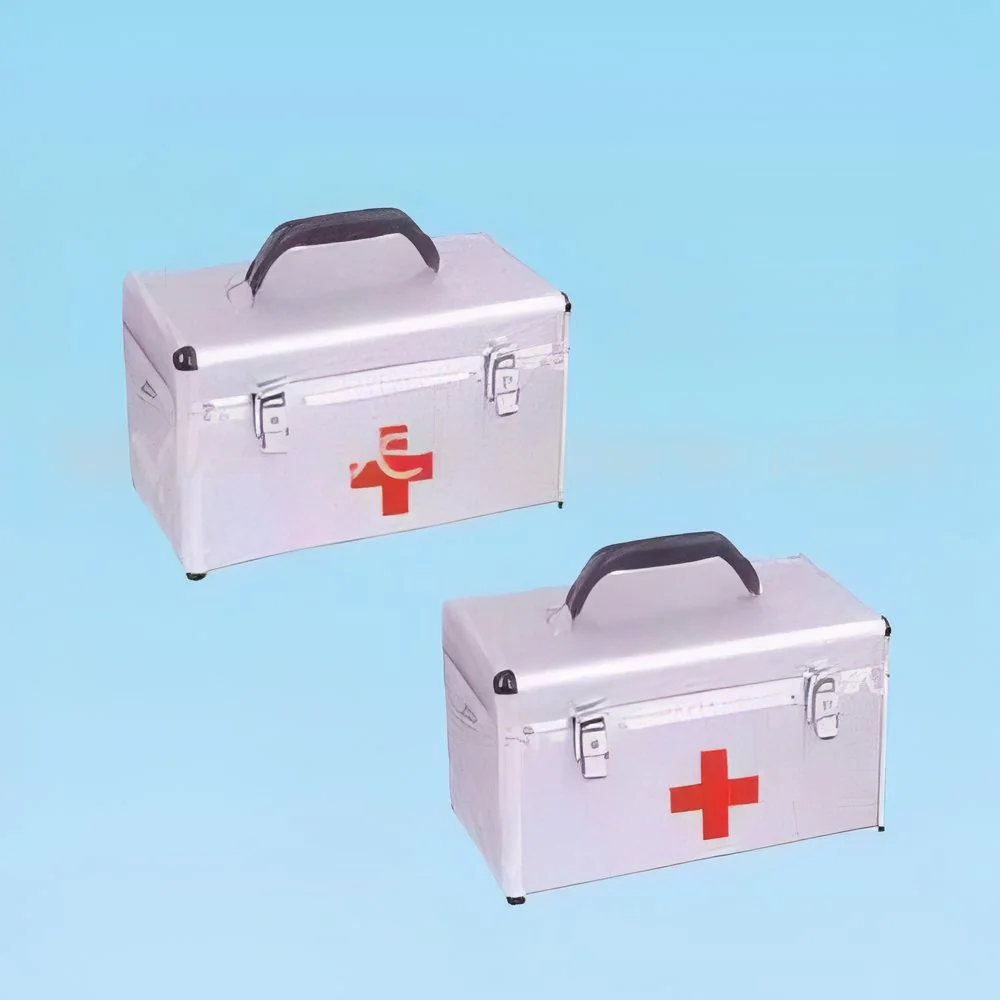
- Available in different sizes to fit specific needs
- Typically include bandages, antiseptics, and other essential supplies
2. Durable Packaging
- Designed to withstand various conditions
- Ensures that contents remain intact and usable
3. Easy Access
- Kits often feature organized compartments for quick retrieval
- User-friendly design for both trained personnel and laypersons
4. Compliance with Regulations
- Products meet industry standards such as CE certification
- Necessary for legal and safety compliance in many sectors
5. Refill Options
- Availability of refill packs to maintain stock
- Ensures that first aid kits remain complete and functional
6. Customizable Options
- Ability to tailor kits according to specific industry needs
- Enhances the effectiveness of first aid responses
7. Training Materials
- Some kits include instructional guides or training resources
- Helps users to effectively utilize the supplies in emergencies
In summary, First Aid Supplies feature a variety of specifications that cater to the needs of businesses, ensuring preparedness for emergencies while adhering to safety regulations.
𝗖𝗼𝗺𝗺𝗼𝗻 𝗔𝗽𝗽𝗹𝗶𝗰𝗮𝘁𝗶𝗼𝗻𝘀 𝗮𝗻𝗱 𝗨𝘀𝗲 𝗖𝗮𝘀𝗲𝘀
First Aid Supplies find applications in numerous industries, reflecting their versatility and importance in emergency preparedness.
1. Healthcare: In hospitals and clinics, First Aid Supplies are used to treat patients with minor injuries or conditions before they receive professional medical attention.
2. Manufacturing: Factories often have first aid kits readily available to address injuries that occur on the shop floor, promoting a safe working environment.
3. Education: Schools and universities utilize First Aid Supplies to manage student injuries during physical activities or emergencies, ensuring student safety.
4. Hospitality: Hotels and restaurants provide First Aid Supplies to address guest injuries, contributing to a positive guest experience and compliance with health standards.
5. Construction: Construction sites require immediate access to first aid supplies to handle accidents and injuries, keeping workers safe and compliant with regulations.
6. Sports and Recreation: Sports facilities and teams maintain first aid kits to treat injuries on the field, ensuring athlete safety during practices and games.
7. Events and Gatherings: Large gatherings and events often have first aid stations equipped with supplies to manage medical emergencies promptly.
𝗣𝗿𝗼𝗱𝘂𝗰𝘁 𝗩𝗮𝗿𝗶𝗮𝗻𝘁𝘀 𝗮𝗻𝗱 𝗦𝘂𝗯𝗰𝗮𝘁𝗲𝗴𝗼𝗿𝗶𝗲𝘀
The diversity of First Aid Supplies allows businesses to select products that best meet their specific requirements.
Portable First Aid Kits: These kits are compact and designed for easy transport, making them ideal for outdoor activities and travel. They include essential supplies for treating minor injuries on the go.
Industrial First Aid Kits: Tailored for high-risk environments, these kits contain specialized items like splints, burn dressings, and larger quantities of supplies, ensuring comprehensive coverage for workplace safety.
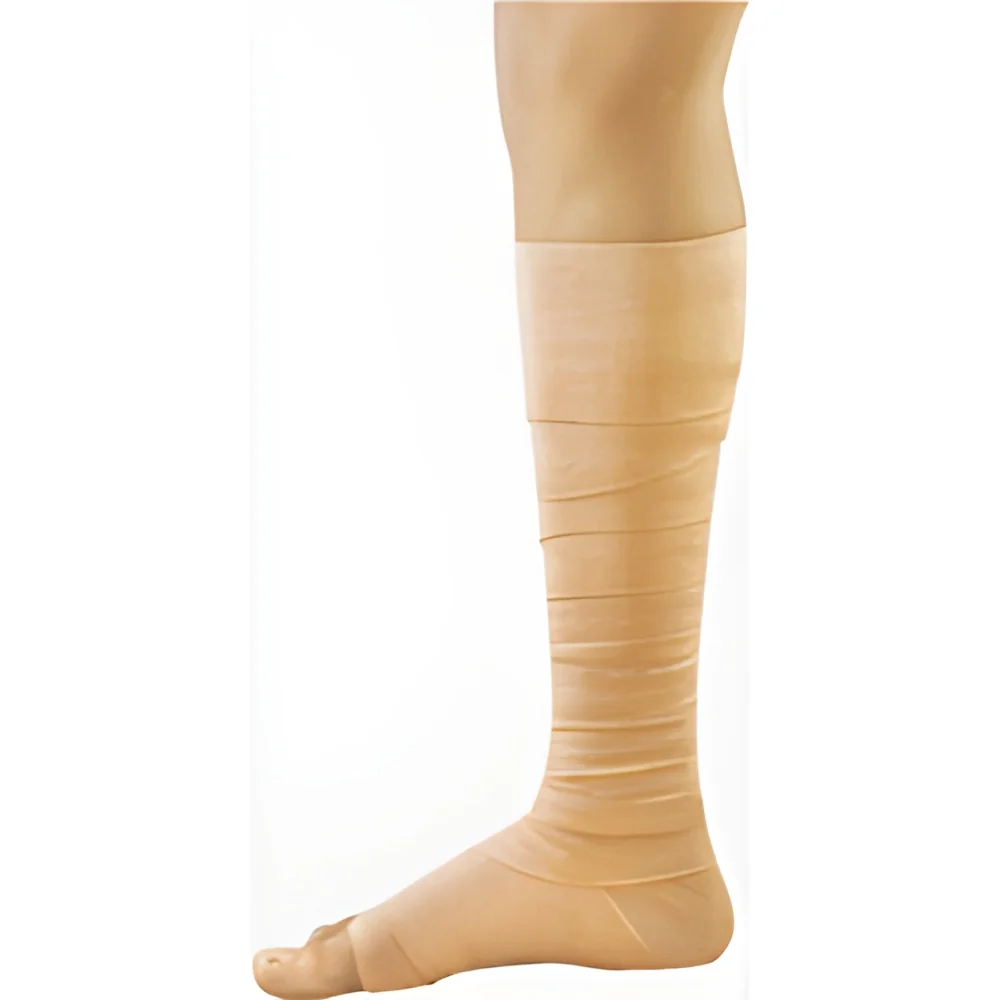
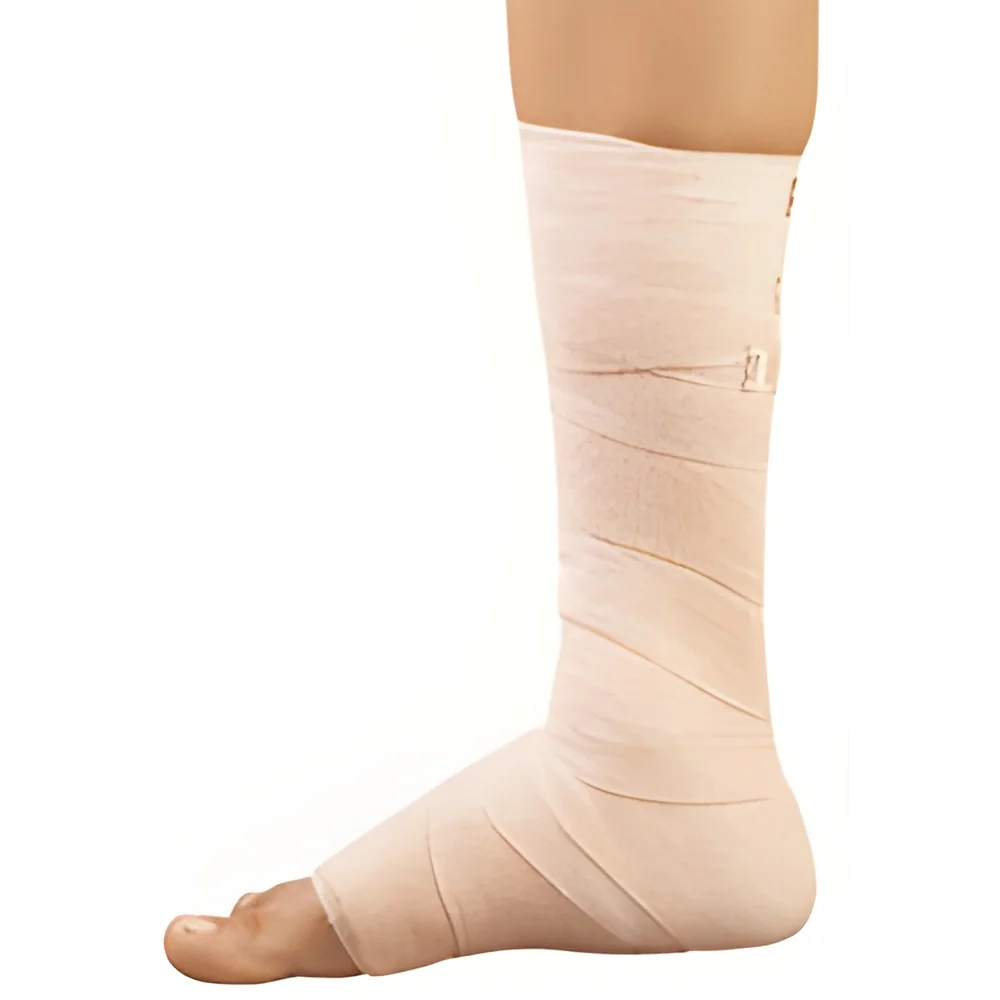
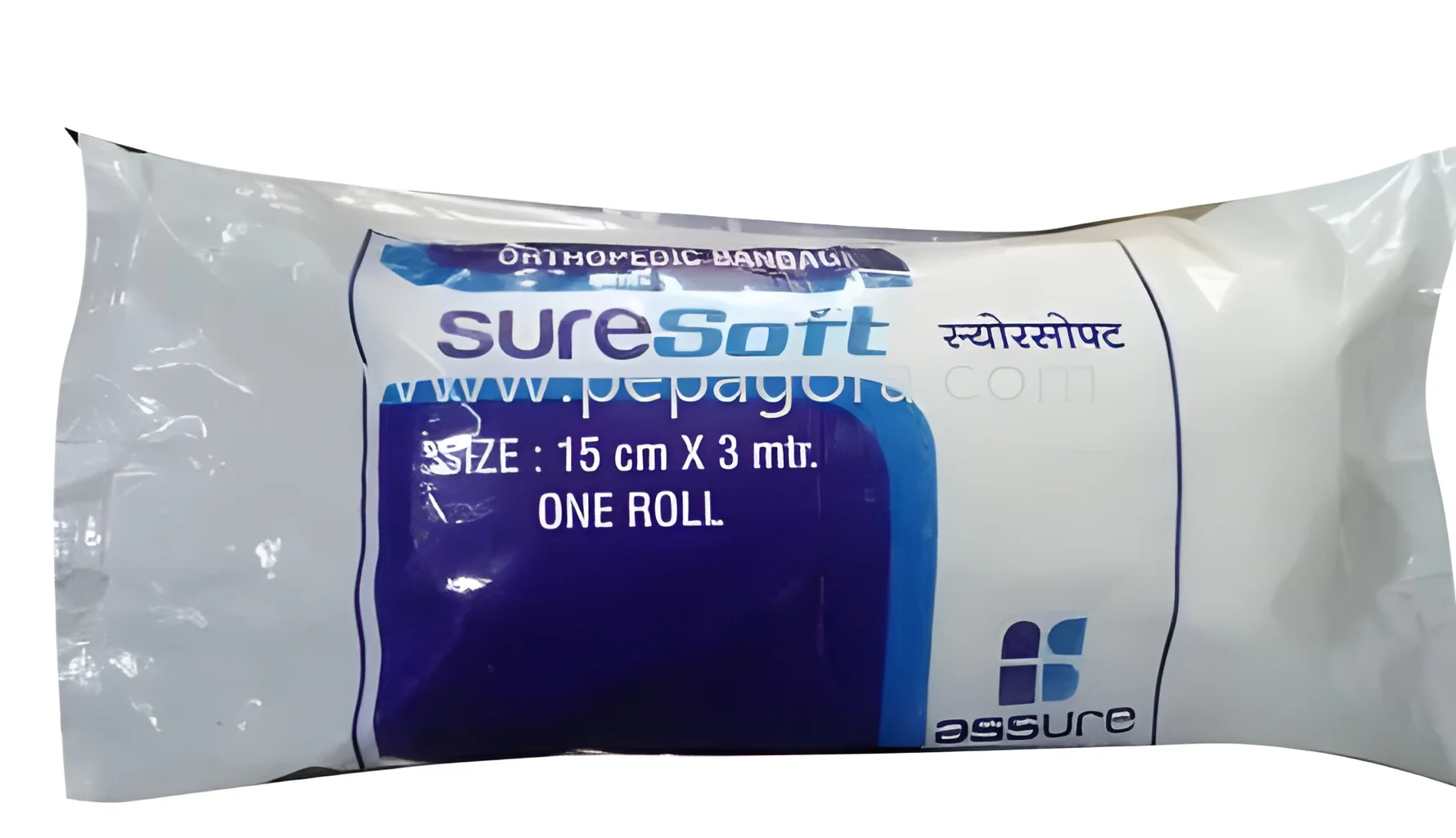
Sports First Aid Kits: Specifically designed for athletic contexts, these kits include items for treating sports-related injuries, such as elastic bandages and cold packs.
Emergency Response Kits: These are larger kits intended for use in critical situations, containing advanced supplies to manage serious injuries until help arrives.
𝗕𝗲𝗻𝗲𝗳𝗶𝘁𝘀 𝗮𝗻𝗱 𝗔𝗱𝘃𝗮𝗻𝘁𝗮𝗴𝗲𝘀
Utilizing First Aid Supplies provides numerous benefits that enhance safety and operational efficiency in various settings.
Key benefits include:
1. Immediate Response: First Aid Supplies enable quick treatment of injuries, reducing the severity of conditions and promoting faster recovery.
2. Regulatory Compliance: Having the necessary supplies helps businesses meet legal requirements for workplace safety, avoiding potential fines and liabilities.
3. Increased Safety Awareness: The presence of first aid supplies promotes a culture of safety, encouraging employees to be more vigilant and prepared.
4. Cost Efficiency: Investing in first aid supplies can reduce medical costs by addressing minor injuries promptly, preventing them from escalating into more severe issues.
5. Enhanced Employee Morale: Providing first aid supplies demonstrates a commitment to employee health, boosting morale and job satisfaction.
6. Customization Options: Businesses can tailor first aid kits to their specific needs, ensuring that they are equipped for the unique risks of their environment.
𝗕𝘂𝘆𝗶𝗻𝗴 𝗚𝘂𝗶𝗱𝗲 𝗳𝗼𝗿 𝗕𝟮𝗕 𝗕𝘂𝘆𝗲𝗿𝘀
When sourcing First Aid Supplies, it is crucial for businesses to consider several key factors to ensure they are making informed decisions.
1. Quality Assessment: Evaluate the quality of products by looking for certifications such as CE. High-quality supplies are essential for effective treatment and safety.
2. Supplier Verification: Vet suppliers to ensure they have a reputable history and provide reliable products. Check for customer reviews and industry recognition.
3. Pricing and MOQ: Understand the pricing structure and minimum order quantities. This helps in budgeting and ensuring that you have enough supplies without excess inventory.
4. Delivery and Lead Times: Consider logistics and the time it takes for suppliers to deliver. Timely delivery is essential for maintaining adequate stock levels.
5. Compliance Requirements: Stay informed about local regulations regarding first aid supplies. Compliance with safety standards can protect your business from legal issues.
𝗖𝗼𝗺𝗽𝗹𝗶𝗮𝗻𝗰𝗲 𝗮𝗻𝗱 𝗖𝗲𝗿𝘁𝗶𝗳𝗶𝗰𝗮𝘁𝗶𝗼𝗻𝘀
Compliance with quality standards and certifications is critical in the First Aid Supplies market. Relevant standards include ISO 9001, which ensures a robust quality management system, and HACCP, which focuses on food safety in environments where food is handled.
Additionally, many first aid products carry the CE certification, indicating that they meet European safety, health, and environmental protection standards. This certification is essential for businesses operating in regions where regulatory compliance is mandatory.
Safety and testing requirements are also important, as first aid supplies must undergo rigorous testing to ensure their effectiveness in emergencies. Regional compliance considerations may vary, so businesses should be aware of specific local regulations that govern the use and provision of first aid supplies.
𝗪𝗵𝘆 𝗦𝗼𝘂𝗿𝗰𝗲 𝗙𝗶𝗿𝘀𝘁 𝗔𝗶𝗱 𝗦𝘂𝗽𝗽𝗹𝗶𝗲𝘀 𝗳𝗿𝗼𝗺 𝗣𝗲𝗽𝗮𝗴𝗼𝗿𝗮?
Pepagora offers a trusted platform for sourcing First Aid Supplies, providing several key advantages that benefit B2B buyers.
Verified Supplier Network: Pepagora connects buyers with a network of verified suppliers, ensuring that all products meet high-quality standards. This verification process builds trust and confidence in purchasing decisions.
Streamlined RFQ Process: The platform provides a user-friendly Request for Quotation (RFQ) system, allowing buyers to easily compare offers from multiple suppliers. This streamlining enhances efficiency and decision-making.
Trade Assurance and Support: Pepagora prioritizes buyer protection through trade assurance services, providing peace of mind during transactions. Buyers can engage with suppliers knowing they are supported throughout the purchasing process.
Regional Coverage: With a focus on markets in India, the GCC, and Southeast Asia, Pepagora offers extensive regional coverage, connecting buyers with suppliers that understand local needs and regulations.
By choosing Pepagora for First Aid Supplies, businesses can ensure they are well-equipped to handle emergencies while adhering to safety standards and enhancing overall workplace safety.

 IN
IN





 India
India