What are Elastic Bandages?
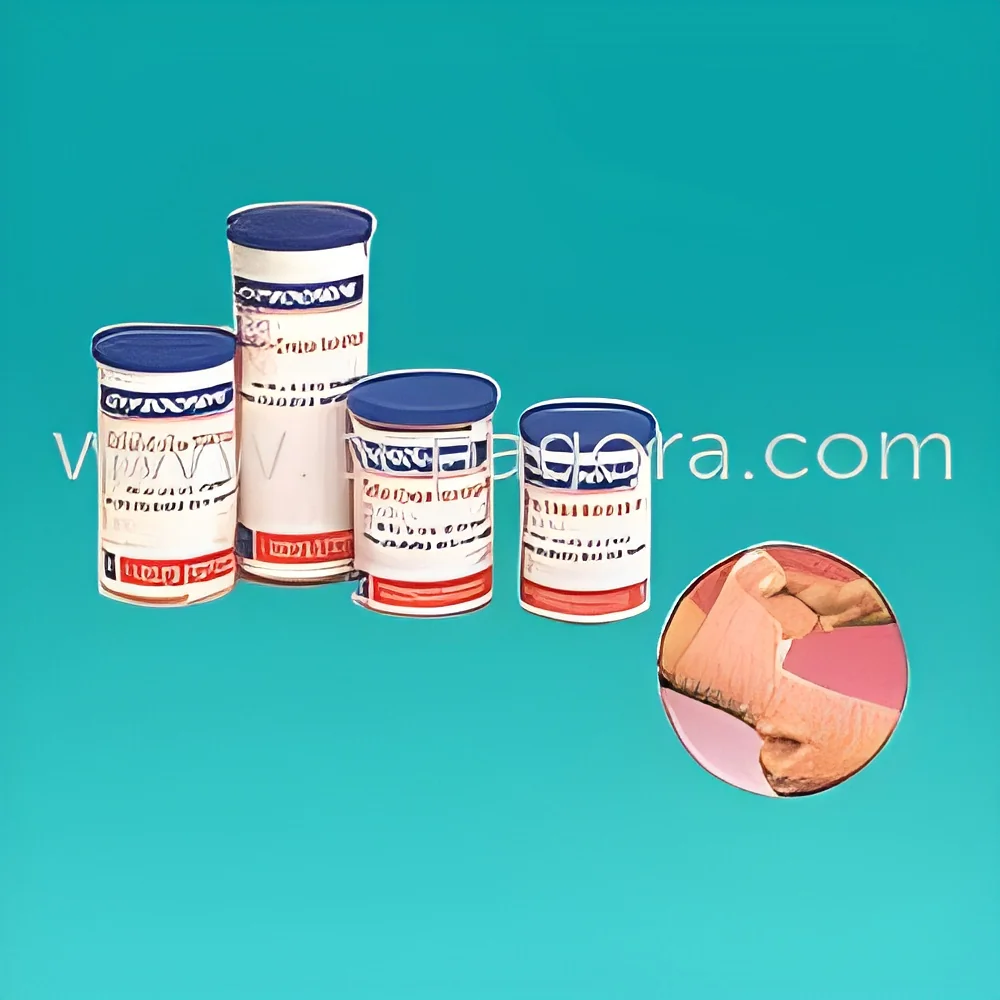
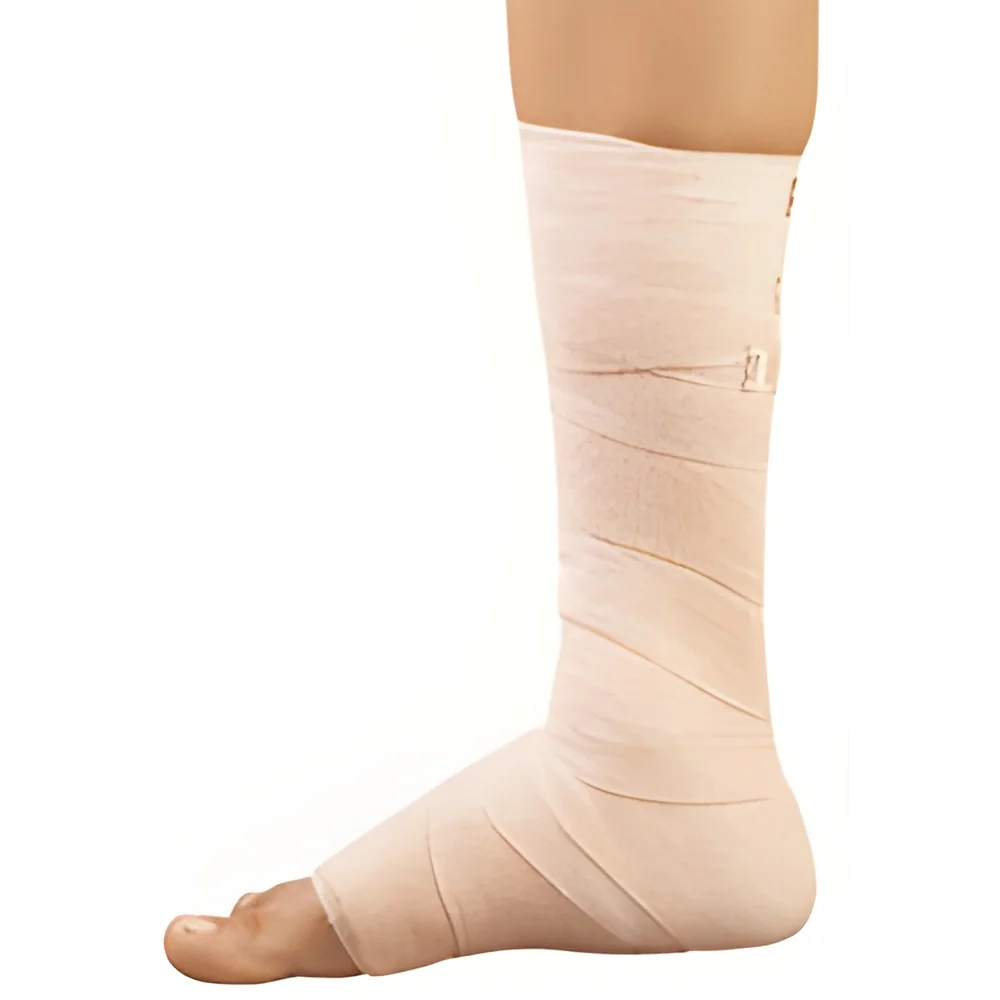
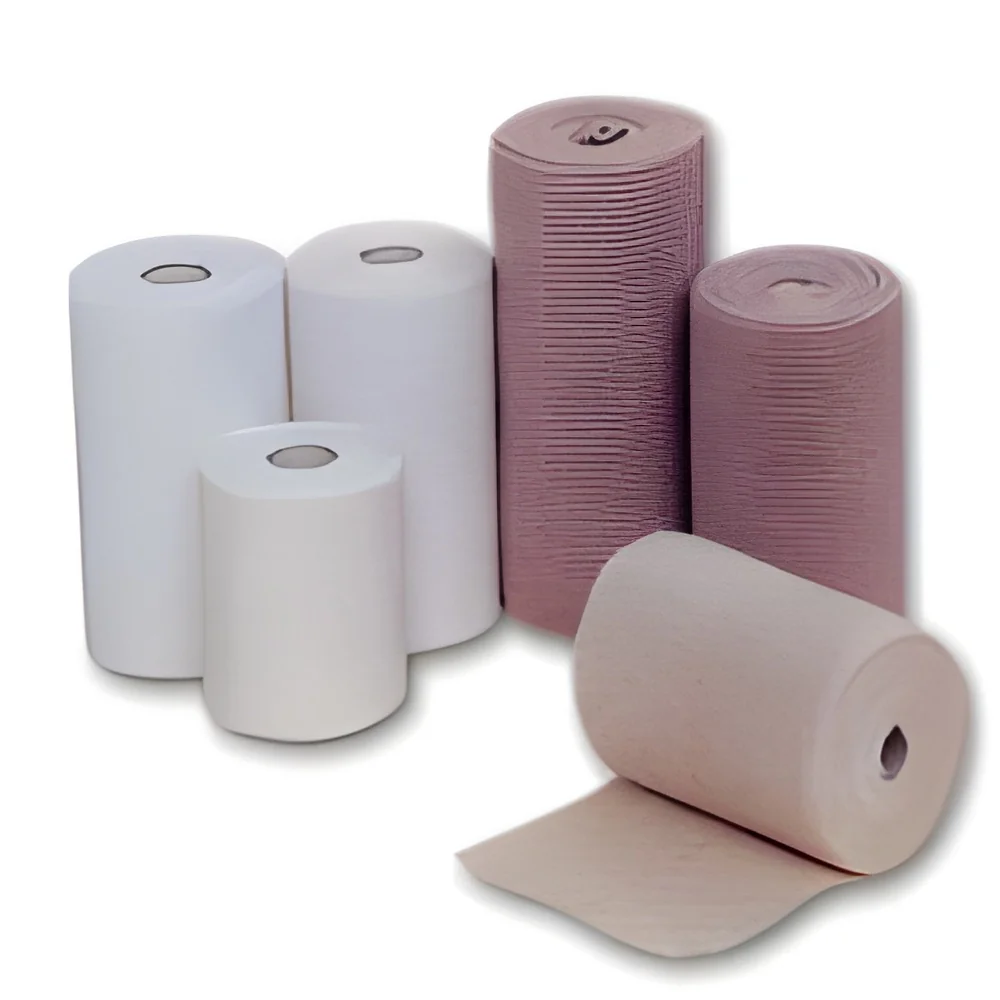
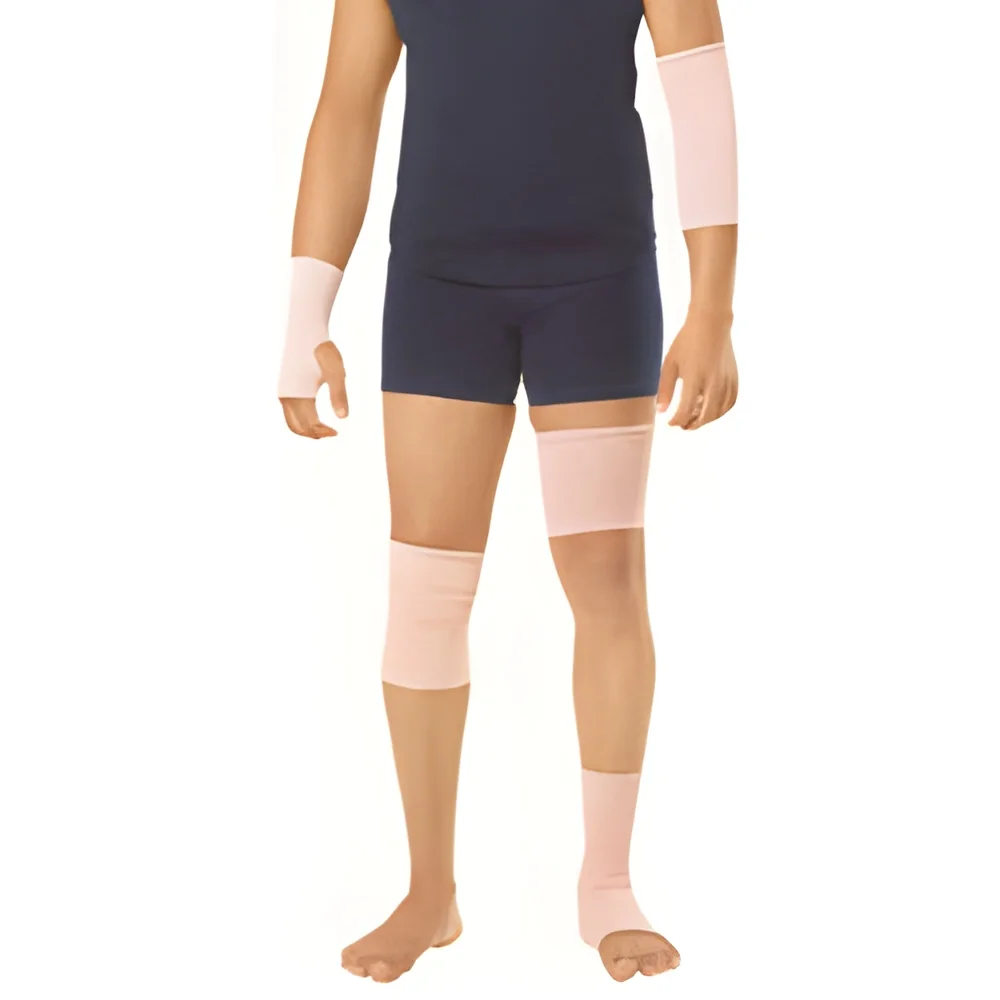
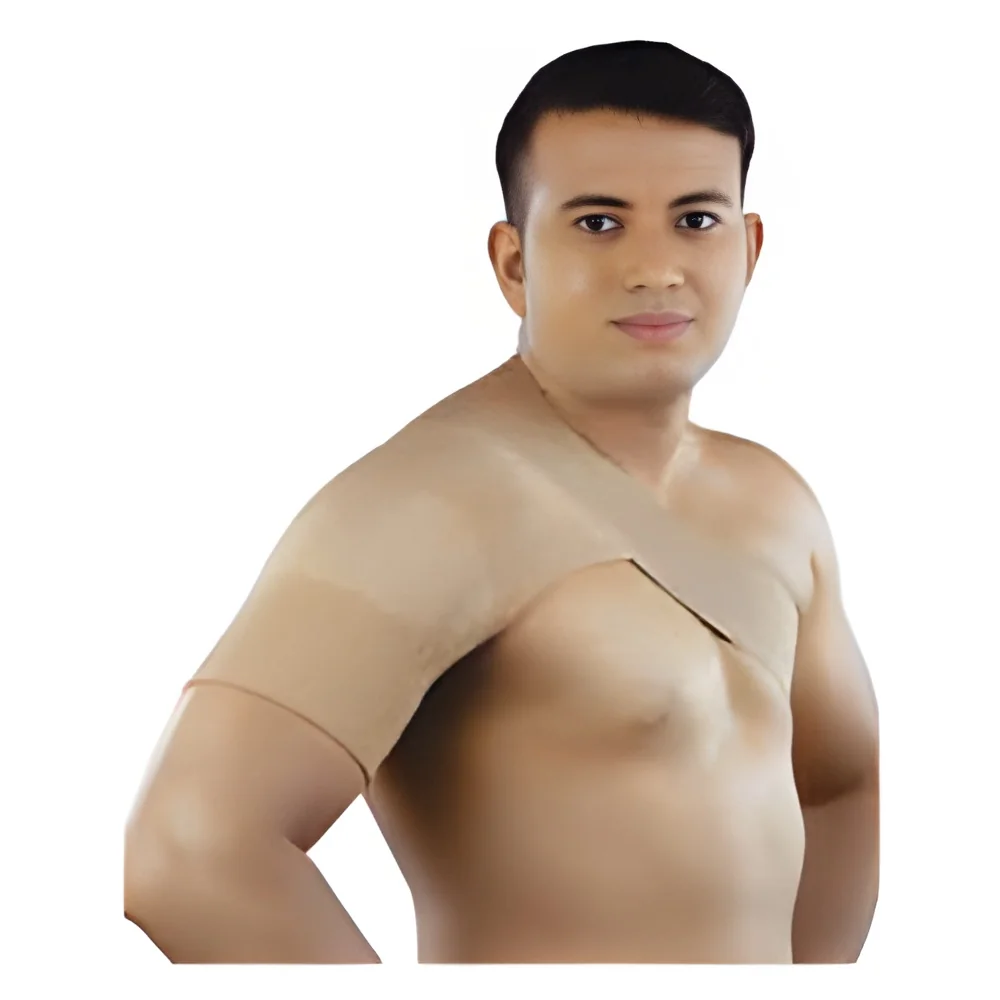
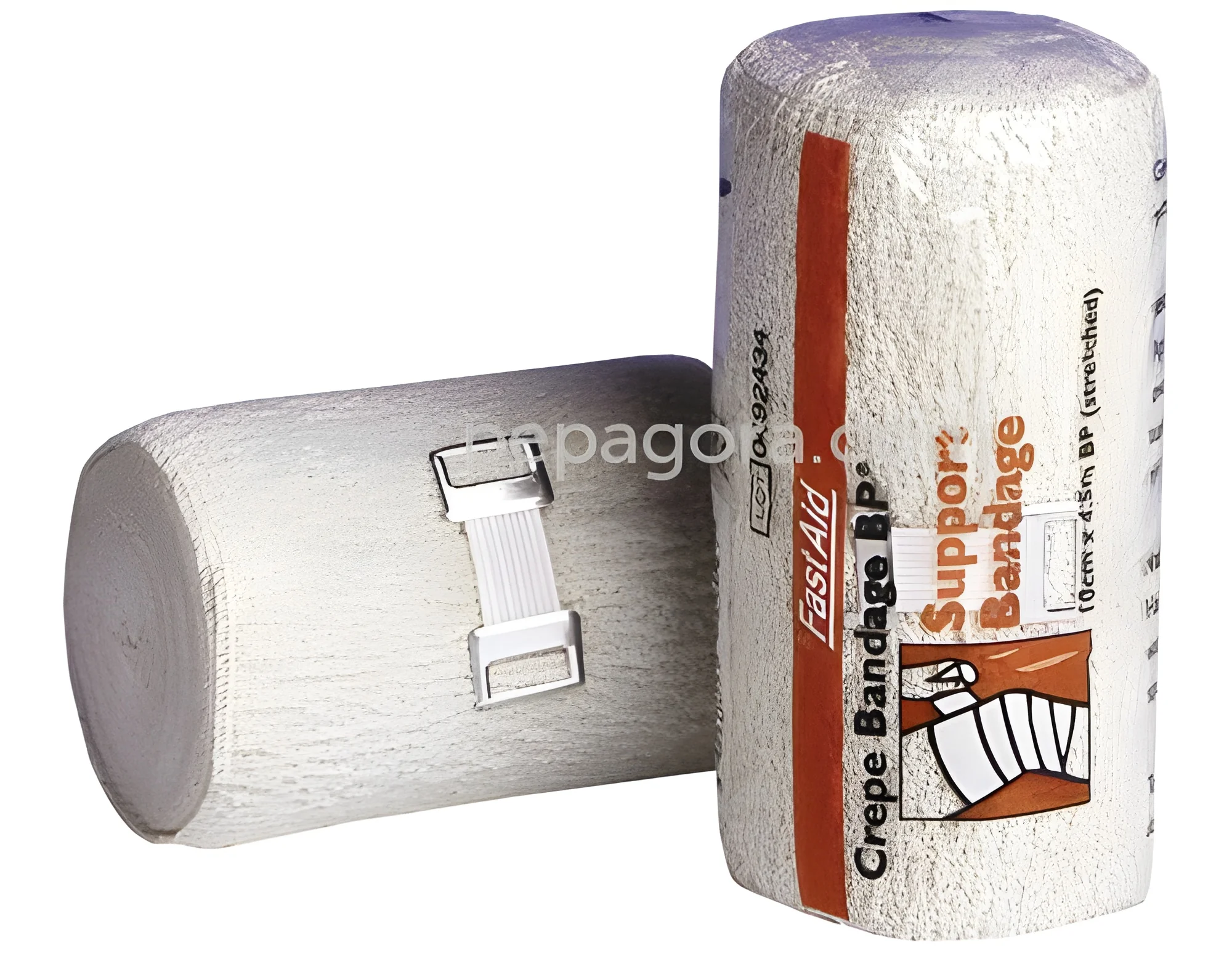
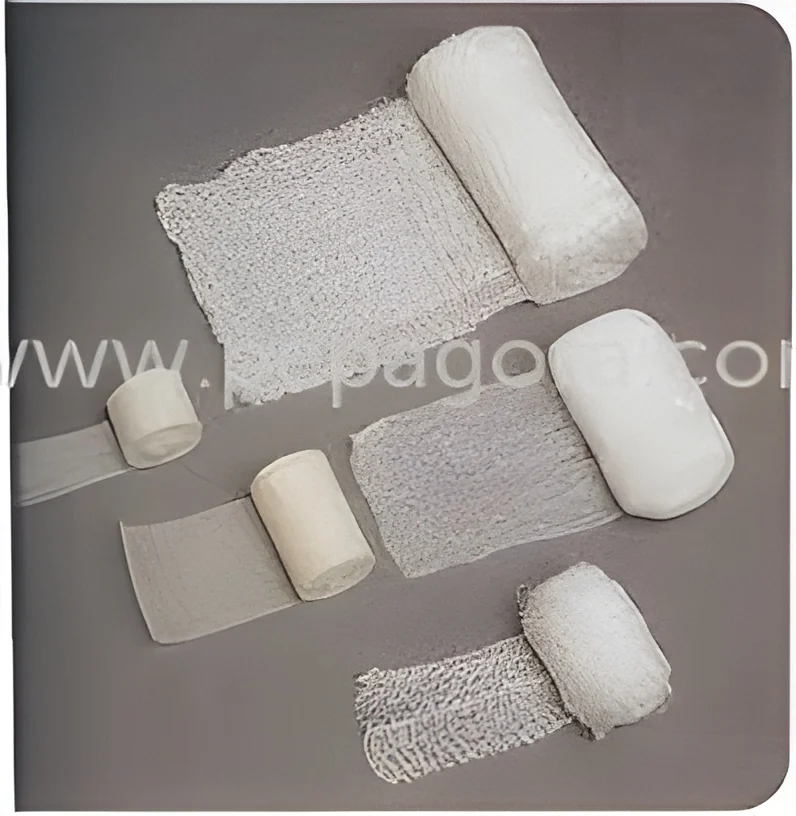
Elastic bandages are versatile medical supplies designed to provide compression and support for injured areas of the body. They are typically made from a blend of elastic materials that allow them to stretch and conform to different body shapes and sizes. These bandages are commonly used to stabilize injuries, reduce swelling, and provide comfort to patients during recovery.
In the B2B context, elastic bandages are essential tools in various industries, including healthcare, sports medicine, and rehabilitation. They are used by hospitals, clinics, athletic teams, and physical therapists to facilitate the healing process for patients with sprains, strains, or post-surgical needs. The demand for elastic bandages has increased due to a growing awareness of injury prevention and the importance of effective rehabilitation in both sports and general health contexts.
The market for elastic bandages is projected to grow, driven by advancements in material technology and an increasing emphasis on quality healthcare. As more organizations recognize the importance of proper injury management, the need for reliable and effective elastic bandages will continue to rise, making them a critical component of medical supply inventories.
Key Features and Specifications
Elastic bandages come with a range of features that enhance their usability and effectiveness. Understanding the specifications is essential for selecting the right product for specific applications.
Key specifications include:
1. Material Composition
- Typically made from a blend of cotton and synthetic fibers
- Offers elasticity and durability for long-term use
2. Width Options
- Available in various widths, commonly ranging from 2 inches to 4 inches
- Allows selection based on the size of the injury or body part
3. Length Variability
- Standard lengths usually range from 5 to 10 yards
- Provides flexibility for different wrapping techniques
4. Compression Levels
- Different levels of elasticity available to provide varying degrees of support
- Helps in managing swelling and enhancing stability
5. Adhesive Properties
- Some variants feature adhesive backing for secure placement
- Ensures the bandage stays in position during activity
6. Reusability
- Many elastic bandages are designed for multiple uses
- Reduces waste and cost for healthcare providers
7. Latex-Free Options
- Available for those with latex allergies
- Ensures safety for sensitive individuals
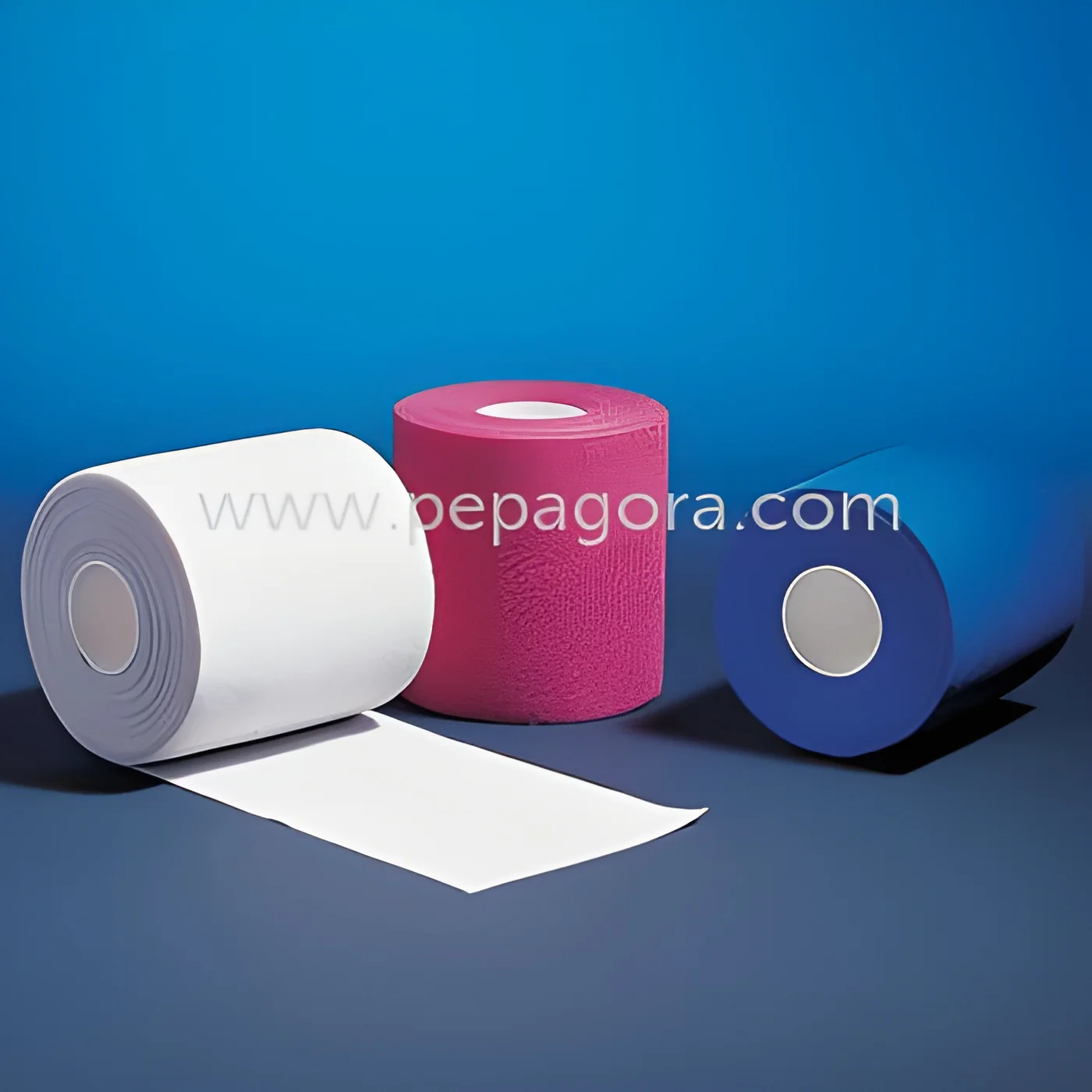
8. Color Options
- Offered in various colors for aesthetic or identification purposes
- Enhances visibility and personalization in sports settings
In summary, the diverse features and specifications of elastic bandages cater to various medical and industrial needs, ensuring effective support and injury management.
Common Applications and Use Cases
Elastic bandages are widely used across multiple industries due to their effectiveness in providing support and compression.
1. Healthcare: In hospitals and clinics, elastic bandages are used for treating sprains, strains, and post-operative care. They help in reducing swelling and facilitating recovery.
2. Sports Medicine: Athletic teams rely on elastic bandages to prevent injuries and manage acute conditions. They are essential for athletes needing support during training and competition.
3. Rehabilitation: Physical therapists use elastic bandages as part of rehabilitation programs to aid recovery and improve mobility. They provide the needed support to patients during exercises.
4. Emergency Services: First responders use elastic bandages as part of their emergency kits to stabilize injuries before transporting patients to medical facilities.
5. Veterinary Medicine: In veterinary practices, elastic bandages are used to treat injuries in animals, providing necessary support and protection during healing.
6. Construction and Manufacturing: Workers in physically demanding jobs may use elastic bandages to support strains and sprains, promoting workplace safety.
7. Military and Defense: Elastic bandages are vital in military settings for first aid applications, ensuring soldiers receive immediate care for injuries.
Product Variants and Subcategories
Elastic bandages come in various forms to meet specific needs and preferences.
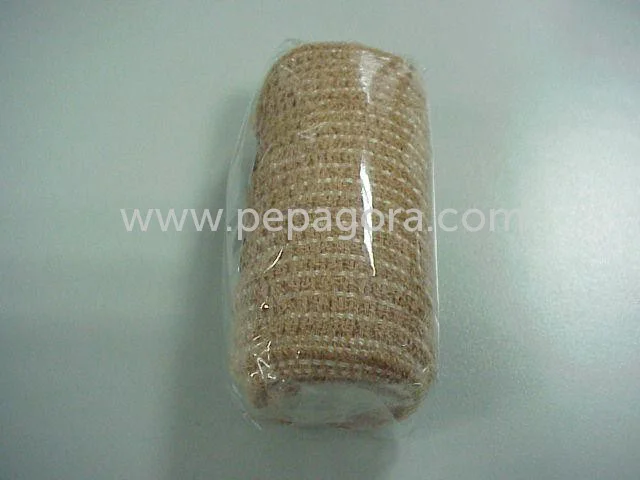
Self-Adhesive Elastic Bandages: These bandages feature a self-adhesive design that eliminates the need for clips or pins. They provide a secure fit and are ideal for quick applications in both medical and sports settings.
Compression Elastic Bandages: Designed for enhanced compression, these bandages are ideal for managing swelling and supporting injured areas. They are often used in rehabilitation and sports medicine applications.
Cohesive Bandages: These bandages adhere to themselves without sticking to the skin or hair. They are perfect for sensitive skin and are commonly used in both human and veterinary care.
Cotton Elastic Bandages: Made primarily from cotton, these bandages offer breathability and comfort. They are suitable for long-term use in various healthcare and fitness applications.
Benefits and Advantages
Elastic bandages offer numerous benefits that make them a preferred choice in injury management.
1. Enhanced Support: They provide necessary support to injured areas, aiding in recovery and rehabilitation.
2. Adjustable Compression: The elasticity allows users to adjust the level of compression, helping to control swelling effectively.
3. Versatility: Suitable for various applications, including sports, healthcare, and emergency situations, elastic bandages meet diverse needs.
4. Cost-Effective: Many elastic bandages are reusable, reducing costs for healthcare facilities and businesses.
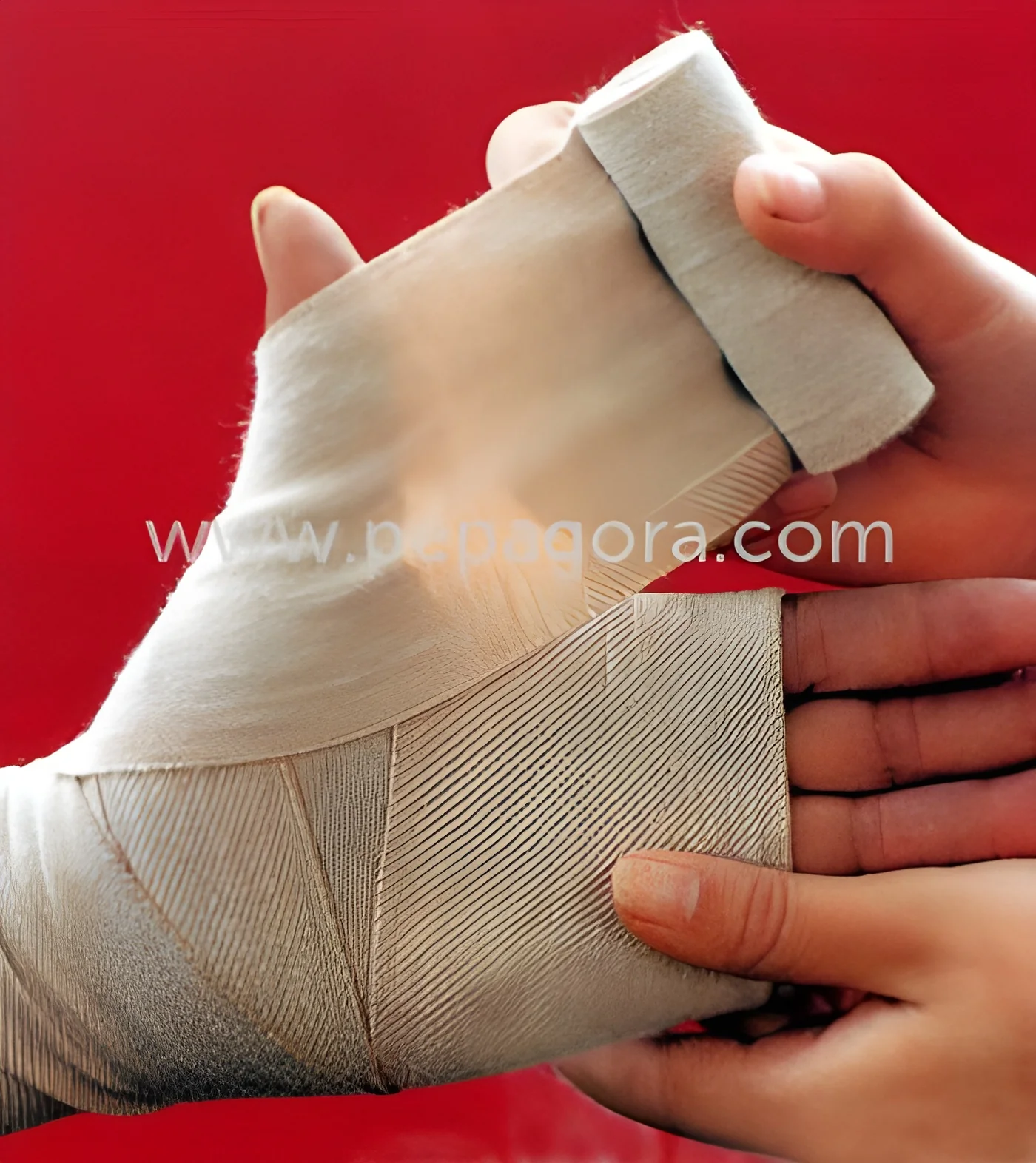
5. Easy Application: They can be easily applied by both professionals and individuals, making them accessible for quick use.
6. Comfort: The materials used are often soft and breathable, ensuring comfort for patients during use.
Buying Guide for B2B Buyers
When sourcing elastic bandages, B2B buyers should consider several important factors to ensure they select the right product for their needs.
1. Quality Assessment: Look for elastic bandages that meet industry standards for durability and effectiveness. Verify the material composition and manufacturing processes to ensure high quality.
2. Supplier Verification: Vet suppliers by checking their reputation, certifications, and customer reviews. Reliable suppliers will have a proven track record in delivering quality products.
3. Pricing and MOQ: Understand the cost structure and minimum order quantities. Aim for a balance between quality and price to ensure a good return on investment.
4. Delivery and Lead Times: Consider the logistics involved, including shipping times and delivery reliability. Timely delivery is crucial for maintaining inventory levels.
5. Compliance Requirements: Ensure that the elastic bandages meet regulatory standards relevant to your industry, such as CE certifications. Compliance with safety and quality regulations is essential.
Compliance and Certifications
Elastic bandages must adhere to specific quality standards and certifications to ensure safety and effectiveness. Relevant standards include ISO 9001, which focuses on quality management systems, and HACCP, which applies to food safety in certain applications.
In addition to these standards, elastic bandages often carry the CE mark, indicating compliance with European health, safety, and environmental protection standards. This certification ensures that the products meet rigorous testing and quality requirements.
Safety and testing requirements are crucial in the manufacturing of elastic bandages. These products undergo various assessments to guarantee they are safe for use and effective in providing support and compression.
Regional compliance considerations may vary, so it is essential for buyers to verify that the products meet local regulations and standards in their respective markets.
Why Source Elastic Bandages from Pepagora?
Pepagora is a trusted platform for sourcing elastic bandages, offering several key advantages to B2B buyers.
Verified Supplier Network: Pepagora connects buyers with a network of verified suppliers, ensuring access to high-quality products. Each supplier undergoes a rigorous vetting process, providing peace of mind regarding product reliability.
Streamlined RFQ Process: The platform simplifies the request for quotation process, allowing buyers to receive competitive quotes from multiple suppliers quickly. This efficiency saves time and helps buyers make informed purchasing decisions.
Trade Assurance and Support: Pepagora provides trade assurance, protecting buyers throughout the transaction process. This support ensures that buyers can trust their purchases and have recourse in case of issues.
Regional Coverage: With a strong presence in India, the GCC, and Southeast Asia, Pepagora offers extensive geographic reach. This makes it easier for buyers in these regions to find reliable suppliers for their elastic bandage needs.

 IN
IN