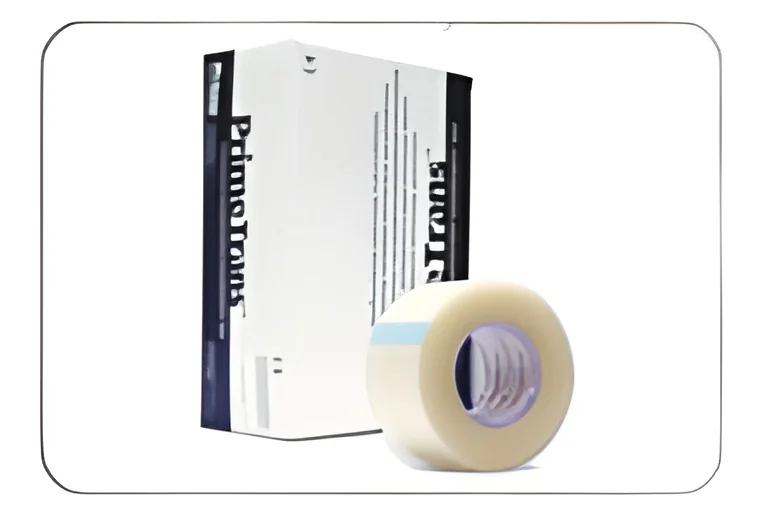
What are Sterile Dressings?
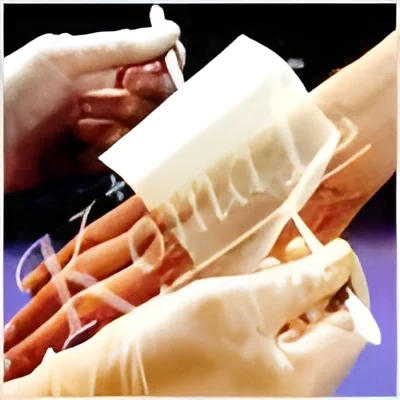
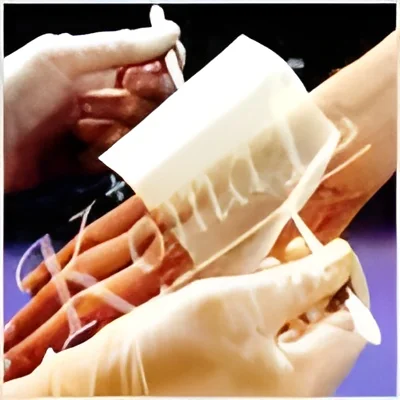
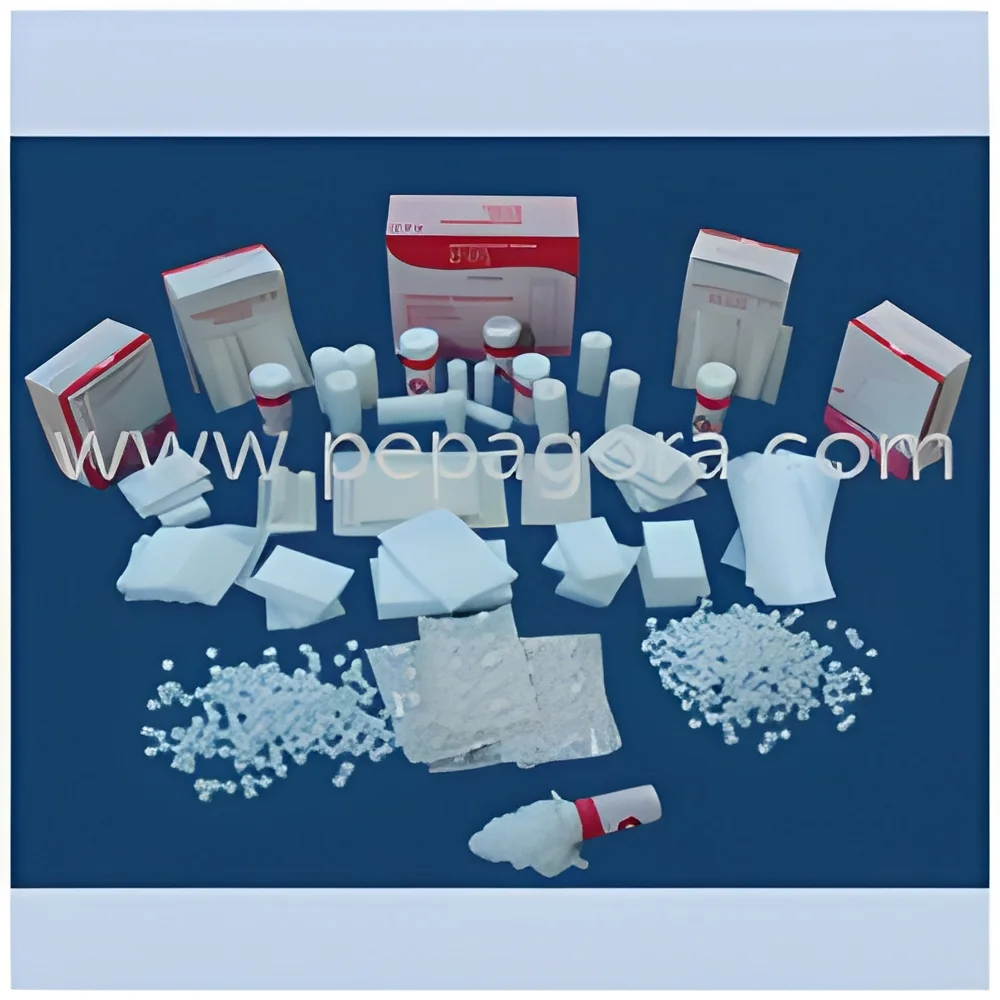
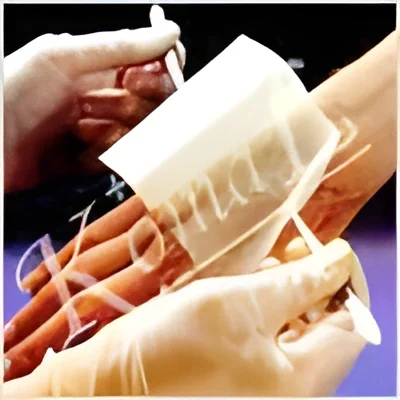
Sterile dressings are specialized medical supplies designed to protect wounds from infection and promote healing. They are manufactured in controlled environments to ensure that they are free from contaminants. These dressings come in various forms, including pads, bandages, and films, allowing for flexibility in application depending on the type of wound and its location.
Primary applications of sterile dressings include use in hospitals, clinics, and home healthcare settings. They are essential in surgical procedures, trauma care, and for managing chronic wounds such as ulcers and pressure sores. The relevance of sterile dressings in the healthcare market is significant, as they are critical in preventing infections and ensuring patient safety across various medical fields.
Key Features and Specifications
Sterile dressings are characterized by several key features and specifications that enhance their functionality and effectiveness in clinical settings. Understanding these specifications helps buyers select the most appropriate products for their needs.
Key specifications include:
1. Material Composition
- Typically made from non-woven fabrics, gauze, or hydrocolloids.
- Ensures breathability while providing a protective barrier.
2. Sterilization Method
- Common methods include ethylene oxide and gamma radiation.
- Guarantees sterility for safe application.
3. Adhesive Type
- Options include hypoallergenic adhesives to minimize skin irritation.
- Provides secure placement without damaging the skin.
4. Absorbency Level
- Varies by dressing type; some are designed for high exudate wounds while others are for low exudate.
- Ensures optimal moisture management.
5. Size Variability
- Available in various sizes to accommodate different wound dimensions.
- Provides versatility for various applications.
6. Shelf Life
- Generally ranges from 3 to 5 years, depending on packaging and storage conditions.
- Important for inventory management.
7. CE Certification
- Indicates compliance with European health, safety, and environmental protection standards.
- Essential for market access in Europe.
In summary, understanding these features and specifications is crucial for healthcare providers to ensure they are using the most suitable sterile dressings for patient care.
Common Applications and Use Cases
Sterile dressings are utilized across a range of industries and applications, demonstrating their versatility and importance in medical care.
1. Healthcare: Widely used in hospitals and clinics for post-surgical care and treating acute injuries to prevent infection.
2. Home Healthcare: Essential for patients receiving care at home, particularly for chronic wounds such as diabetic foot ulcers.
3. Emergency Services: Used by first responders to manage trauma cases and control bleeding in critical situations.
4. Veterinary Medicine: Applied in treating wounds in animals to prevent infection during recovery.
5. Sports Medicine: Utilized for sports injuries like cuts and abrasions, providing quick protection to the affected area.
6. Long-term Care: Important in nursing homes and assisted living facilities for managing wounds in elderly patients.
7. Military: Employed in field hospitals and by medics to treat injuries sustained in combat or training exercises.
Product Variants and Subcategories
Sterile dressings come in a variety of forms to meet different clinical needs and preferences. This diversity allows healthcare providers to select the most appropriate dressing for each specific situation.
Foam Dressings
These dressings offer excellent absorbency and cushioning for wounds with moderate to high exudate. They are soft and conform to body contours, making them suitable for both acute and chronic wounds.
Hydrocolloid Dressings
Designed for low to moderately exudative wounds, hydrocolloid dressings create a moist healing environment. They are often used for ulcers and provide a barrier against external contaminants.
Transparent Film Dressings
These dressings are thin and breathable, allowing for continuous monitoring of the wound without removal. They are ideal for superficial wounds and as a secondary dressing.
Alginate Dressings
Derived from seaweed, alginate dressings are highly absorbent and suitable for wounds with significant exudate. They promote healing by creating a gel-like consistency when in contact with wound fluid.
Benefits and Advantages
Sterile dressings provide numerous benefits that enhance patient care and support optimal healing processes. Their advantages have made them a standard choice in various healthcare settings.
1. Infection Prevention: By providing a barrier against bacteria, sterile dressings help reduce the risk of wound infections.
2. Moisture Management: Many dressings are designed to maintain an optimal moisture level, promoting a conducive environment for healing.
3. Pain Reduction: Advanced dressings often feature materials that minimize trauma during dressing changes, reducing patient discomfort.
4. Versatility: With various types available, sterile dressings cater to different wound types and stages of healing.
5. Ease of Use: Most dressings are designed for straightforward application and removal, facilitating quicker and safer wound management.
6. Cost-Effectiveness: Proper use of sterile dressings can lead to faster healing, reducing overall treatment costs and resource allocation.
Buying Guide for B2B Buyers
When sourcing sterile dressings for professional use, it is essential to consider various factors to ensure that you obtain the best products for your needs.
1. Quality Assessment: Evaluate the quality of the dressings based on material composition, sterilization methods, and manufacturer reputation. Look for certifications that attest to product quality.
2. Supplier Verification: Vet suppliers to ensure they have a reliable track record, appropriate certifications, and a commitment to quality control.
3. Pricing and MOQ: Consider the cost per unit and minimum order quantity (MOQ) to align with your budget and inventory needs. Compare prices across several suppliers for the best deal.
4. Delivery and Lead Times: Assess suppliers’ capabilities in terms of timely delivery and logistics to prevent disruptions in your supply chain.
5. Compliance Requirements: Ensure that the dressings meet relevant regulatory standards and certifications specific to your region to avoid legal issues and ensure patient safety.
Compliance and Certifications
Compliance and certifications play a critical role in the quality assurance of sterile dressings. Products must adhere to various quality standards to ensure safety and efficacy.
ISO 9001 is a widely recognized standard that outlines requirements for a quality management system. Compliance with ISO 9001 indicates that manufacturers consistently produce high-quality products.
HACCP (Hazard Analysis and Critical Control Points) principles apply to the production of sterile dressings, ensuring that potential hazards are identified and controlled throughout the manufacturing process.
CE certification is essential for sterile dressings marketed in Europe. It signifies that the product meets health, safety, and environmental protection standards set by the European Union.
Safety and testing requirements are crucial for ensuring that sterile dressings are free from contaminants and can perform effectively in clinical settings. Regular product testing and quality checks are necessary to maintain compliance.
Regional compliance considerations vary based on local regulations. It is essential for manufacturers and suppliers to be aware of and adhere to these regulations to ensure their products can be distributed and used safely.
Why Source Sterile Dressings from Pepagora?
Pepagora offers a trusted platform for sourcing sterile dressings, providing several key advantages that facilitate procurement.
Verified Supplier Network: Pepagora maintains a network of verified suppliers who are committed to quality and reliability. This ensures that buyers can find reputable sources for their sterile dressing needs.
Streamlined RFQ Process: The platform allows for an easy and efficient request for quotation (RFQ) process. Buyers can quickly obtain quotes from multiple suppliers, simplifying the decision-making process.
Trade Assurance and Support: Pepagora provides trade assurance to protect buyers, ensuring that they receive products as described and on time. Customer support is available to assist with any inquiries or issues.
Regional Coverage: With a focus on markets in India, the Gulf Cooperation Council (GCC), and Southeast Asia, Pepagora offers comprehensive geographic coverage, making it easier for businesses in these regions to access high-quality sterile dressings.

 IN
IN