
 IN
INAntiseptic Creams & Ointments
7 products available
What are Antiseptic Creams & Ointments?
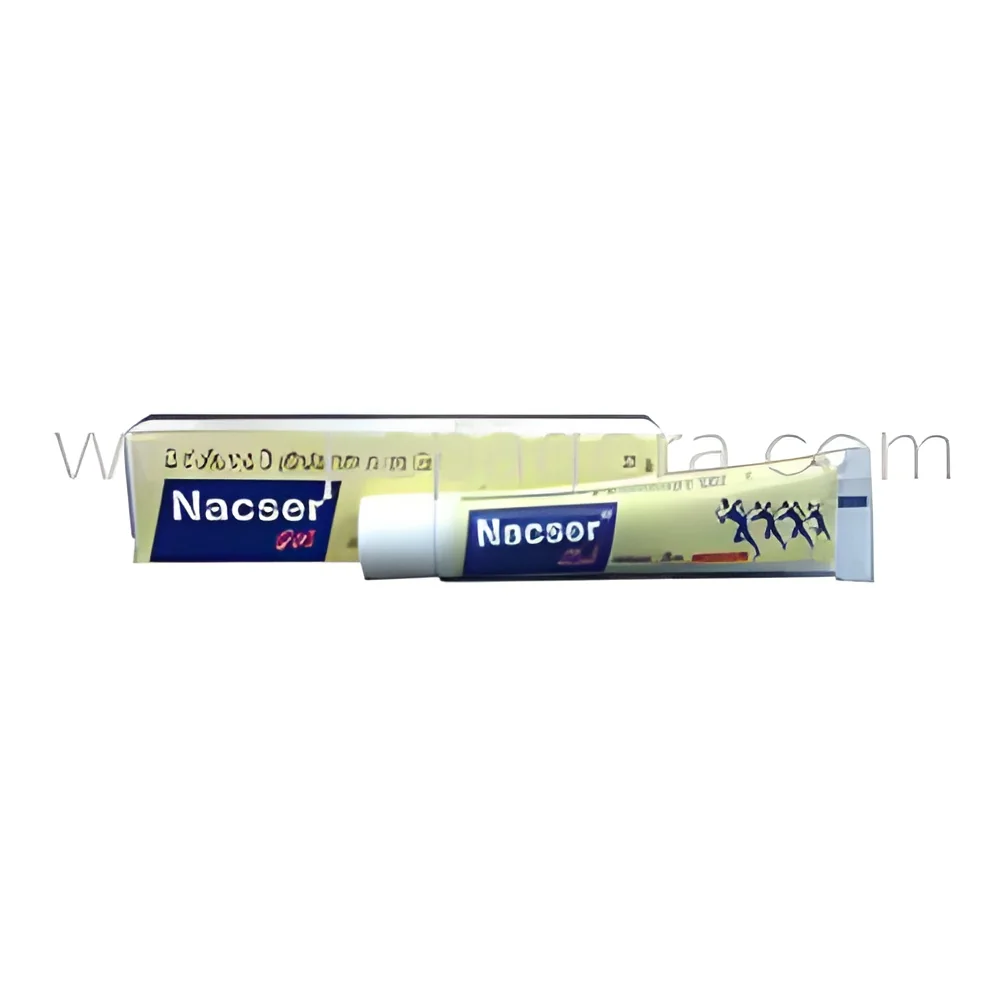
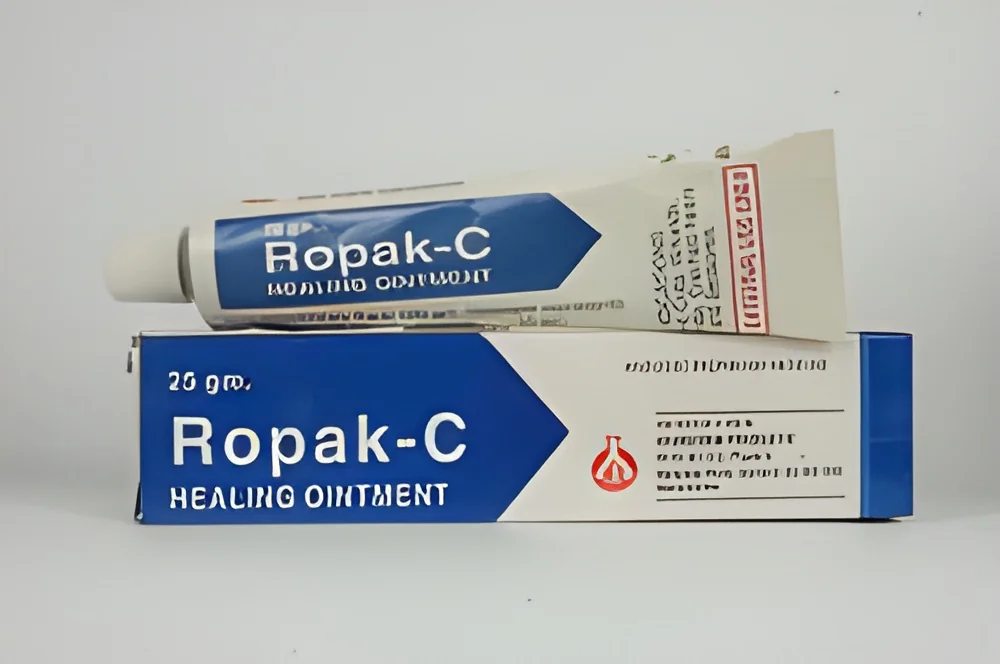
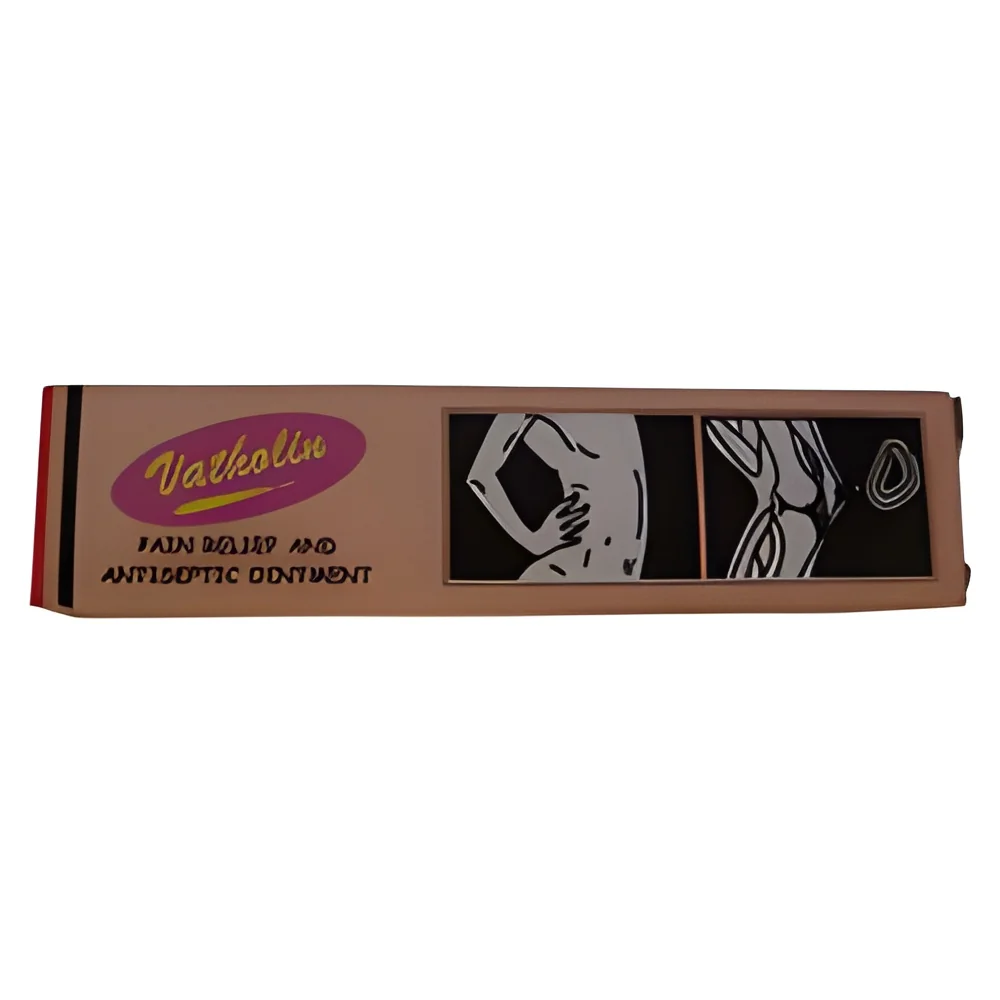
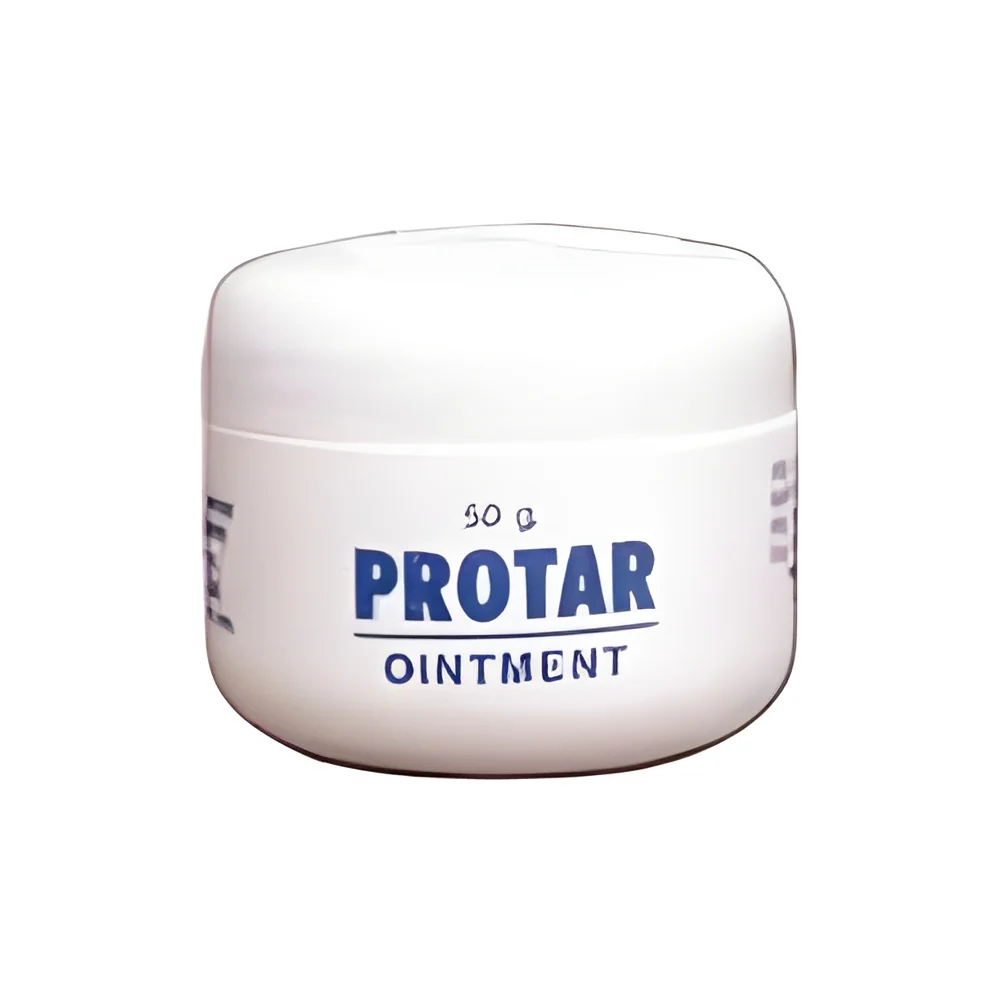
Antiseptic creams and ointments are topical preparations designed to prevent infection in minor cuts, scrapes, and burns. They typically contain active ingredients that serve to kill or inhibit the growth of bacteria, fungi, and viruses. These formulations provide a protective barrier to the skin, promoting healing while reducing the risk of infection from external contaminants.
The primary uses of antiseptic creams and ointments span a variety of settings, including healthcare facilities, industrial environments, and consumer applications. Businesses such as hospitals, clinics, and pharmacies utilize these products to ensure patient safety and care. Additionally, industries like construction and manufacturing may use antiseptic solutions to treat minor injuries sustained on-site. The relevance of antiseptic creams and ointments in the market has grown as awareness of hygiene and infection control has increased, particularly in the context of public health.
Key Features and Specifications
Antiseptic creams and ointments come with several key features and specifications that cater to diverse needs across various industries. Understanding these specifications can help businesses make informed choices for their specific applications.
Key specifications include:
1. Active Ingredients
- Common antiseptics include benzalkonium chloride, chlorhexidine, and iodine compounds.
- Concentrations and effective ranges vary according to the formulation.
2. Application Method
- Available in tube or jar formats for easy application.
- Some products may be sprayable for hard-to-reach areas.
3. Shelf Life
- Typical shelf life ranges from 2 to 3 years when stored properly.
- Expiration dates should be clearly marked on the packaging.
4. Skin Compatibility
- Formulations are often dermatologically tested to minimize irritation.
- Hypoallergenic options may be available for sensitive skin.
5. Packaging Options
- Available in various sizes, from travel-friendly tubes to larger industrial containers.
- Packaging is often designed for ease of use in both clinical and field settings.
6. Compliance Standards
- Must meet industry standards such as CE marking for safety and efficacy.
- Compliance with local regulations ensures product safety for end-users.
In summary, understanding the features and specifications of antiseptic creams and ointments is crucial for businesses seeking reliable products for infection prevention.
Common Applications and Use Cases
Antiseptic creams and ointments find utility across various industries, ensuring safe and effective wound care.
1. Healthcare: Hospitals and clinics utilize antiseptic products for treating minor injuries and preventing infections during surgical procedures.
2. Construction: Workers in construction sites often encounter cuts and abrasions. Antiseptic creams are essential for immediate treatment to mitigate infection risks.
3. Hospitality: In the hospitality sector, these products are used in first-aid kits for staff and guests, ensuring quick response to minor injuries.
4. Food Processing: Employees in food production facilities use antiseptic ointments to treat cuts, promoting hygiene and safety in food handling.
5. Sports and Fitness: Athletes and trainers use antiseptic creams to manage cuts and scrapes, maintaining hygiene during physical activities.
6. Outdoor Adventures: Camping and hiking enthusiasts carry antiseptic ointments in their first-aid kits to manage injuries sustained in outdoor environments.
Product Variants and Subcategories
Antiseptic creams and ointments are available in various formulations to meet specific needs.
Antiseptic Cream
This variant typically has a lighter consistency and is easily absorbed by the skin. It is suitable for treating minor cuts and scrapes, providing a soothing effect while preventing infection.
Antiseptic Ointment
This variant is thicker and provides a more substantial protective barrier over wounds. It is ideal for use on larger abrasions and offers prolonged moisture retention, aiding in the healing process.
Benefits and Advantages
Choosing antiseptic creams and ointments offers several benefits for businesses and end-users alike.
1. Infection Prevention: These products significantly reduce the risk of infection from minor injuries, promoting faster healing.
2. Versatile Use: Antiseptic creams and ointments can be applied in various settings, from healthcare to outdoor activities, making them essential for first-aid kits.
3. Easy Application: Most formulations are designed for straightforward application, ensuring quick and efficient treatment of wounds.
4. Skin Protection: They provide a protective barrier on wounds, preventing contaminants from entering and causing infections.
5. Cost-Effective: With a long shelf life and multiple applications, these products are a cost-effective solution for maintaining hygiene.
6. Enhanced Healing: Regular application can contribute to faster healing of minor injuries, ensuring a quicker return to daily activities.
Buying Guide for B2B Buyers
When sourcing antiseptic creams and ointments, it is essential to consider several factors to ensure you select the right products for your business needs.
1. Quality Assessment: Evaluate the quality of the antiseptic products by checking for certifications and compliance with industry standards. Look for products that have undergone rigorous testing.
2. Supplier Verification: Vet potential suppliers by checking their reputation, customer reviews, and certifications. A reliable supplier ensures consistent product quality and availability.
3. Pricing and MOQ: Consider the pricing structure and minimum order quantities (MOQ) offered by suppliers. Ensure that the costs align with your budget while meeting your supply needs.
4. Delivery and Lead Times: Assess the logistics of delivery and lead times. Reliable suppliers should provide clear timelines to ensure you have products when needed.
5. Compliance Requirements: Be aware of regional regulations and compliance standards for antiseptic products. Ensure that suppliers provide necessary documentation for legal compliance.
Compliance and Certifications
Compliance and certifications play a critical role in ensuring the safety and effectiveness of antiseptic creams and ointments. Products must adhere to relevant quality standards such as ISO 9001, which focuses on quality management systems, ensuring consistent product quality.
Industry certifications like CE mark indicate that the products meet European safety and health requirements. This certification is vital for market acceptance in Europe and other regions that recognize CE compliance.
Safety and testing requirements typically involve rigorous assessments to ensure that the products do not cause harm to users. Additionally, regional compliance considerations may vary, necessitating awareness of local regulations that govern the sale and distribution of antiseptic products.
Why Source Antiseptic Creams & Ointments from Pepagora?
Pepagora provides a trusted platform for sourcing antiseptic creams and ointments, offering several key advantages to buyers.
Verified Supplier Network: Pepagora connects businesses with a network of verified suppliers, ensuring that buyers can access high-quality antiseptic products. This verification process helps eliminate concerns regarding product authenticity and safety.
Streamlined RFQ Process: The platform features a streamlined request for quotation (RFQ) system, allowing buyers to easily compare prices and specifications from multiple suppliers. This efficiency saves time and simplifies the sourcing process.
Trade Assurance and Support: Buyers are provided with trade assurance, protecting their orders and ensuring that they receive what they pay for. The support team is also available to assist with any inquiries or issues related to sourcing.
Regional Coverage: With a strong presence in regions like India, the Gulf Cooperation Council (GCC), and Southeast Asia, Pepagora offers extensive geographic coverage. This regional expertise allows businesses to find suitable suppliers that meet their specific needs.


Frequently Asked Questions
What are Antiseptic Creams & Ointments?
Antiseptic creams and ointments are topical medications designed to prevent infection in minor cuts, scrapes, and burns. They contain active ingredients that inhibit the growth of microorganisms, helping to protect wounds and promote healing.
What are the different types of Antiseptic Creams & Ointments?
There are various types of antiseptic creams and ointments available, including those containing silver sulfadiazine, iodine, and hydrogen peroxide. Some are formulated for specific uses, such as treating acne or surgical wounds, while others offer broad-spectrum antimicrobial properties.
How do I choose the right Antiseptic Creams & Ointments?
Choosing the right antiseptic cream or ointment involves considering the type of wound or skin condition being treated. It’s important to select a product that matches the specific needs, such as antibacterial, antifungal, or wound healing properties, and to consult with a healthcare professional if necessary.
What are the standard specifications for Antiseptic Creams & Ointments?
Standard specifications for antiseptic creams and ointments may include active ingredient concentration, pH levels, and stability under various storage conditions. Additionally, compliance with pharmacopoeial standards to ensure efficacy and safety is crucial.
What is the price range for Antiseptic Creams & Ointments?
The price range for antiseptic creams and ointments can vary widely based on brand, formulation, and packaging. Generally, prices can start from a few hundred rupees for basic products to several thousand rupees for specialized formulations.
What quality standards apply to Antiseptic Creams & Ointments?
Antiseptic creams and ointments must adhere to quality standards set by regulatory bodies such as the Central Drugs Standard Control Organization (CDSCO) in India. These standards ensure that products are safe, effective, and manufactured under good manufacturing practices (GMP).
Where can I find Antiseptic Creams & Ointments suppliers in India?
You can find suppliers of antiseptic creams and ointments in India through online B2B marketplaces like Pepagora, as well as through pharmaceutical trade shows and industry directories. Researching and contacting manufacturers directly can also yield reliable suppliers.
Can Antiseptic Creams & Ointments be customized?
Yes, many manufacturers offer customization options for antiseptic creams and ointments, allowing businesses to tailor formulations, packaging, and branding to meet specific market needs. It is advisable to discuss customization options with the supplier during the procurement process.
What is the typical minimum order quantity for Antiseptic Creams & Ointments?
The minimum order quantity (MOQ) for antiseptic creams and ointments can vary by supplier and product type, typically ranging from 100 to 1000 units. It is best to confirm the MOQ with the supplier when placing an order.
What is the typical lead time for Antiseptic Creams & Ointments?
The typical lead time for antiseptic creams and ointments can range from a few days to several weeks, depending on factors such as order size, product availability, and manufacturing schedules. Suppliers usually provide estimated delivery times upon order confirmation.
Why Businesses Trust Pepagora
Thousands of companies trust Pepagora to source smarter and sell faster
Expand Your Sales Globally

Source Smarter,Grow Faster
