What are Medical Gloves?
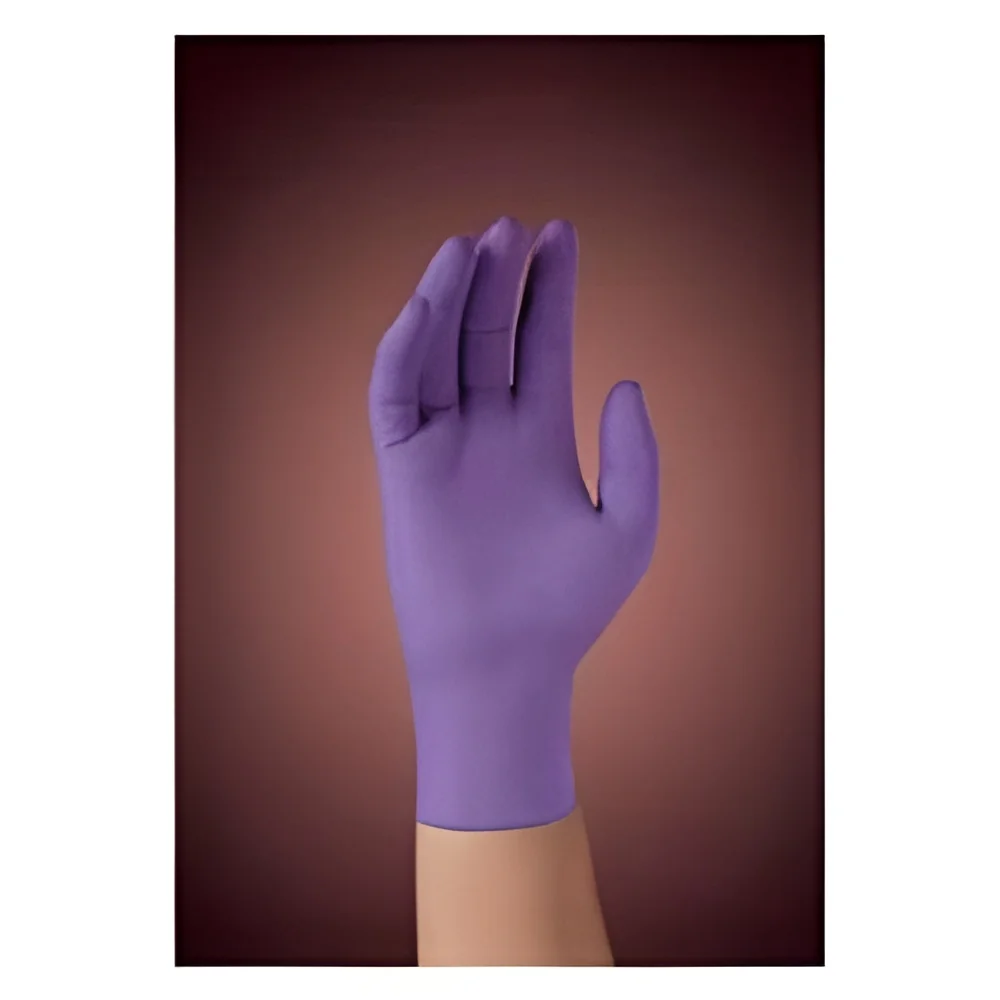
Medical gloves are disposable hand coverings made from various materials designed to protect both the wearer and patients during medical procedures. They serve as a barrier against contamination, reducing the risk of cross-infection in clinical environments. These gloves are essential in maintaining hygiene standards in healthcare settings, ensuring the safety of both healthcare professionals and patients.
The primary uses of medical gloves include surgical procedures, examinations, and laboratory work. They are commonly utilized in hospitals, clinics, dental offices, and laboratories to prevent the transmission of pathogens. The increasing global focus on health and safety, particularly in the wake of health crises, has led to a surge in demand for medical gloves across various sectors, solidifying their relevance in the market.
In the current market context, the medical gloves industry is experiencing significant growth driven by heightened awareness of infection control. The COVID-19 pandemic further accelerated this demand, prompting manufacturers to scale production capabilities. The industry is also adapting to evolving regulations and standards, ensuring that products meet safety requirements for various applications.
Key Features and Specifications
Medical gloves come with a range of features and specifications that cater to different needs in the healthcare sector. The choice of material, thickness, and fit can greatly influence the effectiveness and comfort of the gloves.
Key specifications include:
1. Material Type
- Common materials include latex, nitrile, and vinyl.
- Each material offers different levels of sensitivity, durability, and chemical resistance.
2. Size Range
- Gloves are available in various sizes, typically small, medium, large, and extra-large.
- Proper sizing is crucial for ensuring comfort and dexterity during use.
3. Thickness
- Glove thickness varies, often measured in mils.
- Thicker gloves provide enhanced protection, while thinner options allow for better tactile sensitivity.
4. Sterility
- Gloves can be either sterile or non-sterile.
- Sterile gloves are essential for surgical procedures, while non-sterile gloves are suitable for general examinations.
5. Surface Texture
- Gloves may feature a smooth or textured surface.
- Textured gloves enhance grip, especially in wet conditions.
6. Puncture Resistance
- The puncture resistance rating indicates the glove’s ability to withstand sharp objects.
- Higher ratings are essential for surgical applications.
7. Chemical Resistance
- Some gloves are designed to withstand exposure to specific chemicals.
- This is crucial for laboratory and industrial use.
8. Compliance Standards
- Medical gloves must meet various regulatory standards, such as CE certification.
- Compliance ensures safety and effectiveness in medical applications.
In summary, selecting the right medical gloves involves understanding these key specifications to meet specific healthcare requirements.
Common Applications and Use Cases
Medical gloves are versatile and find applications across various industries. Their primary role is to ensure safety and hygiene in medical environments.
1. Healthcare: Medical gloves are essential in hospitals and clinics for surgeries, examinations, and patient interactions to prevent infection.
2. Dental: Dentists use gloves during procedures to maintain a sterile environment and protect against blood and saliva exposure.
3. Laboratory: In laboratories, gloves protect against hazardous substances and biological samples, ensuring the safety of laboratory personnel.
4. Veterinary: Veterinarians use medical gloves to handle animals safely and prevent the transmission of diseases.
5. Food Processing: In food industries, gloves help maintain hygiene standards while handling food products.
6. Emergency Services: First responders utilize gloves for patient care and to protect themselves from potential biohazards.
7. Pharmaceutical: In pharmaceutical settings, gloves are used to handle medications and compounds safely.
Product Variants and Subcategories
Medical gloves come in a variety of types to suit different needs and preferences. Understanding these variants is essential for selecting the right product.
Nitrile Gloves
Nitrile gloves are a popular alternative to latex gloves. They are latex-free, making them suitable for individuals with latex allergies. Nitrile gloves offer excellent puncture resistance and are often used in situations requiring chemical protection.
Latex Gloves
Latex gloves provide a high level of tactile sensitivity and comfort. They are commonly used in medical examinations and surgical procedures. However, some users may have latex allergies, which limits their application in certain environments.
Vinyl Gloves
Vinyl gloves are an economical option for low-risk tasks. They are less durable than nitrile or latex gloves but are suitable for non-hazardous applications, such as food handling.
Polyethylene Gloves
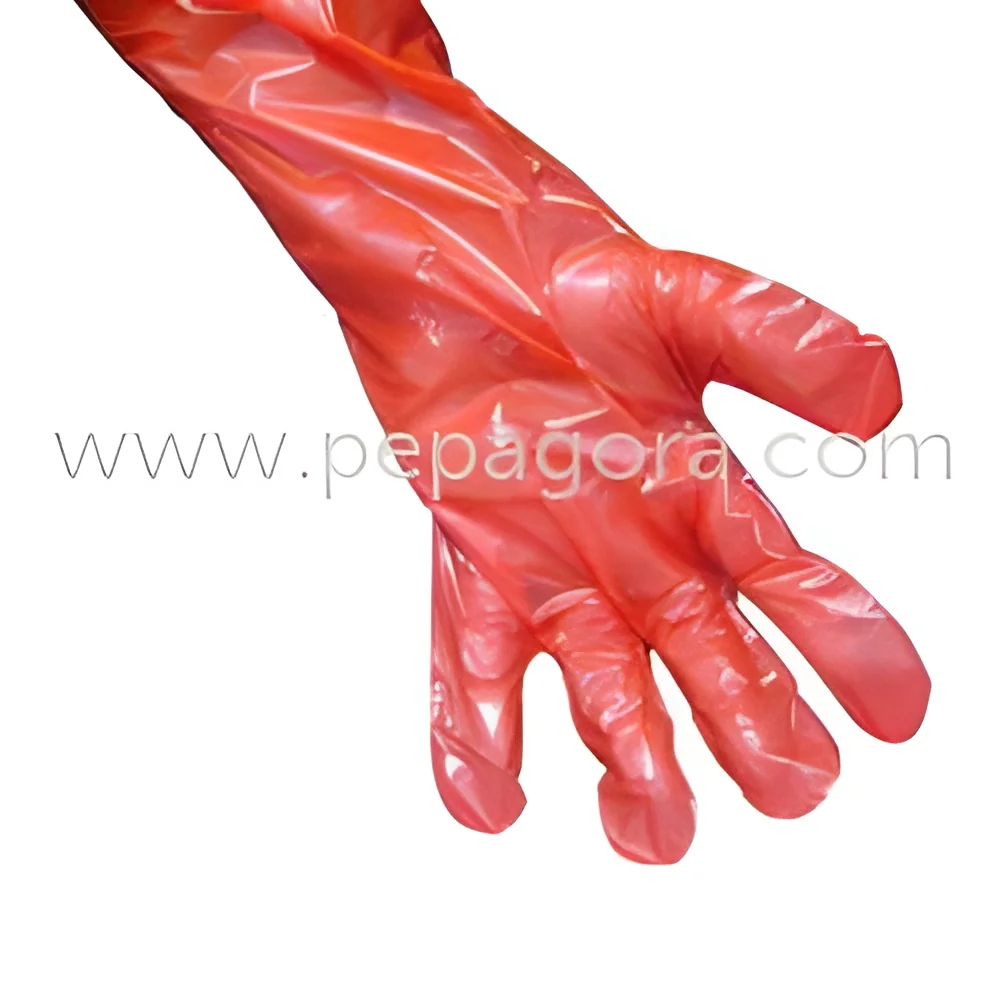
Polyethylene gloves are often used in food service and preparation. They are lightweight and provide a loose fit, making them easy to put on and remove quickly.
Benefits and Advantages
Medical gloves offer numerous benefits that are crucial for healthcare and safety.
1. Infection Control: Medical gloves significantly reduce the risk of cross-contamination and infection in healthcare settings.
2. Protection: They provide a barrier against harmful pathogens, chemicals, and bodily fluids, ensuring the safety of healthcare workers and patients.
3. Comfort and Dexterity: Many gloves are designed to offer high levels of comfort and dexterity, allowing for precise movements during procedures.
4. Versatility: Medical gloves can be used across various applications, from surgical procedures to food handling, making them a versatile choice.
5. Compliance Assurance: Using certified medical gloves helps organizations comply with health and safety regulations.
6. Cost-Effectiveness: Disposable gloves reduce the need for extensive cleaning and sterilization, offering a cost-effective solution for maintaining hygiene.
Buying Guide for B2B Buyers
When sourcing medical gloves, several key factors should be considered to ensure quality and compliance with industry standards.
1. Quality Assessment: Evaluate the quality of the gloves by checking for certifications and compliance with safety standards. Look for gloves that meet CE certification and other relevant quality benchmarks.
2. Supplier Verification: Conduct thorough research on potential suppliers. Verify their reputation, production capabilities, and compliance with industry regulations to ensure a reliable partnership.
3. Pricing and MOQ: Understand the pricing structure and minimum order quantities (MOQ) offered by suppliers. This will help in budgeting and ensuring you can meet your procurement needs without overspending.
4. Delivery and Lead Times: Consider the supplier's ability to meet delivery timelines. Timely delivery is crucial in maintaining stock levels and ensuring uninterrupted operations.
5. Compliance Requirements: Ensure that the gloves meet the specific regulatory requirements applicable in your region. This includes safety standards and certifications needed for medical use.
Compliance and Certifications
Medical gloves must adhere to various quality standards and certifications to ensure their safety and effectiveness. Key standards include ISO 9001, which focuses on quality management systems, and HACCP, which emphasizes food safety management. The CE marking is also essential, indicating compliance with European health, safety, and environmental protection standards.
In addition to these standards, medical gloves are subject to rigorous safety and testing requirements to ensure they can withstand various medical applications. This includes testing for puncture resistance, tensile strength, and barrier effectiveness.
Regional compliance is also critical, as different countries may have specific regulations governing medical products. Understanding these regional requirements is essential for manufacturers and distributors to ensure that their products are suitable for the markets they serve.
Why Source Medical Gloves from Pepagora?
Pepagora provides a trusted platform for sourcing medical gloves with numerous advantages for B2B buyers.
Verified Supplier Network: Pepagora works with a network of verified suppliers, ensuring that all listed products meet high-quality standards. This verification process helps buyers choose reliable partners for their procurement needs.
Streamlined RFQ Process: The platform features a streamlined request for quotation (RFQ) process, allowing buyers to easily compare prices and specifications. This simplifies the sourcing process and ensures that buyers get the best deals.
Trade Assurance and Support: Pepagora offers trade assurance and support to protect buyers throughout the procurement process. This includes assistance with any issues that may arise during transactions, ensuring a smooth experience.
Regional Coverage: With a strong presence in regions like India, GCC, and Southeast Asia, Pepagora is well-positioned to meet the diverse needs of buyers across these markets. This regional coverage ensures timely delivery and support for various procurement requirements.

 IN
IN