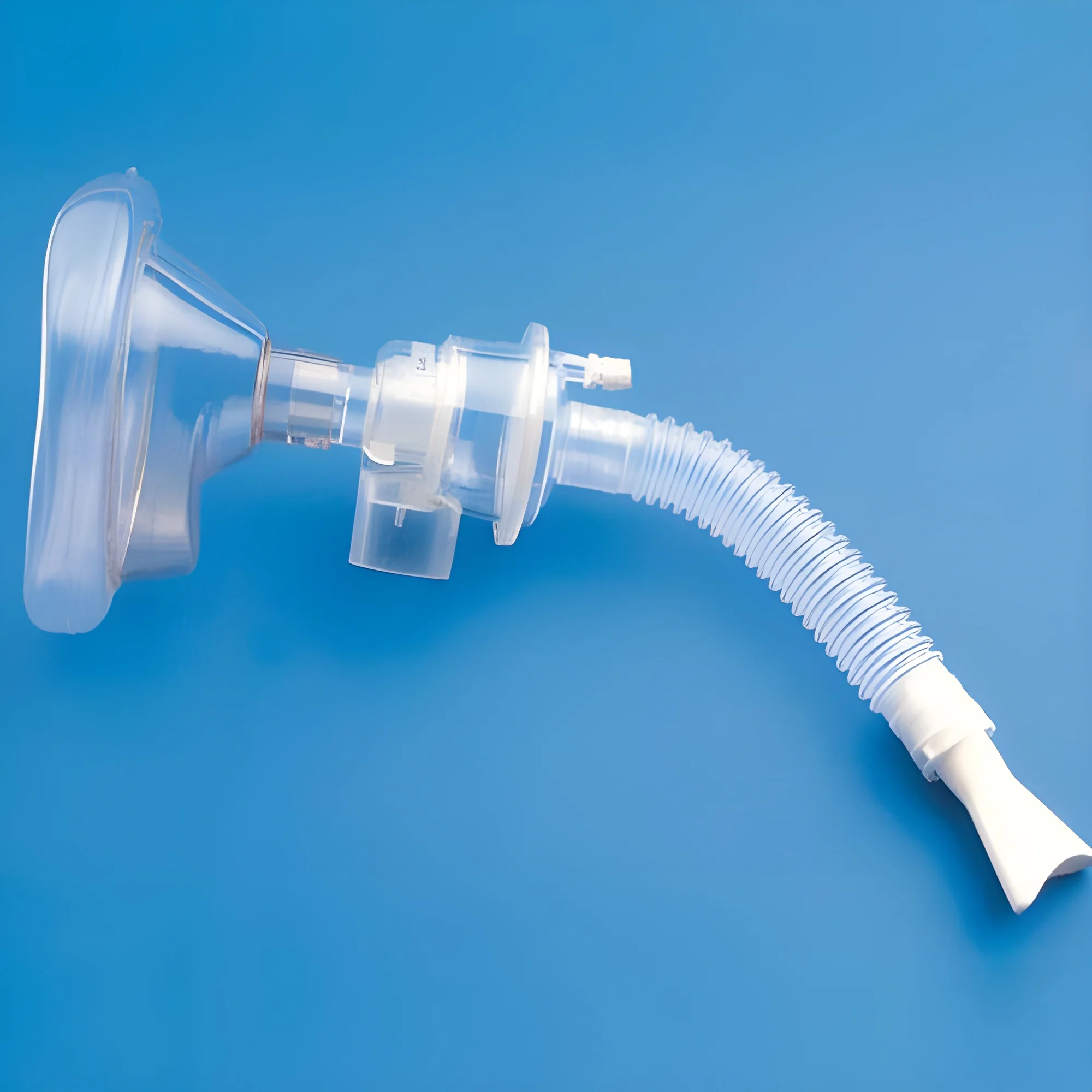
What are CPR Masks?
CPR masks are specialized devices designed to provide a barrier between a rescuer and a victim during cardiopulmonary resuscitation. These masks allow for effective ventilation while minimizing the risk of contact with bodily fluids. They typically feature a one-way valve that prevents exhaled air from re-entering the mask, ensuring that the rescuer remains protected during the process.
The primary use of CPR masks is in emergency response situations, particularly in healthcare settings, educational institutions, and various workplaces. They are essential for trained professionals and laypersons alike, enabling them to perform lifesaving techniques without direct exposure to the patient's mouth and nose. As awareness of safety protocols grows globally, the market for CPR masks continues to expand, reflecting an increased focus on health and safety in both public and private sectors.
Key Features and Specifications
CPR masks are designed with specific features that enhance their usability and effectiveness during emergencies. Understanding these specifications can help buyers make informed purchasing decisions.
Key specifications include:
1. One-Way Valve
- Prevents backflow of air
- Ensures the rescuer remains protected
2. Soft, Flexible Material
- Ensures comfort during use
- Reduces the risk of injury to the victim
3. Size Variability
- Available in adult and pediatric sizes
- Accommodates different patient needs
4. Portable Design
- Lightweight and easy to carry
- Ideal for first aid kits and emergency bags
5. Compatibility with Oxygen Sources
- Can be used with supplemental oxygen
- Enhances ventilation effectiveness
6. Clear Mask Transparency
- Allows for visibility of the patient's lips
- Aids in assessing proper seal and ventilation
7. Disposable Options
- Single-use masks reduce contamination risk
- Made from materials compliant with health standards
8. CE Certification
- Ensures compliance with European safety regulations
- Guarantees quality and reliability
In summary, CPR masks are vital tools in emergency situations, and their specifications help ensure they perform effectively while keeping both the rescuer and victim safe.
Common Applications and Use Cases
CPR masks are utilized across various industries, each with specific applications that highlight their importance.
1. Healthcare: In hospitals and clinics, CPR masks are crucial for medical professionals responding to cardiac emergencies. They facilitate safe and effective ventilation for patients in need.
2. Education: Schools and training facilities often include CPR masks in their first aid training programs. This prepares staff and students to respond to emergencies with the appropriate equipment.
3. Sports: Athletic facilities and organizations use CPR masks during events and competitions to ensure quick response capabilities for athletes who may suffer cardiac incidents.
4. Emergency Services: Firefighters and paramedics carry CPR masks as part of their first aid kits. They are essential tools in emergency medical situations.
5. Industrial Settings: Factories and construction sites include CPR masks in their safety protocols, particularly for personnel trained in first aid and emergency response.
6. Community Programs: CPR training programs in communities often provide masks to participants, emphasizing the importance of being prepared for emergencies.
7. Personal Use: Individuals may choose to keep CPR masks in their homes or vehicles as part of personal safety preparedness.
Product Variants and Subcategories
CPR masks come in various forms, catering to different needs and preferences in emergency situations.
Standard CPR Mask
This variant is designed for general use and features a one-way valve and flexible material for comfort. It is suitable for adults and is commonly included in first aid kits.
Pediatric CPR Mask
Specifically designed for children, this variant ensures a proper fit for smaller faces. It maintains all the essential features of the standard mask while focusing on the unique needs of younger patients.
Training CPR Mask
These masks are used in educational settings and feature a clear design to allow instructors to demonstrate proper techniques. They are often designed for repeated use during training sessions.
Benefits and Advantages
CPR masks offer numerous benefits that enhance their value in emergency situations.
Key benefits include:
1. Enhanced Safety: The one-way valve design keeps the rescuer safe from potential exposure to infectious diseases during resuscitation.
2. Ease of Use: The masks are designed for quick application, allowing rescuers to act swiftly in emergencies.
3. Versatility: CPR masks can be used across various settings, making them essential tools for healthcare, education, and personal safety.
4. Cost-Effectiveness: These masks are generally affordable, allowing organizations to equip multiple personnel without significant budget constraints.
5. Compliance with Standards: Many CPR masks meet international safety standards, providing assurance to users regarding their effectiveness.
6. Portability: The lightweight design makes it easy to carry CPR masks in first aid kits or emergency bags, ensuring readiness.
Buying Guide for B2B Buyers
When sourcing CPR masks, businesses should consider several important factors to ensure they choose the right products.
1. Quality Assessment: Evaluate masks based on materials used, manufacturing processes, and compliance with health regulations. High-quality masks will enhance safety and effectiveness.
2. Supplier Verification: It is essential to vet suppliers carefully. Look for manufacturers with a proven track record and positive reviews to ensure product reliability.
3. Pricing and MOQ: Consider the cost of masks along with the minimum order quantity. Ensure that pricing aligns with your budget while meeting your organizational needs.
4. Delivery and Lead Times: Assess the supplier's ability to deliver products promptly. Reliable delivery is crucial for maintaining stock levels and ensuring readiness.
5. Compliance Requirements: Familiarize yourself with any regulatory compliance that may apply in your region. Ensure that the masks meet necessary health and safety standards.
Compliance and Certifications
CPR masks are subject to various industry standards and certifications that ensure their quality and safety.
One of the relevant quality standards is ISO 9001, which ensures that products meet customer and regulatory requirements. This standard emphasizes the importance of a quality management system in manufacturing processes.
Additionally, many CPR masks are CE certified, demonstrating compliance with European health and safety regulations. This certification assures buyers that the masks have been tested and meet stringent safety requirements.
Safety and testing requirements are critical in the production of CPR masks. Manufacturers must adhere to specific protocols to ensure that masks provide effective ventilation and protection during use.
Regional compliance considerations may vary, and it is essential for buyers to understand the regulations that apply in their respective markets to ensure that the masks they purchase are compliant.
Why Source CPR Masks from Pepagora?
Pepagora provides a trusted platform for sourcing CPR masks, offering several key advantages that enhance the buying experience.
One significant advantage is the verified supplier network. Pepagora ensures that all suppliers undergo a rigorous verification process, providing buyers with confidence in the quality and reliability of the products they purchase.
The streamlined RFQ process simplifies the quotation system, allowing buyers to request quotes from multiple suppliers quickly and efficiently. This feature saves time and helps buyers find the best deals.
Trade assurance and support are also key benefits of sourcing from Pepagora. The platform offers buyer protection measures, ensuring that transactions are secure and that buyers receive the products they expect.
Finally, Pepagora has a broad regional coverage, including India, the GCC, and Southeast Asia. This geographic reach allows buyers to access a wide range of suppliers and products, making it easier to meet their CPR mask needs effectively.

 IN
IN