What are Hydrogel & Hydrocolloid Dressings?
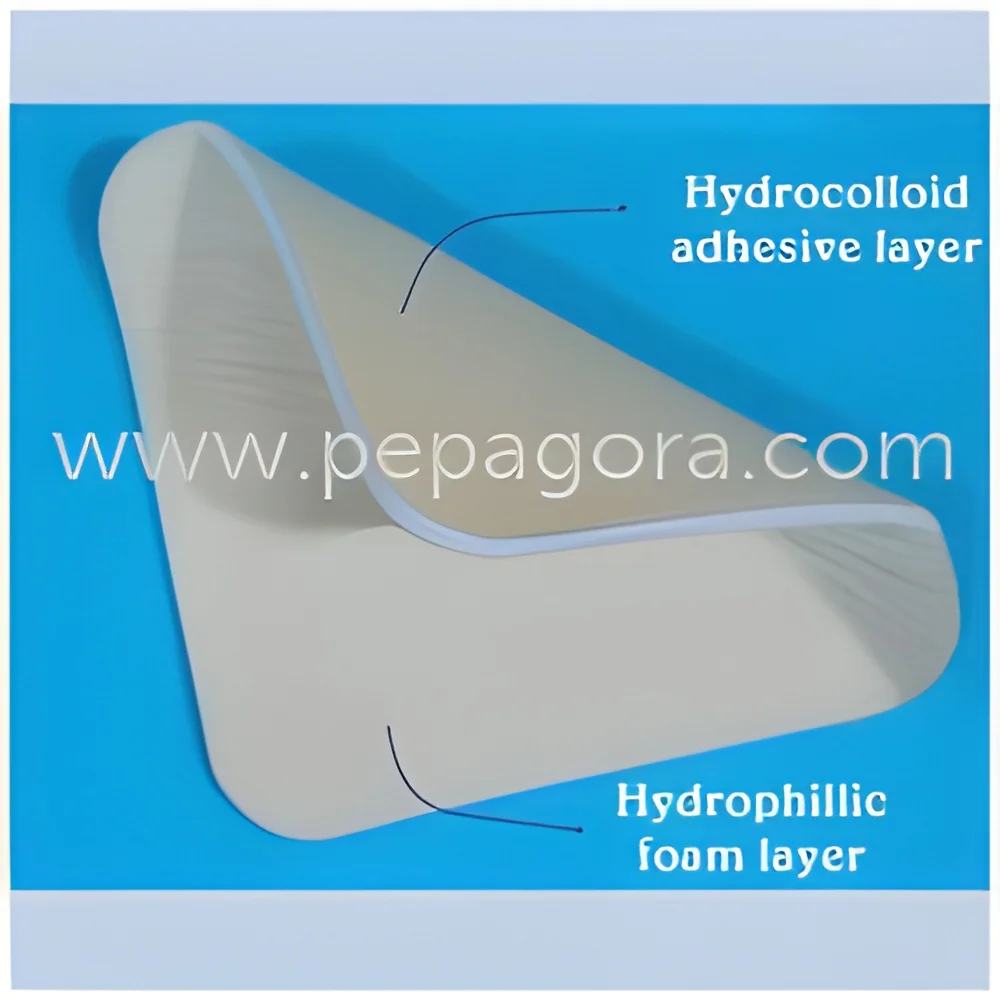
Hydrogel and hydrocolloid dressings are advanced wound care products used primarily in the medical field to promote healing and protect wounds. Hydrogel dressings consist of a water-based gel that provides moisture to the wound environment. They are effective for managing dry wounds and can help in pain relief. Hydrocolloid dressings, on the other hand, are made from a combination of materials that form a gel-like substance when they come into contact with wound exudate. These dressings provide a moist healing environment, are water-resistant, and can absorb moderate amounts of exudate.
These dressings are widely used in various healthcare settings, including hospitals, outpatient clinics, and home care environments. They are suitable for treating a variety of wounds, such as surgical wounds, burns, ulcers, and pressure sores. The demand for hydrogel and hydrocolloid dressings is growing, driven by an increasing awareness of wound care management and a rise in chronic wounds due to an aging population. The market is also influenced by advancements in wound care technology and the introduction of innovative products that enhance healing processes.
Key Features and Specifications
Hydrogel and hydrocolloid dressings come with a range of features and specifications that cater to different wound care needs. These specifications are crucial for healthcare providers when selecting the appropriate dressing for specific types of wounds.
Key specifications include:
1. Composition
- Hydrogel dressings are primarily composed of water and polymer, providing hydration.
- Hydrocolloid dressings contain a gel-forming agent and a waterproof backing.
2. Absorption Capacity
- Hydrocolloid dressings can absorb moderate to high levels of exudate.
- Hydrogel dressings are typically used for low to moderate exudate wounds.
3. Transparency
- Hydrogel dressings may be transparent or semi-transparent, allowing for easy monitoring.
- Hydrocolloid dressings are often opaque but have transparent options for visibility.
4. Adhesive Properties
- Hydrocolloid dressings feature a sticky surface that adheres to the skin, promoting secure placement.
- Hydrogel dressings may require additional adhesive or tape for secure application.
5. Wear Time
- Hydrocolloid dressings can remain in place for several days, depending on exudate levels.
- Hydrogel dressings are usually changed more frequently due to moisture absorption.
6. Sterility
- Both types of dressings are available in sterile and non-sterile versions for varied applications.
7. Size and Shape Options
- Dressings come in various sizes and shapes to fit different wound types and locations.
8. Compatibility with Other Treatments
- Both hydrogel and hydrocolloid dressings can often be used with other wound care therapies, enhancing their effectiveness.
In summary, understanding the key features and specifications of hydrogel and hydrocolloid dressings helps healthcare providers make informed decisions when selecting the appropriate dressing for their patients.
Common Applications and Use Cases
Hydrogel and hydrocolloid dressings are versatile products used across multiple industries, including healthcare and wound management.
1. Healthcare: These dressings are primarily used in hospitals and clinics for treating surgical wounds, burns, and chronic ulcers. They facilitate healing by maintaining a moist environment while protecting the wound from infection.
2. Home Care: Patients with chronic wounds or those recovering from surgery benefit from these dressings in a home care setting. They support self-management of wounds, reducing the need for frequent medical visits.
3. Sports Medicine: Athletes often use hydrocolloid dressings for minor injuries like blisters and abrasions. These dressings protect the affected area while allowing for mobility.
4. Geriatric Care: In senior care facilities, these dressings are utilized for pressure ulcers and other skin integrity issues, promoting healing in elderly patients with delicate skin.
5. Palliative Care: Hydrogel dressings are effective for managing wounds in palliative care patients, providing comfort and pain relief during the healing process.
6. Veterinary Medicine: Hydrogel and hydrocolloid dressings are also used in veterinary applications for treating wounds in animals, ensuring proper healing and care.
Product Variants and Subcategories
The diversity of hydrogel and hydrocolloid dressings allows for tailored solutions for different wound care needs.
Hydrogel Dressings
These dressings are designed to provide a moist environment that supports healing. They are especially effective for dry wounds and are often used in combination with other treatments. Hydrogel dressings are available in various forms, including sheets and gels, to accommodate different wound sizes and locations.
Hydrocolloid Dressings
Hydrocolloid dressings offer a versatile option for managing exudate and protecting wounds. They are durable and can stay in place for several days, making them ideal for chronic wounds. Available in various shapes and sizes, these dressings conform well to body contours, ensuring comfort and security.
Benefits and Advantages
Hydrogel and hydrocolloid dressings provide numerous advantages for wound management in healthcare settings.
1. Moisture Retention: Hydrogel dressings maintain a moist wound environment, which is essential for optimal healing.
2. Infection Prevention: Hydrocolloid dressings protect wounds from external contaminants, reducing the risk of infection.
3. Pain Reduction: Both types of dressings can alleviate pain associated with wounds by providing a protective layer.
4. Versatility: These dressings can be used for various wound types, including acute and chronic wounds.
5. Ease of Use: Hydrocolloid dressings are easy to apply and remove, making them user-friendly for both healthcare professionals and patients.
6. Cost-Effectiveness: The durability of hydrocolloid dressings reduces the frequency of changes, leading to lower overall treatment costs.
Buying Guide for B2B Buyers
When sourcing hydrogel and hydrocolloid dressings for business needs, it is essential to consider several factors to ensure quality and reliability.
1. Quality Assessment: Review the manufacturing standards and materials used in the dressings. Look for certifications and quality assurance processes that indicate high product standards.
2. Supplier Verification: Vet potential suppliers by checking their reputation, customer reviews, and compliance with industry standards. Ensure they have a proven track record in delivering quality products.
3. Pricing and MOQ: Understand the pricing structures and minimum order quantities of dressings. This will help in budgeting and planning inventory needs.
4. Delivery and Lead Times: Discuss logistics with suppliers, including delivery schedules and lead times. Timely availability is crucial for maintaining consistent patient care.
5. Compliance Requirements: Ensure that the dressings meet local regulatory standards and certifications, such as CE marking. This ensures the products are safe and effective for use.
Compliance and Certifications
Hydrogel and hydrocolloid dressings are subject to various compliance and certification standards that ensure their safety and effectiveness in medical applications.
Relevant quality standards include ISO 9001, which outlines requirements for quality management systems, ensuring that manufacturers maintain high-quality production practices. Additionally, the Hazard Analysis Critical Control Point (HACCP) system is essential for identifying and managing risks associated with product safety.
Industry certifications such as CE mark indicate that the dressings comply with European health, safety, and environmental protection standards. This certification is critical for products used in healthcare settings.
Safety and testing requirements are also integral to the development of these dressings. Manufacturers must conduct thorough testing to assess biocompatibility, sterility, and effectiveness in wound care.
Regional compliance considerations may vary, so it is vital for suppliers to adhere to local regulations and guidelines pertinent to the regions in which they operate.
Why Source Hydrogel & Hydrocolloid Dressings from Pepagora?
Pepagora offers a reliable platform for sourcing hydrogel and hydrocolloid dressings, ensuring a seamless procurement process for businesses.
Verified Supplier Network: Pepagora connects buyers with a network of verified suppliers, providing confidence in the quality and reliability of products. Each supplier undergoes a rigorous verification process to ensure they meet industry standards.
Streamlined RFQ Process: The request for quotation (RFQ) process on Pepagora is designed to be efficient, allowing buyers to obtain competitive pricing and product options quickly. This streamlines the sourcing process, saving time and resources.
Trade Assurance and Support: Pepagora prioritizes buyer protection through trade assurance policies. This provides peace of mind when purchasing products, ensuring that buyers receive what they ordered and are supported throughout the transaction.
Regional Coverage: With a strong presence in India, the Gulf Cooperation Council (GCC), and Southeast Asia, Pepagora facilitates access to hydrogel and hydrocolloid dressings across a broad geographic area. This regional coverage ensures that businesses can meet their specific needs effectively and efficiently.

 IN
IN