
 IN
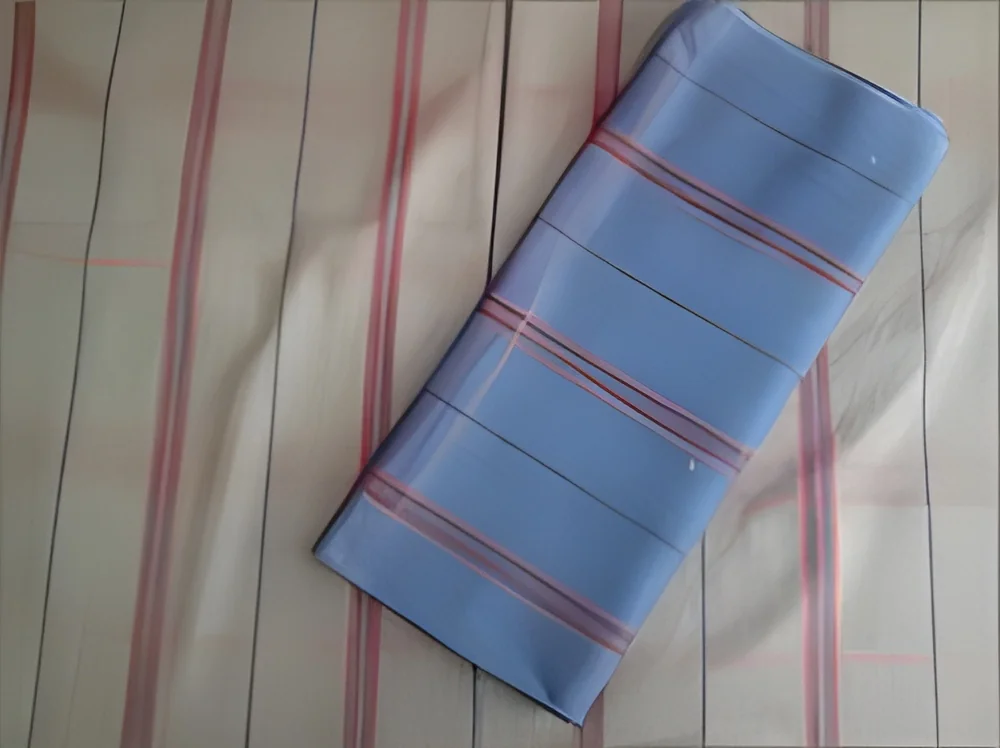
Emergency Blankets
3 products available
What are Emergency Blankets?
Emergency blankets, also known as thermal or space blankets, are lightweight, compact sheets designed to retain body heat in emergency situations. Made from a thin layer of plastic, these blankets reflect up to 90% of a person's body heat back to them, providing critical warmth. They are often used in survival kits, outdoor activities, and emergency response scenarios due to their effectiveness and portability.
The primary applications of emergency blankets extend across various sectors, including healthcare, emergency services, outdoor recreation, and disaster relief. In healthcare, they are used to prevent hypothermia in patients during transport. Emergency responders utilize them in rescue operations to provide warmth to those in distress. Additionally, outdoor enthusiasts keep them on hand for unexpected weather changes or accidents.
In a market context, the demand for emergency blankets is growing, driven by an increased focus on safety and preparedness. The rise in outdoor activities and the frequency of natural disasters further emphasize the importance of these products. As businesses and organizations prioritize emergency preparedness, emergency blankets remain a vital component of safety gear across multiple industries.
Key Features and Specifications
Emergency blankets come with several important features and specifications that enhance their usability and effectiveness. These blankets are designed to be lightweight, compact, and easily foldable, making them convenient for storage and transportation. Their reflective surface enhances heat retention, providing critical warmth in emergency situations.
Key specifications include:
1. Material
- Made from polyethylene or mylar
- Durable and tear-resistant
2. Size
- Typically measures approximately 52 x 84 inches
- Large enough to cover an adult
3. Weight
- Usually weighs around 1.5 ounces
- Lightweight for easy carrying
4. Temperature Retention
- Reflects up to 90% of body heat
- Provides warmth in cold conditions
5. Waterproof
- Resistant to water and moisture
- Protects against rain and dampness
6. Color
- Often available in metallic silver or gold
- Bright colors available for visibility
7. Packability
- Folds down to a compact size
- Easily fits in emergency kits
8. Reusability
- Can be used multiple times if handled properly
- Easy to clean and maintain
In summary, emergency blankets combine essential features of durability, portability, and heat retention, making them indispensable in emergency preparedness.
Common Applications and Use Cases
Emergency blankets serve various industries, showcasing their versatility and importance.
1. Healthcare: Hospitals and ambulances utilize emergency blankets to prevent hypothermia in patients during transport or while awaiting treatment.
2. Emergency Services: Firefighters and paramedics use these blankets in rescue efforts to provide immediate warmth to victims in critical situations.
3. Outdoor Recreation: Campers, hikers, and survivalists carry emergency blankets as part of their gear, ensuring they are prepared for sudden weather changes or emergencies.
4. Disaster Relief: Organizations involved in disaster response distribute emergency blankets to affected individuals, providing essential warmth and comfort in chaotic situations.
5. Military Applications: Emergency blankets are included in military survival kits for troops in the field, offering protection from the elements.
6. Sports Events: Athletic organizations use these blankets for athletes and spectators to stay warm during outdoor events in cooler weather.
7. Personal Safety: Individuals keep emergency blankets in their cars or homes as a precautionary measure against unexpected emergencies.
Product Variants and Subcategories
Emergency blankets come in diverse variants to cater to different needs and situations.
Compact Thermal Blanket
This variant is designed for easy portability, making it ideal for outdoor activities. Its lightweight and compact size ensure it can fit in small bags without taking up much space.
Reflective Survival Blanket
This type focuses on providing maximum heat retention with its highly reflective surface. It is particularly useful for emergency responders and survivalists who require reliable warmth in critical situations.
Emergency Poncho Blanket
This variant combines the features of a blanket and a poncho, offering coverage while allowing for mobility. It is beneficial for those who need to stay warm while being active, such as during outdoor events.
Benefits and Advantages
Emergency blankets offer numerous advantages that make them essential for various applications.
1. Lightweight Design: Their compact and lightweight nature ensures easy transport and storage, making them a practical addition to emergency kits.
2. Cost-Effective Solution: Emergency blankets are an affordable option for providing warmth and safety in emergencies, making them accessible to a wide range of users.
3. Versatile Use: Suitable for different industries and situations, emergency blankets can be used in healthcare, outdoor recreation, and disaster relief.
4. Effective Heat Retention: Their ability to reflect body heat back to the user significantly reduces the risk of hypothermia in cold conditions.
5. Waterproof Properties: Emergency blankets protect users from moisture, ensuring they remain dry and warm in wet environments.
6. Easy to Use: Simple to deploy and fold, these blankets require no special training or knowledge, making them accessible for everyone.
Buying Guide for B2B Buyers
When sourcing emergency blankets, several factors should be considered to ensure quality and reliability.
1. Quality Assessment: Buyers should evaluate the material and construction of the blankets. Look for high-quality polyethylene or mylar that guarantees durability and effectiveness.
2. Supplier Verification: It's essential to vet suppliers by checking their credibility, reviews, and certifications. A reliable supplier will ensure consistent quality and supply.
3. Pricing and MOQ: Understand the pricing structure and minimum order quantities (MOQ) to assess the budget implications. Comparing quotes from different suppliers can help secure the best deal.
4. Delivery and Lead Times: Consider logistics and delivery timelines. Ensure that suppliers can meet your deadlines for emergencies or regular supply needs.
5. Compliance Requirements: Verify that the emergency blankets meet relevant safety and regulatory standards. This includes checking for certifications such as CE to ensure quality assurance.
Compliance and Certifications
Emergency blankets must adhere to specific quality standards and certifications to ensure safety and reliability. ISO 9001, a well-known quality management standard, emphasizes consistent quality in manufacturing processes. Additionally, industry certifications such as CE indicate compliance with European safety regulations, ensuring that the products meet necessary safety and performance criteria.
Safety and testing requirements are crucial for emergency blankets. Manufacturers should conduct thorough testing to ensure that the blankets effectively retain heat and are safe for use in various conditions. Regional compliance considerations may vary, so it is important to understand the specific regulations that apply in different markets.
Why Source Emergency Blankets from Pepagora?
Pepagora provides a trusted platform for sourcing emergency blankets, offering several key advantages that set it apart from competitors.
Verified Supplier Network: Pepagora connects buyers with a network of verified suppliers. This ensures that you receive high-quality products from reputable manufacturers, minimizing risks associated with sourcing.
Streamlined RFQ Process: The platform features a user-friendly request for quotation (RFQ) system that simplifies the process of obtaining quotes. This allows buyers to compare options quickly and efficiently.
Trade Assurance and Support: Pepagora offers trade assurance, providing buyers with protection throughout the purchasing process. This includes support for any disputes or issues that may arise, ensuring a smooth transaction.
Regional Coverage: With a focus on key markets such as India, the GCC, and Southeast Asia, Pepagora's reach allows businesses to access emergency blankets tailored to their specific regional needs. This geographic coverage enhances the ability to meet local demands effectively.

Frequently Asked Questions
What are Emergency Blankets?
Emergency blankets, also known as space blankets or thermal blankets, are lightweight and compact sheets made from a thin plastic material that reflects body heat. They are primarily used in emergency situations to prevent hypothermia and maintain body temperature.
What are the different types of Emergency Blankets?
There are several types of emergency blankets, including mylar blankets, which are made from a reflective material, and insulated blankets that provide additional warmth. Some blankets are designed for specific uses, such as emergency bivy sacks or thermal wraps.
How do I choose the right Emergency Blankets?
When selecting emergency blankets, consider the material, size, and intended use. Ensure the blanket is lightweight, easily packable, and has good thermal insulation properties for effective heat retention.
What are the standard specifications for Emergency Blankets?
Standard specifications for emergency blankets typically include dimensions (often around 84 x 52 inches), weight (usually between 1.5 to 3 ounces), and thermal efficiency (with a high reflective capability). Check for durability and water resistance as well.
What is the price range for Emergency Blankets?
The price range for emergency blankets can vary widely based on factors such as material quality and brand. Generally, prices can range from INR 100 to INR 1,000 per blanket, depending on the specifications and bulk purchasing options.
What quality standards apply to Emergency Blankets?
Emergency blankets should comply with industry standards for safety and thermal efficiency. Look for certifications that indicate the materials used meet safety regulations, as well as specifications for thermal performance.
Where can I find Emergency Blankets suppliers in India?
You can find emergency blanket suppliers in India through online B2B marketplaces like Pepagora.com, industry trade shows, and local manufacturing directories. It is advisable to compare multiple suppliers for quality and pricing.
Can Emergency Blankets be customized?
Yes, many manufacturers offer customization options for emergency blankets, including branding and specific size requirements. It is best to discuss your needs directly with suppliers to explore available customization options.
What is the typical minimum order quantity for Emergency Blankets?
The typical minimum order quantity (MOQ) for emergency blankets can vary by supplier but often ranges from 100 to 500 units. Always check with the supplier for their specific MOQ requirements.
What is the typical lead time for Emergency Blankets?
The lead time for emergency blankets typically ranges from 2 to 4 weeks, depending on the supplier's inventory and customization requests. It's advisable to confirm the lead time when placing an order.
Why Businesses Trust Pepagora
Thousands of companies trust Pepagora to source smarter and sell faster
Expand Your Sales Globally

Source Smarter,Grow Faster
