
 IN
Crepe Bandages
8 products available
What are Crepe Bandages?
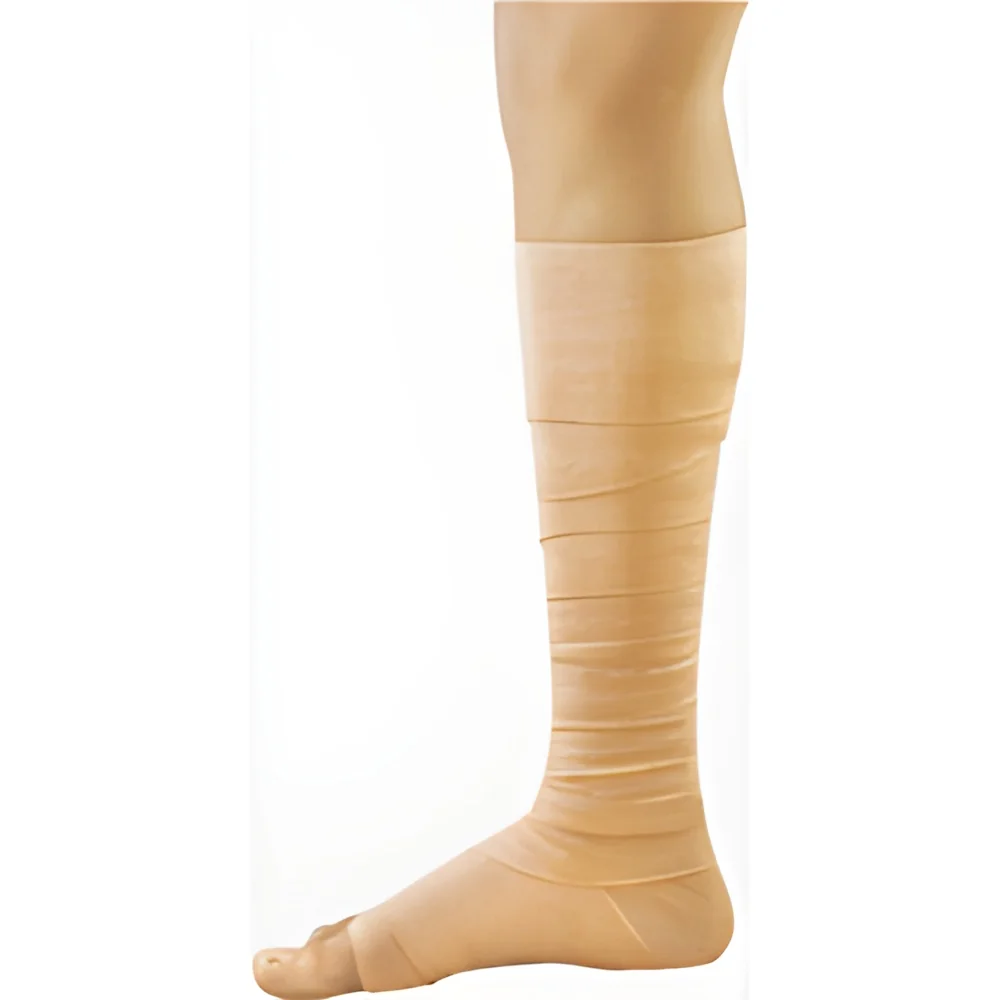
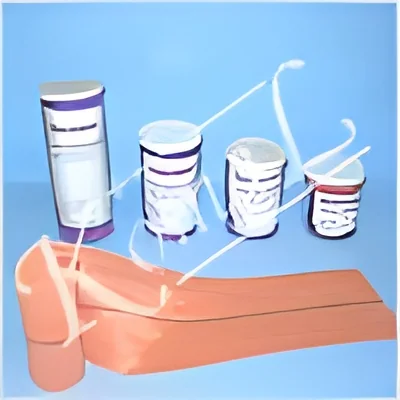
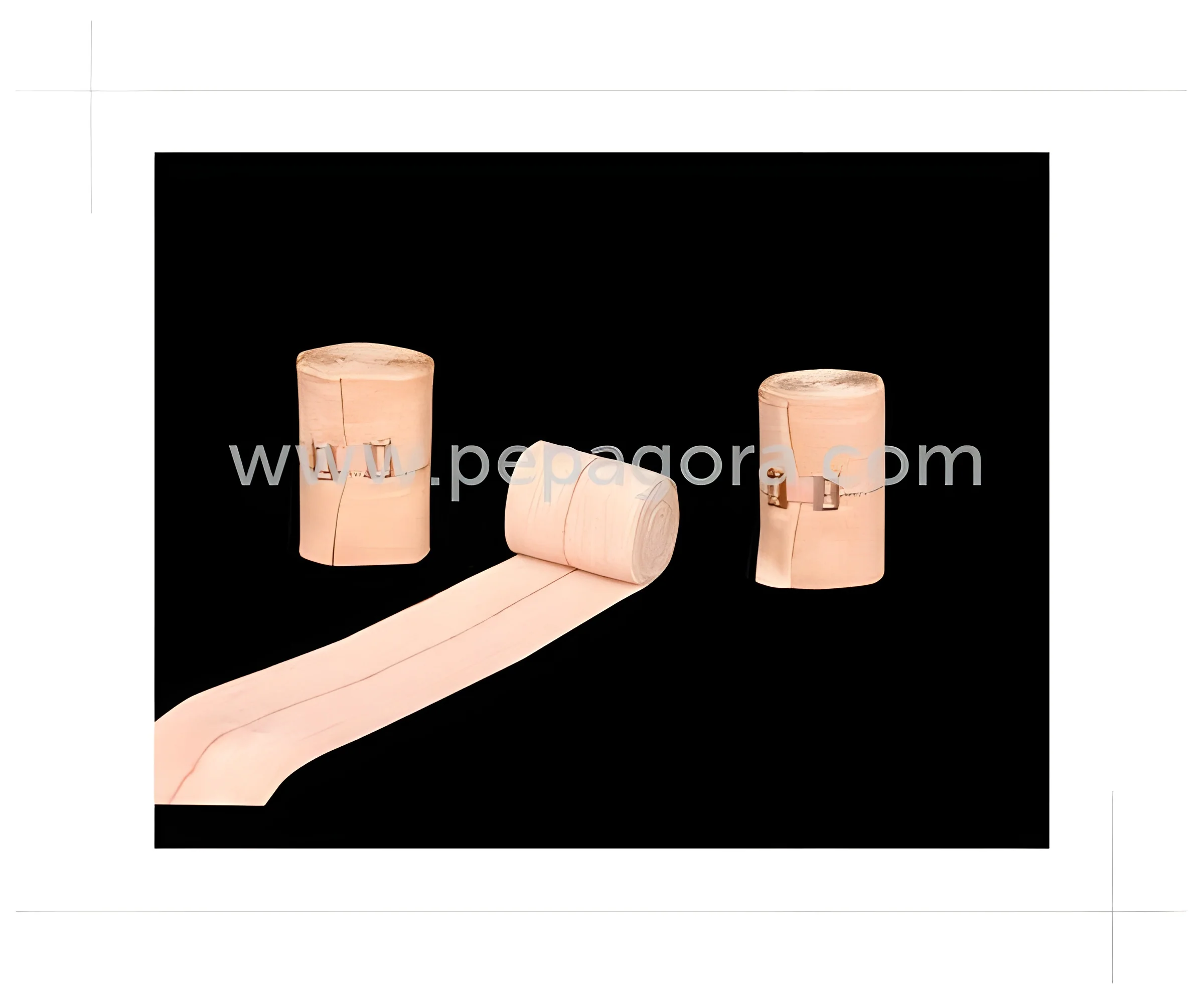
Crepe bandages are elasticized medical dressings used primarily for support and compression of injuries. Made from a blend of cotton and elastic fibers, these bandages provide a conformable and breathable wrap. They are designed to stretch and adapt to the contours of the body, ensuring comfort and functionality when applied to various areas.
The primary uses of crepe bandages include providing support for sprains and strains, securing dressings in place, and controlling swelling in injured areas. They are widely utilized in clinical settings such as hospitals, clinics, and rehabilitation centers. Furthermore, they are essential for sports medicine, where athletes often require quick support for injuries on the field.
In terms of market relevance, crepe bandages are critical in the healthcare and sports sectors. The demand for these products continues to grow as awareness of injury prevention and management increases. Additionally, innovations in material technology are enhancing the performance and comfort of crepe bandages, making them a staple in medical supply inventories.
Key Features and Specifications
Crepe bandages are characterized by several key features that enhance their usability and effectiveness. These specifications help businesses determine the right product for their specific needs.
Key specifications include:
1. Material Composition
- Made from a blend of cotton and elastic fibers
- Provides breathability and comfort during use
2. Length
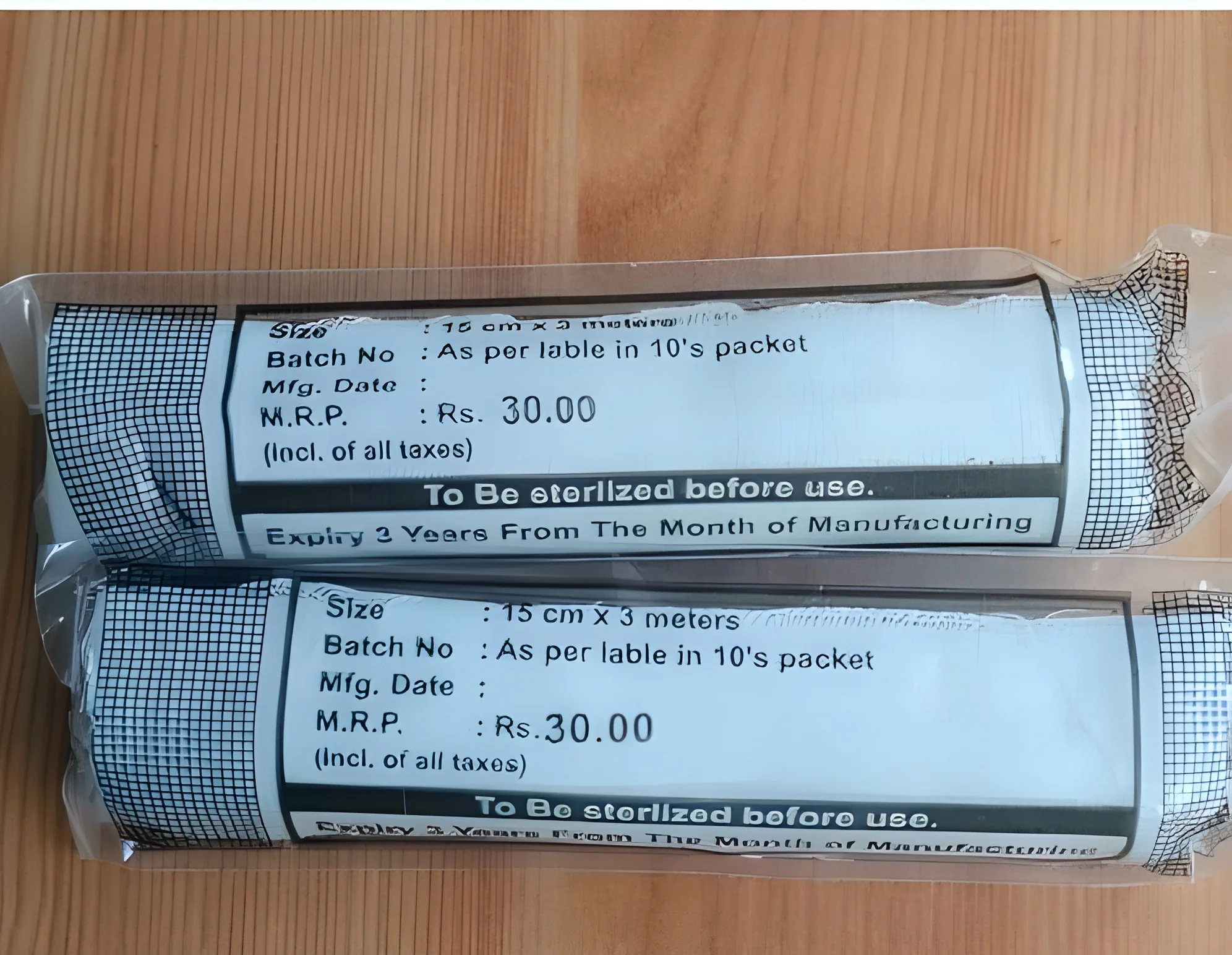
- Typically available in lengths of 4.5 meters or 5 meters
- Allows for versatile applications on various body parts
3. Width
- Common widths include 5 cm, 7.5 cm, and 10 cm
- Different widths cater to different injury types and areas
4. Elasticity
- Designed to provide moderate stretchability
- Offers support without restricting movement
5. Reusability
- Can be washed and reused multiple times
- Cost-effective for long-term use
6. Sterility
- Available in both sterile and non-sterile options
- Sterile variants are essential for clinical applications
7. Color
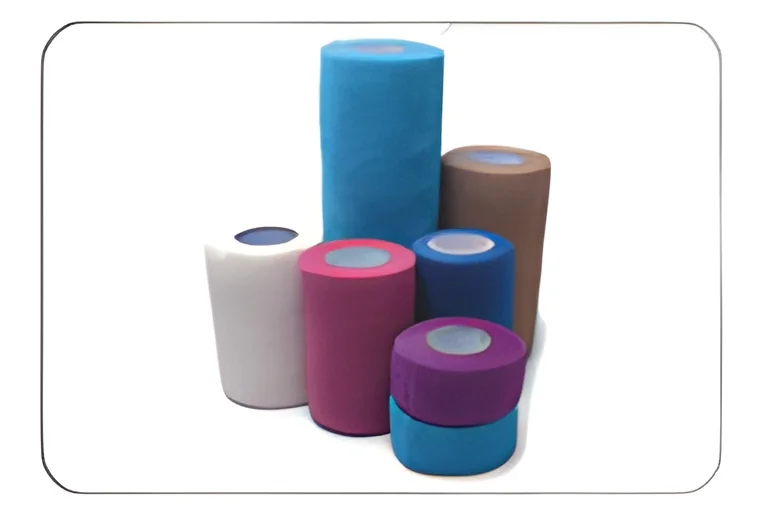
- Typically available in beige or skin-tone colors
- Aesthetic options for various user preferences
8. Packaging
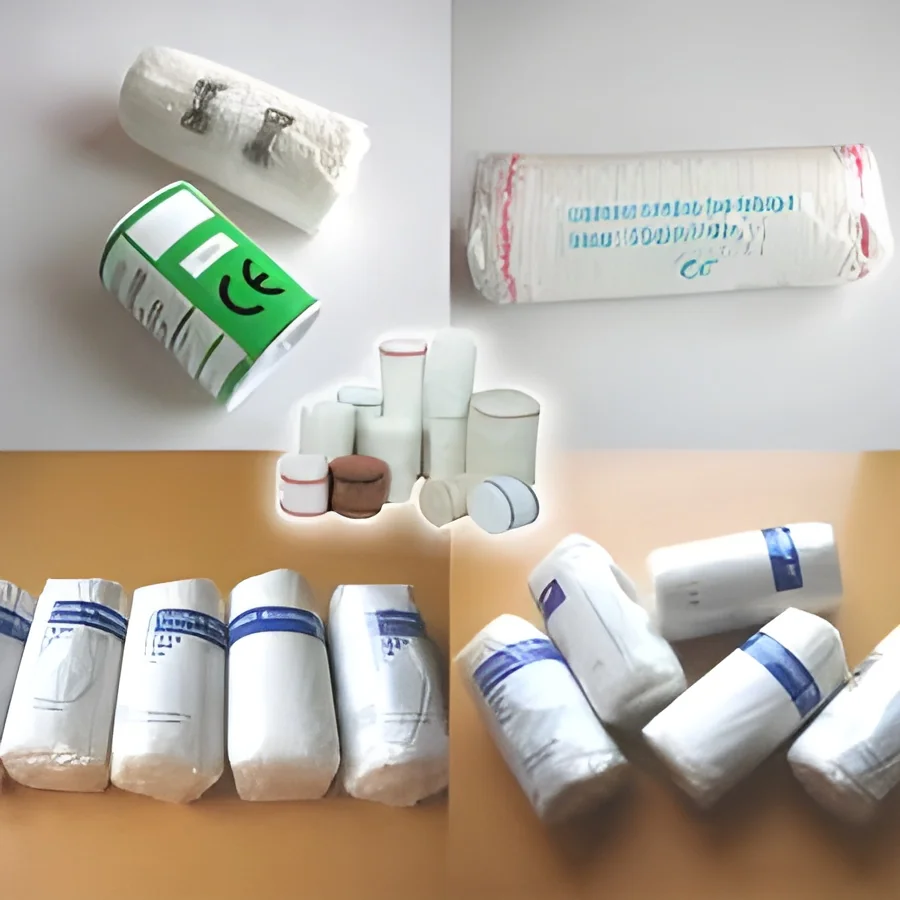
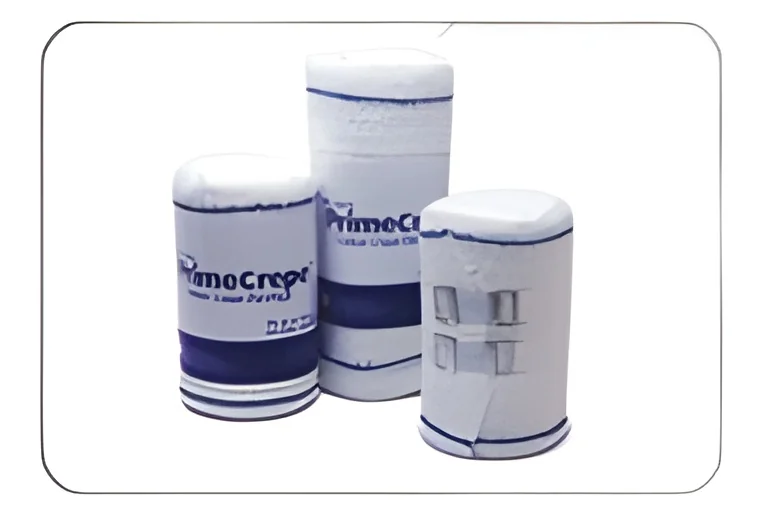
- Packaged in rolls or individually wrapped
- Facilitates easy storage and access
In summary, understanding the features and specifications of crepe bandages is crucial for businesses looking to procure these products for medical or sports use.
Common Applications and Use Cases
Crepe bandages are versatile medical supplies with applications across various industries.
1. Healthcare: In hospitals and clinics, crepe bandages are used to support sprains, strains, and post-operative wounds. They are essential in managing swelling and securing dressings on injuries.
2. Sports: Athletes utilize crepe bandages for quick support during games and training sessions. They help prevent further injury and provide compression to reduce swelling.
3. Rehabilitation: Physical therapists often use crepe bandages as part of treatment plans for patients recovering from injuries. They assist in maintaining joint stability and enhancing circulation.
4. Veterinary Medicine: Crepe bandages are also used in veterinary practices to support injured animals. They provide necessary compression and protection for wounds.
5. Emergency Services: First responders often carry crepe bandages in their kits to provide immediate support for injuries until further medical treatment can be administered.
6. Home Care: Individuals managing chronic conditions or recovering from surgery use crepe bandages at home to ensure ongoing support and comfort.
Product Variants and Subcategories
Crepe bandages come in various forms to meet the needs of different applications and users.
Standard Crepe Bandage
This is the most commonly used variant, featuring elastic properties that allow for flexibility and comfort. It is ideal for general support of sprains and strains.
Self-Adhesive Crepe Bandage
Featuring a self-adhesive backing, this variant eliminates the need for pins or clips. It adheres securely to the skin, making it easy to apply and adjust as needed.
Compression Crepe Bandage
Designed specifically for compression therapy, this variant provides higher elasticity and support. It is particularly effective for managing swelling in acute injuries.
Cotton Crepe Bandage
This variant is made entirely from cotton, providing a natural option for users with sensitive skin. It is breathable and suitable for various medical applications.
Benefits and Advantages
Crepe bandages offer numerous benefits that make them a preferred choice in medical and sports settings.
1. Versatility: Crepe bandages can be used for a wide range of injuries, from minor sprains to post-surgical supports.
2. Comfort: The soft, elastic material conforms to body shapes, providing a comfortable fit without restricting movement.
3. Reusability: Many crepe bandages are washable and reusable, offering cost savings and sustainability for users.
4. Breathability: The fabric allows for air circulation, preventing moisture buildup and skin irritation during prolonged use.
5. Easy Application: Crepe bandages can be applied quickly and easily, making them ideal for both professional and home care settings.
6. Supportive Compression: They provide gentle compression, aiding in the reduction of swelling and promoting healing.
Buying Guide for B2B Buyers
When sourcing crepe bandages, businesses should consider several important factors to ensure they select the right products.
1. Quality Assessment: Evaluate the quality of materials used in the bandages. Look for certifications that indicate compliance with industry standards, ensuring reliability and safety.
2. Supplier Verification: It is essential to vet suppliers for their reputation and reliability. Research their history and customer reviews to ensure they provide high-quality products consistently.
3. Pricing and MOQ: Understand the pricing structure and minimum order quantities. Negotiate terms that fit your budget while ensuring you receive quality products.
4. Delivery and Lead Times: Consider the logistics of delivery. Assess lead times to ensure that products can be delivered promptly to meet your operational needs.
5. Compliance Requirements: Be aware of regulatory requirements that may apply to medical products in your region. Ensure suppliers comply with all necessary standards and certifications.
Compliance and Certifications
Crepe bandages must adhere to several quality standards to ensure their safety and effectiveness in medical applications. Commonly recognized standards include ISO 9001, which ensures quality management systems are in place. Additionally, compliance with HACCP and GDP standards is important for managing health and safety risks in production.
Industry certifications such as CE mark indicate that products meet European safety, health, and environmental protection requirements. This is crucial for products intended for use in medical settings.
Safety and testing requirements are also essential. Crepe bandages should undergo rigorous testing for durability and performance to ensure they can withstand the demands of actual use.
In addition, regional compliance considerations must be taken into account. Different markets may have specific regulations that govern the use of medical products, and ensuring compliance is essential for market access.
Why Source Crepe Bandages from Pepagora?
Pepagora offers a trusted platform for sourcing crepe bandages, providing numerous advantages for businesses looking to procure these essential products.
Verified Supplier Network: Pepagora has established a rigorous verification process for suppliers, ensuring that only reputable manufacturers are available on the platform. This guarantees that buyers can trust the quality and reliability of the products they purchase.
Streamlined RFQ Process: The request for quotation (RFQ) system simplifies the procurement process. Buyers can easily compare offers from different suppliers, ensuring they get the best value for their investment.
Trade Assurance and Support: Pepagora provides trade assurance, protecting buyers against potential risks in transactions. This support builds confidence in purchasing decisions and encourages long-term business relationships.
Regional Coverage: With a strong presence in markets across India, the GCC, and Southeast Asia, Pepagora facilitates access to a diverse range of suppliers and products. This extensive network ensures that businesses can find the right crepe bandages to meet their unique needs.

Frequently Asked Questions
What are Crepe Bandages?
Crepe bandages are elasticated bandages made from a material similar to crepe fabric. They are commonly used in medical settings to provide support and compression for injured or swollen areas of the body.
What are the different types of Crepe Bandages?
Crepe bandages come in various sizes and elasticities, including light, medium, and heavy support options. They may also be available in different lengths and widths to accommodate various medical needs.
How do I choose the right Crepe Bandages?
When selecting crepe bandages, consider the level of support required, the area of the body to be bandaged, and the specific medical condition being treated. Additionally, check the size and elasticity to ensure a proper fit.
What are the standard specifications for Crepe Bandages?
Standard specifications for crepe bandages typically include dimensions such as width and length, as well as the material composition, which commonly includes cotton and elastic fibers. The bandages should also have a defined stretch capacity to provide adequate support.
What is the price range for Crepe Bandages?
The price range for crepe bandages can vary based on factors such as size, type, and manufacturer. Generally, prices may range from INR 50 to INR 300 per bandage, depending on these variables.
What quality standards apply to Crepe Bandages?
Crepe bandages are typically manufactured according to quality standards set by regulatory bodies. These may include compliance with ISO standards for medical devices, ensuring that the products are safe and effective for use.
Where can I find Crepe Bandages suppliers in India?
You can find crepe bandages suppliers in India through online B2B marketplaces like Pepagora, as well as by searching for local medical supply distributors. Networking with healthcare professionals may also provide leads on reputable suppliers.
Can Crepe Bandages be customized?
Yes, crepe bandages can often be customized based on specific requirements such as size, color, and branding. It is advisable to discuss customization options with manufacturers or suppliers directly.
What is the typical minimum order quantity for Crepe Bandages?
The typical minimum order quantity (MOQ) for crepe bandages can vary by supplier but usually ranges from 50 to 100 units. It's best to check with individual suppliers for their specific MOQ policies.
What is the typical lead time for Crepe Bandages?
The typical lead time for crepe bandages can range from one week to several weeks, depending on factors such as availability, customization requests, and the supplier's production schedule. Always confirm lead times with the supplier before placing an order.
Why Businesses Trust Pepagora
Thousands of companies trust Pepagora to source smarter and sell faster
Expand Your Sales Globally

Source Smarter,Grow Faster
