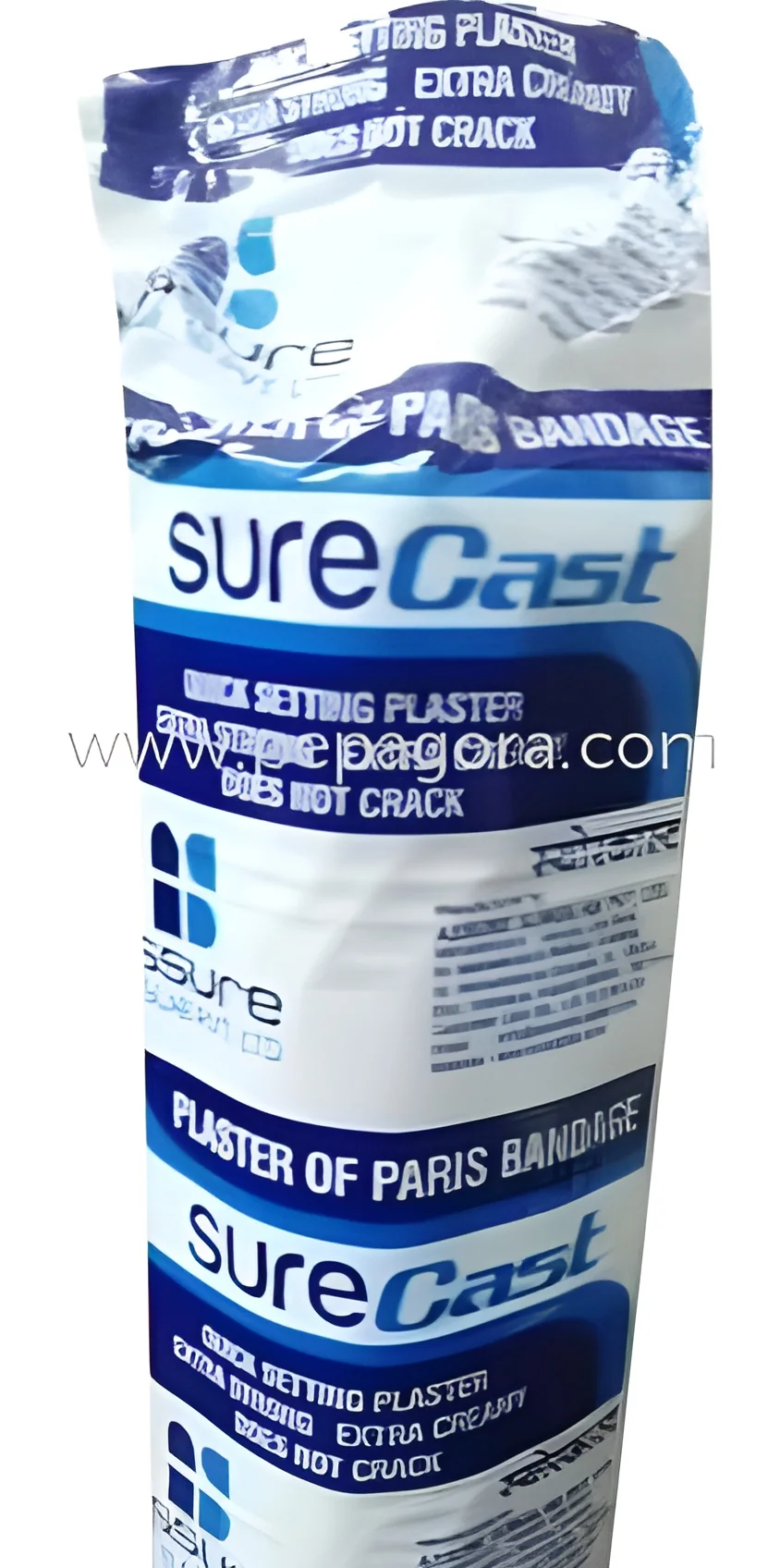
What are Splints & Slings?
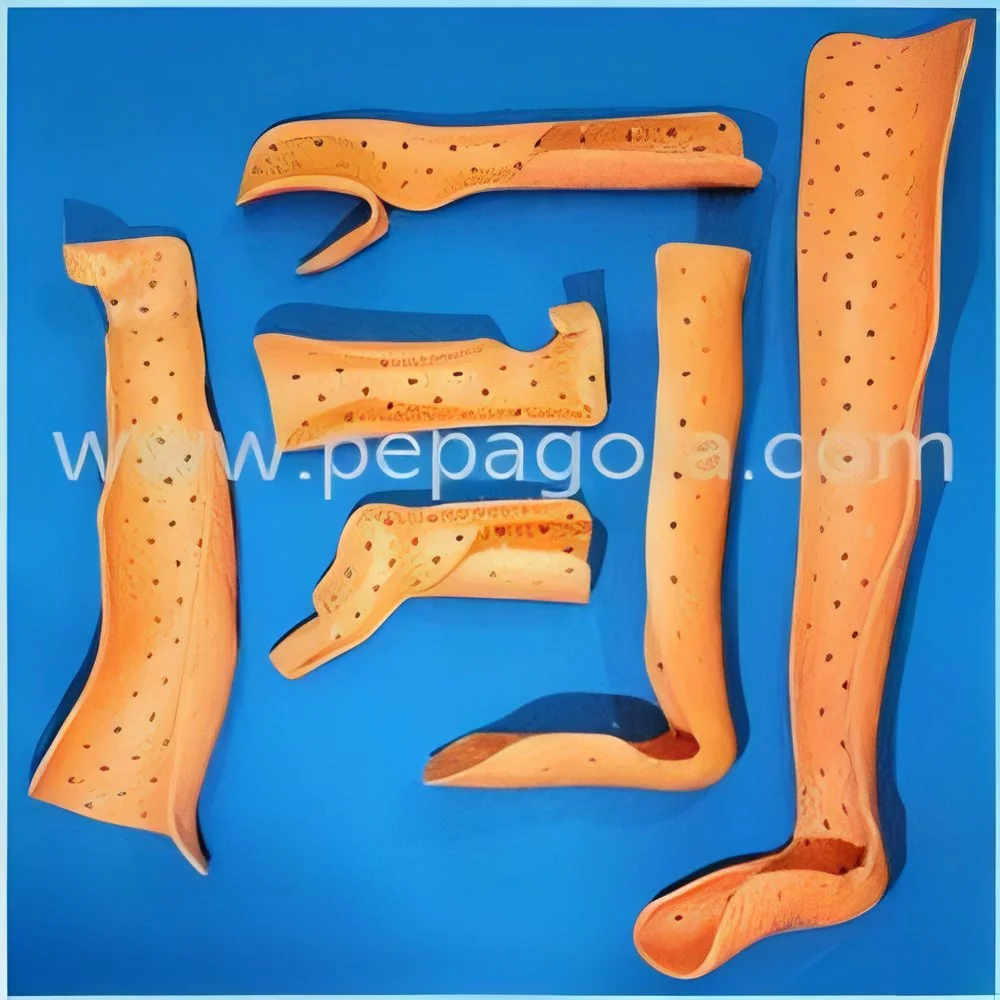
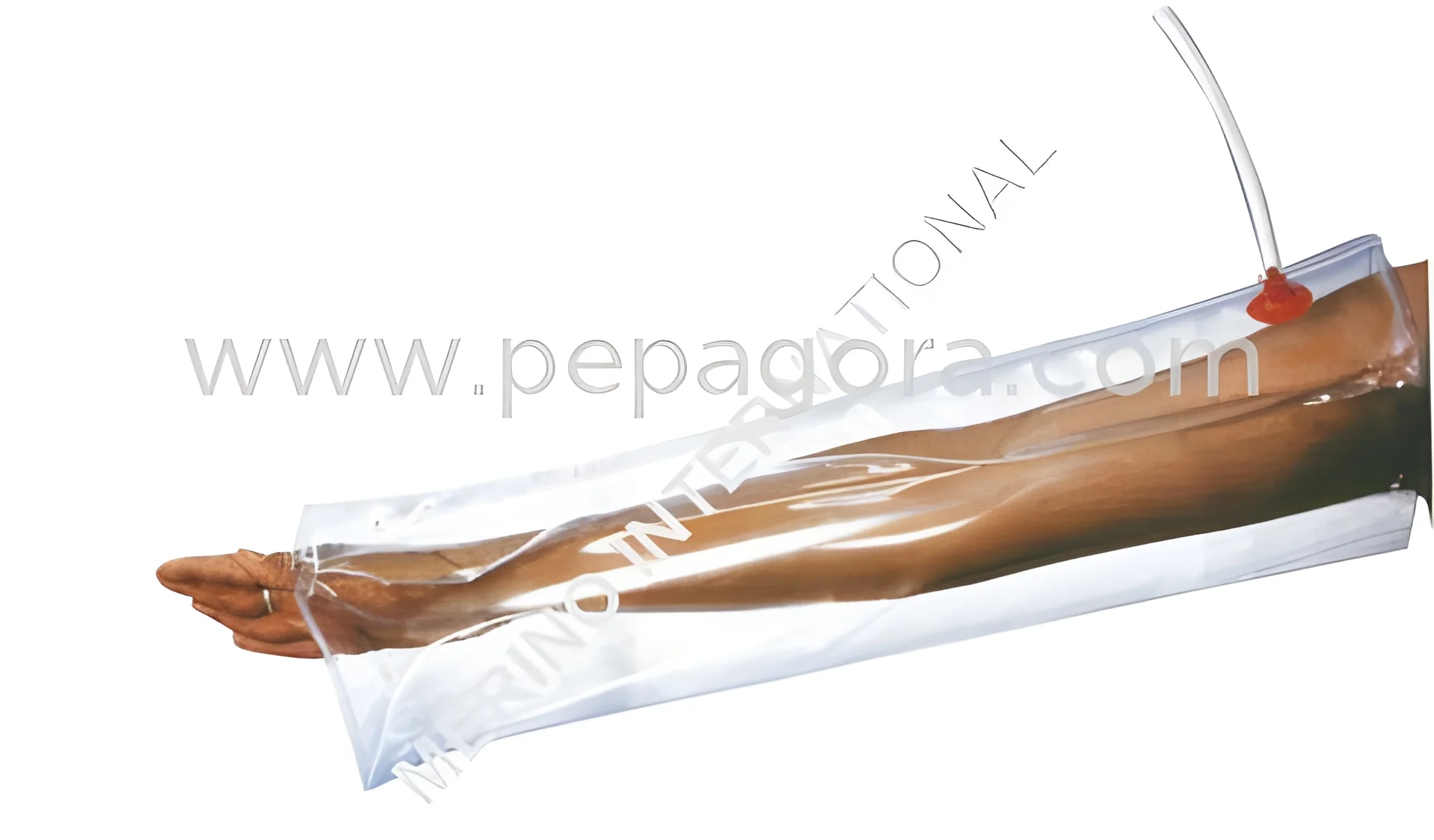
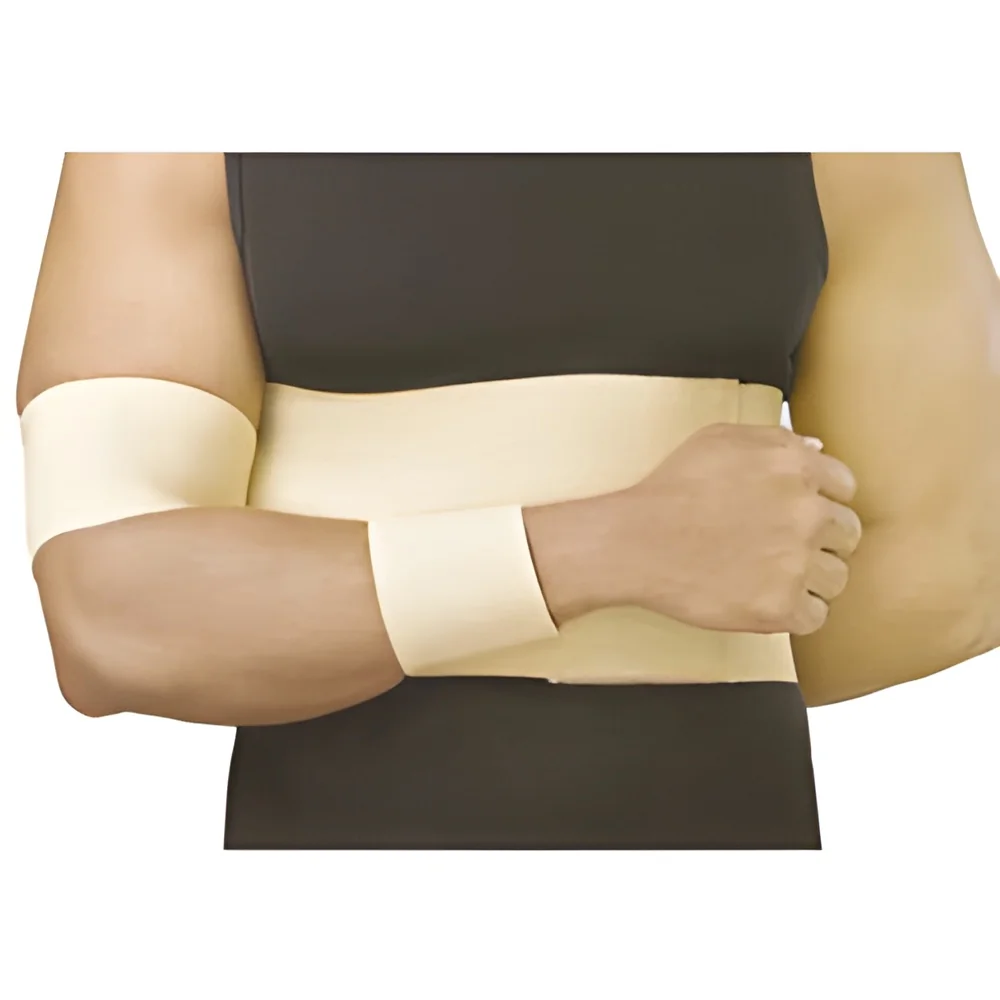
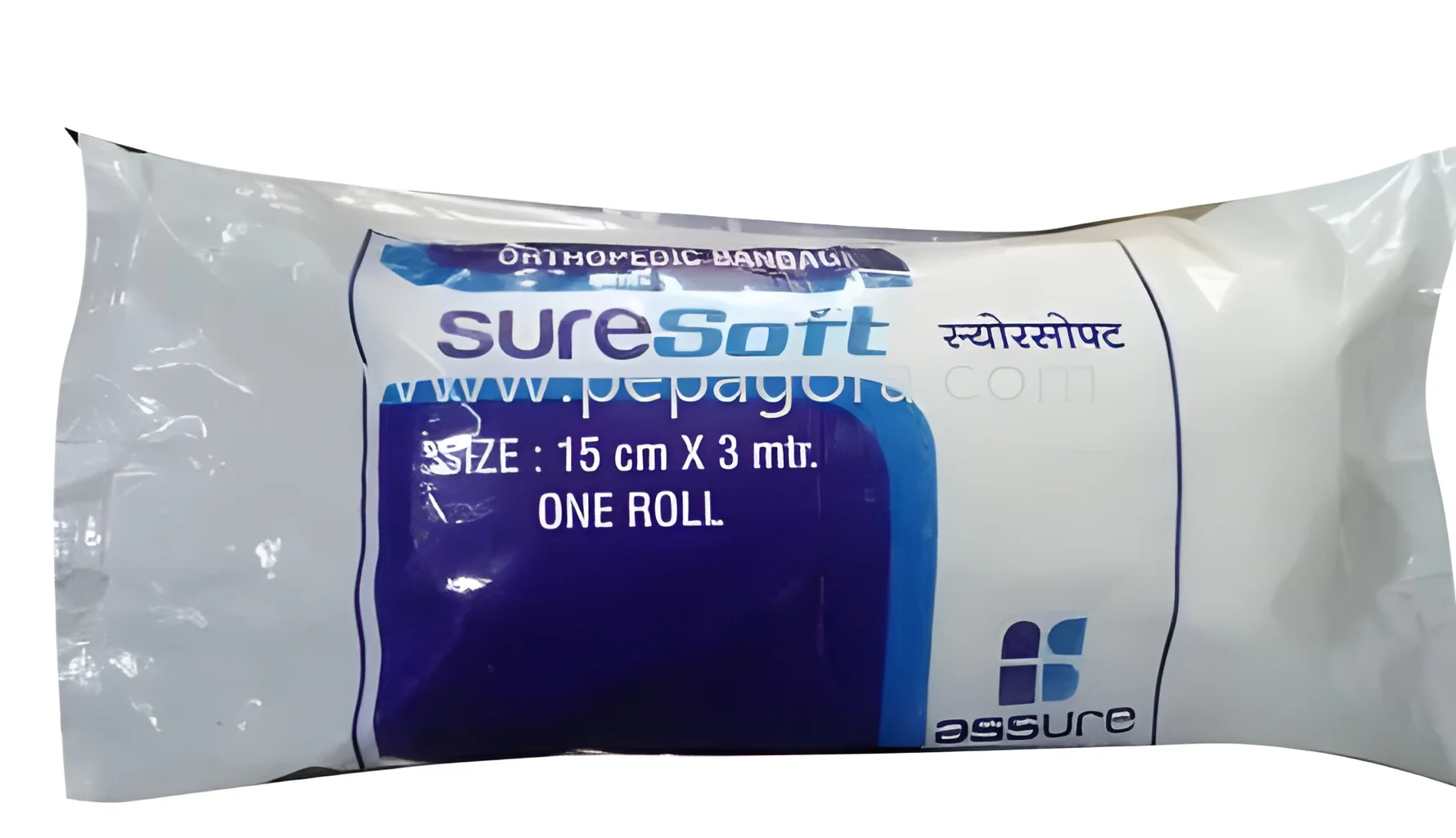
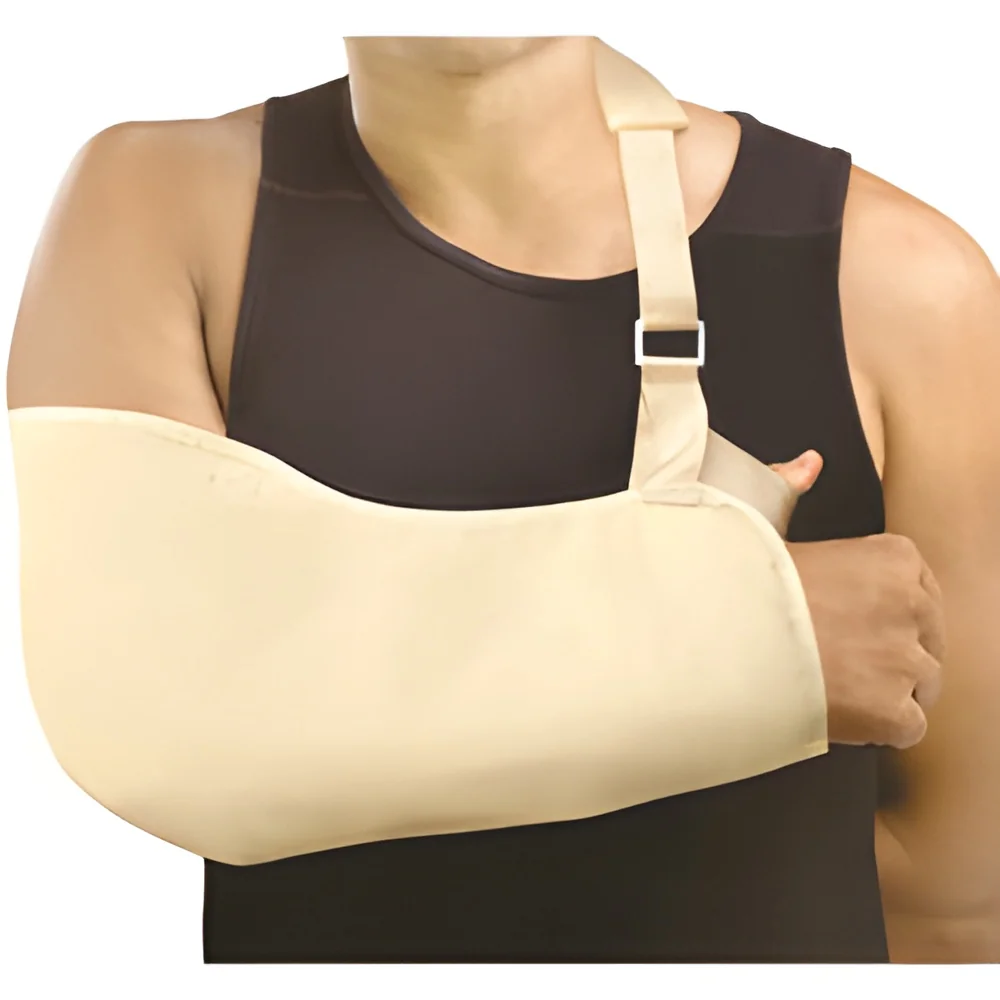
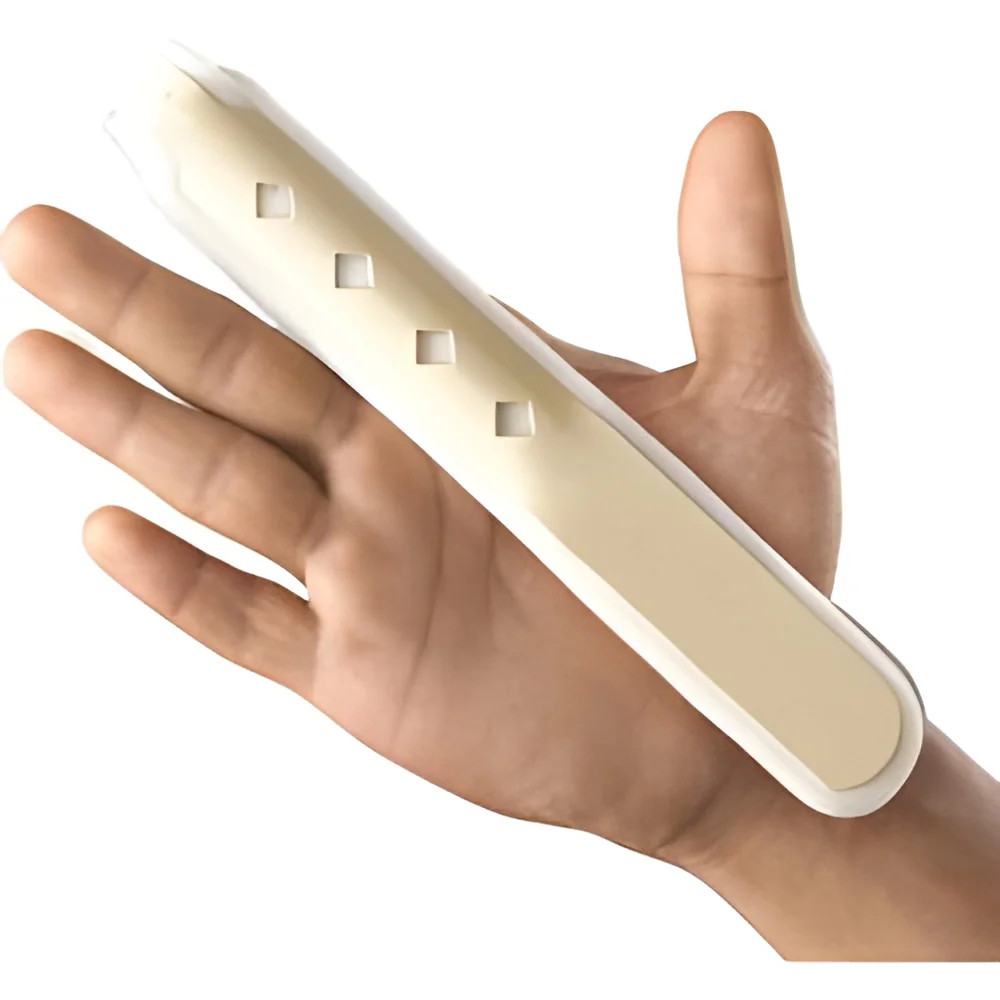
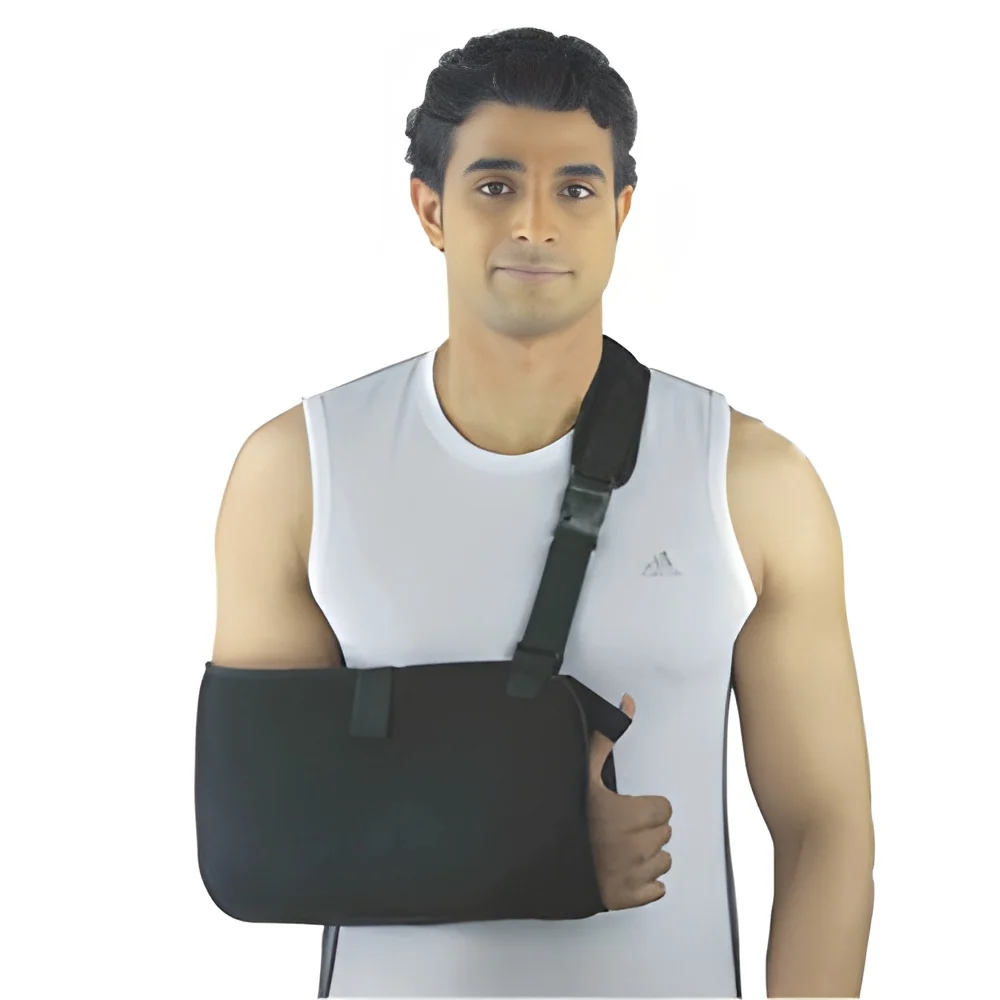
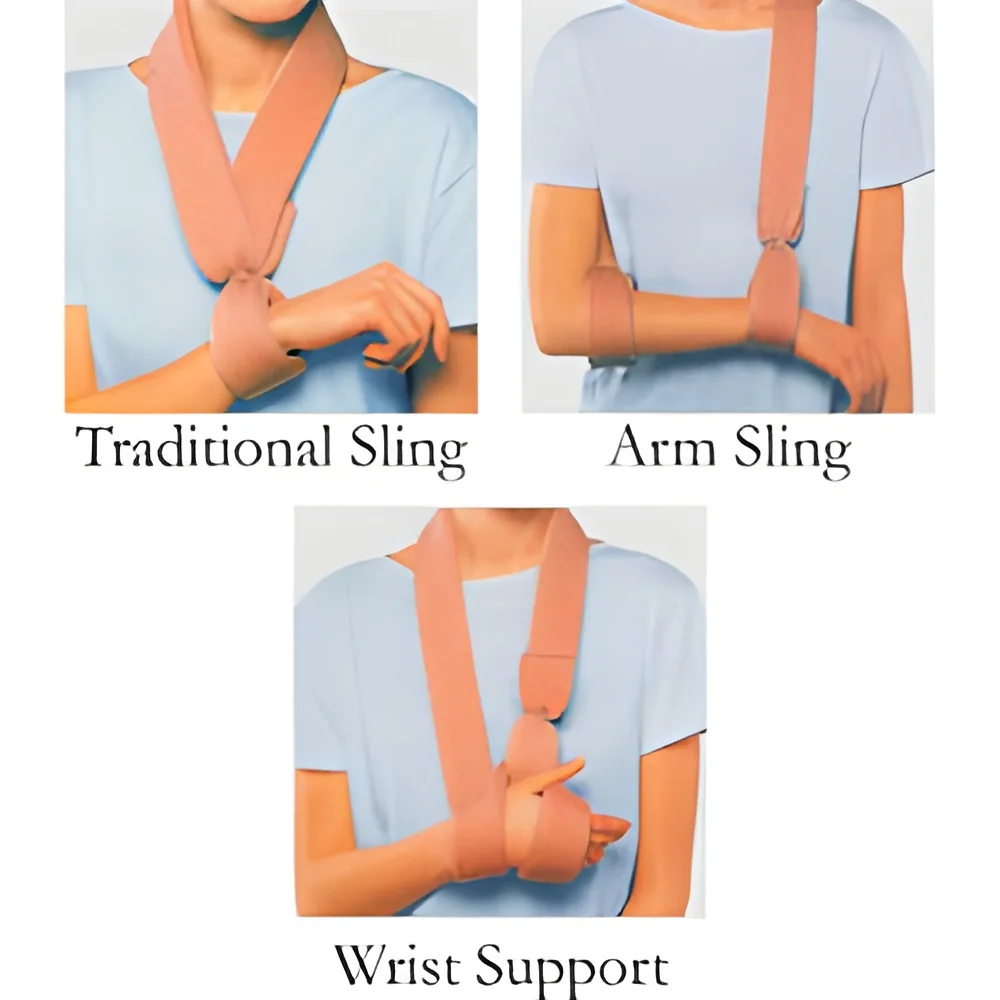
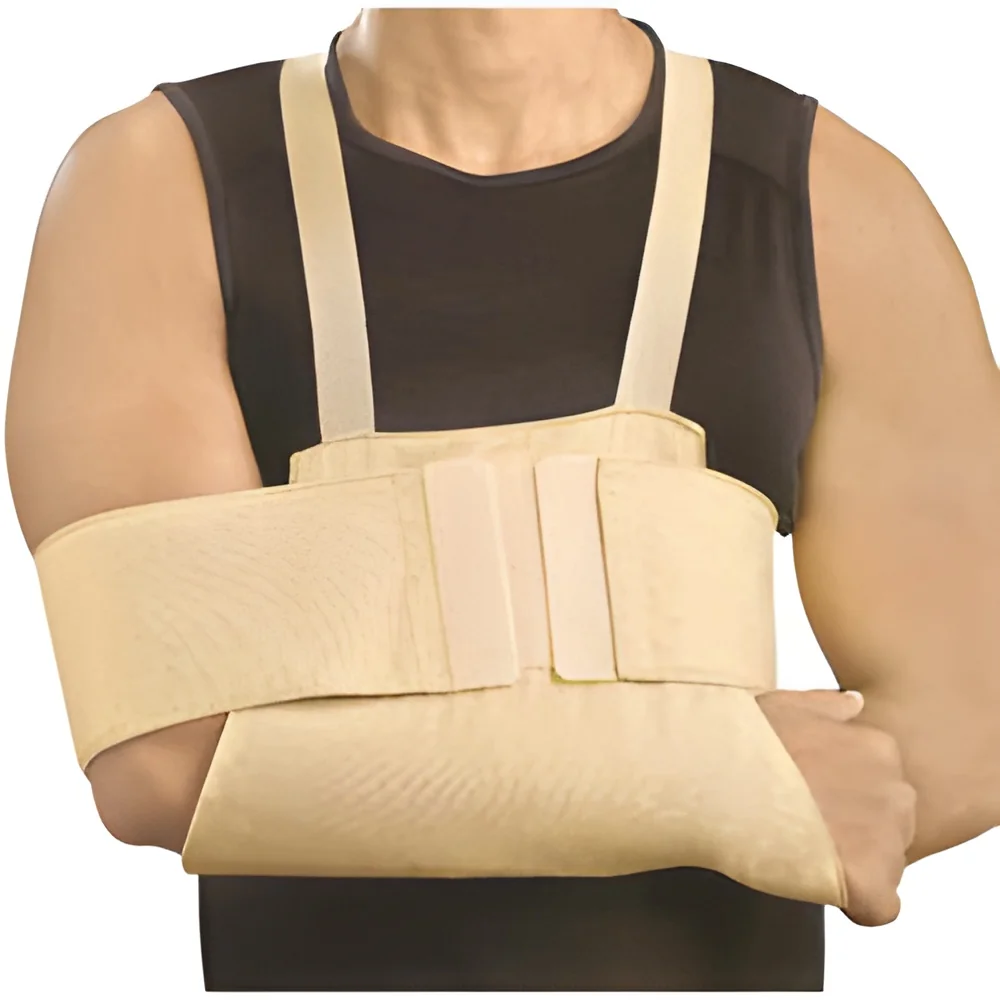
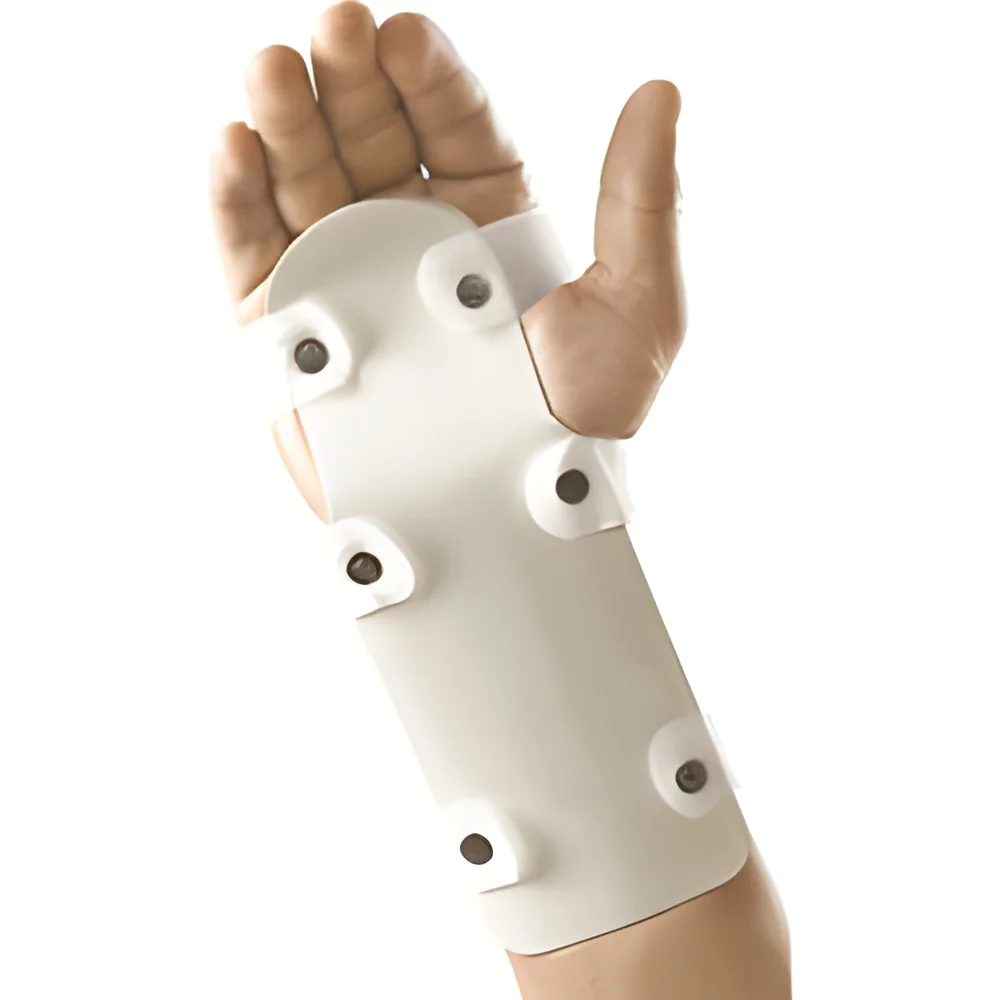
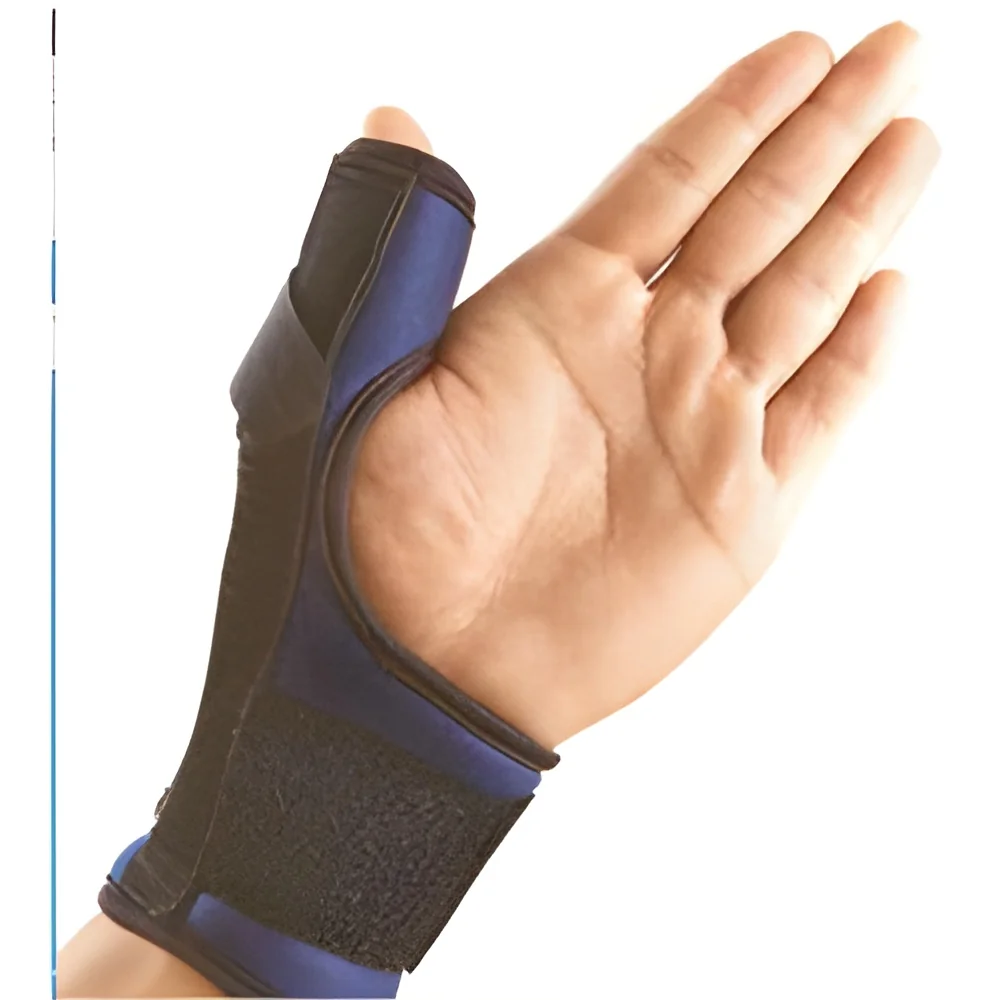
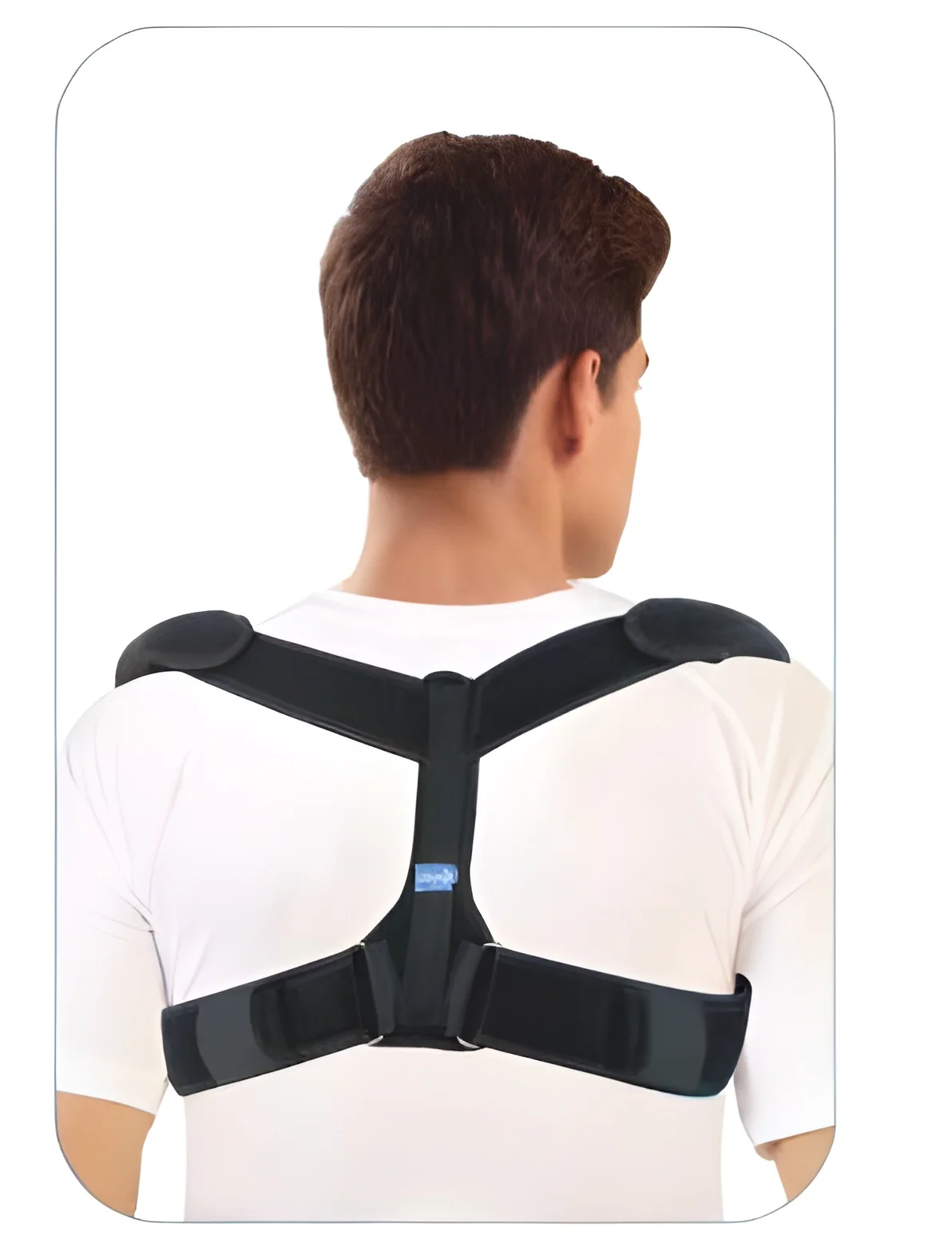
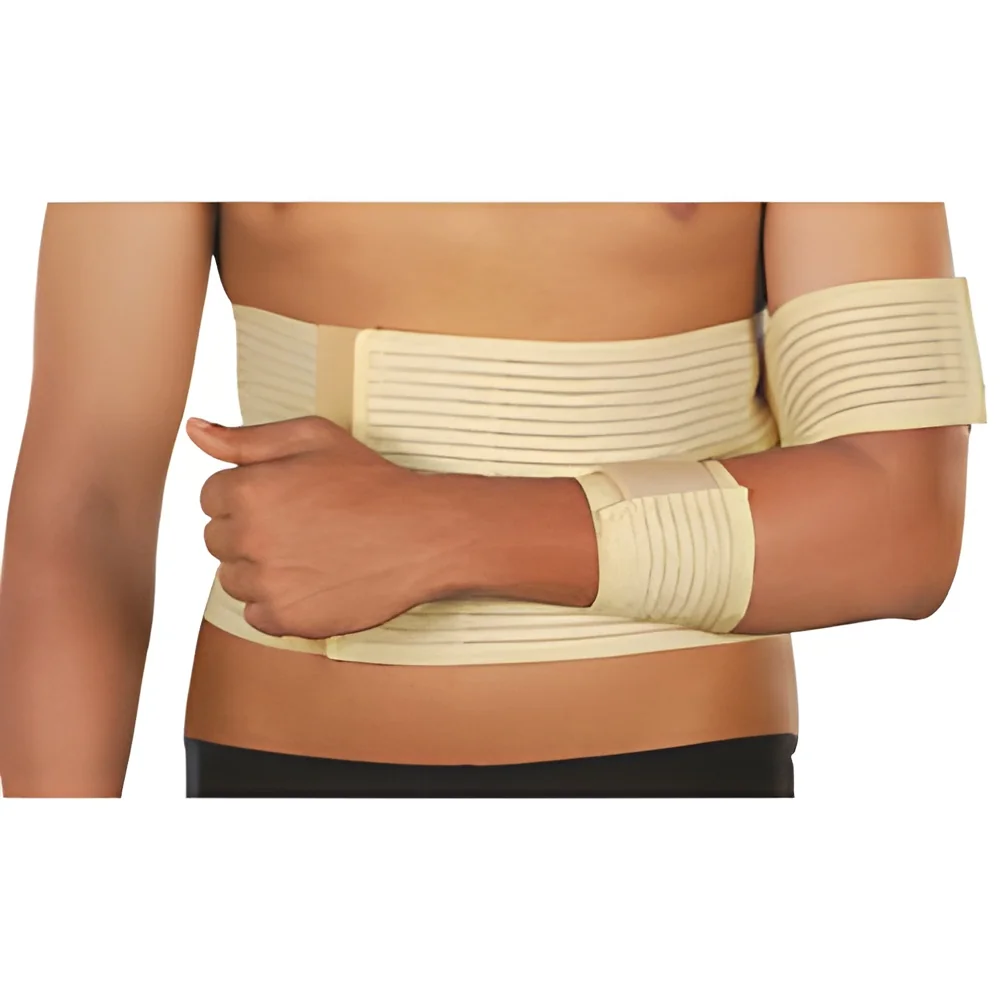
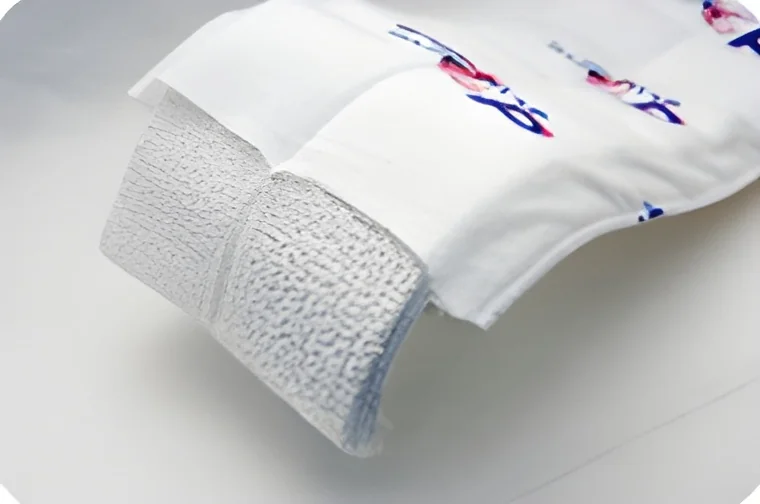
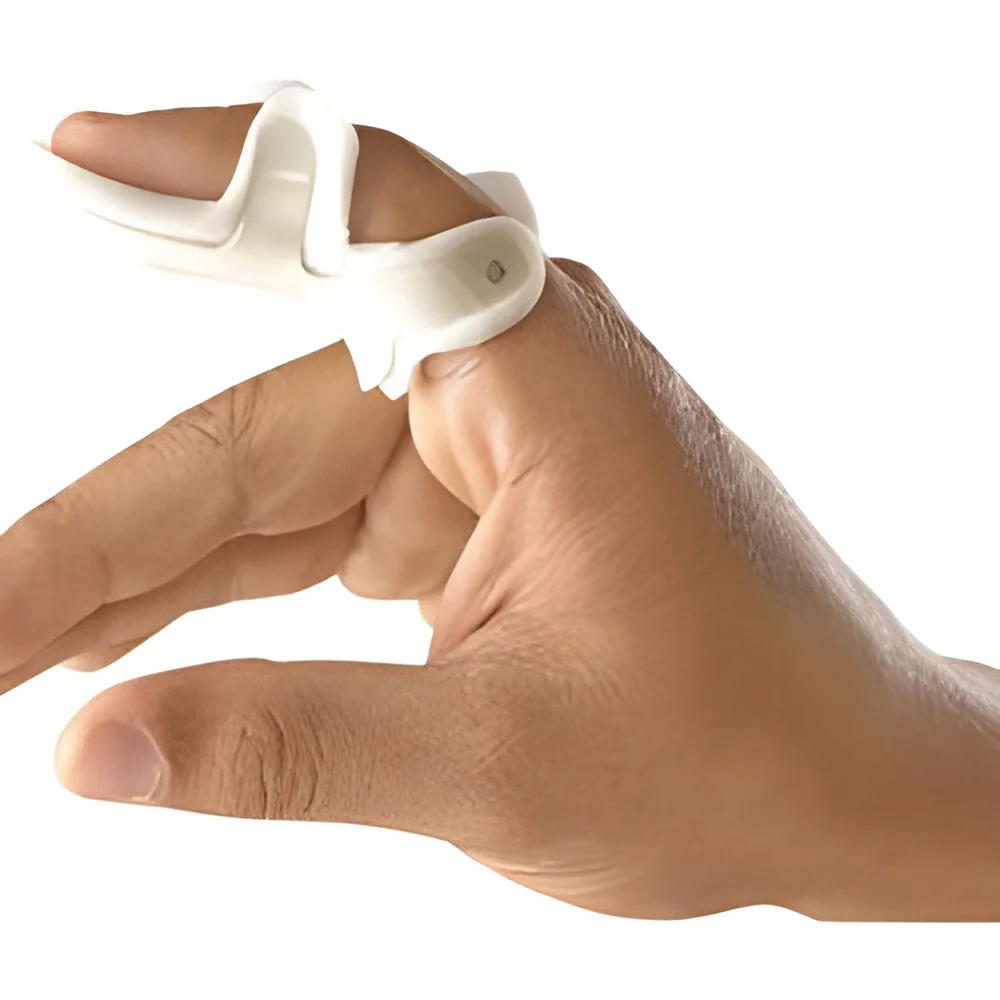
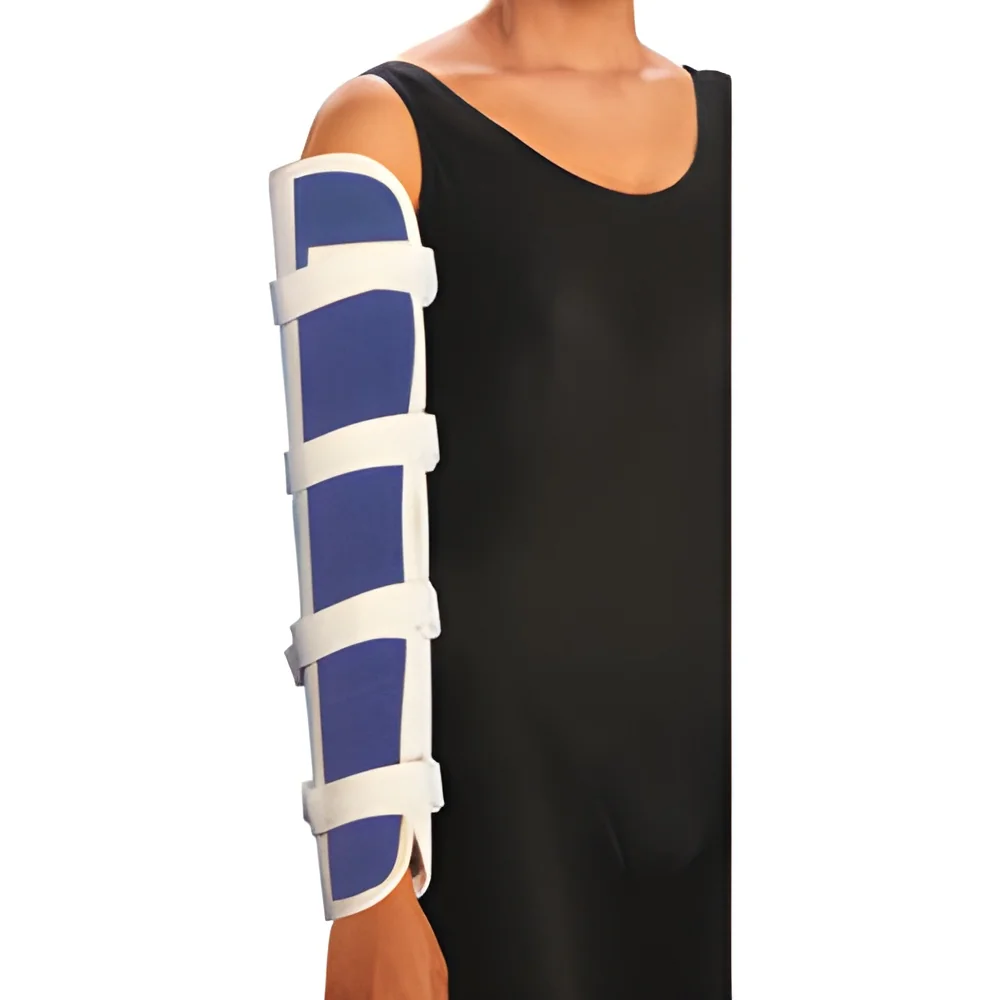
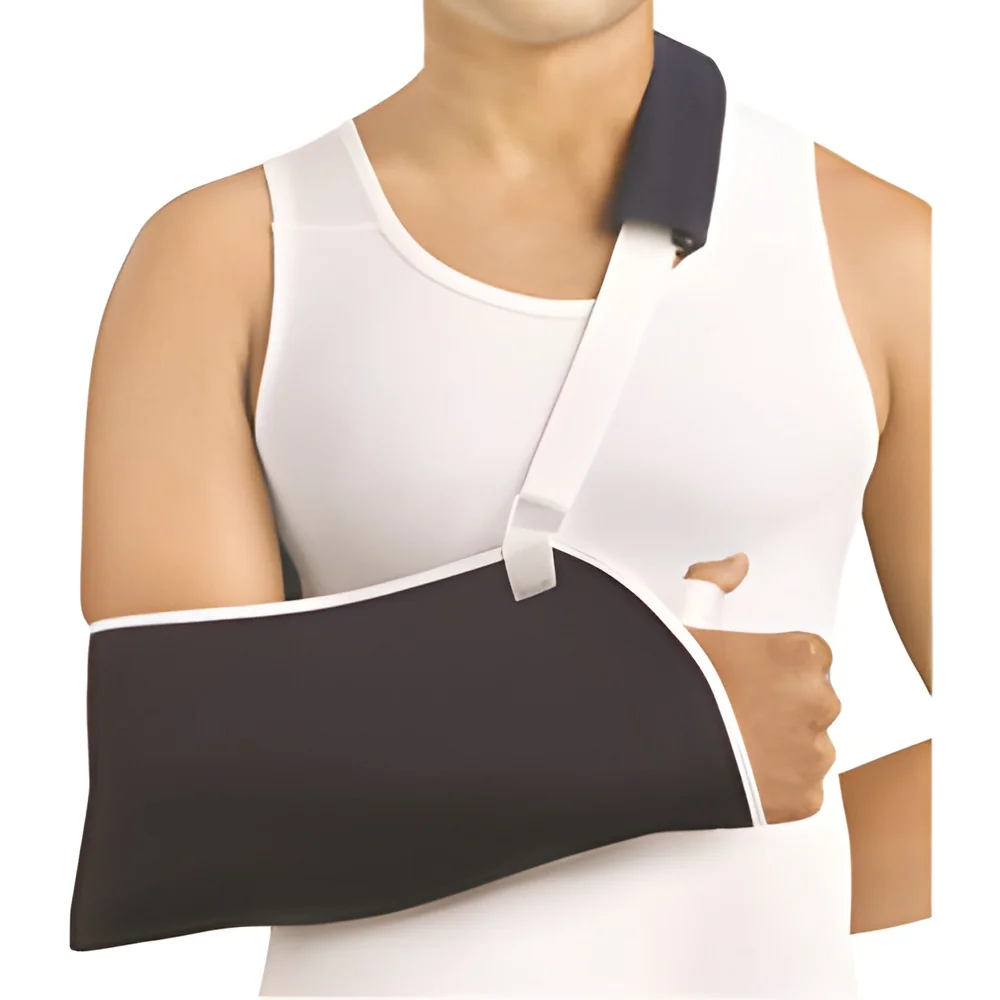
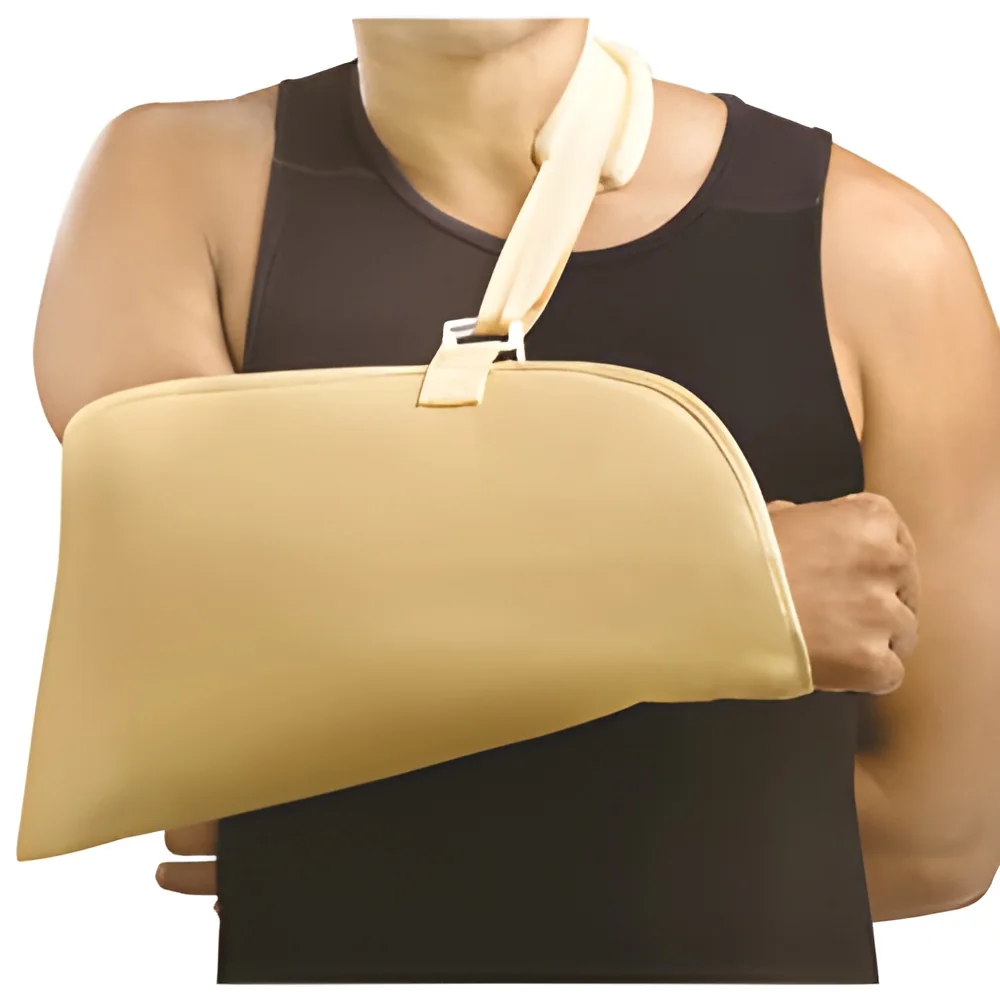
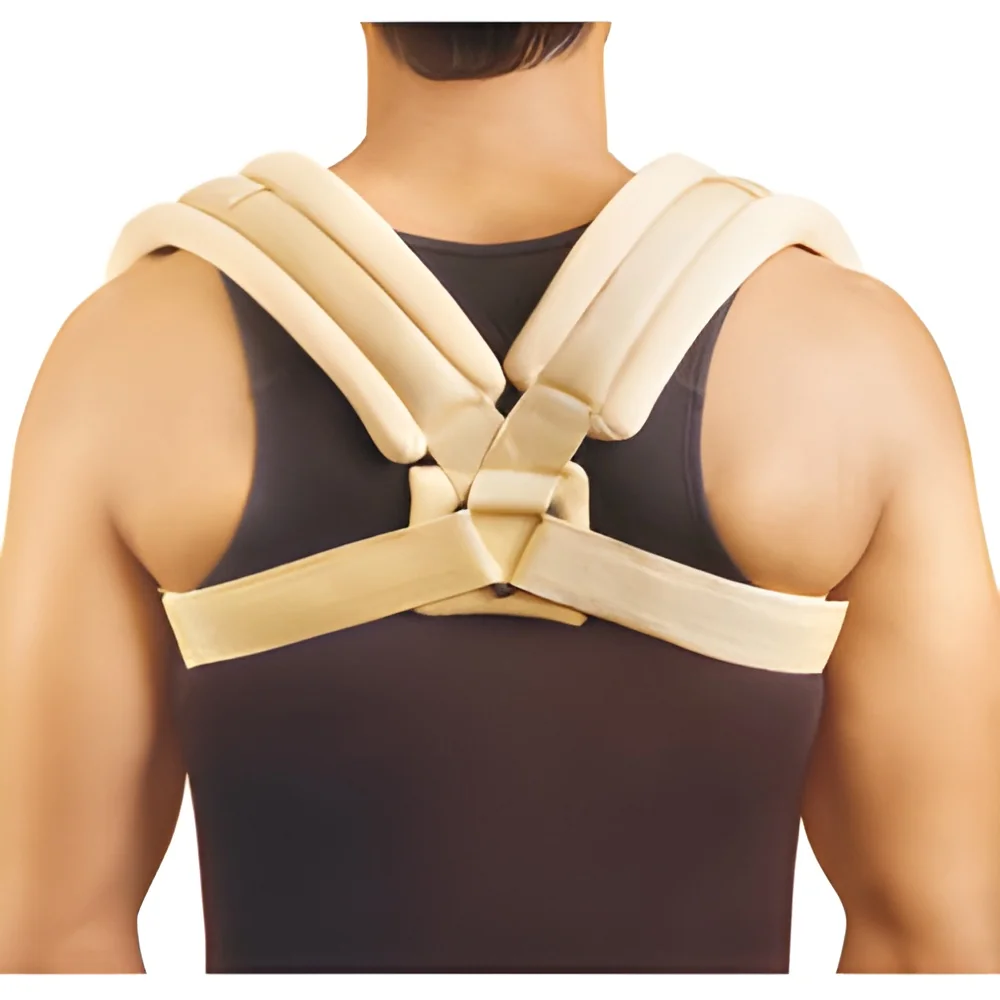
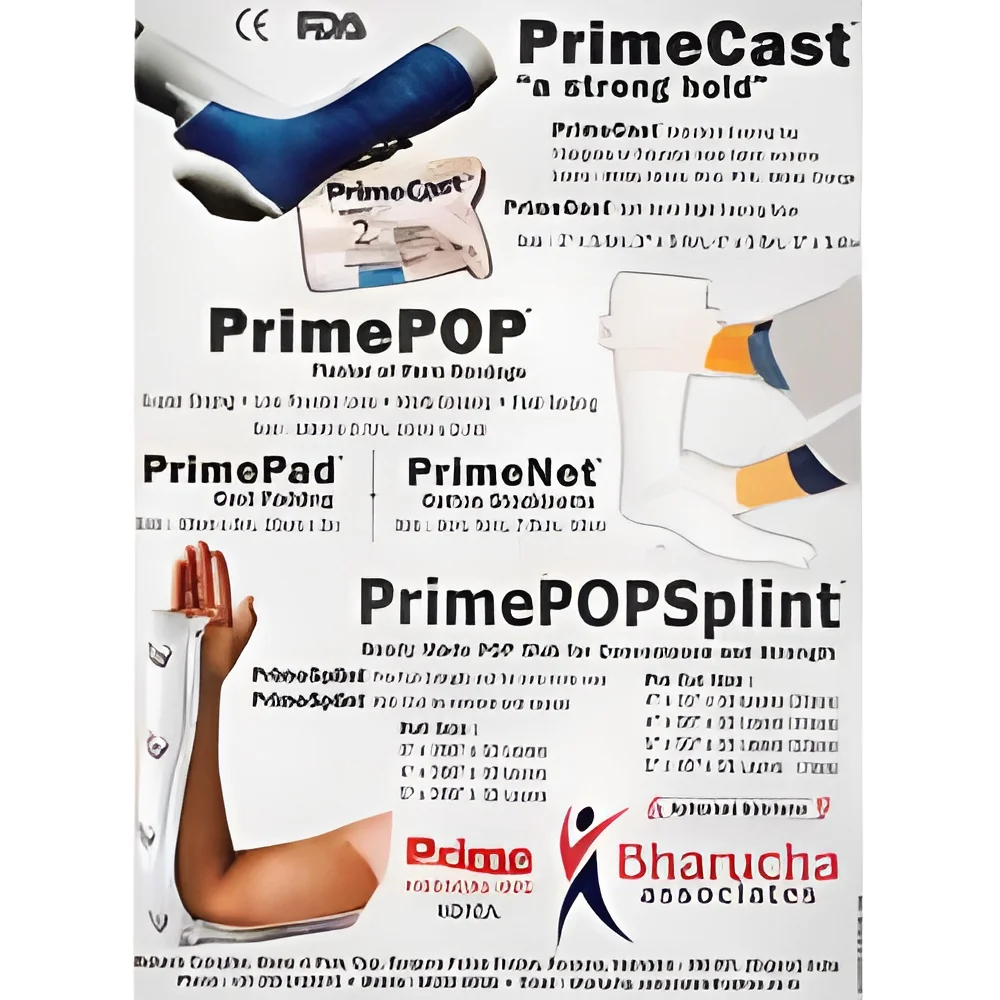
Splints and slings are essential medical devices used to support and immobilize injured limbs or joints. A splint is typically a rigid or semi-rigid device that holds a broken bone or sprained joint in place to prevent movement and promote healing. Slings, on the other hand, are soft supports used to hold an arm or shoulder in a position that reduces pain and facilitates recovery.
These devices have a wide range of applications in various business sectors, particularly in healthcare settings such as hospitals, clinics, and rehabilitation centers. They are commonly used in emergency medical services to stabilize injuries before further treatment. Additionally, splints and slings are critical for sports medicine and occupational therapy, where prompt and effective injury management is vital.
The relevance of splints and slings in the medical industry is significant due to the increasing prevalence of sports-related injuries and accidents. As healthcare facilities focus on improving patient outcomes, the demand for high-quality splints and slings continues to grow. This market is also influenced by advancements in materials and technology, leading to the development of more effective and comfortable products.
Key Features and Specifications
Splints and slings come with various features that enhance their effectiveness and usability. Understanding these specifications is crucial for healthcare providers and procurement officers when selecting the right products for their needs.
Key specifications include:
1. Material Composition
- Typically made from lightweight and durable materials such as plastic or foam
- Ensures comfort while providing adequate support
2. Size and Adjustability
- Available in various sizes to accommodate different body types
- Many models feature adjustable straps for a secure fit
3. Breathability
- Designed with breathable fabrics to prevent skin irritation
- Allows for moisture management during extended wear
4. Weight Capacity
- Each product has a specified weight limit to ensure safety and effectiveness
- Important for ensuring proper support for different patients
5. Ease of Application
- Many slings and splints are designed for quick and easy application
- Reduces time spent on emergency treatment
6. Sterilization and Hygiene
- Some products are designed to be sterilizable for use in medical settings
- Ensures compliance with health standards
7. Color Options
- Available in different colors for visibility or personal preference
- Some healthcare facilities prefer specific colors for branding purposes
8. Compliance with Safety Standards
- Many products are certified to meet relevant safety and quality standards
- Provides assurance of product reliability
In summary, selecting the right splints and slings involves examining these key features and specifications, which contribute to their effectiveness and user satisfaction.
Common Applications and Use Cases
Splints and slings serve various industries, demonstrating their versatility and necessity in injury management.
1. Healthcare: Hospitals and clinics use splints and slings for immediate injury stabilization and treatment. They are essential for orthopedic procedures and post-operative care.
2. Sports: Athletic trainers and sports medicine professionals rely on these devices to manage injuries on the field. Quick application of splints and slings helps prevent further damage and aids recovery.
3. Emergency Services: First responders use splints and slings to stabilize injuries during transport. Their portability and ease of use make them vital tools in emergency situations.
4. Rehabilitation: Physical therapists incorporate splints and slings into treatment plans for patients recovering from surgeries or injuries. They provide support while allowing for gradual movement.
5. Manufacturing: In industrial settings, splints and slings can be used to protect workers who sustain injuries on the job. They support safe and effective recovery.
6. Veterinary Medicine: Animal care professionals utilize splints and slings to manage injuries in pets and livestock. They ensure that animals receive proper care and support.
7. Home Care: Family caregivers often use splints and slings to assist loved ones recovering from injuries at home, providing necessary support for daily activities.
Product Variants and Subcategories
The market offers a diverse range of splints and slings, catering to different needs and applications.
Adjustable Arm Sling
This variant features adjustable straps for a customized fit. It is designed to support the arm and shoulder, making it ideal for post-injury recovery.
Rigid Splint
A rigid splint provides firm support to immobilize fractures or severe sprains. Its sturdy design ensures stability during the healing process.
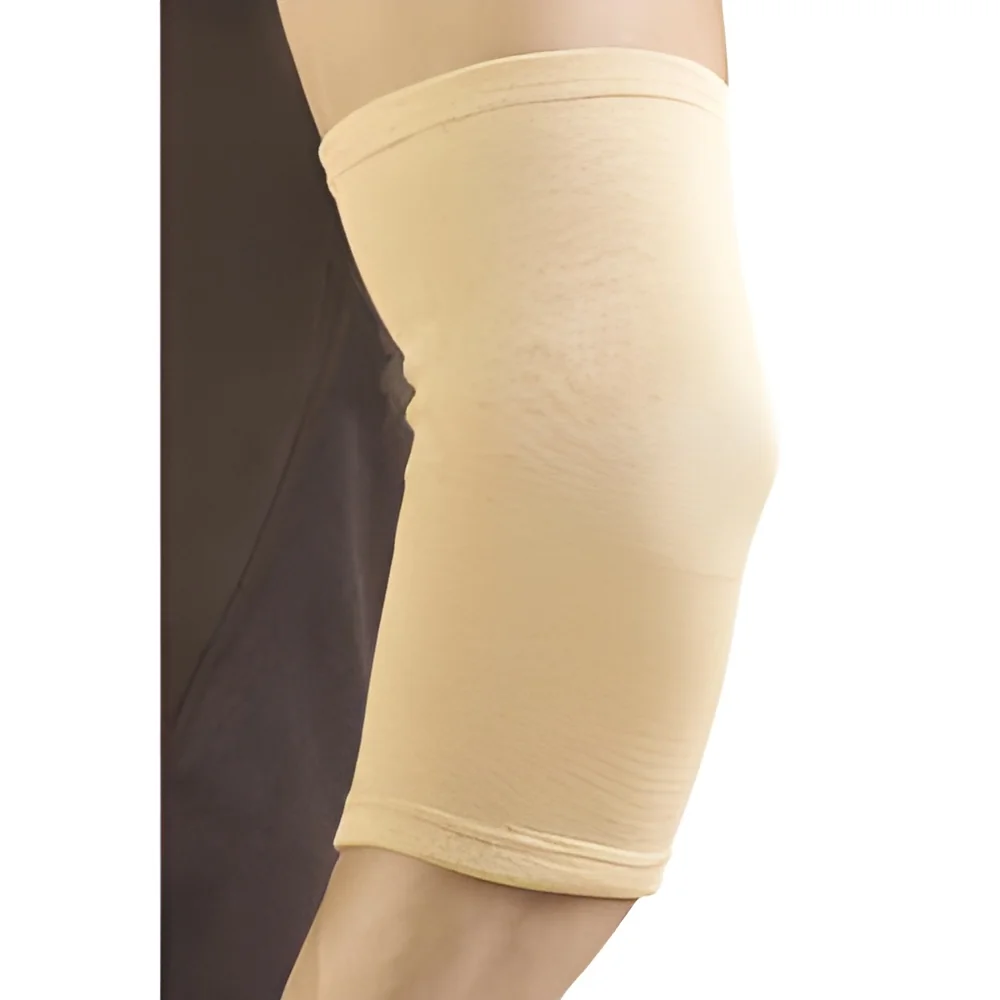
Soft Foam Splint
This variant is made from soft foam materials, offering comfort and flexibility. It is suitable for less severe injuries and provides gentle support.
Universal Splint
A universal splint can be adjusted for various body parts, making it versatile for different applications. It is often used in emergency medical kits.
Benefits and Advantages
Sourcing splints and slings offers numerous advantages for healthcare providers and businesses.
Key benefits include:
1. Enhanced Patient Care: These devices help in managing injuries effectively, leading to better patient outcomes.
2. Quick Application: Many splints and slings are designed for rapid application, crucial in emergency situations.
3. Comfort and Support: Modern designs prioritize patient comfort while ensuring necessary support for healing.
4. Versatility: The wide range of applications across various industries makes splints and slings essential tools.
5. Cost-Effectiveness: Investing in quality splints and slings can minimize long-term healthcare costs by promoting quicker recovery.
6. Compliance with Standards: Many products meet health and safety regulations, ensuring reliability and trustworthiness.
Buying Guide for B2B Buyers
When sourcing splints and slings, businesses should consider several key factors to make informed purchasing decisions.
1. Quality Assessment: Always evaluate the material quality and durability of splints and slings. Products that meet industry standards are more likely to be reliable and effective.
2. Supplier Verification: Vet suppliers to ensure they have a reputation for providing high-quality products. Look for customer reviews and certifications.
3. Pricing and MOQ: Understand the pricing structure and minimum order quantities to ensure alignment with budget and inventory needs.
4. Delivery and Lead Times: Consider logistics and delivery times, especially for emergency supplies. Timely delivery is crucial for healthcare settings.
5. Compliance Requirements: Ensure that the products meet necessary regulatory and compliance standards relevant to your region and industry.
Compliance and Certifications
Compliance and certifications are critical in ensuring the safety and effectiveness of splints and slings. Many products adhere to quality standards such as ISO 9001, which ensures a consistent level of quality management.
Additionally, certifications like CE indicate that the products meet European health, safety, and environmental protection standards. This certification adds credibility and assurance for buyers.
Safety and testing requirements are also essential. Manufacturers typically conduct rigorous testing to guarantee that their products can withstand the necessary conditions for use. Regional compliance considerations may vary, so it's vital to understand local regulations when sourcing.
Why Source Splints & Slings from Pepagora?
Pepagora offers a reliable platform for sourcing splints and slings, ensuring that buyers have access to high-quality products. The advantages of sourcing from Pepagora are numerous.
The Verified Supplier Network allows buyers to connect with trusted manufacturers and suppliers. This network ensures that all suppliers meet stringent quality standards, providing peace of mind for procurement professionals.
The Streamlined RFQ Process simplifies the quotation process, enabling buyers to receive competitive pricing and terms quickly. This efficiency is vital for businesses that require prompt responses and decisions.
Trade Assurance and Support further enhance buyer confidence. Pepagora provides mechanisms to protect buyers from potential issues, ensuring a smooth transaction experience.
Finally, Pepagora offers Regional Coverage, extending its services across India, the GCC, and Southeast Asia. This geographic reach enables businesses to find local suppliers and respond effectively to their specific market needs.

 IN
IN