𝗪𝗵𝗮𝘁 𝗮𝗿𝗲 𝗙𝗮𝗯𝗿𝗶𝗰 𝗧𝗿𝗮𝗱𝗲𝗿𝘀?
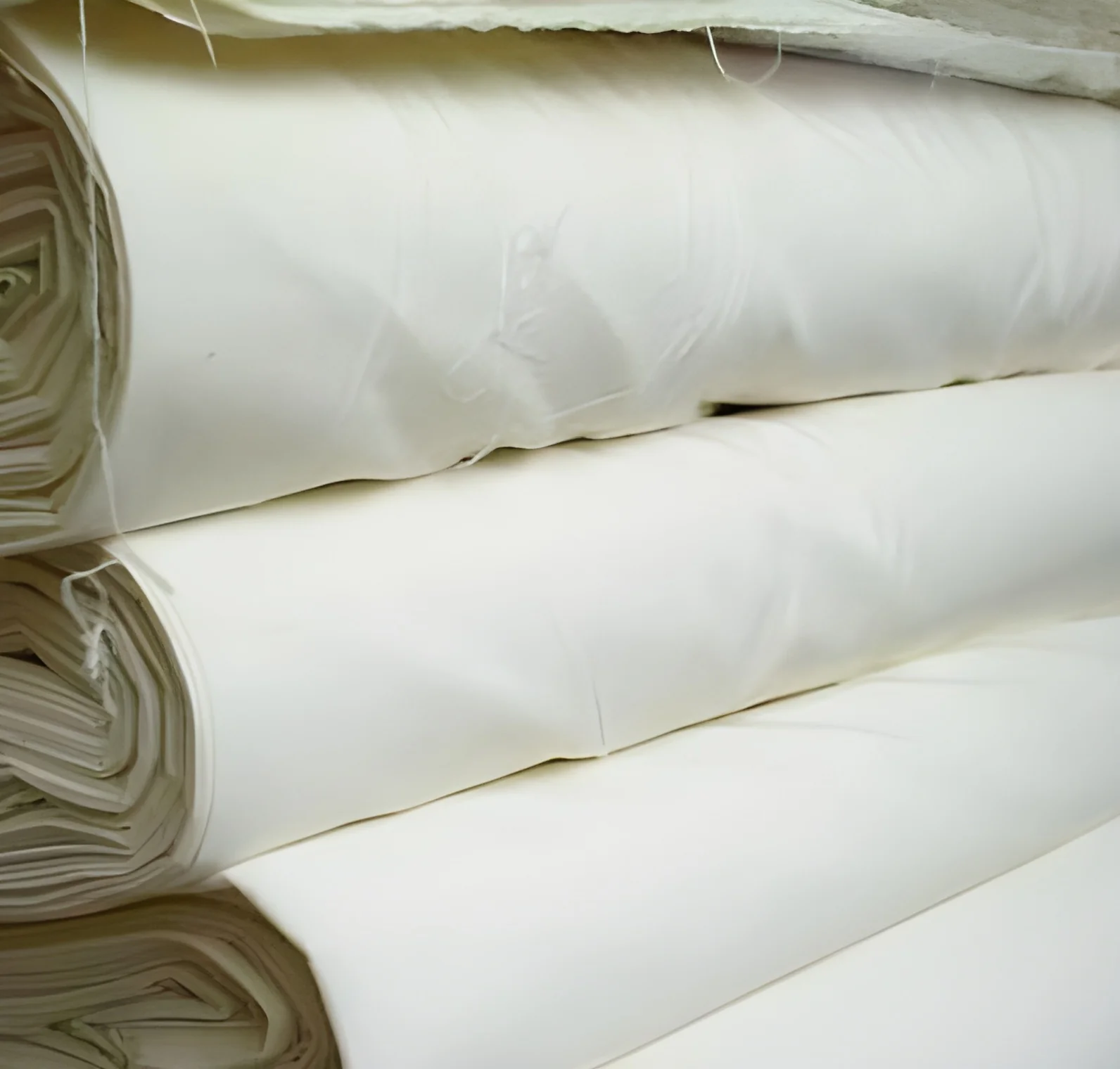
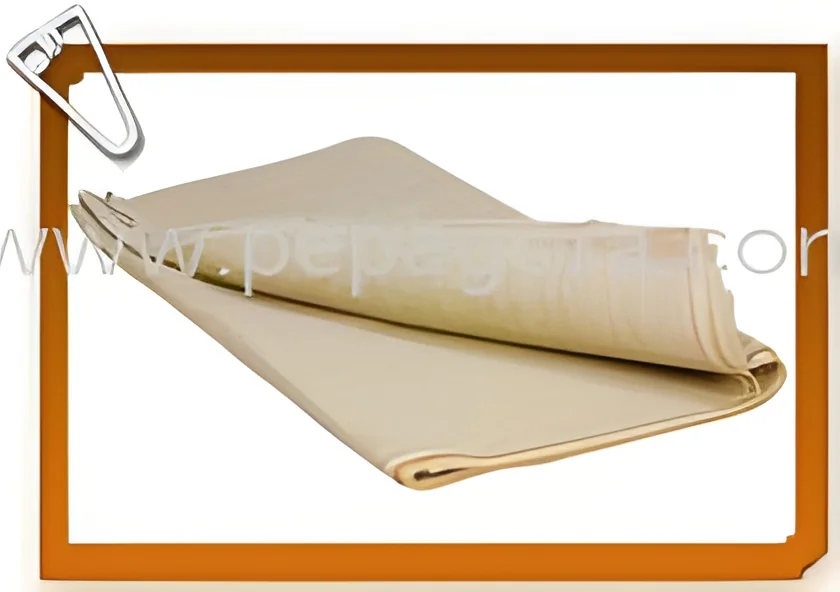
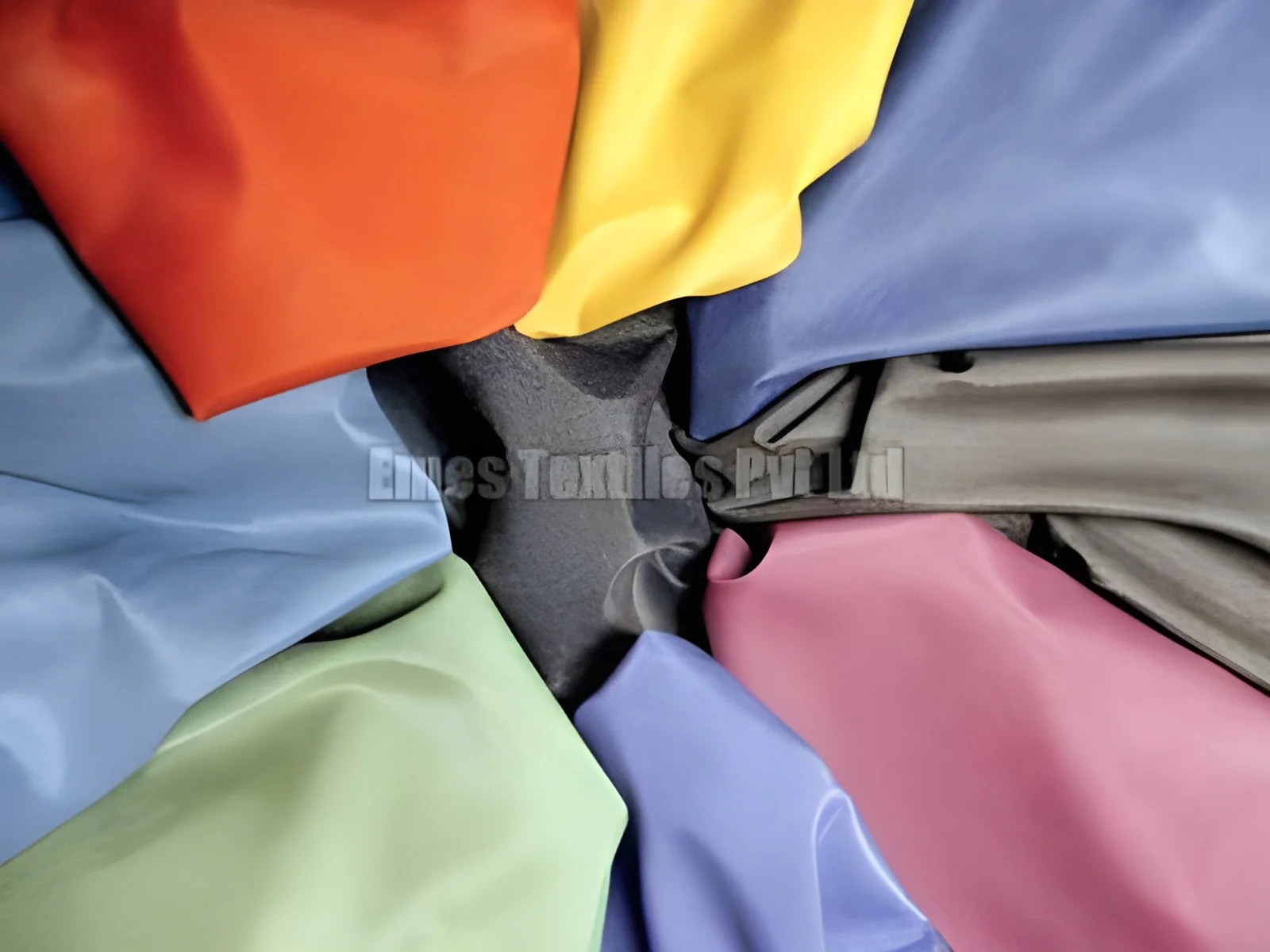
Fabric traders are businesses or individuals that specialize in the procurement, distribution, and sale of various types of fabrics. These traders operate within the textile industry, serving as intermediaries between fabric manufacturers and end-users. They play a crucial role in the supply chain, facilitating the movement of materials from producers to retailers or manufacturers who require fabrics for their products.
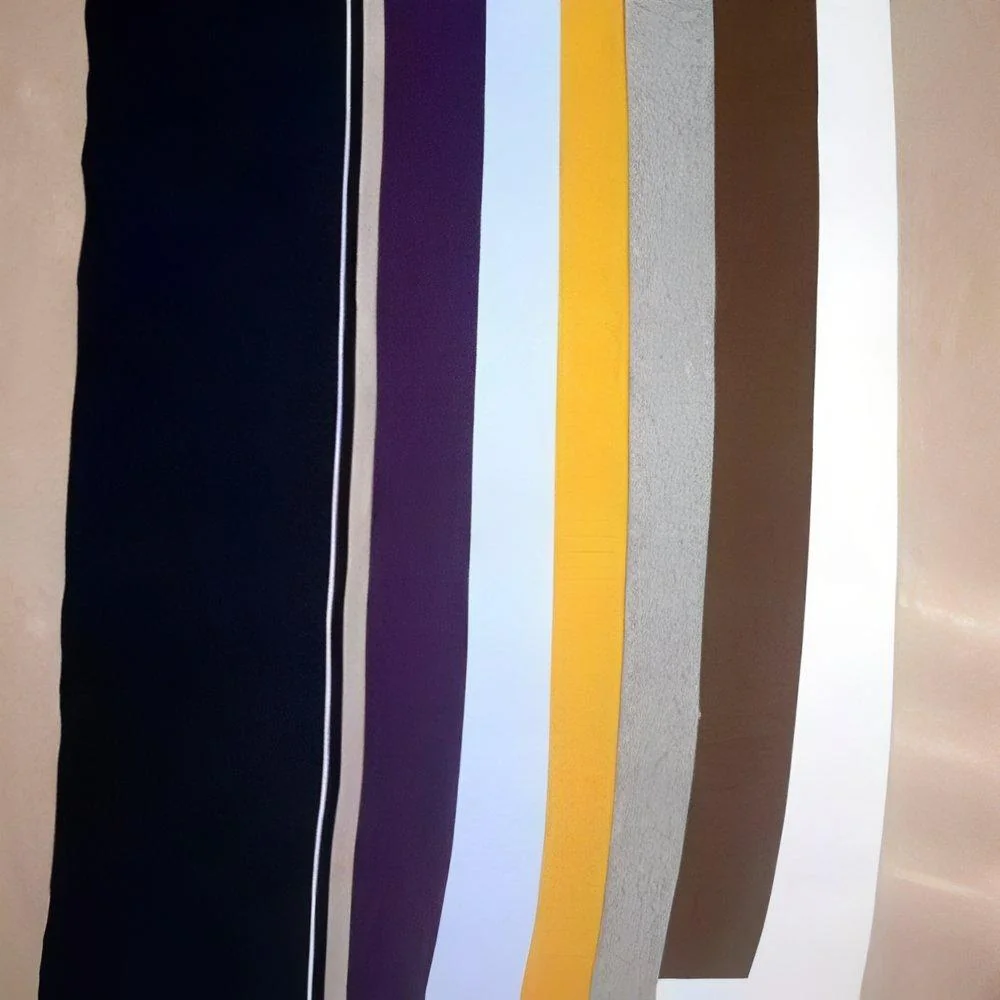
The primary uses of fabric traders span numerous sectors including fashion, upholstery, industrial applications, and more. They supply fabrics ranging from cotton and polyester to specialized textiles that meet specific industry needs. Fabric traders cater to a diverse clientele, from small designers to large manufacturing companies, ensuring that their customers have access to a wide variety of fabric types and styles. In today's market, the relevance of fabric traders is underscored by the growing demand for sustainable and ethically sourced materials, making their role increasingly important.
𝗞𝗲𝘆 𝗙𝗲𝗮𝘁𝘂𝗿𝗲𝘀 𝗮𝗻𝗱 𝗦𝗽𝗲𝗰𝗶𝗳𝗶𝗰𝗮𝘁𝗶𝗼𝗻𝘀
Fabric traders offer a variety of features and specifications that cater to the needs of different industries. These specifications ensure that the fabrics provided meet the required standards for quality and performance.
Key specifications include:
1. Fabric Composition
- This specification refers to the materials used in the fabric, such as cotton, polyester, or blends.
- Technical parameters can include percentages of each material in the blend.
2. Weight
- Weight indicates the density and thickness of the fabric, which can affect its durability and feel.
- Common weights may range from lightweight (around 100 grams per square meter) to heavyweight (over 300 grams per square meter).
3. Width
- Fabric width is an important specification for manufacturers, affecting how much material is needed for projects.
- Standard widths typically range from 36 inches to 60 inches.
4. Colorfastness
- This specification measures how well the fabric retains its color when exposed to washing, light, and other environmental factors.
- Ratings may vary from 1 (poor) to 5 (excellent).
5. Breathability
- Breathability refers to the ability of the fabric to allow air circulation, an important factor in comfort.
- This is often assessed through testing methods that measure moisture vapor transmission.
6. Stretchability
- Stretchability indicates how much a fabric can stretch without losing its original shape.
- Fabrics may be categorized as non-stretch, stretch, or 4-way stretch.
7. Durability
- Durability assesses how well a fabric withstands wear and tear, which is crucial for industrial applications.
- This can be measured through abrasion resistance tests.
8. Certifications
- Certain fabrics may come with certifications such as CE, indicating compliance with safety and environmental standards.
In summary, understanding the specifications of fabrics is essential for buyers to ensure they are selecting the right products for their specific applications.
𝗖𝗼𝗺𝗺𝗼𝗻 𝗔𝗽𝗽𝗹𝗶𝗰𝗮𝘁𝗶𝗼𝗻𝘀 𝗮𝗻𝗱 𝗨𝘀𝗲 𝗖𝗮𝘀𝗲𝘀
Fabric traders serve a wide array of industries, providing tailored solutions to meet diverse needs.
1. Fashion Industry: Fabric traders supply a variety of textiles for clothing manufacturers, including cotton, silk, and synthetic blends, catering to seasonal trends and design specifications.
2. Upholstery: In the furniture sector, fabric traders provide durable upholstery fabrics that meet aesthetic and functional requirements, such as stain resistance and durability.
3. Automotive: The automotive industry relies on fabric traders for materials used in car interiors, including upholstery, headliners, and soundproofing fabrics designed to withstand wear and environmental factors.
4. Medical: Fabric traders offer specialized textiles for medical applications, such as antimicrobial fabrics for hospital gowns and bedding, ensuring safety and hygiene.
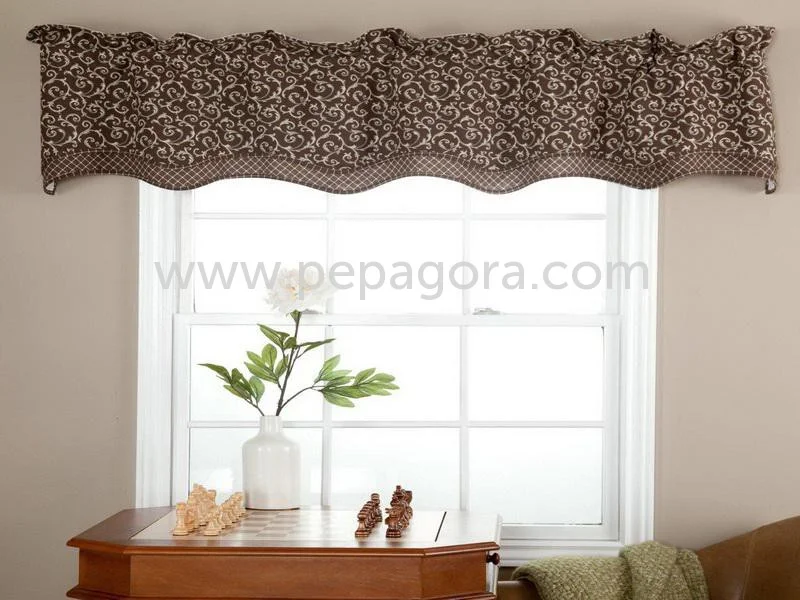
5. Home Textiles: Fabric traders supply materials for home goods such as curtains, bed linens, and tablecloths, focusing on aesthetics and functionality.
6. Industrial Applications: Various industries utilize specialized fabrics for safety gear, workwear, and protective clothing, requiring durability and compliance with safety standards.
7. Sports and Recreation: Fabric traders provide moisture-wicking and lightweight materials for athletic wear and outdoor gear, focusing on performance and comfort.
𝗣𝗿𝗼𝗱𝘂𝗰𝘁 𝗩𝗮𝗿𝗶𝗮𝗻𝘁𝘀 𝗮𝗻𝗱 𝗦𝘂𝗯𝗰𝗮𝘁𝗲𝗴𝗼𝗿𝗶𝗲𝘀
The diversity in fabric offerings is significant, and fabric traders typically provide various product variants to meet specific requirements.
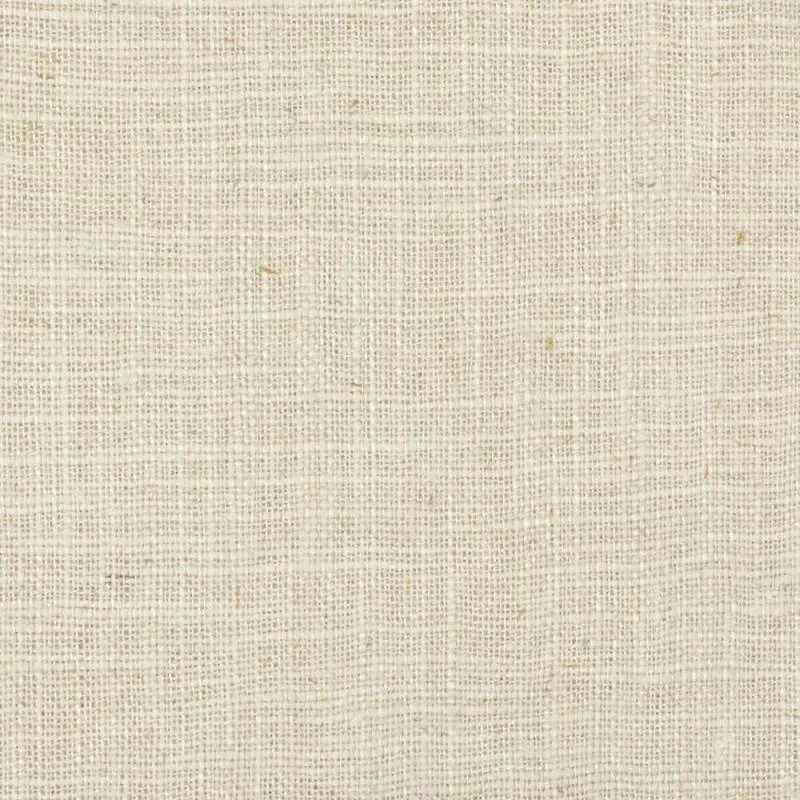
Cotton Fabrics: Cotton fabrics are popular due to their softness, breathability, and versatility. They are commonly used in clothing, home textiles, and medical applications due to their comfort and natural properties.
Polyester Fabrics: Known for their durability and resistance to shrinking and stretching, polyester fabrics are widely used in both fashion and industrial applications. They are often blended with other fibers to enhance performance.
Nylon Fabrics: Nylon is favored for its strength and lightweight characteristics. It is commonly used in outdoor and sportswear, as well as in industrial applications requiring high durability.
Blended Fabrics: Fabric traders often offer blends of different materials, combining the best properties of each. For example, a cotton-polyester blend can provide comfort while enhancing durability.
𝗕𝗲𝗻𝗲𝗳𝗶𝘁𝘀 𝗮𝗻𝗱 𝗔𝗱𝘃𝗮𝗻𝘁𝗮𝗴𝗲𝘀
Sourcing fabrics through fabric traders provides numerous advantages for businesses.
1. Access to Variety: Fabric traders offer a wide range of materials, allowing businesses to find the perfect fabric for their specific needs.
2. Quality Assurance: Many fabric traders ensure that their products meet stringent quality standards, providing peace of mind to buyers.
3. Competitive Pricing: By leveraging their networks, fabric traders can often provide competitive pricing, enabling businesses to optimize their costs.
4. Customization Options: Some fabric traders offer customization services, allowing businesses to order fabrics tailored to their specifications.
5. Expert Guidance: Fabric traders often possess extensive knowledge and experience, providing valuable insights that can help businesses make informed decisions.
6. Efficient Supply Chain: Fabric traders streamline the procurement process, ensuring timely delivery and reducing lead times for businesses.
𝗕𝘂𝘆𝗶𝗻𝗴 𝗚𝘂𝗶𝗱𝗲 𝗳𝗼𝗿 𝗕𝟮𝗕 𝗕𝘂𝘆𝗲𝗿𝘀
When sourcing fabric traders, it is important for B2B buyers to consider several key factors to ensure a successful partnership.
1. Quality Assessment: Buyers should evaluate the quality of the fabrics by requesting samples or certifications. This helps ensure that the materials meet their specific requirements.
2. Supplier Verification: It is crucial to vet suppliers by checking references, reviews, and certifications. This process helps mitigate risks associated with unreliable suppliers.
3. Pricing and MOQ: Buyers should inquire about pricing structures and minimum order quantities (MOQ). Understanding these factors can help businesses plan their budgets effectively.
4. Delivery and Lead Times: Buyers should discuss lead times and delivery schedules to ensure that their projects remain on track. Timely delivery is essential for maintaining production schedules.
5. Compliance Requirements: Understanding regulatory compliance is key, especially for industries with strict safety and environmental standards. Buyers should verify that suppliers meet necessary compliance requirements.
𝗖𝗼𝗺𝗽𝗹𝗶𝗮𝗻𝗰𝗲 𝗮𝗻𝗱 𝗖𝗲𝗿𝘁𝗶𝗳𝗶𝗰𝗮𝘁𝗶𝗼𝗻𝘀
Compliance and certifications play a vital role in the fabric trading industry. Adhering to quality standards such as ISO 9001 ensures that fabric traders maintain consistent quality management systems. This certification is recognized globally and signifies a commitment to quality.
In addition to ISO standards, industry-specific certifications like CE indicate that products meet European safety and environmental requirements. This is particularly important for fabrics used in sectors such as medical and automotive, where safety is paramount.
Safety and testing requirements must also be met to ensure that fabrics are suitable for their intended applications. This can include testing for flammability, durability, and other performance metrics.
Regional compliance considerations may vary, and fabric traders must stay informed about local regulations regarding textile imports and sales. Compliance with these standards ensures that businesses can operate without legal or safety issues.
𝗪𝗵𝘆 𝗦𝗼𝘂𝗿𝗰𝗲 𝗙𝗮𝗯𝗿𝗶𝗰 𝗧𝗿𝗮𝗱𝗲𝗿𝘀 𝗳𝗿𝗼𝗺 𝗣𝗲𝗽𝗮𝗴𝗼𝗿𝗮?
Pepagora offers a reliable platform for sourcing fabric traders, providing several key advantages for B2B buyers.
Verified Supplier Network: Pepagora features a network of verified suppliers, ensuring that buyers can trust the quality and reliability of the fabrics they purchase. This network is built on rigorous vetting processes and industry standards.
Streamlined RFQ Process: The platform simplifies the request for quotation (RFQ) process, allowing buyers to easily compare prices and offerings from different suppliers. This efficiency saves time and helps businesses make informed purchasing decisions.
Trade Assurance and Support: Pepagora provides trade assurance to protect buyers, offering support throughout the sourcing process. This ensures that buyers are safeguarded from potential risks associated with international trade.
Regional Coverage: With a strong presence in regions such as India, the GCC, and Southeast Asia, Pepagora enables buyers to access a wide range of fabric traders across diverse markets. This geographic reach enhances sourcing opportunities and fosters global trade connections.

 IN
IN