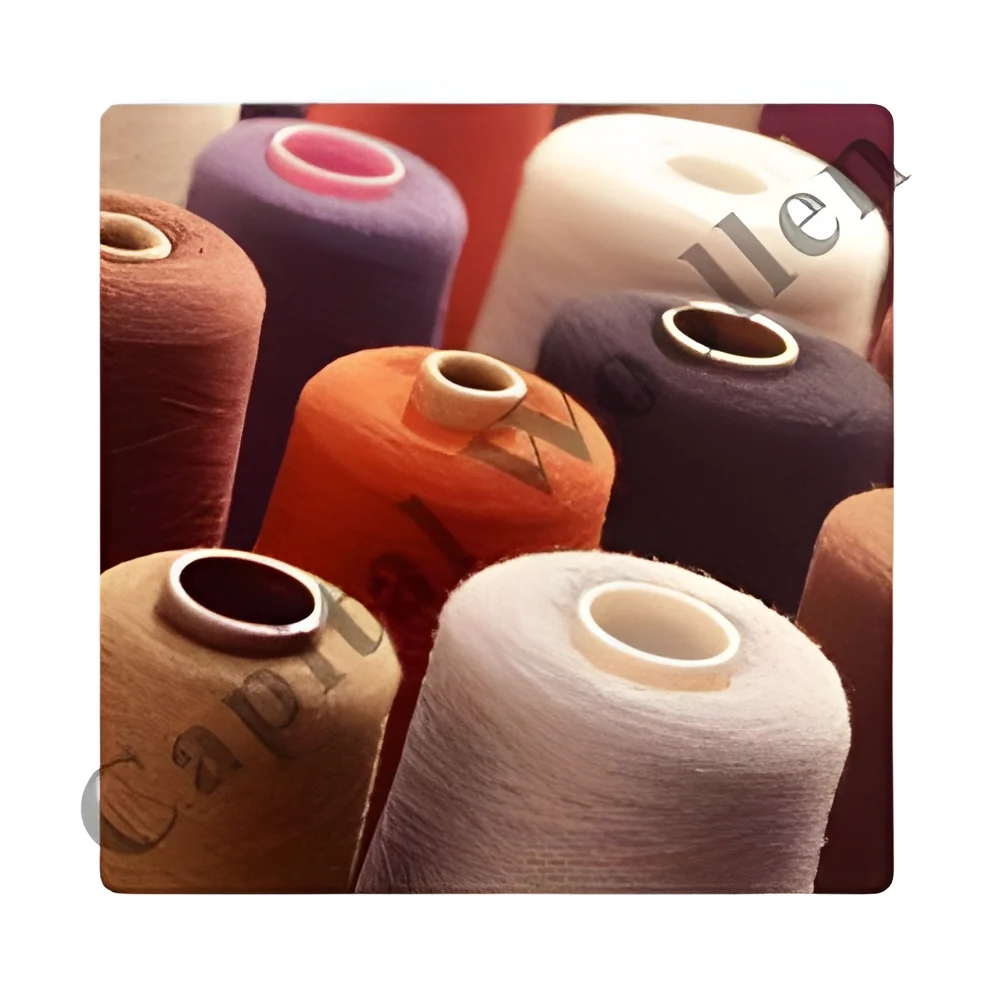
What are Blended Fabric Traders?
Blended Fabric Traders are businesses that specialize in the sourcing, manufacturing, and distribution of blended fabrics. These fabrics are created by combining two or more types of fibers, such as cotton, polyester, wool, or nylon, to achieve certain desired characteristics. The blending process allows for the enhancement of durability, comfort, and versatility, making these fabrics suitable for a variety of applications.
The primary uses of blended fabrics include clothing, upholstery, and industrial applications. In the fashion industry, blended fabrics are favored for their ability to hold colors well, resist wrinkles, and provide comfort. Additionally, in industrial contexts, these fabrics are often used for protective clothing, workwear, and other specialized applications that require specific performance characteristics.
In terms of industry relevance, blended fabric traders play a crucial role in the textile supply chain. They contribute to the growth of sectors such as fashion, automotive, and home textiles. As global demand for high-quality textiles increases, blended fabric traders are positioned to meet the needs of diverse markets, ensuring that manufacturers have access to innovative and functional materials.
Key Features and Specifications
Blended fabrics offer a range of features that make them appealing to various industries. These fabrics are typically designed to exhibit a combination of strength, flexibility, and comfort. The specifications of blended fabrics can greatly vary based on their intended use and the fibers used in their composition.
Key specifications include:
1. Fiber Composition
- Blended fabrics can consist of any combination of fibers.
- Common blends include cotton-polyester, wool-nylon, and rayon-spandex.
2. Durability
- Blended fabrics are engineered to resist wear and tear.
- They often meet industry standards for abrasion resistance.
3. Breathability
- Many blended fabrics are designed to allow air circulation.
- This feature is especially important for activewear and uniforms.
4. Moisture Management
- Some blends are created to wick moisture away from the body.
- Ideal for sportswear and outdoor clothing.
5. Colorfastness
- Blended fabrics are often treated to resist fading.
- Ensures long-lasting vibrancy in colors.
6. Wrinkle Resistance
- Many blends are designed to minimize wrinkling.
- Reduces the need for ironing in finished products.
7. Stretchability
- Certain blends incorporate elastic fibers for added stretch.
- Important for fitted clothing and activewear.
8. Eco-Friendliness
- Sustainable blends are becoming more common.
- Using recycled or organic fibers to reduce environmental impact.
In summary, blended fabrics combine the qualities of different fibers to produce materials that meet specific performance needs across various sectors.
Common Applications and Use Cases
Blended fabrics are utilized in a wide array of industries, thanks to their versatility and functional properties.
1. Fashion Industry: Blended fabrics are widely used in apparel, including shirts, trousers, dresses, and activewear. Their ability to combine comfort with style makes them popular among designers.
2. Home Textiles: In home décor, blended fabrics are commonly found in curtains, upholstery, and bedding. Their durability and aesthetic appeal enhance living spaces.
3. Automotive Sector: Automotive interiors often use blended fabrics for seat covers and panels. These fabrics provide durability and resistance to wear while maintaining a stylish appearance.
4. Industrial Applications: Blended fabrics are essential in creating work uniforms and protective clothing. Their strength and moisture-wicking properties ensure safety and comfort for workers.
5. Sports and Activewear: The demand for high-performance blended fabrics in sportswear is increasing. These fabrics offer breathability, flexibility, and moisture management, making them ideal for athletes.
6. Medical Textiles: In the healthcare industry, blended fabrics are used for medical scrubs and linens. Their ease of cleaning and comfort is vital for medical professionals.
7. Footwear: Blended materials are also prominent in footwear, providing comfort and durability for various styles of shoes.
Product Variants and Subcategories
Blended fabrics come in various forms, each tailored for specific applications. Their diversity allows businesses to select the most suitable option for their needs.
Cotton-Polyester Blend
This variant combines the softness of cotton with the durability of polyester. It is commonly used in casual wear and uniforms, offering comfort along with easy maintenance.
Wool-Nylon Blend
This blend is designed for insulation and durability, making it ideal for outerwear and cold-weather clothing. The nylon adds strength while the wool provides warmth.
Rayon-Spandex Blend
Known for its stretchability, this blend is perfect for activewear and fitted clothing. The spandex provides flexibility, while rayon offers a soft, breathable feel.
Benefits and Advantages
Blended fabrics offer numerous benefits that enhance their appeal across industries. Businesses can leverage these advantages for improved product offerings.
1. Versatility: Blended fabrics can be used in a wide range of applications, from fashion to industrial use, thanks to their customizable attributes.
2. Cost-Effectiveness: The blending of fibers can reduce production costs while maintaining quality. This makes it easier for manufacturers to provide affordable products.
3. Enhanced Performance: The combination of different fibers results in improved properties such as durability, moisture-wicking, and comfort, catering to diverse needs.
4. Customization: Businesses can tailor blends to meet specific requirements, allowing for unique product offerings that stand out in the market.
5. Environmental Impact: Many blended fabrics are now made using sustainable practices, appealing to eco-conscious consumers and businesses.
6. Aesthetic Appeal: Blended fabrics can achieve a wide range of textures and appearances, making them visually appealing for fashion and home décor.
Buying Guide for B2B Buyers
When sourcing blended fabrics, B2B buyers should consider several important factors to ensure they make informed decisions.
1. Quality Assessment: It is crucial to evaluate the quality of blended fabrics based on factors such as durability, finish, and fiber composition. Buyers should request samples to assess these qualities firsthand.
2. Supplier Verification: Conduct thorough research on potential suppliers to ensure they have a reputation for quality and reliability. Check references and certifications to validate their credibility.
3. Pricing and MOQ: Understand the pricing structure and minimum order quantities (MOQ) offered by suppliers. This information is vital for budgeting and planning inventory.
4. Delivery and Lead Times: Discuss logistics with suppliers to know the expected delivery times and any potential delays. Timely delivery is critical for maintaining production schedules.
5. Compliance Requirements: Ensure that suppliers comply with relevant industry standards and regulations. This includes quality certifications and safety requirements that may be applicable in specific markets.
Compliance and Certifications
Blended fabrics must adhere to various compliance and certification standards to ensure quality and safety. Relevant standards include ISO 9001, which focuses on quality management systems, and CE marking, indicating compliance with European health and safety regulations.
In addition to these standards, blended fabrics may be subjected to safety and testing requirements to ensure they meet industry-specific needs. This can include testing for flammability, chemical composition, and durability.
Regional compliance considerations are also important. Different markets may have specific regulations governing textile products, and it is essential for suppliers to be aware of and adhere to these requirements to successfully enter and compete in those markets.
Why Source Blended Fabric Traders from Pepagora?
Pepagora provides a trusted platform for sourcing blended fabric traders, offering several key advantages to B2B buyers.
Verified Supplier Network: Pepagora has established a robust network of verified suppliers. This ensures that buyers can connect with reputable manufacturers who meet high-quality standards.
Streamlined RFQ Process: The platform simplifies the request for quotation (RFQ) process, allowing buyers to easily compare offers and select the best options without extensive back-and-forth communication.
Trade Assurance and Support: Buyers are protected through trade assurance measures that safeguard transactions. This support includes dispute resolution and assistance throughout the purchasing process.
Regional Coverage: Pepagora has a broad geographic reach, covering markets in India, the Gulf Cooperation Council (GCC), and Southeast Asia. This allows buyers to find suppliers that are local to their region, reducing shipping times and costs.

 IN
IN