What are Rayon & Viscose Fabric Traders?
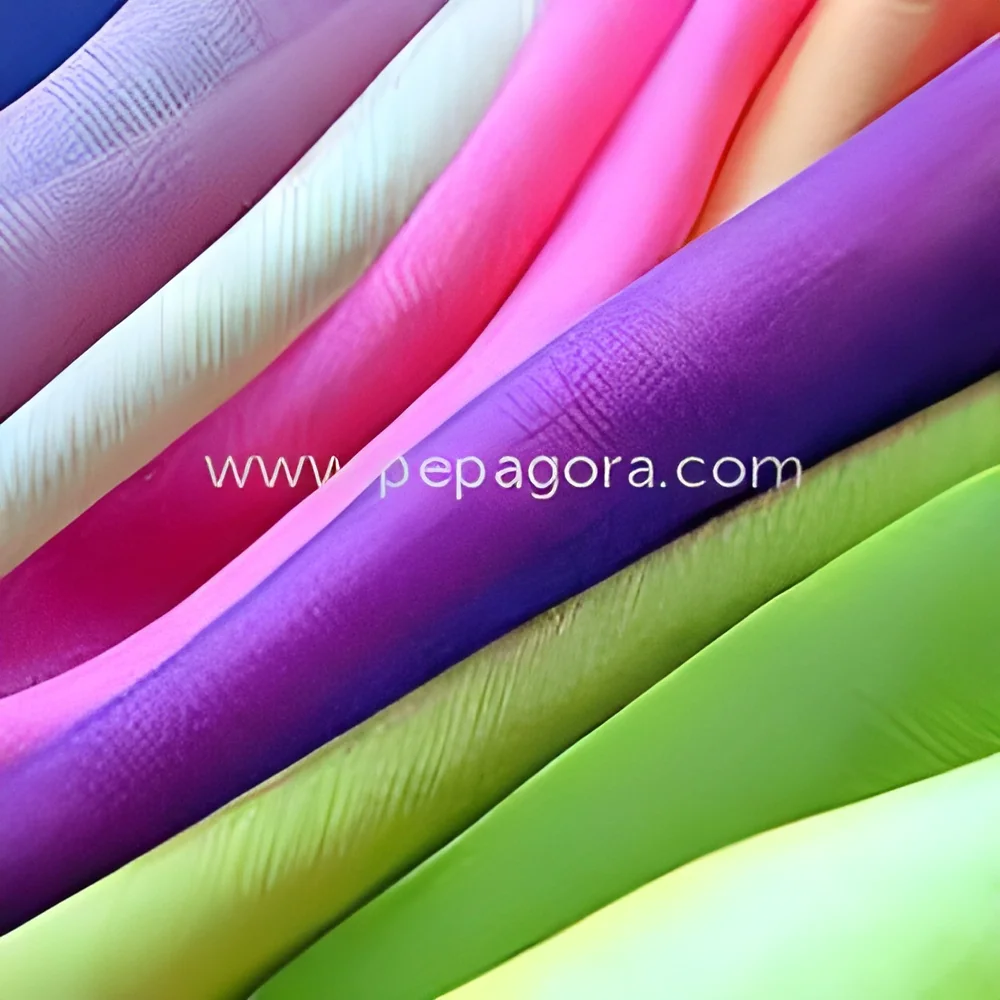
Rayon and viscose fabrics are semi-synthetic textiles made from natural cellulose fibers. Rayon is produced from regenerated cellulose, primarily derived from wood pulp, while viscose is a specific type of rayon that is created using a chemical process. Both fabrics are known for their silk-like feel, breathability, and ability to drape elegantly, making them popular choices in the fashion and textile industries.
These fabrics are widely used for a variety of applications, including clothing, upholstery, and home textiles. In apparel, they are commonly found in dresses, blouses, and linings due to their softness and comfort. Upholstery and home textiles benefit from the aesthetic appeal and versatility of rayon and viscose, often seen in curtains, bed linens, and cushions. As the market for sustainable and eco-friendly materials grows, the relevance of rayon and viscose fabrics continues to increase, positioning traders in this sector as vital players in the textile industry.
Key Features and Specifications
Rayon and viscose fabrics offer numerous features that make them suitable for various applications. These include their softness, moisture-wicking properties, and vibrant dyeability. They are also known for their ability to mimic the characteristics of silk and cotton, providing a versatile option for manufacturers and designers.
Key specifications include:
1. Fiber Composition
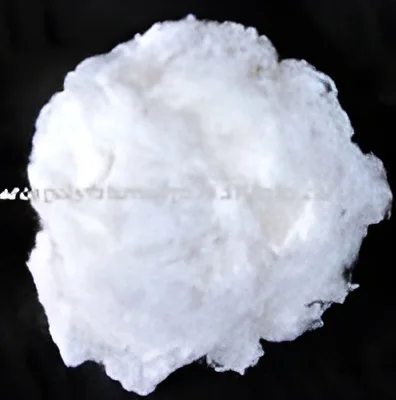
- Made from natural cellulose fibers
- Typically derived from wood pulp or bamboo
2. Fabric Weight
- Ranges from lightweight to heavier options
- Standard weights are between 60 to 300 grams per square meter
3. Breathability
- Excellent moisture absorption and air permeability
- Ideal for warm climates and active wear
4. Dye Affinity
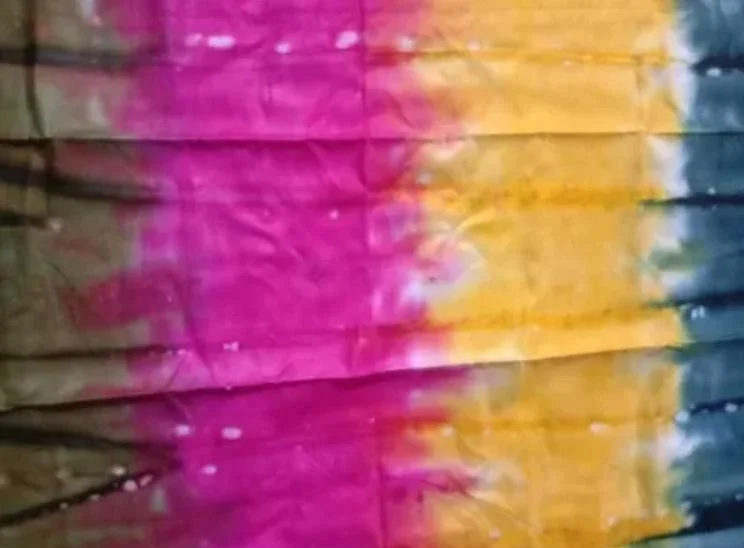
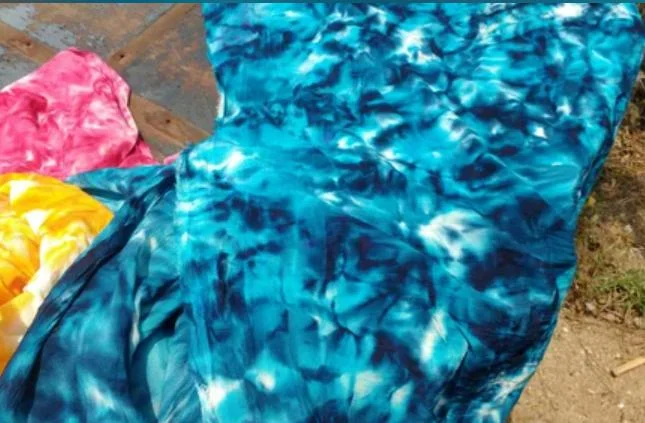
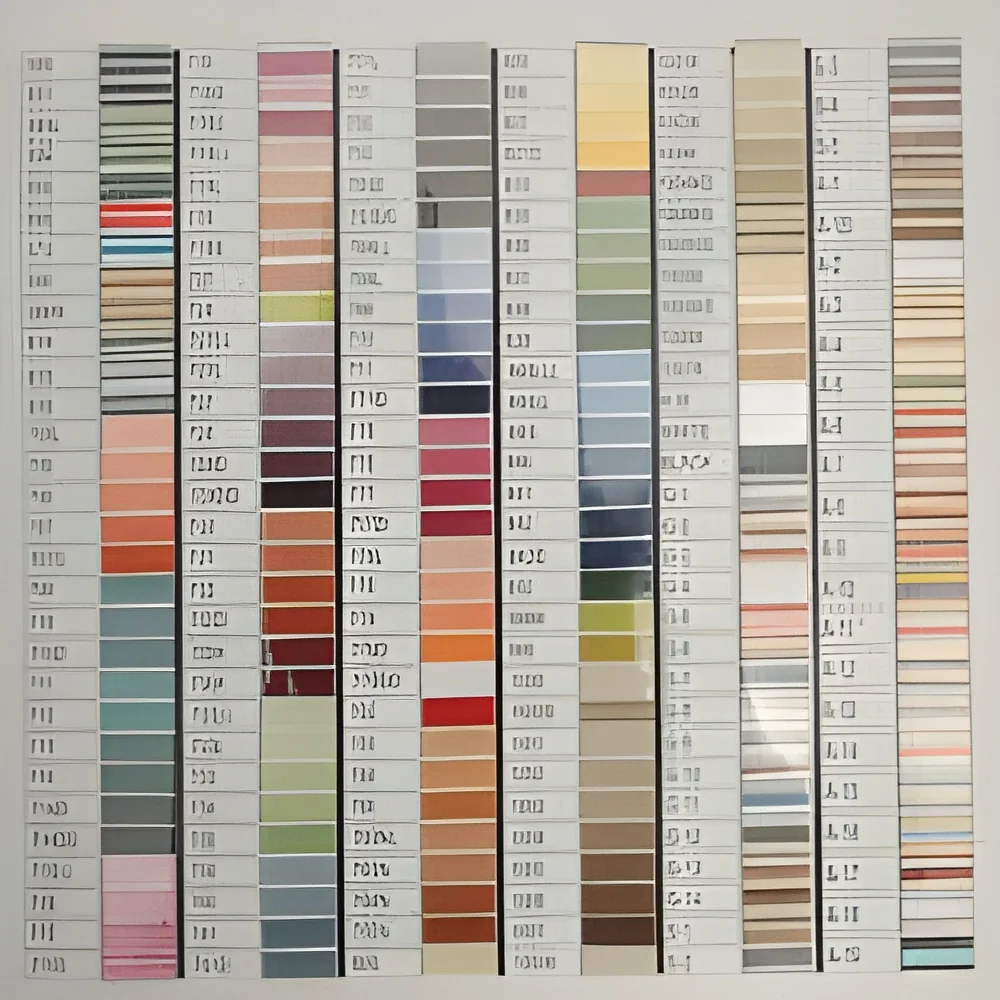
- Highly receptive to dyes for vibrant colors
- Can achieve deep hues and intricate patterns
5. Durability
- Moderate strength under dry conditions
- Care needed to maintain integrity when wet
6. Texture
- Soft and smooth texture similar to silk
- Can be finished for a lustrous or matte appearance
7. Environmental Impact
- Biodegradable options available
- Can be produced sustainably depending on sourcing practices
In summary, rayon and viscose fabrics are characterized by their unique blend of softness, versatility, and aesthetic appeal, making them a preferred choice in diverse industries.
Common Applications and Use Cases
Rayon and viscose fabrics serve multiple industries with their adaptable properties.
1. Fashion Industry: Widely used in women's clothing, including dresses, blouses, and skirts. The fabric's soft texture and ability to hold color make it a favorite among designers.
2. Home Textiles: Commonly found in curtains, bed linens, and upholstery. The fabric's draping qualities and aesthetic versatility enhance home décor.
3. Health and Beauty: Used in the manufacturing of non-woven fabrics for medical supplies and beauty products, benefiting from their softness and absorbency.
4. Automotive: Employed in vehicle interiors for seat covers and upholstery, where comfort and durability are essential.
5. Hospitality: Utilized in hotels for bed linens and curtains due to its luxurious feel and ease of maintenance.
6. Sportswear: Used in activewear for its moisture-wicking properties and comfort during movement.
7. Crafts and DIY: Popular in various craft applications, including quilting and sewing, thanks to its easy handling and availability in diverse patterns.
Product Variants and Subcategories
Rayon and viscose fabrics come in various forms, catering to specific needs and preferences in different sectors.
Satin Viscose
This variant features a glossy surface, making it ideal for evening wear and formal attire. The luxurious appearance is complemented by a smooth texture that enhances comfort.
Challis Rayon
Challis is a lightweight and soft variant often used in flowing garments. Its breathable nature makes it suitable for summer dresses and lightweight wraps.
Twill Viscose
This fabric has a distinctive diagonal weave, providing strength and durability. It is commonly used in tailored clothing and workwear, combining style with functionality.
Benefits and Advantages
Choosing rayon and viscose fabrics offers several advantages to businesses and consumers alike.
1. Comfort: The softness and breathability of these fabrics ensure a comfortable wearing experience, making them ideal for various applications.
2. Versatility: Available in numerous styles and finishes, rayon and viscose can be adapted for different fashion trends and industrial needs.
3. Eco-Friendliness: Many manufacturers are adopting sustainable practices in producing rayon and viscose, making them a more environmentally responsible choice.
4. Cost-Effectiveness: These fabrics often offer a lower price point compared to pure silk and other luxury materials while still providing a similar aesthetic.
5. Easy Care: Rayon and viscose fabrics can often be machine washed and require less maintenance than other delicate fabrics.
6. Color Retention: The excellent dye affinity ensures that colors remain vibrant and do not fade quickly, enhancing the longevity of the products made from these fabrics.
Buying Guide for B2B Buyers
When sourcing rayon and viscose fabrics, several factors should be considered to ensure quality and reliability.
1. Quality Assessment: Evaluate the fabric's texture, weight, and finish. Look for samples to check the feel and durability before making bulk purchases.
2. Supplier Verification: Conduct thorough research on potential suppliers. Check their reputation, customer reviews, and any industry certifications they may hold.
3. Pricing and MOQ: Understand the pricing structure and minimum order quantities required by suppliers. This will help in budgeting for your projects.
4. Delivery and Lead Times: Inquire about the expected lead times for orders. Timely delivery is crucial for production schedules.
5. Compliance Requirements: Ensure that the fabrics meet any relevant industry standards and regulations. This may include safety and environmental compliance considerations.
Compliance and Certifications
Rayon and viscose fabrics are subject to various quality standards and certifications, which ensure their safety and reliability for use in different applications.
ISO 9001 is a widely recognized standard that outlines quality management principles, ensuring that products meet customer and regulatory requirements. Compliance with this standard indicates a commitment to continuous improvement and customer satisfaction.
CE certification is important for fabrics used in certain applications, particularly in the European market. It signifies that the products meet health, safety, and environmental protection standards.
Safety and testing requirements are essential for fabrics used in sensitive industries, such as healthcare and automotive. Rigorous testing ensures that the materials do not pose risks to users.
Regional compliance considerations may vary, so it is crucial for suppliers to adhere to local regulations regarding material sourcing, production practices, and environmental impact.
Why Source Rayon & Viscose Fabric Traders from Pepagora?
Pepagora offers a reliable platform for sourcing rayon and viscose fabric traders, ensuring that buyers have access to quality materials from trusted suppliers.
The verified supplier network includes manufacturers and traders who have undergone thorough vetting. This process ensures that buyers can trust the quality and consistency of the products they purchase.
The streamlined RFQ process simplifies the procurement experience. Buyers can easily submit requests for quotes, enabling quick comparisons of prices and terms from multiple suppliers.
Trade assurance and support are integral to the Pepagora experience. The platform provides buyers with protections that safeguard their investments, promoting confidence in transactions.
With a broad regional coverage that spans India, the GCC, and Southeast Asia, Pepagora connects buyers with suppliers across key markets. This geographic reach ensures that businesses can find the right materials to meet their needs efficiently.

 IN
IN