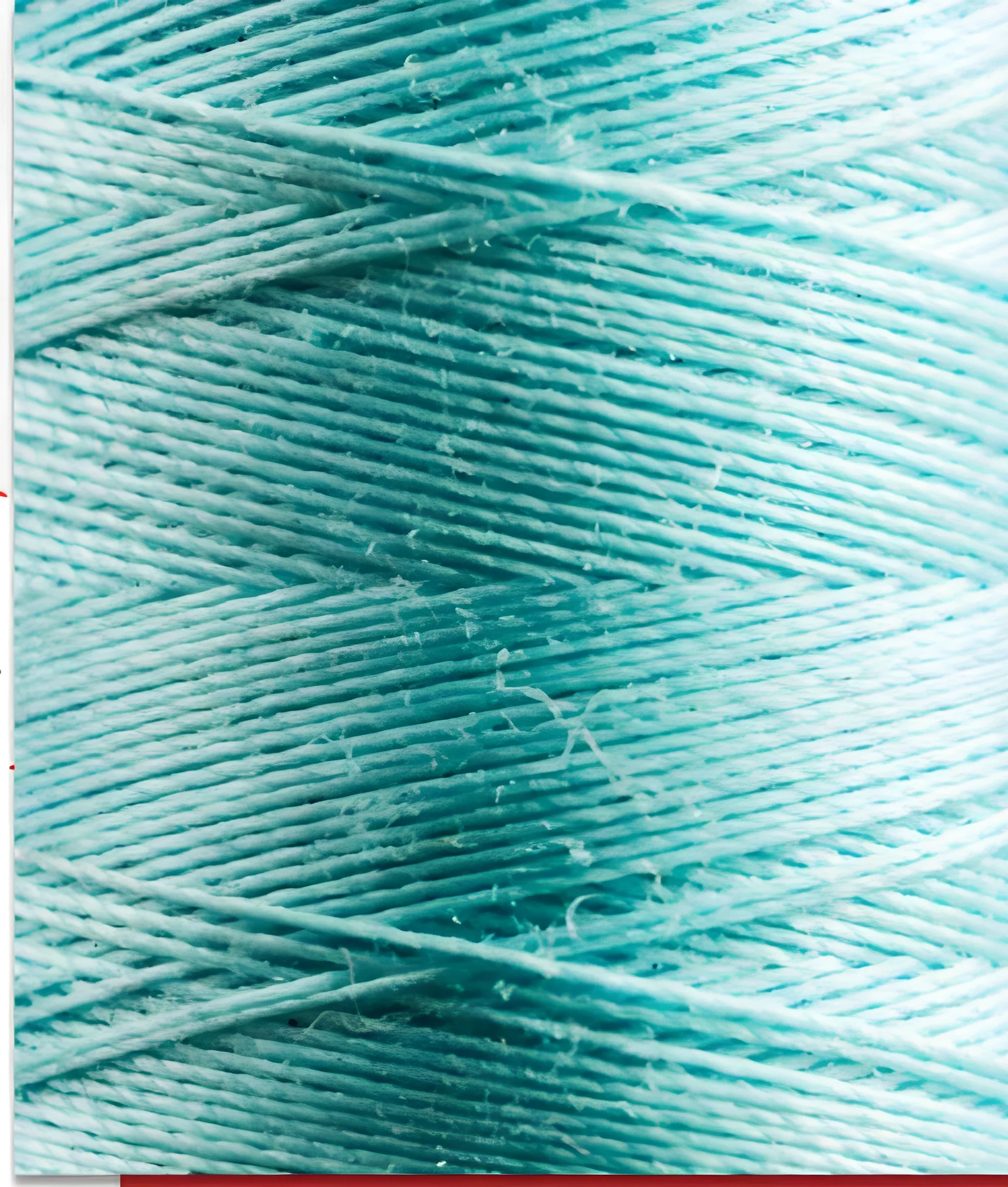
What are Dyed Fabric Distributors?
Dyed fabric distributors play a crucial role in the textile industry by supplying a range of dyed fabrics to manufacturers, wholesalers, and retailers. These distributors source dyed fabrics from various producers, ensuring that the colors, patterns, and materials meet the specific needs of their clients. They act as intermediaries, connecting fabric manufacturers with businesses that require high-quality textiles for production.
The primary uses of dyed fabrics span across numerous sectors, including fashion, home textiles, and industrial applications. Businesses utilize these fabrics to create garments, upholstery, and other textile products. The demand for dyed fabrics is influenced by trends in fashion, home décor, and even automotive industries, where customized textiles are essential.
In the current market context, dyed fabric distributors are vital for ensuring a steady supply of diverse textiles to meet the growing consumer demand. As sustainability becomes increasingly important, many distributors are also focusing on eco-friendly fabric options. This shift is driven by consumer preferences for sustainable products, making it essential for distributors to adapt to these market changes.
Key Features and Specifications
When considering dyed fabric distributors, it is important to understand their key features and specifications. These specifications ensure that the fabrics meet industry standards and customer expectations.
Key specifications include:
1. Fabric Composition
- Typically made from materials like cotton, polyester, or blends.
- Choice of material affects durability and application.
2. Colorfastness
- Resistance of fabric colors to fading or running.
- Tested against various environmental factors.
3. Weight
- Measured in grams per square meter (GSM).
- Influences the fabric's thickness and suitability for different applications.
4. Width
- Standard widths often range from 36 to 60 inches.
- Important for cutting and sewing processes.
5. Dyeing Techniques
- Different methods such as reactive, acid, and disperse dyeing.
- Each technique offers unique aesthetic and functional properties.
6. Finish
- Fabrics may have special finishes like water-repellent or flame-retardant.
- Enhances performance for specific applications.
7. Compliance Standards
- Fabrics should meet industry standards for safety and quality.
- Compliance with relevant regulations is essential.
8. Customization Options
- Availability of custom dye colors and patterns.
- Allows businesses to tailor products to their branding needs.
In summary, understanding these specifications is essential for businesses when choosing dyed fabric distributors. The right selection can significantly impact the quality and appeal of the final products.
Common Applications and Use Cases
Dyed fabrics are utilized across various industries, highlighting their versatility and importance.
1. Fashion Industry: Dyed fabrics are crucial for clothing manufacturers who require vibrant colors and patterns for garments. Fashion designers rely on these fabrics to create seasonal collections and unique pieces.
2. Home Textiles: Distributors provide fabrics for upholstery, curtains, and bedding. Home décor brands seek high-quality dyed fabrics to enhance the aesthetic appeal of their products.
3. Automotive Industry: Dyed fabrics are used in car interiors for seats and trims. Automotive manufacturers look for durable and colorfast materials to ensure longevity and customer satisfaction.
4. Sportswear: The demand for performance fabrics in sports apparel has increased. Dyed fabrics that are moisture-wicking and durable are essential for athletic wear.
5. Medical Textiles: Dyed fabrics are also used in healthcare settings for uniforms and bedding. Compliance with health regulations is critical in this sector.
6. Industrial Applications: Certain dyed fabrics are used for protective clothing and gear. Industries requiring safety textiles benefit from specialized dyed fabrics.
7. Craft and DIY Markets: Dyed fabrics are popular among crafters for projects, quilting, and home crafting. The variety of colors and textures allows for creative expression.
Product Variants and Subcategories
The market for dyed fabric distributors offers a range of options to cater to diverse needs.
Cotton Fabrics
Cotton dyed fabrics are known for their softness and breathability. They are widely used in apparel and home textiles, making them a popular choice for many manufacturers.
Polyester Fabrics
These fabrics are valued for their durability and resistance to wrinkles and shrinking. Polyester dyed fabrics are commonly used in sportswear and outdoor textiles due to their performance characteristics.
Blended Fabrics
Blended dyed fabrics combine different fibers to offer unique benefits, such as increased strength or enhanced comfort. They are versatile and used across various applications, from casual wear to formal attire.
Sustainable Fabrics
With growing awareness of environmental issues, many distributors now offer dyed fabrics made from sustainable materials. These fabrics appeal to brands focusing on eco-friendly practices.
Benefits and Advantages
Sourcing dyed fabric distributors presents several advantages for businesses.
1. Quality Assurance: Distributors ensure that fabrics meet rigorous quality standards. This helps manufacturers maintain a high level of product quality.
2. Variety of Options: A wide range of colors, patterns, and materials is available. This diversity allows businesses to find exactly what they need for their specific applications.
3. Cost Efficiency: Working with distributors can lead to cost savings due to bulk purchasing and reduced shipping expenses. This is essential for maintaining competitive pricing.
4. Access to Trends: Distributors often stay ahead of market trends, providing access to the latest fabric innovations. This ensures businesses remain relevant in a competitive landscape.
5. Customization Capabilities: Many distributors offer customization options, allowing businesses to create unique products that align with their brand identity.
6. Reliable Supply Chain: Established distributors maintain a robust supply chain, ensuring timely delivery of materials. This reliability is crucial for production schedules.
Buying Guide for B2B Buyers
When sourcing dyed fabric distributors, businesses should consider several factors to make informed decisions.
1. Quality Assessment: Evaluate fabric quality through samples and certifications. This helps ensure that the materials meet expectations and standards.
2. Supplier Verification: Conduct thorough background checks on potential suppliers. Look for reviews and case studies to gauge their reliability and reputation in the market.
3. Pricing and MOQ: Understand the pricing structure and minimum order quantities. This information is vital for budgeting and inventory management.
4. Delivery and Lead Times: Confirm the distributor's delivery capabilities and lead times. Timely delivery is essential for maintaining production schedules.
5. Compliance Requirements: Verify that the fabrics comply with relevant industry standards and regulations. This is particularly important for industries with strict compliance needs.
Compliance and Certifications
Compliance and certifications are crucial aspects of dyed fabric distributors. Adhering to quality standards ensures that fabrics are safe and reliable for use.
Relevant quality standards such as ISO 9001 and HACCP govern the quality management systems and food safety processes in the textile industry. Compliance with these standards indicates that a distributor follows best practices in quality assurance.
Industry certifications, including CE marking, signify that fabrics meet European safety and health requirements. This is essential for businesses looking to enter international markets or work within regulated industries.
Safety and testing requirements should also be a priority. Fabrics must undergo testing for factors like flammability and chemical safety to ensure they meet customer expectations and legal regulations.
Regional compliance considerations can vary, so it is important for distributors to be aware of local regulations. This ensures that their products meet the legal requirements of the markets they serve.
Why Source Dyed Fabric Distributors from Pepagora?
Pepagora offers a trusted platform for sourcing dyed fabric distributors, providing several key advantages to businesses.
Verified Supplier Network: Pepagora has a rigorous verification process for suppliers, ensuring that businesses are connected with reputable distributors. This helps mitigate risks associated with sourcing.
Streamlined RFQ Process: The platform features an efficient request for quotation (RFQ) system. This allows buyers to quickly receive multiple quotes, making it easier to compare options and find the best fit.
Trade Assurance and Support: Pepagora provides trade assurance, protecting buyers throughout the purchasing process. Their dedicated support team is also available to assist with any concerns or inquiries.
Regional Coverage: With a strong presence in India, the GCC, and Southeast Asia, Pepagora enables access to a wide range of dyed fabric distributors. This geographic reach ensures businesses can find suppliers that meet their unique needs.

 IN
IN