What are India-Based Fabric Traders?
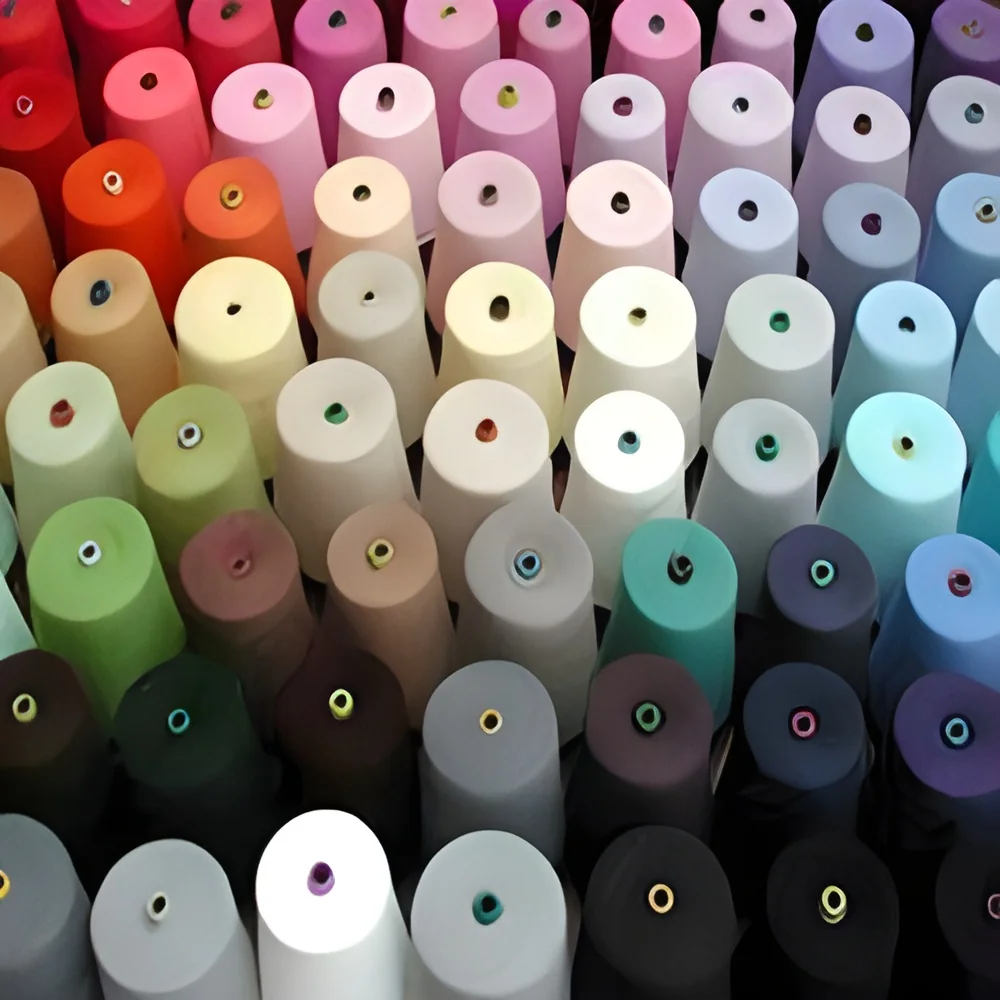
India-Based Fabric Traders are businesses that specialize in the sourcing, trading, and distribution of various types of fabrics within India and international markets. These traders act as intermediaries between fabric manufacturers and end-users, facilitating transactions that cater to diverse needs across different industries. They play a crucial role in the textile supply chain by ensuring a steady flow of materials, which can range from traditional textiles to modern synthetic fabrics.
The primary uses of fabrics traded by these businesses span multiple applications, including garment manufacturing, upholstery, and industrial uses. They supply fabrics for clothing, home decor, and various commercial products, thereby contributing significantly to the textile and apparel sectors. The relevance of India-Based Fabric Traders in the global market is underscored by India's position as one of the largest textile producers in the world, making it a vital player in meeting the fabric demands of various regions.
Key Features and Specifications
India-Based Fabric Traders offer a wide range of fabric types and specifications tailored to meet the diverse needs of their clients. Their offerings can include various qualities, textures, and functionalities designed for specific applications. Understanding these specifications helps businesses select the appropriate fabrics for their projects.
Key specifications include:
1. Fabric Type
- Various options such as cotton, silk, polyester, and blended fabrics.
- Each type offers unique characteristics suitable for different applications.
2. Weave Pattern
- Common patterns include plain, twill, satin, and jacquard.
- The choice of weave affects the fabric's texture, strength, and appearance.
3. Weight
- Fabric weight can range from lightweight (less than 100 GSM) to heavy (over 400 GSM).
- Heavier fabrics are typically used for upholstery and outdoor applications.
4. Finish
- Fabrics may have different finishes such as water-resistant, flame-retardant, or wrinkle-free.
- Finishing processes enhance the durability and usability of the fabric.
5. Color and Print Options
- A wide array of colors and print patterns is available.
- Custom printing can be offered to meet specific branding requirements.
6. Compliance Standards
- Fabrics may adhere to various quality standards, ensuring safety and performance.
- Compliance with international regulations is crucial in global trade.
7. Minimum Order Quantity (MOQ)
- Different traders may have varying MOQs based on fabric type and customization.
- Understanding MOQ is essential for budgeting and project planning.
8. Lead Time
- Delivery timelines can vary based on order size and complexity.
- Efficient logistics management is critical to meet customer deadlines.
In summary, understanding the key features and specifications of India-Based Fabric Traders is essential for businesses looking to procure fabrics that meet their specific requirements.
Common Applications and Use Cases
India-Based Fabric Traders serve a variety of industries, providing essential materials for numerous applications.
1. Apparel Industry: Fabrics are used to create garments ranging from casual wear to formal attire. The variety of fabrics allows for creativity and innovation in fashion design.
2. Home Furnishing: Traders supply fabrics for curtains, upholstery, and bedding. Different textures and patterns enhance living spaces.
3. Automotive Sector: Specially designed fabrics are utilized in vehicle interiors, contributing to aesthetics and comfort.
4. Industrial Applications: Fabrics are essential in manufacturing protective clothing and other industrial textiles that require durability and resistance to wear.
5. Medical Sector: Certain fabrics are employed in medical textiles such as scrubs and surgical gowns, where hygiene and safety are paramount.
6. Sportswear: High-performance fabrics are sourced for athletic apparel, designed for breathability and moisture management.
7. Decorative Textiles: Traders offer fabrics for decorative purposes, including event planning and merchandising, enabling businesses to create visually appealing environments.
Product Variants and Subcategories
India-Based Fabric Traders offer a wide range of product variants, catering to specific needs across various sectors.
Cotton Fabrics
These fabrics are known for their softness and breathability. They are widely used in the apparel industry for casual wear and in home textiles for bedding and curtains.
Synthetic Fabrics
Manufactured from polyester, nylon, or other synthetic fibers, these fabrics are durable and often used in sportswear and industrial applications. Their resistance to wear and easy maintenance make them popular.
Blended Fabrics
Combining natural and synthetic fibers, blended fabrics offer the benefits of both materials. They are versatile and commonly used in a variety of clothing and upholstery applications.
Silk Fabrics
Renowned for their luxurious feel and appearance, silk fabrics are often used in high-end fashion and formal garments. Their unique properties require careful handling and care.
Benefits and Advantages
Sourcing from India-Based Fabric Traders offers numerous advantages for businesses looking for quality fabrics.
1. Diverse Product Range: Traders provide a wide selection of fabrics suitable for various applications, allowing businesses to find exactly what they need.
2. Competitive Pricing: The competitive fabric market in India can lead to more favorable pricing, helping businesses manage their budgets effectively.
3. Quality Assurance: Many traders adhere to strict quality standards, ensuring that the fabrics meet the necessary performance criteria.
4. Customization Options: Traders often offer custom fabric solutions, allowing businesses to create unique products that stand out in the market.
5. Strong Supplier Relationships: Established traders usually maintain strong relationships with manufacturers, ensuring reliable supply and timely delivery.
6. Access to Market Trends: Traders are often well-informed about current market trends, enabling businesses to stay ahead of competitors by offering trendy products.
Buying Guide for B2B Buyers
When sourcing from India-Based Fabric Traders, buyers should consider several important factors to ensure a successful purchase.
1. Quality Assessment: Evaluate the quality of fabrics by requesting samples. Look for consistency in weave, colorfastness, and overall performance to ensure the materials meet your standards.
2. Supplier Verification: Conduct thorough research to verify the credibility of suppliers. Check for industry certifications and customer reviews to ensure reliability.
3. Pricing and MOQ: Understand the pricing structure and minimum order quantities set by traders. This will assist in budgeting and planning for procurement.
4. Delivery and Lead Times: Confirm delivery schedules and lead times before placing orders. Efficient logistics are crucial for meeting project deadlines.
5. Compliance Requirements: Ensure that the fabrics meet all applicable regulatory and safety standards. This includes checking for certifications like CE, which can impact marketability.
Compliance and Certifications
India-Based Fabric Traders must comply with various quality standards and certifications to ensure the reliability and safety of their products.
Relevant quality standards such as ISO 9001 demonstrate a commitment to quality management systems that enhance customer satisfaction. This standard is essential for businesses aiming to maintain high production standards and consistent output.
Industry certifications, like CE, indicate compliance with European health, safety, and environmental protection legislation. This is particularly important for traders targeting international markets, as it assures buyers of the quality and safety of the fabrics.
Safety and testing requirements are also critical, especially for fabrics used in medical and industrial applications. Regular testing ensures that the fabrics meet necessary safety standards and function effectively in their intended use.
Regional compliance considerations can vary, with traders needing to adhere to local regulations governing textile manufacturing and trade. This includes maintaining environmentally friendly practices and ensuring safe working conditions.
Why Source India-Based Fabric Traders from Pepagora?
Pepagora provides an excellent platform for sourcing India-Based Fabric Traders, offering several key advantages for businesses looking to procure quality fabrics.
Verified Supplier Network: Pepagora ensures that all listed suppliers undergo a stringent verification process. This means buyers can trust the credibility and reliability of the suppliers they choose to work with.
Streamlined RFQ Process: The request for quotation (RFQ) system on Pepagora simplifies the procurement process. Buyers can easily compare quotes from multiple suppliers, facilitating informed decision-making.
Trade Assurance and Support: Pepagora offers trade assurance, providing buyers with protection throughout the procurement process. This support helps mitigate risks associated with sourcing fabrics from new suppliers.
Regional Coverage: With a strong presence across India, the Gulf Cooperation Council (GCC), and Southeast Asia, Pepagora connects buyers with a diverse range of fabric traders. This broad geographic reach enhances the chances of finding the right fabric supplier to meet specific business needs.

 IN
IN