IN
IN₹
Apparel & Fashion
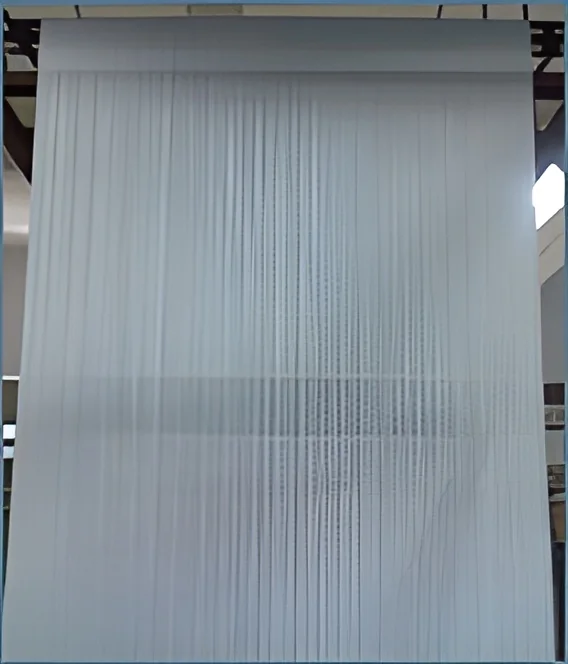
Description
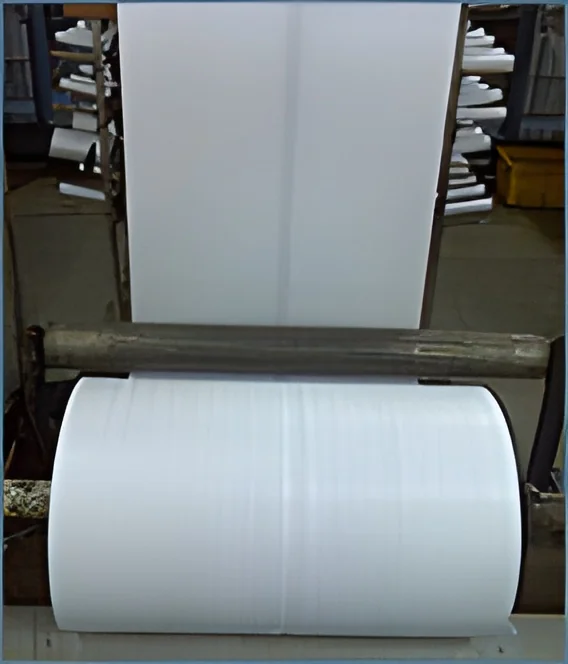
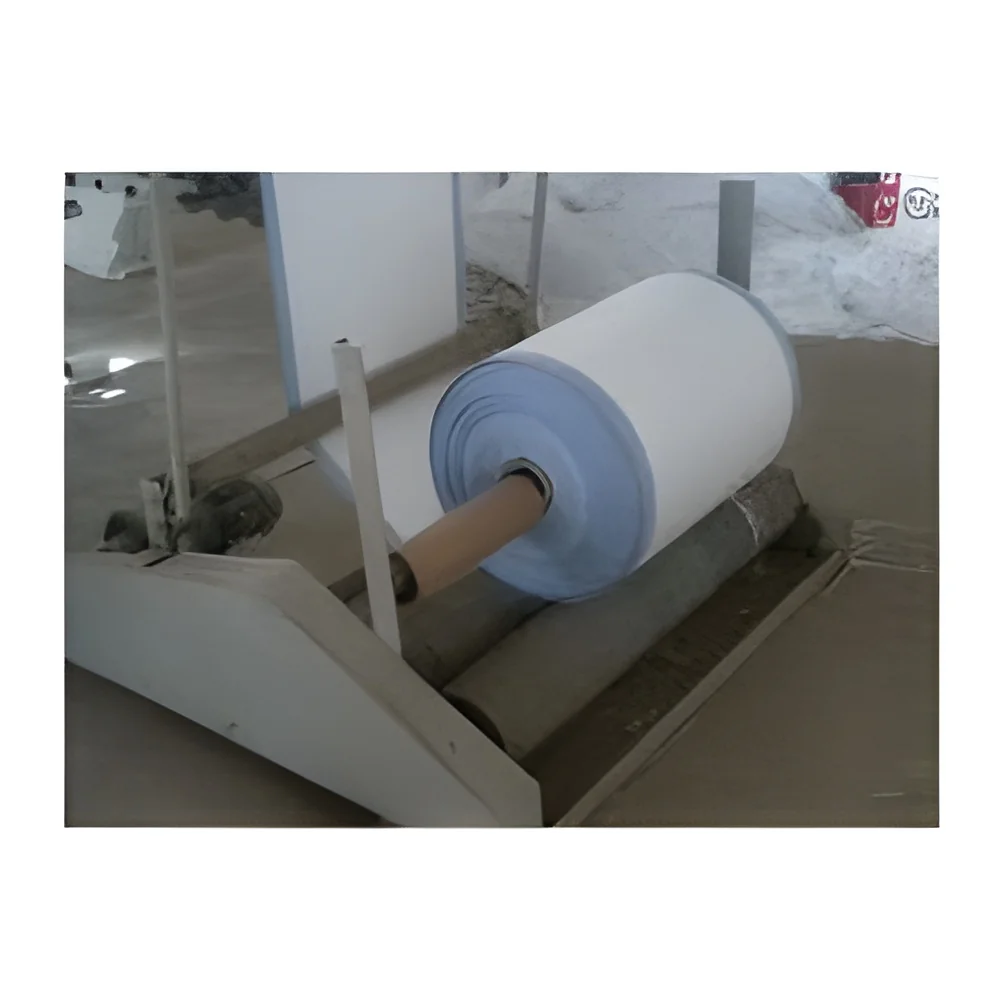
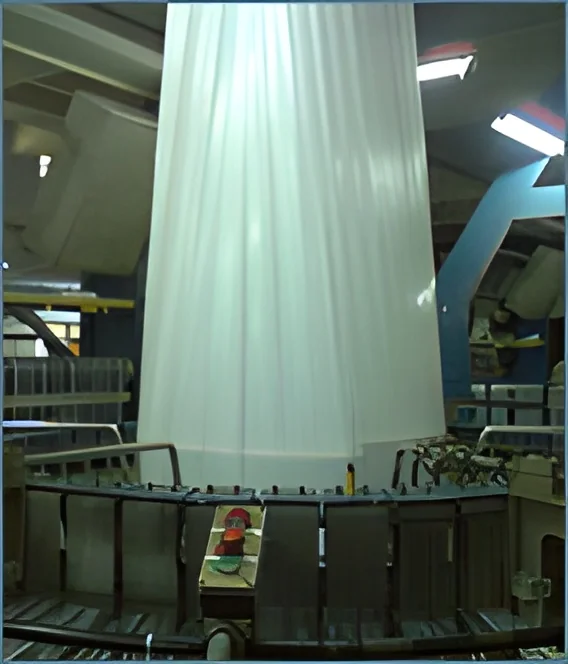
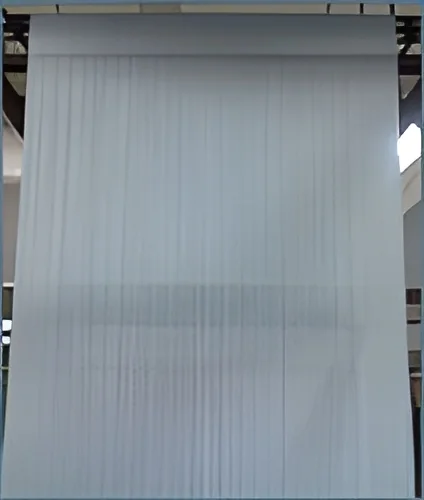
Premium light flat woven fabrics represent a specialized industrial packaging solution engineered for businesses that demand reliable, breathable, and durable material protection. These fabrics are constructed with a precise flat weave technique that delivers exceptional tear resistance while maintaining crucial flexibility and lightweight properties. Manufactured to rigorous industrial standards, they offer consistent, dependable performance across a wide spectrum of packaging scenarios, from delicate textile protection to robust lumber wrapping. The material's inherent structural strength ensures that products remain securely bundled and protected during handling, transit, and storage, while its breathable nature actively prevents moisture accumulation and safeguards product integrity throughout complex supply chain processes. This combination of strength and permeability addresses core packaging challenges faced by volume shippers and manufacturers.

Multiple key industries have sta...
Premium light flat woven fabrics represent a specialized industrial packaging solution engineered for businesses that demand reliable, breathable, and durable material protection. These fabrics are constructed with a precise flat weave technique that delivers exceptional tear resistance while maintaining crucial flexibility and lightweight properties. Manufactured to rigorous industrial standards, they offer consistent, dependable performance across a wide spectrum of packaging scenarios, from delicate textile protection to robust lumber wrapping. The material's inherent structural strength ensures that products remain securely bundled and protected during handling, transit, and storage, while its breathable nature actively prevents moisture accumulation and safeguards product integrity throughout complex supply chain processes. This combination of strength and permeability addresses core packaging challenges faced by volume shippers and manufacturers.

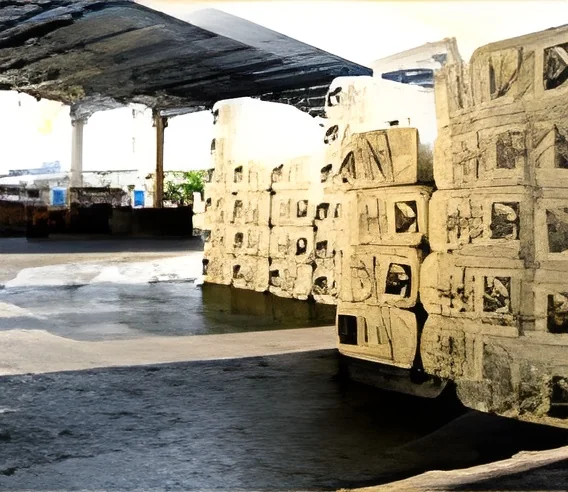
Multiple key industries have standardized on light flat woven fabrics for their specific and often demanding packaging requirements. The textile and apparel industry relies on them extensively for protecting finished fabric rolls, yarn cones, and garment batches during storage, intra-factory movement, and long-distance distribution. Clothing manufacturers and logistics providers utilize these fabrics for bundling and protecting finished products. Simultaneously, the lumber, timber, and wood products sector employs them for wrapping, unitizing, and protecting building materials, panels, and finished wood goods. Furthermore, general manufacturing, automotive component suppliers, and light engineering sectors find these fabrics ideal for packaging various parts and products where protection from dust, scratches, and minor impacts is essential, alongside the need for breathability to prevent condensation.

Businesses derive significant value from the exceptional reliability, operational suitability, and cost-effectiveness of integrating light flat woven fabrics into their packaging operations. These materials deliver consistent performance batch after batch, ensuring packaging quality remains high and predictable, which directly reduces costly product damage during handling, warehousing, and transportation. Their durability translates into tangible benefits: reduced packaging material waste, fewer repackaging incidents, and lower overall logistics costs. The fabrics' suitability for a broad range of products—from soft textiles to rigid lumber—makes them a versatile, multipurpose packaging asset, simplifying procurement and inventory for growing businesses. This reliability builds trust in the supply chain, ensuring that products reach their destination in the condition intended, protecting brand reputation and customer satisfaction.

Key Features:
- Tight, uniform flat weave construction providing enhanced durability and consistent performance
- Breathable fabric design that prevents moisture buildup and condensation, protecting product integrity
- High tear and abrasion resistance, making it suitable for securing heavy or sharp-edged items
- Lightweight material that helps reduce overall shipping weight and associated freight costs
- Manufactured to consistent quality specifications ensuring reliability across all production batches

Benefits:
- Reduces product damage during transit and storage through reliable protection
- Lowers total packaging costs by minimizing waste and replacement needs
- Simplifies inventory management with a versatile material suitable for multiple product types
- Enhances supply chain efficiency with easy-to-handle, quick-to-apply packaging
- Provides trustworthy performance that safeguards product quality and business reputation
Specifications
| Additional Information | |
|---|---|
| Country of Origin | India |
Application
Light flat woven fabrics provide essential protective packaging across multiple sectors. Their breathable yet sturdy construction is perfect for wrapping and securing textiles, yarns, and clothing items during storage and transit. These fabrics prevent damage while allowing air circulation, maintaining product quality throughout the supply chain from manufacturer to end user.
Industrial operations rely on these versatile fabrics for packing lumber, construction materials, and various goods requiring lightweight protection. The flat weave design ensures consistent strength and tear resistance, making them suitable for heavy-duty applications while remaining easy to handle and cost-effective for bulk packaging needs. Their adaptability makes them a go-to solution for diverse industrial packaging challenges.
- Protective wrapping for textile rolls and fabric bundles during shipping and storage
- Secure packaging for finished garments and clothing items in distribution networks
- Lumber and wood product wrapping at sawmills, warehouses, and construction sites
- Industrial yarn and thread packaging for manufacturing and textile facilities
- General-purpose packing material for lightweight industrial goods and components
Trade Details
| Available Stock | In Stock |
| Sample Availability | No |
Payment Terms
| Payment Terms |
|
Company Profile

Bhagyodaya Poly Pack (P) Ltd, Gujarat
 Gujarat, India
Gujarat, IndiaManufacturer•Distributor / Wholesaler
Factory Details
Factory SizeBelow 1000 sqm
Annual Production Capacity0
Industrial Packing Light Flat Woven Fabrics For Textiles And Lumber
Premium light flat woven fabrics for industrial packing applications. Ideal for textiles, yarns, lumber, and clothing packaging. Durable and reliable for importers and distributors.
Min. Order Quantity: 1 unit
Shipping
Shipping fee and delivery date to be negotiated. Contact supplier now for more details.
Bhagyodaya Poly Pack (P) Ltd
 Gujarat, India
Gujarat, IndiaManufacturer