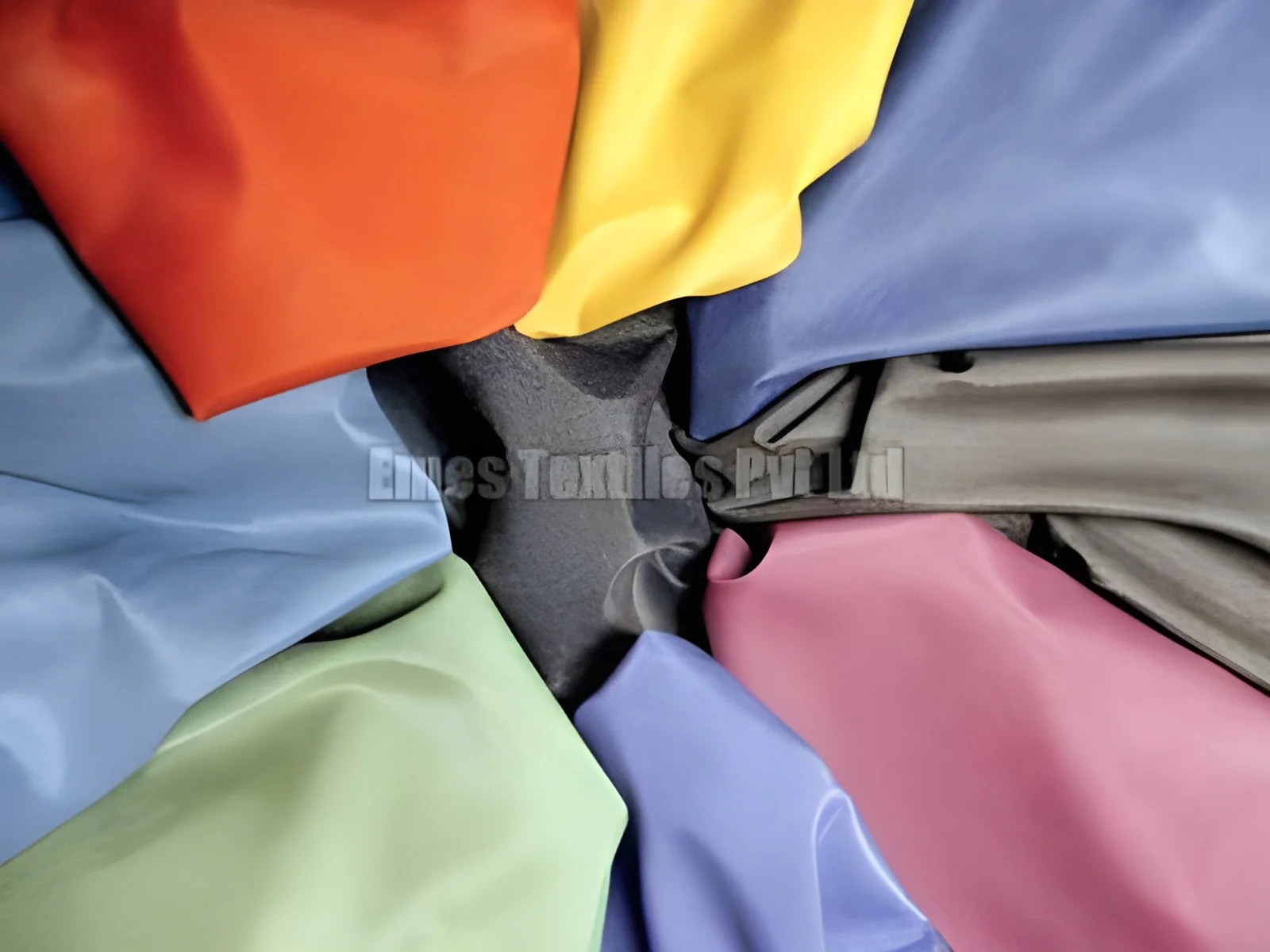
What are Anti-Bacterial Fabric Suppliers?
Anti-bacterial fabric suppliers provide specialized textiles designed to inhibit the growth of bacteria. These fabrics are treated with antimicrobial agents that prevent bacterial proliferation, making them suitable for various applications in industries where hygiene is paramount. The treatment can be applied during the manufacturing process or as a post-treatment to existing fabrics.
The primary uses of anti-bacterial fabrics include healthcare, hospitality, and consumer products. In healthcare settings, such fabrics are used for medical uniforms, bed linens, and surgical drapes, ensuring a sterile environment. In hospitality, they can be found in bedding and upholstery, contributing to a cleaner guest experience. With increasing consumer awareness about hygiene, anti-bacterial fabrics are also becoming popular in clothing and home textiles.
As industries increasingly focus on health and safety, the demand for anti-bacterial fabrics is on the rise. This trend is supported by regulatory frameworks emphasizing hygiene standards, particularly in sectors such as healthcare and food service. The market is witnessing innovation, with suppliers constantly developing new treatments and technologies to enhance the efficacy of these fabrics.
Key Features and Specifications
Anti-bacterial fabrics come with a variety of features that enhance their performance and usability. Understanding these specifications is crucial for businesses looking to source the right materials.
Key specifications include:
1. Fabric Composition
- Commonly made from cotton, polyester, or blends.
- The choice of material affects breathability and comfort.
2. Antimicrobial Treatment
- Various treatments such as silver ions or copper-based technologies.
- Efficacy can vary based on the type of treatment used.
3. Durability
- Resistance to washing and wear can range from moderate to high.
- Important for maintaining effectiveness over time.
4. Breathability
- Some fabrics allow for moisture vapor transmission.
- This feature is essential in applications like activewear.
5. Colorfastness
- Resistance to fading or bleeding when washed.
- Important for maintaining aesthetic quality in consumer products.
6. Compliance Standards
- Adherence to industry standards such as CE marking.
- Ensures safety and effectiveness in various applications.
7. Environmental Impact
- Some suppliers offer eco-friendly options, utilizing sustainable practices.
- Consideration of the lifecycle of the fabric is increasingly important.
8. Customization Options
- Ability to tailor specifications to meet specific customer needs.
- Provides flexibility for unique applications.
These specifications collectively ensure that businesses can select anti-bacterial fabrics suited to their operational requirements.
Common Applications and Use Cases
Anti-bacterial fabrics are versatile and find applications across various industries.
1. Healthcare: Used in surgical gowns, bed linens, and medical uniforms to prevent infection and promote hygiene.
2. Hospitality: Employed in linens, upholstery, and uniforms to enhance cleanliness and guest satisfaction.
3. Sportswear: Utilized in active apparel to manage moisture and odor, providing comfort for athletes.
4. Home Textiles: Incorporated in curtains, upholstery, and bedding to improve indoor air quality and hygiene.
5. Automotive: Used in seat covers and interiors to prevent bacterial growth in vehicles.
6. Foodservice: Found in uniforms and table linens to maintain hygiene standards in restaurants.
7. Military: Used in uniforms and gear to provide protection against bacteria in challenging environments.
Product Variants and Subcategories
Anti-bacterial fabrics come in various forms to meet specific needs across industries.
Woven Anti-Bacterial Fabrics
These fabrics are typically durable and suitable for items like medical uniforms and bed linens. They provide a strong barrier against bacteria while offering comfort.
Knitted Anti-Bacterial Fabrics
Known for their stretchability and comfort, knitted fabrics are ideal for sportswear and active apparel. They allow for better movement while maintaining antibacterial properties.
Coated Fabrics
These fabrics have a specialized coating that enhances their antibacterial effectiveness, making them suitable for use in high-hygiene environments such as hospitals and food service.
Non-Woven Fabrics
Often used in disposable items like surgical masks and gowns, non-woven anti-bacterial fabrics provide a cost-effective solution for single-use applications.
Benefits and Advantages
Sourcing anti-bacterial fabrics offers numerous advantages for businesses.
1. Enhanced Hygiene: Reduces the risk of bacterial infections, especially in healthcare and hospitality settings.
2. Improved Durability: Many anti-bacterial fabrics are designed to withstand repeated washing, ensuring longevity.
3. Odor Control: Helps in managing unpleasant odors, particularly in activewear and home textiles.
4. Increased Comfort: Many anti-bacterial fabrics are breathable and moisture-wicking, enhancing user comfort.
5. Market Differentiation: Offering products made from anti-bacterial fabrics can give businesses a competitive edge.
6. Compliance with Regulations: Using these fabrics can help businesses meet strict hygiene standards required in various industries.
Buying Guide for B2B Buyers
When selecting anti-bacterial fabric suppliers, it is essential to consider several factors.
1. Quality Assessment: Evaluate the quality based on fabric composition and durability. Ensure that the materials meet industry standards for performance and safety.
2. Supplier Verification: Conduct thorough vetting of suppliers to confirm their credibility and reliability. Look for certifications and customer reviews.
3. Pricing and MOQ: Understand the pricing structure and minimum order quantities. Compare costs among suppliers to ensure competitive pricing.
4. Delivery and Lead Times: Assess the logistical capabilities of suppliers. Ensure they can meet your delivery deadlines without compromising quality.
5. Compliance Requirements: Verify that the fabrics meet necessary regulatory compliance standards. This is crucial for industries such as healthcare and food service.
Compliance and Certifications
Anti-bacterial fabrics must adhere to various quality standards and certifications to ensure safety and effectiveness.
Relevant quality standards include ISO 9001, which ensures a systematic approach to quality management. Compliance with HACCP (Hazard Analysis Critical Control Point) is essential for industries where hygiene is critical, such as food service.
Industry certifications such as CE marking indicate that the fabrics meet European health, safety, and environmental protection standards. This certification is particularly important for suppliers targeting markets in Europe.
Safety and testing requirements are also critical. Fabrics should undergo rigorous testing to confirm their antibacterial efficacy and durability under typical usage conditions.
Regional compliance considerations may vary, with different countries having specific regulations governing the use of anti-bacterial treatments in textiles. Understanding these requirements is vital for successful market entry.
Why Source Anti-Bacterial Fabric Suppliers from Pepagora?
Pepagora stands out as a trusted platform for sourcing anti-bacterial fabric suppliers, offering several key advantages.
Verified Supplier Network: Pepagora connects buyers with verified suppliers, ensuring that businesses can source high-quality fabrics from reputable manufacturers. This reduces the risk of dealing with unreliable vendors.
Streamlined RFQ Process: The request for quotation (RFQ) process on Pepagora is designed to be user-friendly and efficient. Buyers can quickly obtain quotes from multiple suppliers, allowing for informed decision-making.
Trade Assurance and Support: Pepagora offers buyer protection through trade assurance programs. This support ensures that transactions are secure and satisfactory for both parties.
Regional Coverage: With a strong presence in regions like India, the GCC, and Southeast Asia, Pepagora provides extensive coverage. This geographic reach allows businesses to source products locally while benefiting from competitive pricing and reduced lead times.

 IN
IN