What are Cotton Fabric Traders?
Cotton Fabric Traders are businesses engaged in the sourcing, distribution, and sale of various cotton fabric products. These traders play a crucial role in the supply chain, connecting manufacturers and suppliers with retailers and other end-users. They specialize in different types of cotton fabrics, including raw cotton, processed textiles, and finished goods, ensuring that buyers receive high-quality materials that meet their specific requirements.
The primary uses of cotton fabrics include clothing, home textiles, and industrial applications. In the fashion industry, cotton is favored for its comfort, breathability, and versatility. Home furnishings, such as curtains and upholstery, also rely on cotton fabrics for their durability and aesthetic appeal. Furthermore, cotton is utilized in several industrial sectors, including healthcare for medical scrubs and linens, and in automotive for seat covers and other components.
In today's market, cotton fabric trading is vital due to the increasing demand for sustainable and natural materials. As consumers become more conscious of environmental issues, the demand for organic and ethically sourced cotton is rising. Therefore, cotton fabric traders must stay aware of market trends and consumer preferences to remain competitive and relevant in this evolving industry.
Key Features and Specifications
Cotton Fabric Traders offer a variety of specifications that cater to different market needs. Understanding these specifications helps businesses make informed purchasing decisions. Below are key specifications to consider when evaluating cotton fabrics.
1. Fabric Weight
- This specification refers to the thickness of the fabric.
- Measured in grams per square meter (GSM), typical ranges include 100-200 GSM for lightweight fabrics and 200-400 GSM for heavier options.
2. Weave Type
- The weave pattern affects the fabric's texture, strength, and appearance.
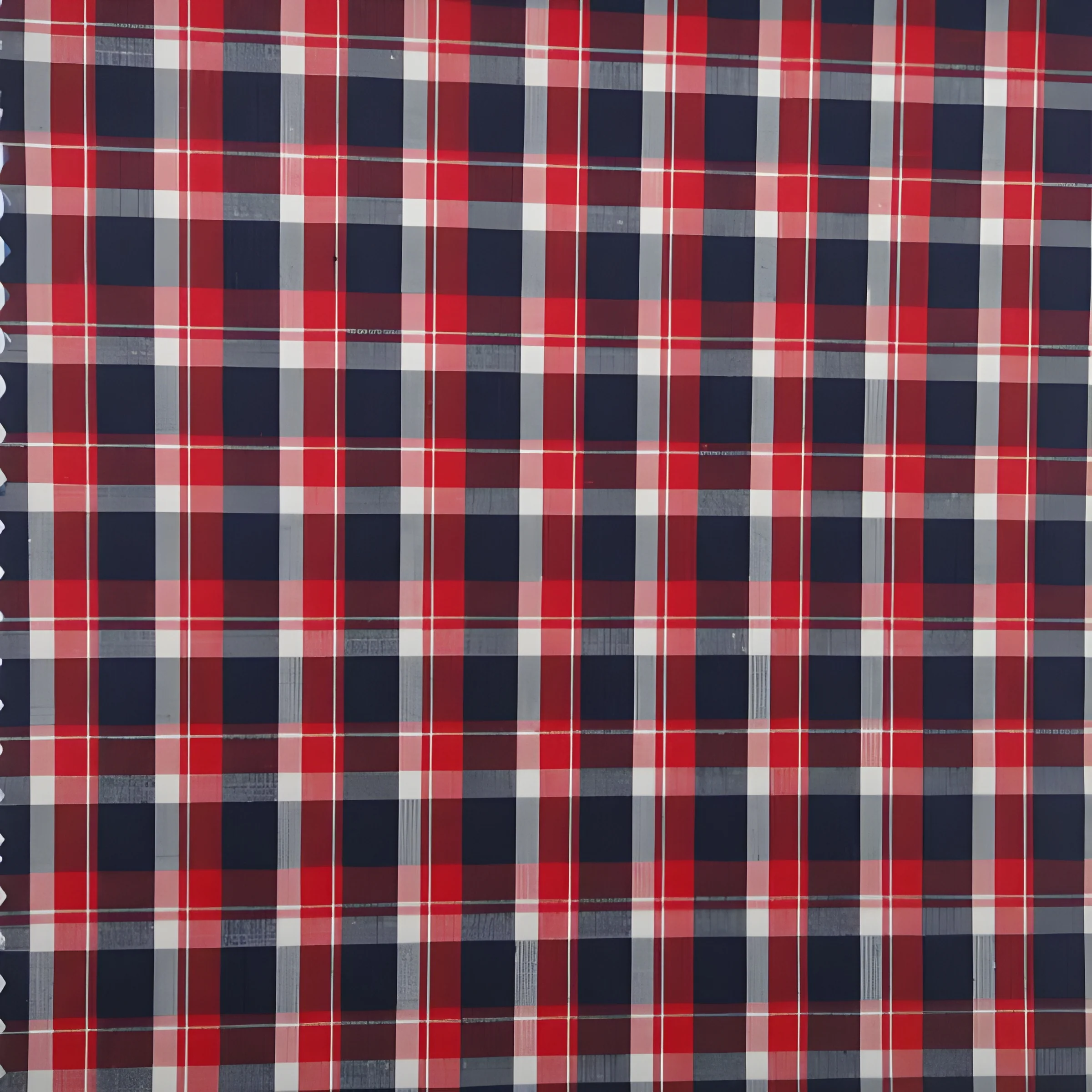
- Common weave types include plain, twill, and satin, each offering unique characteristics.
3. Fiber Content
- Refers to the purity of the cotton used in the fabric.
- Options include 100% cotton, cotton blends, and organic cotton varieties.
4. Colorfastness
- Indicates how well the fabric retains its color after washing and exposure to light.
- Common ratings range from A (excellent) to D (poor).
5. Shrinkage Rate
- This specification measures the amount a fabric may shrink after washing.
- Typical shrinkage rates for cotton fabrics can range from 3% to 5%.
6. Finish Treatments
- Various treatments can enhance fabric properties, such as water resistance or flame retardancy.
- Treatments include mercerizing, sanforizing, and anti-wrinkle finishes.
7. Certifications
- Important for ensuring quality and safety standards.
- Common certifications include CE for safety compliance.
In summary, understanding these key features and specifications will help buyers select the right cotton fabrics that meet their business needs effectively.
Common Applications and Use Cases
Cotton fabrics serve a wide range of industries, each with specific applications that leverage the unique properties of cotton.
1. Fashion Industry: Cotton is a staple material in clothing manufacturing. It is used for everything from casual wear to high-end fashion due to its comfort and breathability.
2. Home Textiles: In this sector, cotton fabrics are commonly used for bed linens, curtains, and upholstery, providing both functionality and aesthetic value.
3. Healthcare: Cotton is utilized in medical scrubs, hospital linens, and bandages, favored for its hypoallergenic properties and ease of cleaning.
4. Automotive Industry: Cotton fabrics are employed in seat covers and interior linings, offering durability and comfort for vehicle occupants.
5. Agriculture: Cotton is also used in produce bags and protective covers for crops, helping to maintain product quality during transportation.
6. Crafting and Quilting: Many artisans use cotton fabrics for sewing and quilting projects because of their versatility and ease of handling.
7. Hospitality: Hotels and restaurants often use cotton table linens and uniforms, as they provide a professional appearance and are easy to maintain.
Product Variants and Subcategories
Cotton fabric traders offer a diverse range of products to cater to different markets and applications. This diversity allows businesses to find specific materials that suit their needs.
Cotton Canvas
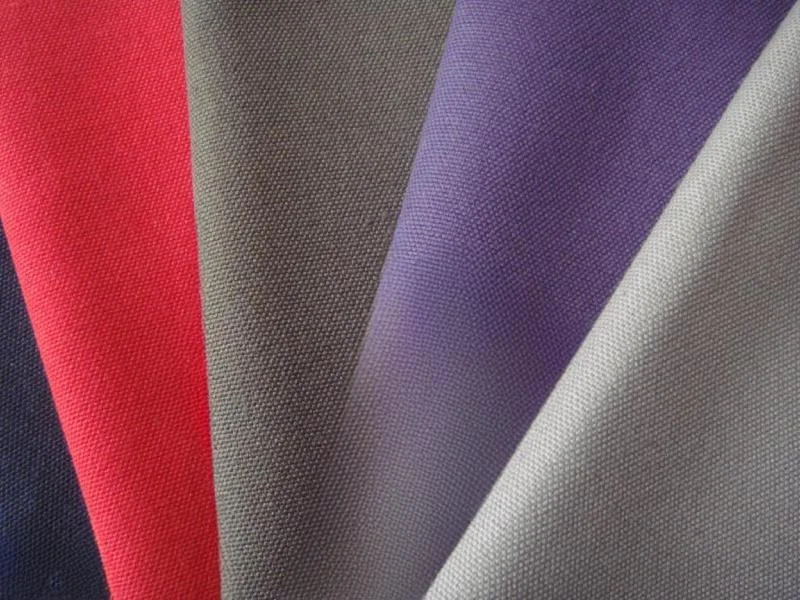
Cotton canvas is a durable fabric often used for bags, tents, and outdoor gear. Its robust nature makes it suitable for heavy-duty applications while retaining a stylish appearance.
Cotton Sateen
Cotton sateen is known for its smooth finish and sheen. It is commonly used in bed linens and upscale garments, providing a luxurious look and feel.
Cotton Poplin
Cotton poplin features a crisp texture and lightweight quality, making it ideal for dress shirts and summer clothing. Its breathability enhances comfort in warm weather.
Benefits and Advantages
Sourcing cotton fabrics from reliable traders offers numerous benefits that can enhance business operations.
1. High Quality: Cotton traders often provide high-quality materials that meet industry standards, ensuring durability and customer satisfaction.
2. Variety of Options: With a wide selection of fabrics available, businesses can find the right materials for specific applications, enhancing their product offerings.
3. Sustainability: Many cotton traders focus on organic and sustainable practices, aligning with the growing trend towards environmentally friendly products.
4. Cost-Effective Solutions: Competitive pricing among traders allows businesses to source quality fabrics without compromising their budget.
5. Reliable Supply Chain: Established cotton fabric traders often have a robust supply chain, ensuring timely delivery and consistent product availability.
6. Expert Support: Many traders offer industry expertise and advice, helping businesses select the right fabrics for their needs.
Buying Guide for B2B Buyers
When sourcing cotton fabric traders, it is essential to consider several critical factors to ensure a successful partnership.
1. Quality Assessment: Evaluate the quality of fabrics by requesting samples and reviewing specifications. Look for certifications that confirm adherence to standards.
2. Supplier Verification: Research potential suppliers to ensure they have a good reputation and reliable history in the industry. Check references and customer reviews.
3. Pricing and MOQ: Understand the pricing structure and minimum order quantities (MOQ) to ensure they align with your budget and business needs.
4. Delivery and Lead Times: Discuss logistics and expected lead times to ensure that the supplier can meet your production schedules.
5. Compliance Requirements: Be aware of any regulatory requirements that apply to the fabrics you intend to purchase, ensuring that suppliers comply with necessary standards.
Compliance and Certifications
Compliance with industry standards and certifications is crucial for cotton fabric traders. Key quality standards include ISO 9001, which outlines requirements for a quality management system, ensuring consistent quality and customer satisfaction.
CE certification is also relevant, particularly for products intended for the European market. This certification indicates that the fabric meets safety and health standards set by the European Union.
Safety and testing requirements are vital for fabrics used in sensitive applications such as healthcare. Traders must ensure that their products undergo rigorous testing to comply with safety regulations.
Additionally, regional compliance considerations may vary based on local laws and market demands. Traders must stay informed about these regulations to remain competitive and compliant in their respective markets.
Why Source Cotton Fabric Traders from Pepagora?
Pepagora provides a trusted platform for sourcing cotton fabric traders, offering several key advantages to B2B buyers.
Verified Supplier Network: Pepagora has a comprehensive network of verified suppliers, ensuring that buyers can find reliable partners with a proven track record in the cotton fabric industry.
Streamlined RFQ Process: The request for quotation (RFQ) process is simplified on Pepagora, allowing buyers to easily compare options and select the best suppliers based on their needs.
Trade Assurance and Support: Pepagora offers buyer protection through its trade assurance program, ensuring that transactions are secure and that buyers receive the products they expect.
Regional Coverage: With a focus on markets in India, the GCC, and Southeast Asia, Pepagora provides broad geographic reach, allowing businesses to tap into diverse markets and expand their sourcing capabilities.
By leveraging the advantages of Pepagora, businesses can effectively navigate the complexities of sourcing cotton fabric traders and enhance their supply chain efficiency.

 IN
IN