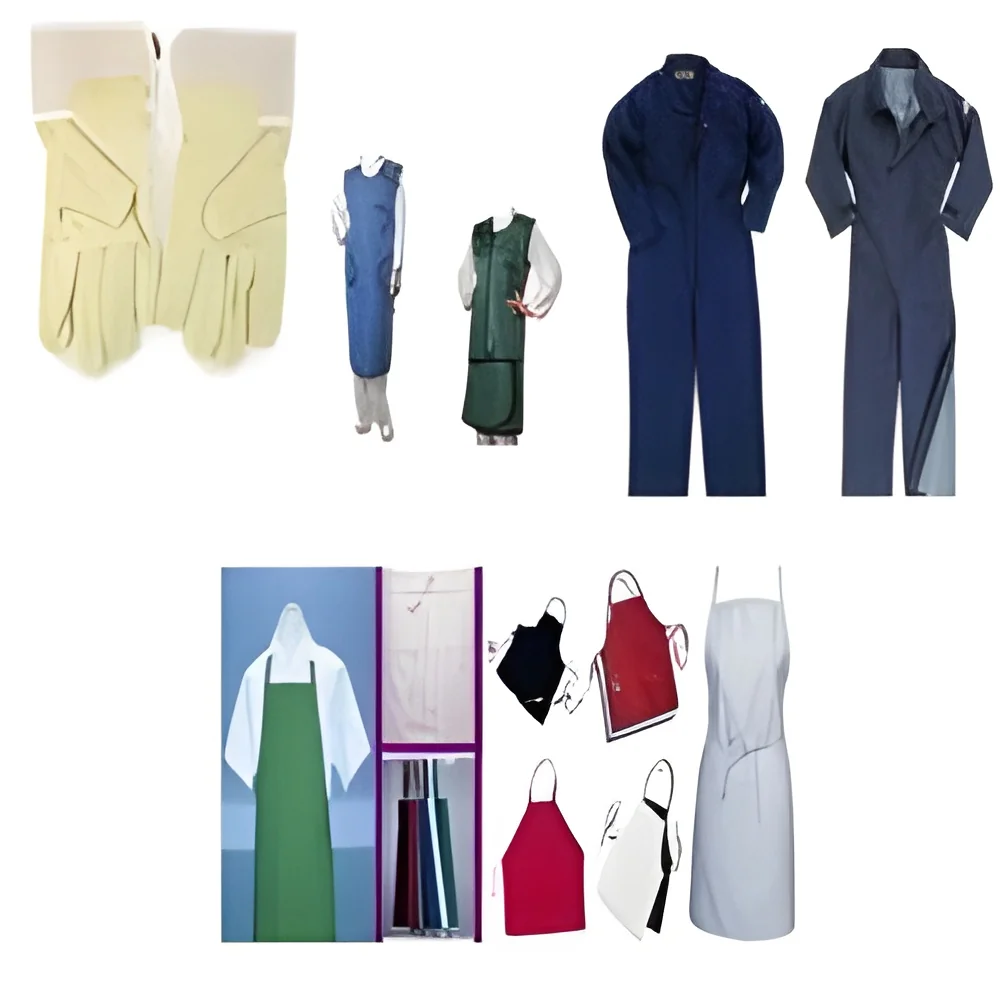
What are Fire Retardant Fabric Traders?
Fire retardant fabric traders are specialized suppliers that offer materials designed to resist ignition and slow the spread of fire. These fabrics are treated with chemical agents that enhance their fire-resistant properties, making them essential in various industries where safety is paramount. Fire retardant fabrics are utilized in applications ranging from protective clothing to industrial curtains and upholstery, ensuring that they meet stringent safety standards.
The primary uses of fire retardant fabrics extend across multiple sectors, including construction, manufacturing, and transportation. In construction, for example, these materials are crucial for protective clothing worn by workers in high-risk environments. In the manufacturing sector, they find their place in protective equipment and fabric structures that may be exposed to flames. The relevance of fire retardant fabrics is underscored by the increasing awareness of fire safety regulations and the demand for compliant materials in various markets.
As industries continue to evolve, the demand for fire retardant fabrics has grown significantly. Traders in this niche market are tasked with providing high-quality materials that not only comply with safety standards but also cater to specific customer needs. The integration of advanced technologies and materials science plays a vital role in enhancing the performance of these fabrics, making fire retardant fabric traders a critical component in the safety supply chain.
Key Features and Specifications
Fire retardant fabrics possess a range of features that make them suitable for various applications. These features ensure compliance with safety standards and enhance their usability in demanding environments.
Key specifications include:
1. Fire Resistance Rating
- Indicates the level of fire resistance the fabric provides.
- Common ratings include NFPA 701, ASTM E84, and others.
2. Durability
- Refers to the fabric's ability to withstand wear and tear.
- Measured in terms of tensile strength and abrasion resistance.
3. Breathability
- Describes the fabric's capacity to allow moisture and air to pass through.
- Important for comfort in protective clothing applications.
4. Weight
- Indicates the fabric's density and thickness.
- Common weights range from lightweight options for comfort to heavier options for enhanced protection.
5. Color Fastness
- Measures the fabric's resistance to fading and discoloration when exposed to light and washing.
- Essential for maintaining aesthetic appeal in end products.
6. Compliance Standards
- Refers to certifications such as CE marking, ensuring the fabric meets specific safety regulations.
- Verification of compliance with industry standards is critical.
7. Customization Options
- Availability of various colors, patterns, and finishes to meet specific customer needs.
- Customization enhances the versatility of applications.
8. Environmental Resistance
- Indicates the fabric's ability to withstand environmental factors like moisture and UV exposure.
- Vital for outdoor applications and long-term use.
In summary, fire retardant fabrics are characterized by their fire resistance, durability, and compliance with industry standards. These features make them indispensable in various applications where safety is a priority.
Common Applications and Use Cases
Fire retardant fabrics serve a wide array of industries, each with specific applications tailored to their unique needs.
1. Construction: Fire retardant fabrics are used in protective clothing for construction workers, ensuring safety on job sites where fire hazards are present.
2. Manufacturing: In manufacturing, these fabrics are employed in protective barriers and equipment covers, providing safety against potential fire outbreaks.
3. Transportation: The transportation sector utilizes fire retardant materials in vehicle upholstery and public transport applications to enhance passenger safety.
4. Hospitality: Hotels and restaurants use fire retardant fabrics in furnishings and drapery to comply with safety regulations and protect guests.
5. Aerospace: In the aerospace industry, fire retardant fabrics are critical for passenger cabin materials and aircraft interiors, ensuring compliance with strict safety standards.
6. Oil and Gas: Workers in the oil and gas sector rely on fire retardant clothing to protect against the high-risk environments they operate in.
7. Event Management: Temporary structures such as tents and stages for events often use fire retardant fabrics to enhance safety for attendees.
In conclusion, the versatility of fire retardant fabrics allows them to be effectively utilized across a wide range of industries, each benefiting from their unique safety features.
Product Variants and Subcategories
Fire retardant fabrics come in a variety of forms tailored to specific applications and industry requirements. This diversity ensures that different needs are met with precision.
Fire Retardant Woven Fabrics
These fabrics are typically used for outdoor applications and are known for their durability and resistance to fading. They are ideal for tents and outdoor event structures.
Fire Retardant Non-Woven Fabrics
Often used in disposable protective clothing, these fabrics provide an economical solution for one-time use in environments where fire hazards are present.
Fire Retardant Upholstery Fabrics
Designed for use in furniture and drapery, these fabrics combine aesthetics with safety, ensuring compliance with fire safety regulations in hospitality and residential applications.
Fire Retardant Coated Fabrics
These fabrics feature a chemical coating that enhances their fire-resistant properties. They are commonly used in industrial settings for protective gear and equipment covers.
Fire Retardant Specialty Fabrics
These include materials designed for specific applications, such as high-temperature resistance for industries like aerospace and automotive.
In summary, the various product variants of fire retardant fabrics allow for specialized applications, ensuring that industries can find the right material for their needs.
Benefits and Advantages
Fire retardant fabrics offer numerous benefits that enhance safety and performance across applications.
Key benefits include:
1. Enhanced Safety: Fire retardant fabrics significantly reduce the risk of ignition and slow down the spread of flames, protecting lives and property.
2. Regulatory Compliance: These fabrics meet strict safety standards, ensuring that businesses comply with necessary regulations and avoid liabilities.
3. Versatility: Fire retardant fabrics can be customized for various applications, making them suitable for multiple industries.
4. Durability: Many fire retardant fabrics are designed to withstand harsh conditions, offering longevity and cost-effectiveness over time.
5. Comfort: Advances in fabric technology allow for breathable options that enhance comfort for users, particularly in protective clothing.
6. Aesthetic Appeal: Fire retardant upholstery fabrics can be designed in various colors and patterns, maintaining visual appeal while providing safety.
In conclusion, the benefits of fire retardant fabrics extend beyond safety, offering versatility, compliance, and durability that are vital for modern industries.
Buying Guide for B2B Buyers
When sourcing fire retardant fabric traders, it is essential for B2B buyers to consider several factors to make informed decisions.
1. Quality Assessment: It is crucial to evaluate the quality of fire retardant fabrics. Look for certifications and compliance with industry standards to ensure safety and performance.
2. Supplier Verification: Vetting suppliers is necessary to ensure they have a reliable track record. Check for reviews and testimonials from previous clients to gauge their reputation.
3. Pricing and MOQ: Understand the pricing structure and the minimum order quantities (MOQ) required by suppliers. Compare prices among different traders to find the best value.
4. Delivery and Lead Times: Consider logistics and delivery timelines. Ensure that suppliers can meet your deadlines to avoid disruptions in your operations.
5. Compliance Requirements: Familiarize yourself with regulatory standards relevant to your industry. Ensure that the fabrics sourced meet these compliance requirements to avoid legal issues.
In summary, a thorough evaluation of quality, supplier reliability, pricing, delivery, and compliance will help B2B buyers make informed decisions when sourcing fire retardant fabrics.
Compliance and Certifications
Compliance and certifications are critical aspects of fire retardant fabrics, ensuring they meet necessary safety standards. Relevant quality standards such as ISO 9001 provide a framework for quality management systems, emphasizing continuous improvement and customer satisfaction.
Industry certifications like CE mark indicate that fire retardant fabrics have undergone rigorous testing and meet European safety standards. This certification reassures buyers about the safety and reliability of the materials they purchase.
Safety and testing requirements for fire retardant fabrics involve a range of assessments to evaluate their performance under fire conditions. This includes tests for flammability, heat resistance, and overall durability.
Regional compliance considerations must also be taken into account. Different regions may have unique regulations governing fire safety standards. It is essential for manufacturers and traders to stay informed about these regulations to ensure their products remain compliant across various markets.
In conclusion, compliance with quality standards and certifications is vital for fire retardant fabrics to ensure safety, reliability, and market acceptance.
Why Source Fire Retardant Fabric Traders from Pepagora?
Pepagora provides a trusted platform for sourcing fire retardant fabric traders, offering several key advantages to B2B buyers.
Verified Supplier Network: Pepagora has established a comprehensive network of verified suppliers, ensuring that buyers can connect with reputable traders. This network helps mitigate risks associated with sourcing materials.
Streamlined RFQ Process: The platform facilitates a streamlined Request for Quotation (RFQ) process, making it easier for buyers to request quotes from multiple suppliers. This efficiency allows for quicker decision-making and procurement.
Trade Assurance and Support: Pepagora offers trade assurance and support, providing buyers with protection throughout the sourcing process. This includes assistance with negotiations and dispute resolution, enhancing buyer confidence.
Regional Coverage: With a strong presence in regions like India, the Gulf Cooperation Council (GCC), and Southeast Asia, Pepagora enables buyers to access a wide range of fire retardant fabric options tailored to regional needs. This geographic reach enhances sourcing opportunities and competitiveness.
In conclusion, Pepagora serves as a reliable platform for sourcing fire retardant fabric traders, ensuring a smooth and efficient procurement experience for B2B buyers.

 IN
IN