IN
IN₹
Apparel & Fashion
Description
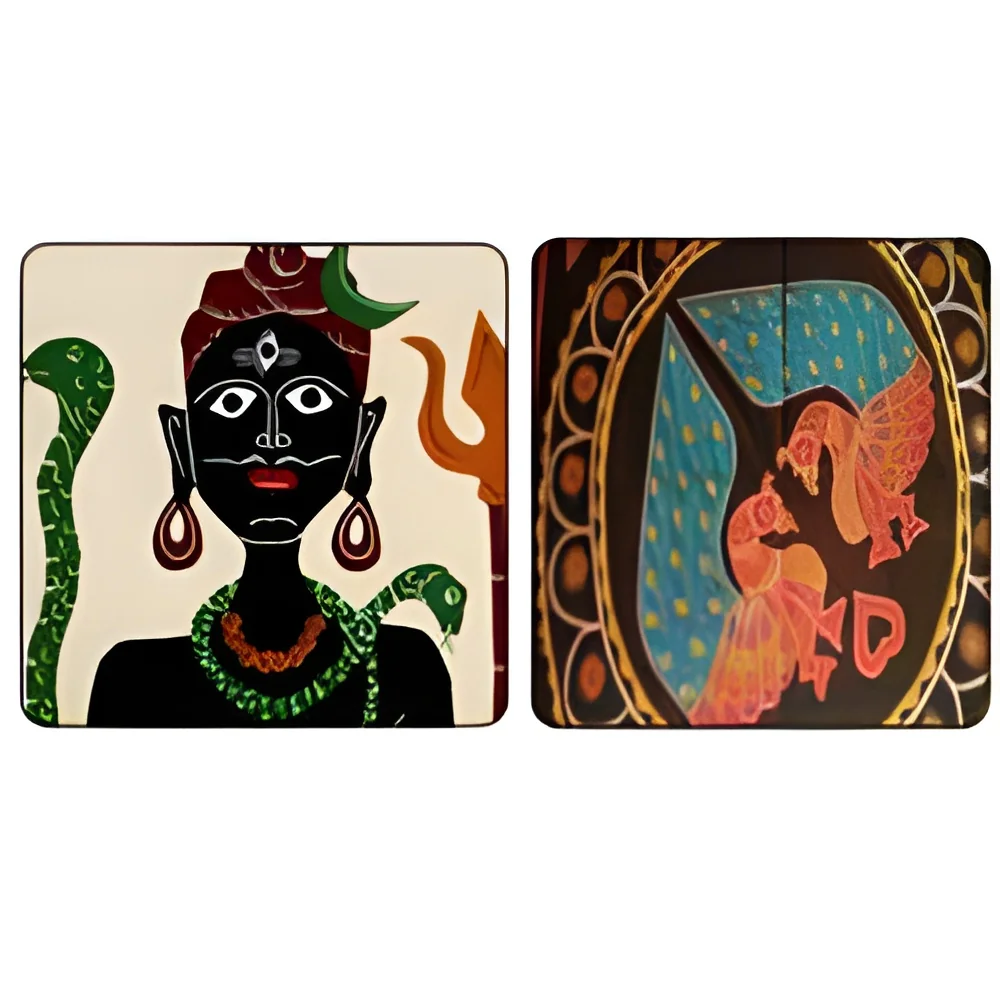
Premium Pipli applique work originates from the traditional craft village of Pipli in Odisha, India, where artisans have perfected this textile art form over generations. The process involves carefully cutting colorful fabrics into intricate shapes and stitching them onto a base material using precise hand techniques. Each piece showcases vibrant motifs inspired by Indian culture, nature, and mythology, with no two creations being exactly identical. The craftsmanship results in durable, visually striking textiles that maintain their color and structure through years of use. This authentic handwork represents both cultural heritage and practical artistry, offering businesses access to genuine traditional craftsmanship with consistent quality standards.

Multiple industries utilize Pipli applique work for its unique aesthetic qualities and cultural significance. Interior designers and home decor specialists incorporate these textiles into wall hangings, room dividers, and soft furnishing...
Premium Pipli applique work originates from the traditional craft village of Pipli in Odisha, India, where artisans have perfected this textile art form over generations. The process involves carefully cutting colorful fabrics into intricate shapes and stitching them onto a base material using precise hand techniques. Each piece showcases vibrant motifs inspired by Indian culture, nature, and mythology, with no two creations being exactly identical. The craftsmanship results in durable, visually striking textiles that maintain their color and structure through years of use. This authentic handwork represents both cultural heritage and practical artistry, offering businesses access to genuine traditional craftsmanship with consistent quality standards.

Multiple industries utilize Pipli applique work for its unique aesthetic qualities and cultural significance. Interior designers and home decor specialists incorporate these textiles into wall hangings, room dividers, and soft furnishings for hotels, restaurants, and premium residences. Fashion designers and accessory makers use the applique for embellishing garments, handbags, and footwear in boutique collections. The hospitality sector employs these crafts for creating cultural ambiance in resorts and heritage properties. Event planners source Pipli decorations for weddings, festivals, and cultural exhibitions. Retailers value these products for their story-driven appeal in markets seeking authentic ethnic craftsmanship.

For commercial buyers, Pipli applique work delivers substantial value through its combination of authenticity, durability, and visual impact. The handcrafted nature ensures each product carries unique character while maintaining reliable quality standards suitable for bulk orders. The vibrant colors and intricate patterns create immediate visual appeal that attracts discerning customers seeking cultural authenticity. The durable construction using quality fabrics and reinforced stitching ensures products withstand regular handling and use. Direct sourcing from traditional artisans supports ethical production practices while preserving cultural heritage. The flexibility in design adaptation allows businesses to develop distinctive product lines that stand out in competitive markets.

Key Features:
- Handcrafted using traditional Pipli applique techniques from Odisha artisans
- Vibrant colorfast fabrics that maintain brilliance over time
- Intricate cultural motifs inspired by Indian heritage and natural elements
- Durable stitching and reinforced construction for long-lasting use
- Consistent quality standards suitable for commercial applications

Benefits:
- Authentic traditional craftsmanship that appeals to culturally conscious markets
- Visual impact and aesthetic appeal that enhances product value
- Durability and color retention ensuring customer satisfaction
- Unique handcrafted character differentiating from mass-produced alternatives
- Cultural storytelling potential that adds depth to product marketing
Specifications
| Additional Information | |
|---|---|
| Country of Origin | India |
Application
Pipli applique work from Odisha represents a centuries-old Indian textile tradition where skilled artisans meticulously stitch vibrant fabric cutouts onto a base cloth. This creates intricate, durable designs featuring floral, animal, and cultural motifs that maintain their color and structure over time. The handcrafted nature ensures each piece carries unique artistic value while maintaining consistent quality standards suitable for commercial applications.
This traditional craft demonstrates remarkable versatility across modern markets. Its aesthetic appeal and cultural authenticity make it suitable for both decorative and functional applications in various sectors. The durability of the stitching and colorfast fabrics ensures products withstand regular use while maintaining their visual impact. Businesses appreciate how these traditional techniques can be adapted to contemporary design sensibilities without losing their essential character.
- Wall decor and room dividers for hotels, resorts, and premium residential interiors
- Fashion accessories including handbags, footwear, and garment embellishments for boutique collections
- Home furnishings such as cushion covers, table runners, and bedspreads for interior design projects
- Cultural and festival decorations for events, exhibitions, and religious celebrations
- Specialty packaging and presentation materials for luxury products and cultural merchandise
Trade Details
| Available Stock | In Stock |
| Sample Availability | No |
Payment Terms
| Payment Terms |
|
Company Profile
Balaji Photo Frames, New Delhi
 New Delhi, India
New Delhi, IndiaManufacturer•Distributor / Wholesaler•Retailer
Factory Details
Factory SizeBelow 1000 sqm
Annual Production Capacity0
Premium Pipli Applique Work Odisha Handcrafted Traditional Indian Textile Art
Premium Pipli applique work from Odisha offers authentic handcrafted traditional Indian textile art for decor, fashion, and cultural projects. This reliable, high-quality craft features vibrant designs and durable construction, ideal for bulk orders from importers and distributors.
Min. Order Quantity: 1 unit
Shipping
Shipping fee and delivery date to be negotiated. Contact supplier now for more details.
Balaji Photo Frames
 New Delhi, India
New Delhi, IndiaManufacturer