𝗪𝗵𝗮𝘁 𝗮𝗿𝗲 𝗙𝗮𝗯𝗿𝗶𝗰 𝗣𝗿𝗶𝗻𝘁𝗶𝗻𝗴 & 𝗗𝘆𝗲𝗶𝗻𝗴 𝗨𝗻𝗶𝘁𝘀?
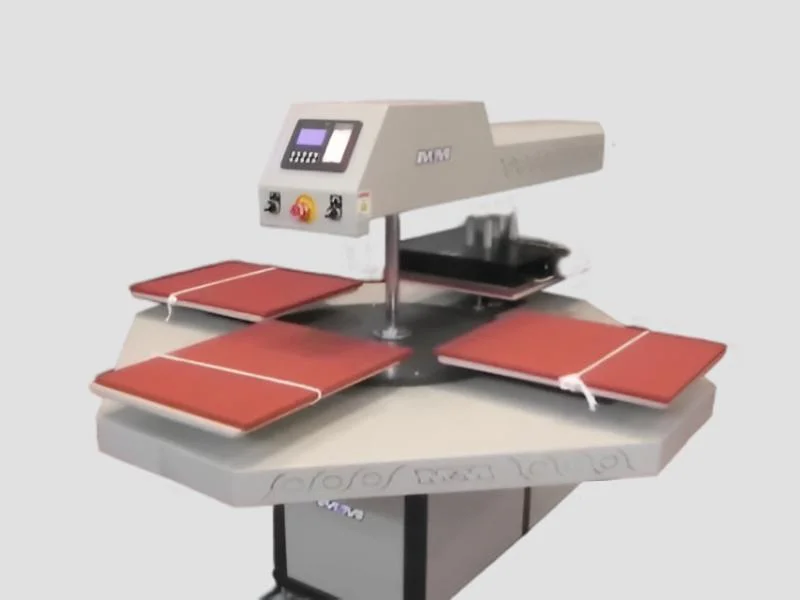
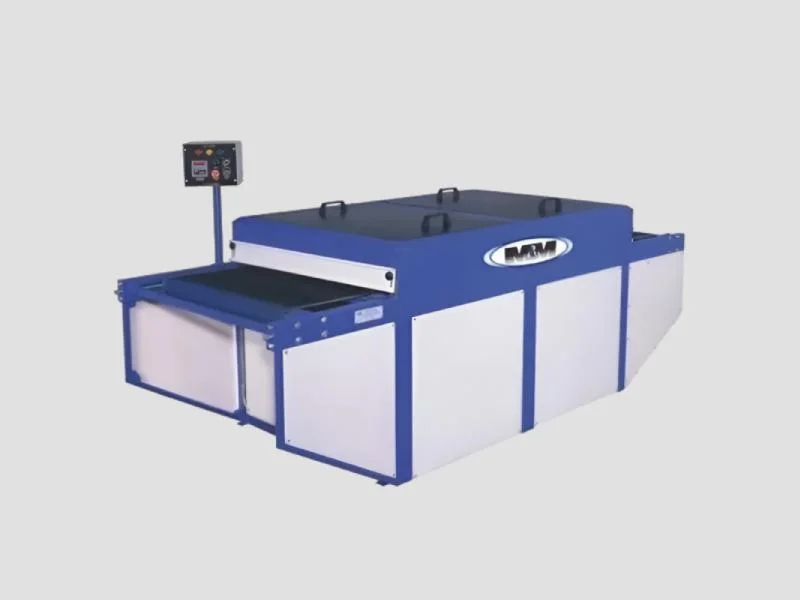
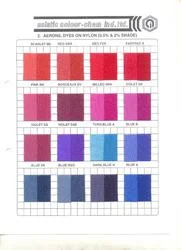
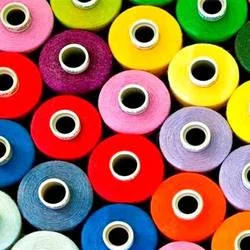
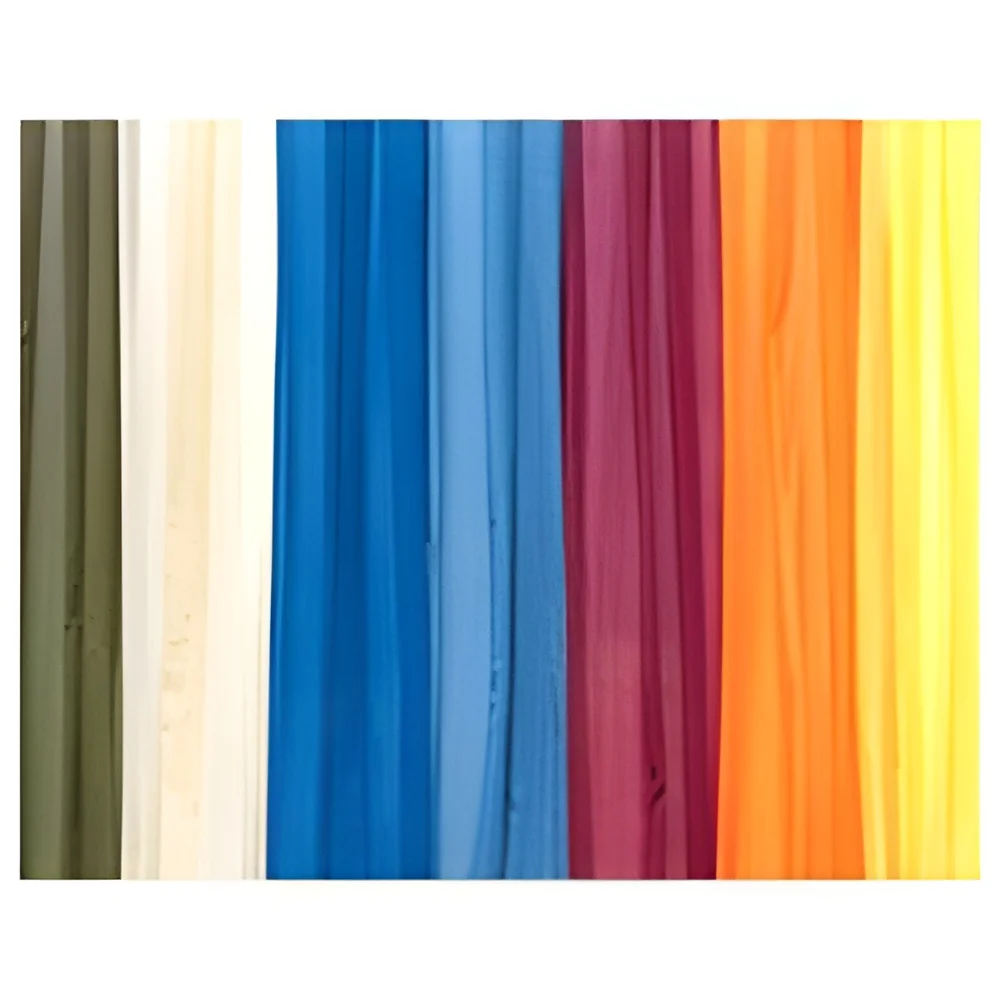
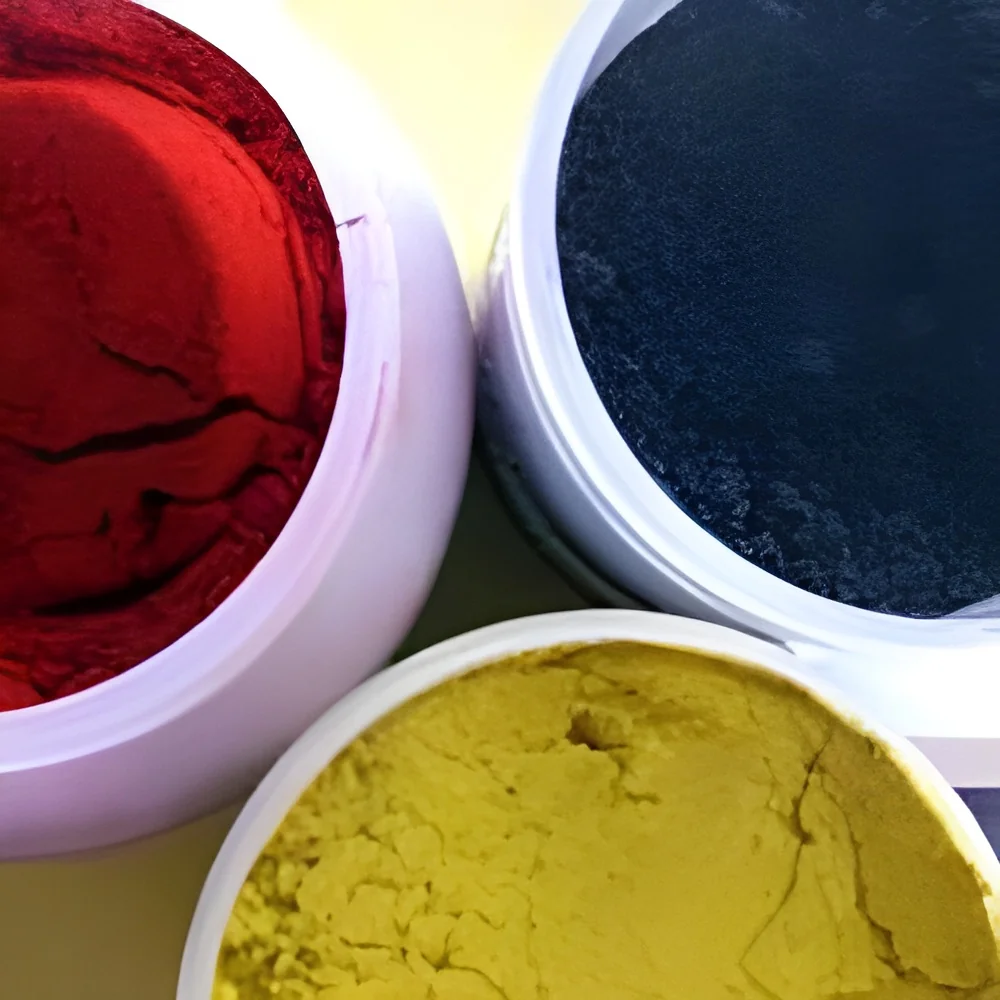
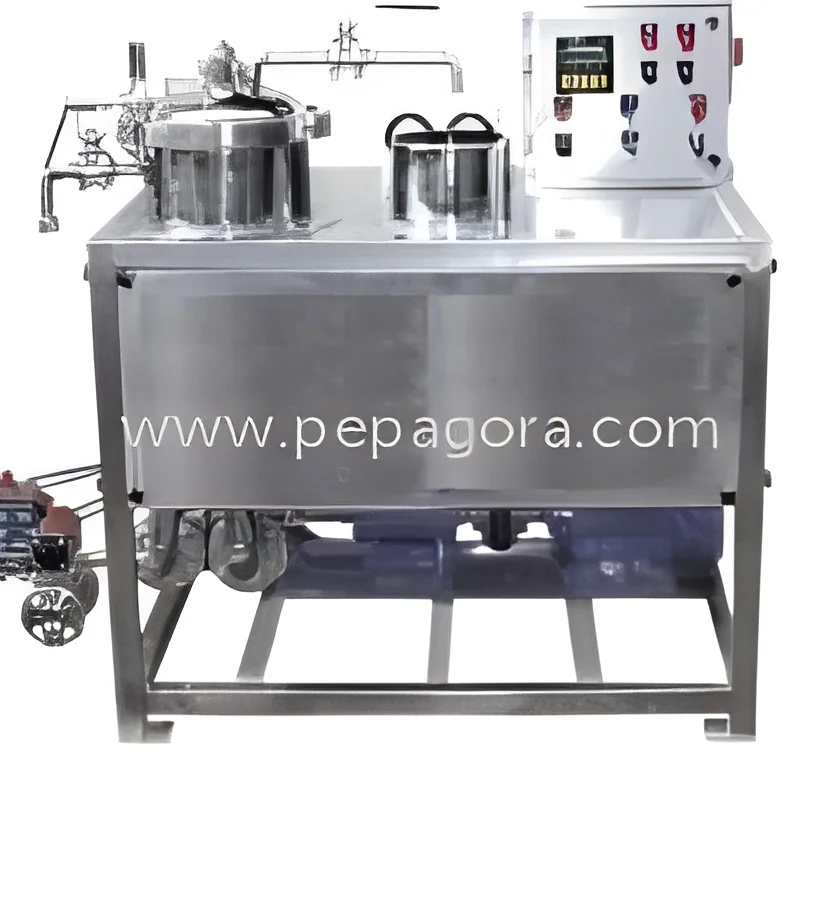
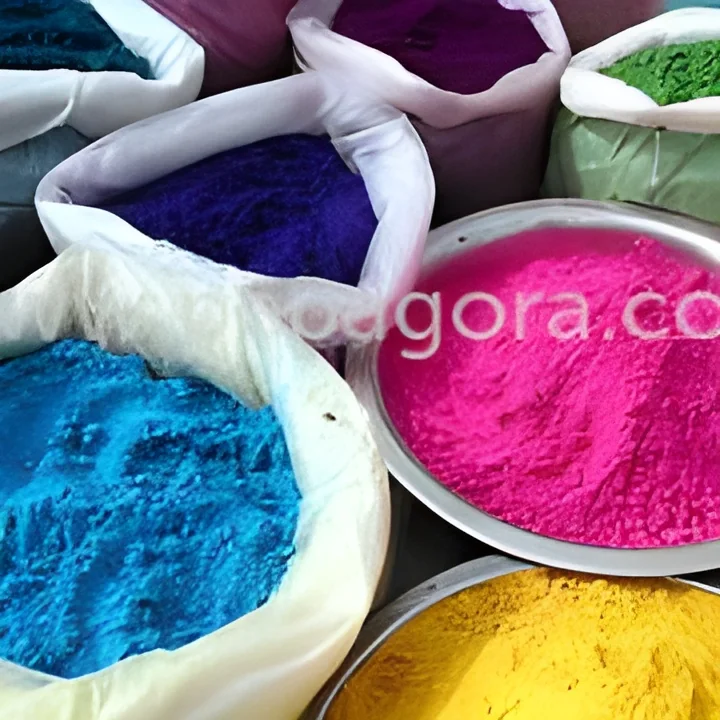
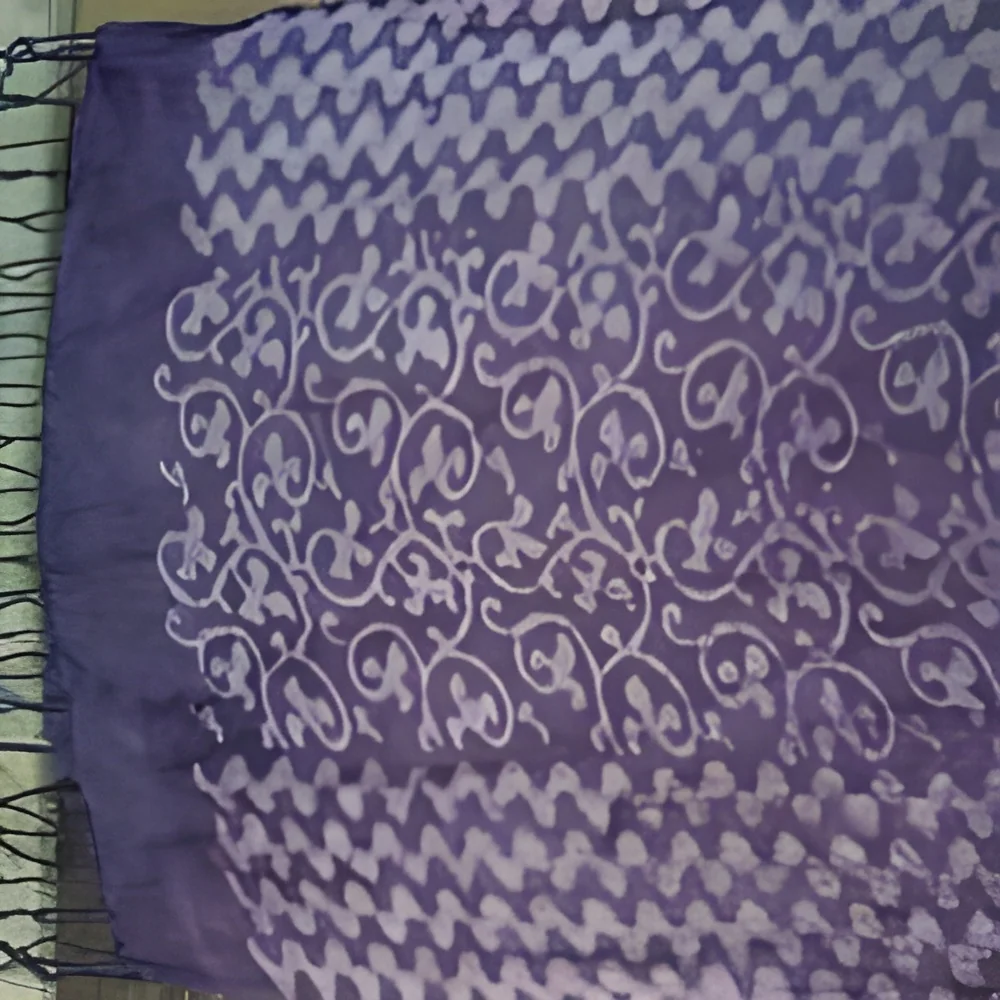
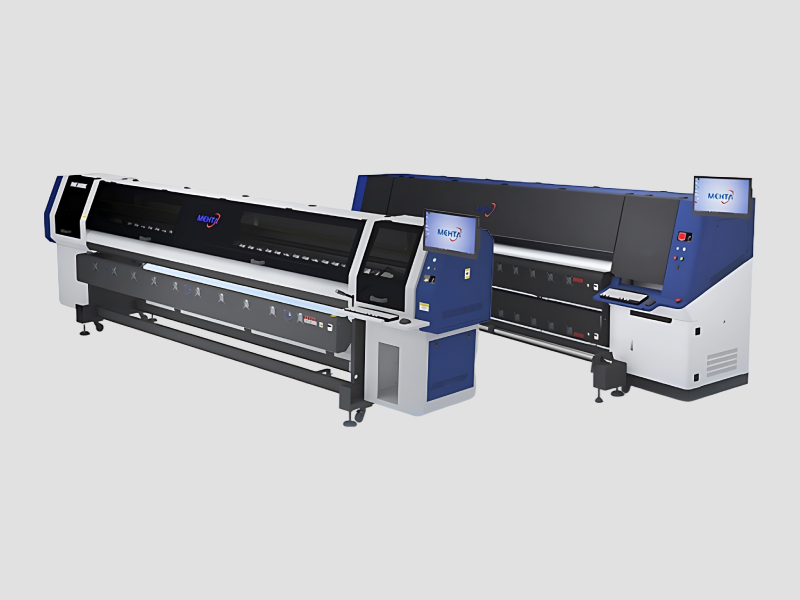
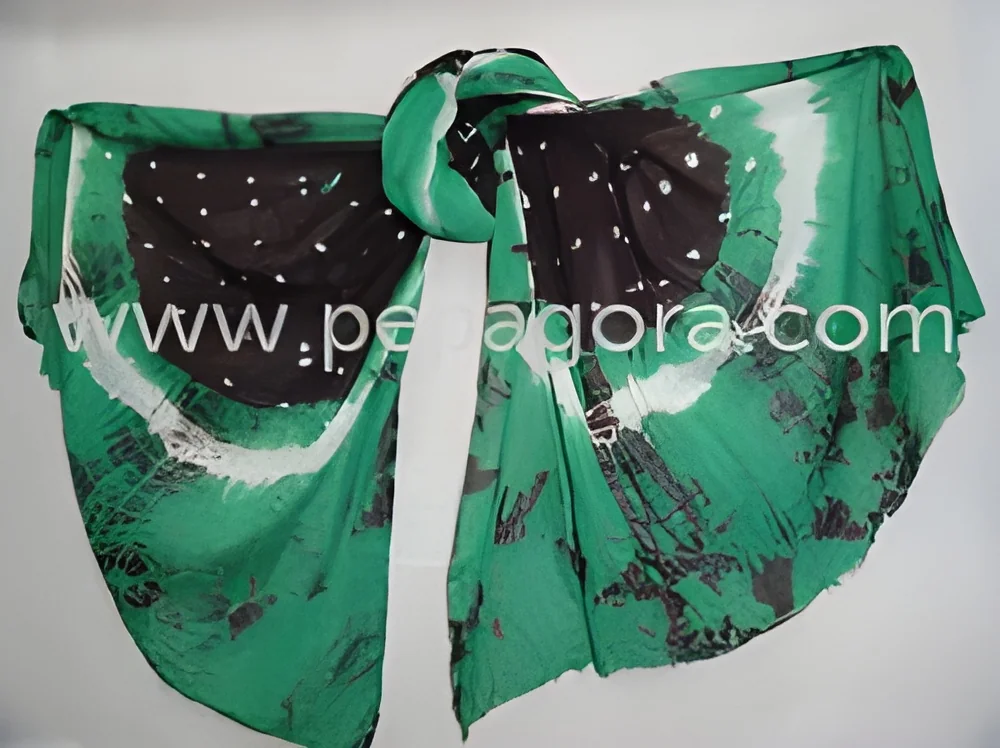
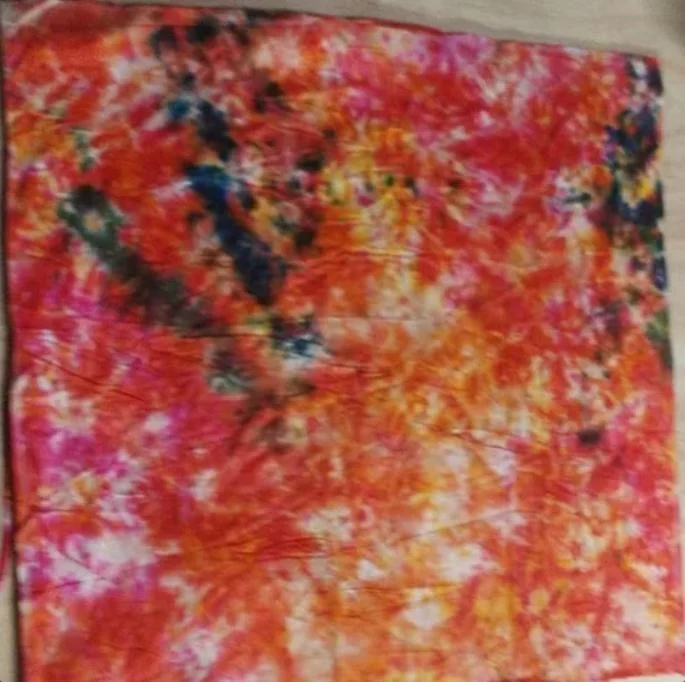
Fabric Printing and Dyeing Units are specialized manufacturing setups designed for applying colors and patterns to textiles. These units utilize various techniques to ensure that fabrics are dyed uniformly and printed with intricate designs. They are essential for the textile industry, serving as the backbone for creating finished products such as clothing, upholstery, and home textiles.
These units are primarily used in the garment and textile manufacturing sectors. Businesses leverage these units to produce colorful fabrics that meet specific customer demands. Additionally, they play a vital role in enhancing the aesthetic appeal of textiles, enabling brands to differentiate themselves in a competitive market. The relevance of these units has increased with the growing demand for customized fabrics and sustainable printing technologies.
In the current market context, the fabric printing and dyeing industry is experiencing significant growth driven by fashion trends and technological advancements. Companies are increasingly investing in modern units that offer efficient production processes and eco-friendly practices. This shift is reshaping the landscape of textile manufacturing and leading to innovations that cater to both mass production and niche markets.
𝗞𝗲𝘆 𝗙𝗲𝗮𝘁𝘂𝗿𝗲𝘀 𝗮𝗻𝗱 𝗦𝗽𝗲𝗰𝗶𝗳𝗶𝗰𝗮𝘁𝗶𝗼𝗻𝘀
Fabric Printing and Dyeing Units come with various features that enhance performance and efficiency. These specifications are essential for businesses to understand their capabilities and suitability for specific applications.
Key specifications include:
1. Printing Technology
- Options may include digital, screen, and rotary printing.
- Capabilities for high-resolution designs and vibrant color reproduction.
2. Dyeing Methods
- Techniques such as reactive, disperse, and pigment dyeing.
- Suitable for various fabric types including cotton, polyester, and blends.
3. Production Capacity
- Varies from small batch to large-scale operations.
- Measured in meters of fabric processed per hour.
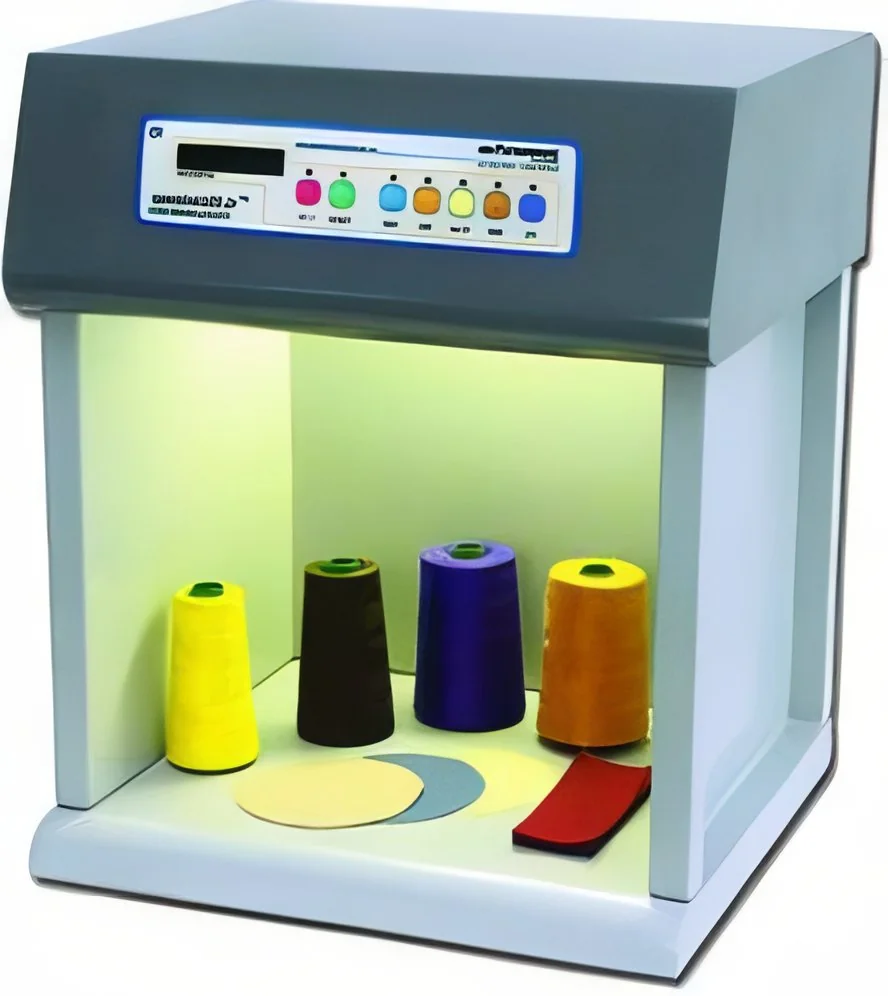
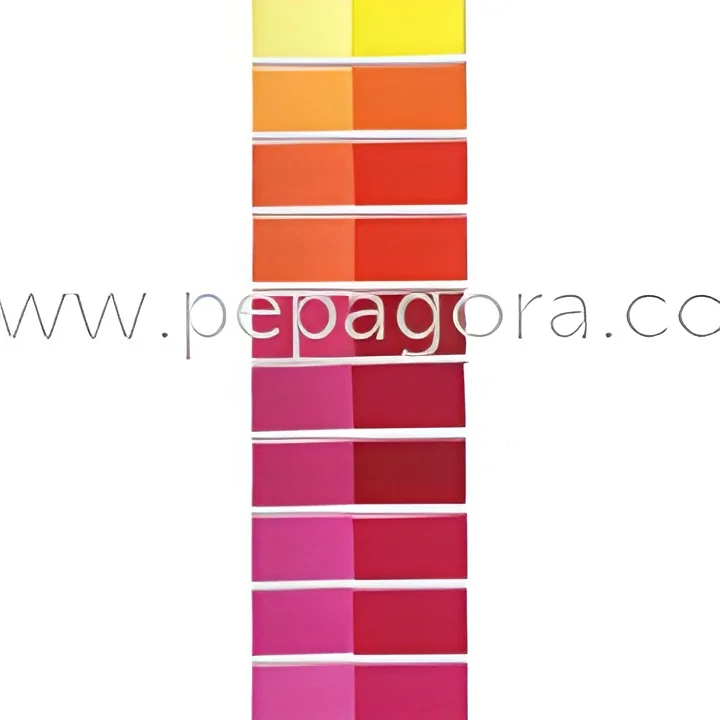
4. Color Matching Systems
- Advanced tools for ensuring color consistency across batches.
- Integration with software for precise color formulation.
5. Automation Features
- Systems for automated dyeing and printing processes.
- Reduces manual labor and increases throughput.
6. Environmental Compliance
- Units designed to meet eco-friendly standards.
- Features for reducing water and chemical usage.
7. Temperature and Humidity Control
- Systems to maintain optimal conditions for dyeing and printing.
- Ensures quality and consistency in the final product.
8. Maintenance and Support
- Availability of technical support and maintenance services.
- User-friendly interfaces for easy operation and troubleshooting.
These specifications help businesses choose the right units that align with their production needs and quality standards.
𝗖𝗼𝗺𝗺𝗼𝗻 𝗔𝗽𝗽𝗹𝗶𝗰𝗮𝘁𝗶𝗼𝗻𝘀 𝗮𝗻𝗱 𝗨𝘀𝗲 𝗖𝗮𝘀𝗲𝘀
Fabric Printing and Dyeing Units serve various industries, each requiring specific applications.
1. Fashion Industry: These units are used to produce vibrant textiles for clothing lines, allowing designers to create unique collections that appeal to consumers.
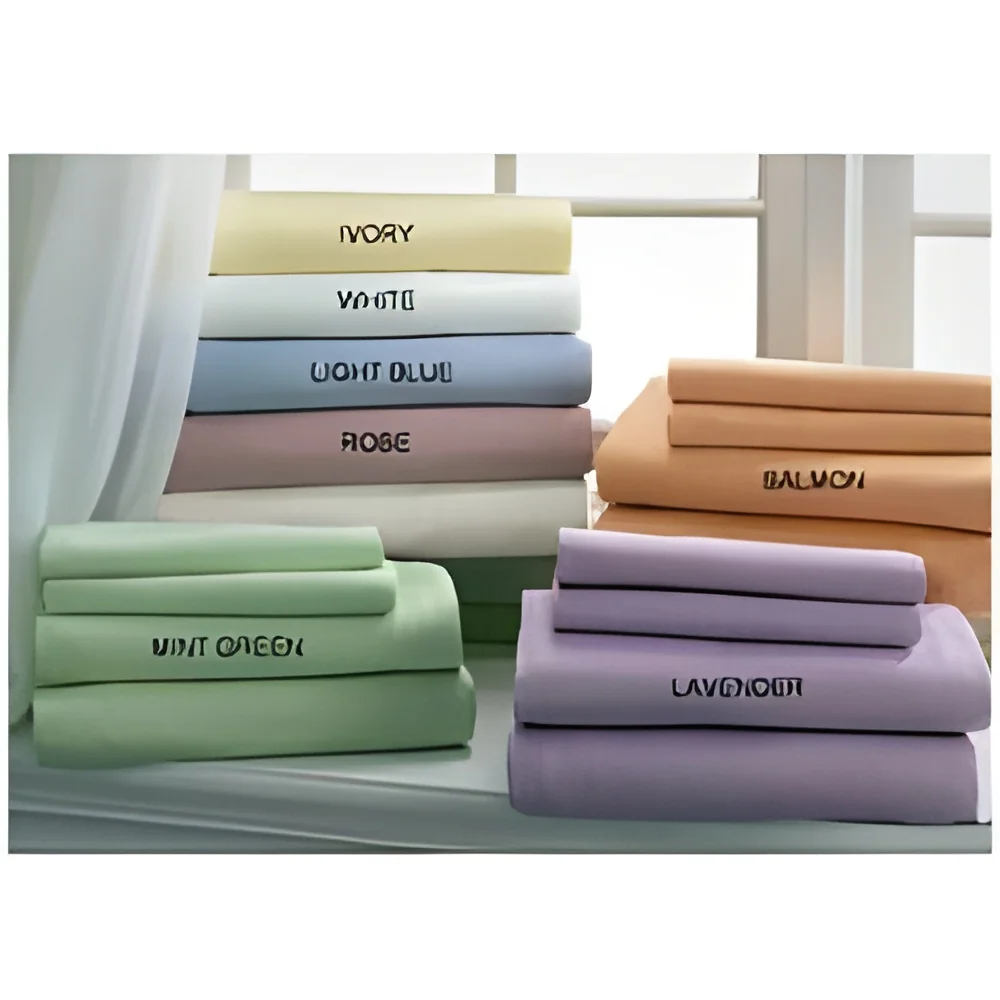
2. Home Textiles: Manufacturers use these units to print and dye fabrics for curtains, upholstery, and bedding, enhancing interior décor options.
3. Sportswear: Custom printing and dyeing are critical for creating performance apparel, allowing brands to incorporate logos and team colors.
4. Automotive Industry: Fabric units are used to dye and print upholstery materials, ensuring that automotive interiors meet aesthetic and durability standards.
5. Industrial Textiles: These units are utilized for producing specialized fabrics used in various industrial applications, including protective clothing and equipment.
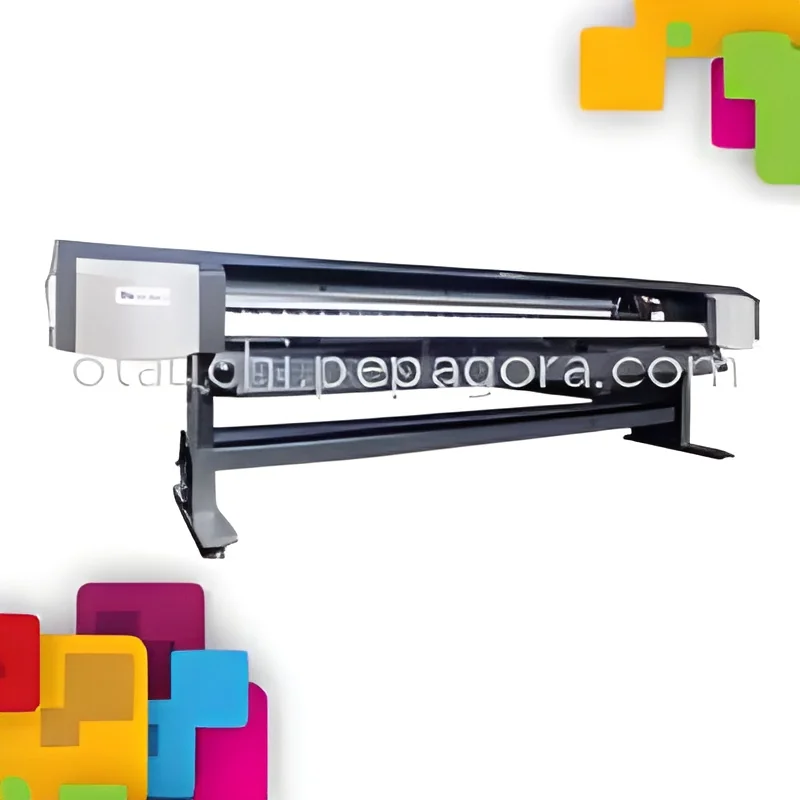
6. Promotional Products: Businesses leverage fabric printing for banners, flags, and other promotional materials that require high visibility and custom designs.
7. Medical Textiles: Applications in this sector include printing and dyeing fabrics for uniforms and equipment, ensuring compliance with hygiene standards.
𝗣𝗿𝗼𝗱𝘂𝗰𝘁 𝗩𝗮𝗿𝗶𝗮𝗻𝘁𝘀 𝗮𝗻𝗱 𝗦𝘂𝗯𝗰𝗮𝘁𝗲𝗴𝗼𝗿𝗶𝗲𝘀
Fabric Printing and Dyeing Units come in various configurations to meet diverse manufacturing needs.
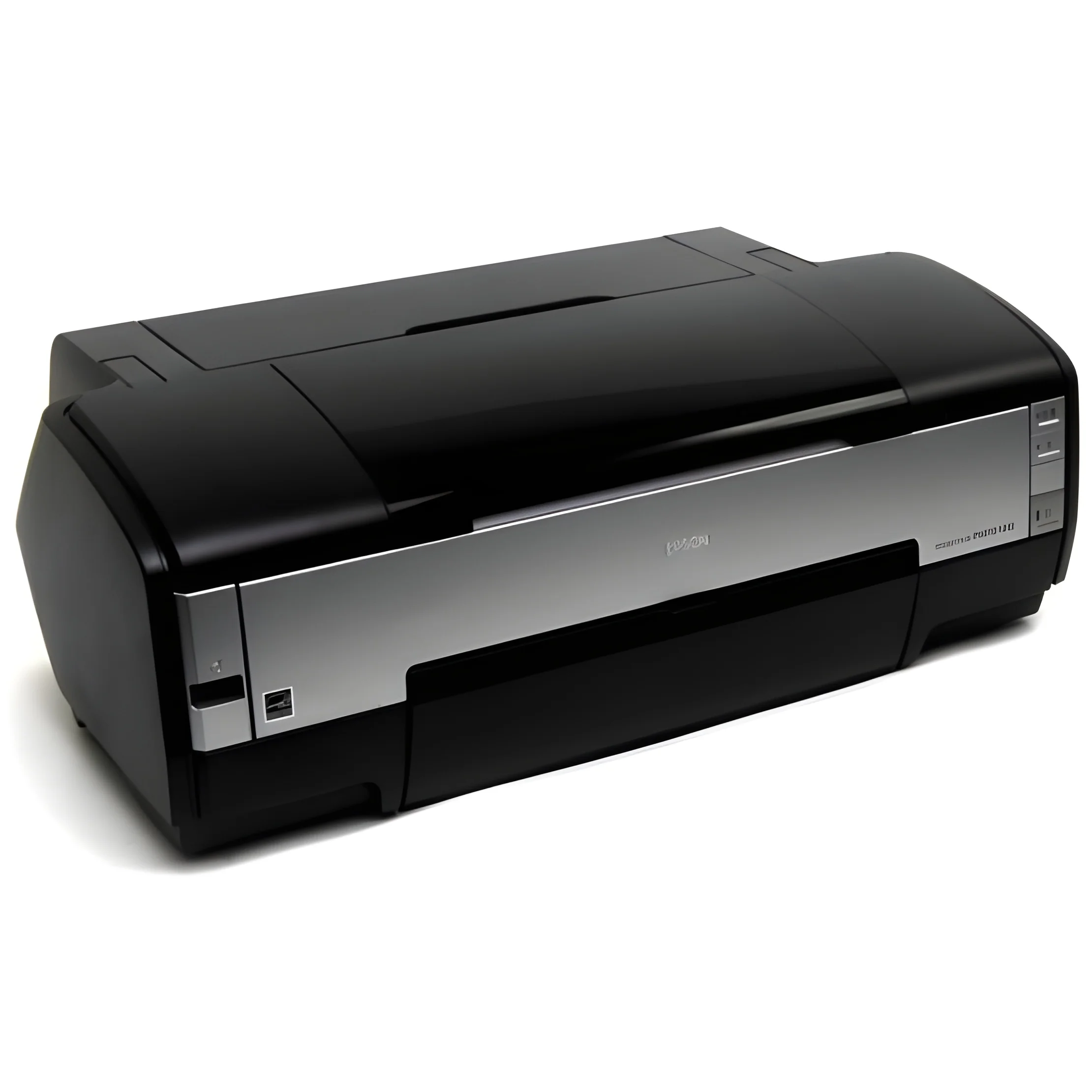
Digital Fabric Printing Units
These units utilize digital technology to print designs directly onto fabric. They are ideal for short runs and offer high precision and flexibility in design.
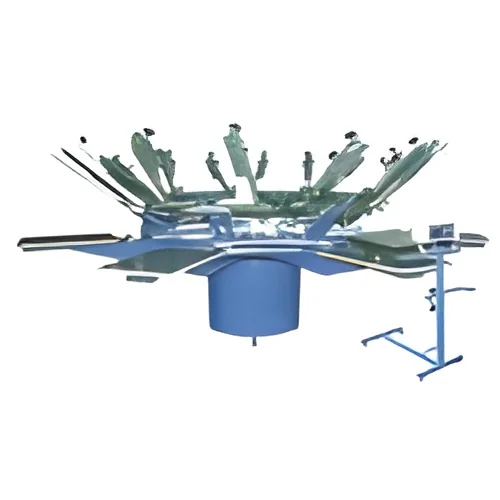
Rotary Screen Printing Units
This traditional method uses screens to apply ink to fabric. It is suitable for large volumes and provides consistent results, making it a popular choice for mass production.
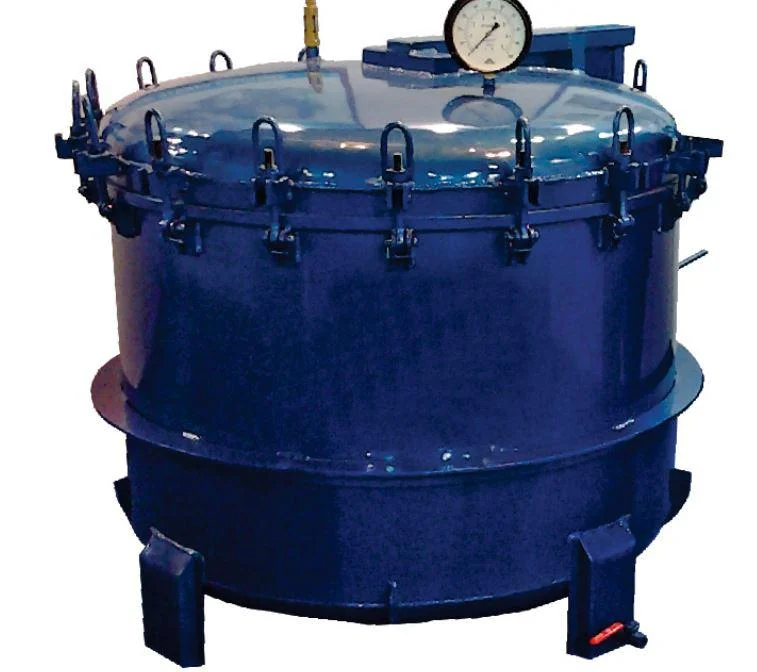
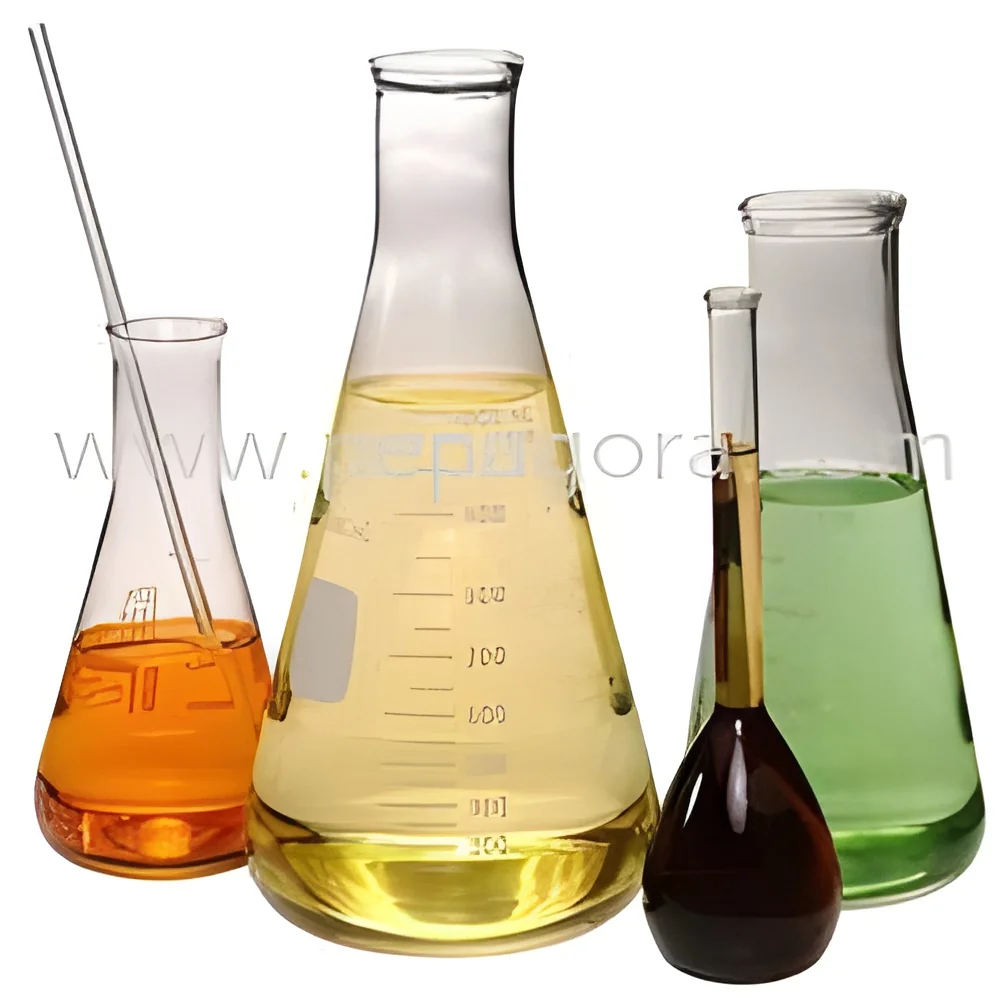
Batch Dyeing Machines
Designed for processing smaller quantities, these machines allow for precise dye application and control over color intensity. They are commonly used in specialty fabric production.
Continuous Dyeing Machines
These units enable continuous processing of fabrics, making them efficient for large-scale operations. They ensure uniform dyeing and are preferred for high-output manufacturing.
𝗕𝗲𝗻𝗲𝗳𝗶𝘁𝘀 𝗮𝗻𝗱 𝗔𝗱𝘃𝗮𝗻𝘁𝗮𝗴𝗲𝘀
Investing in Fabric Printing and Dyeing Units offers several key advantages for businesses.
1. Enhanced Customization: Allows businesses to create unique designs tailored to market demands, increasing customer satisfaction.
2. Improved Efficiency: Automated processes reduce labor costs and production times, leading to higher output rates.
3. Quality Control: Advanced technology ensures consistent quality and minimizes defects, resulting in better end products.
4. Sustainable Practices: Many units are designed to reduce waste and energy consumption, aligning with eco-friendly initiatives.
5. Versatility: Capable of handling various fabric types and dyeing methods, making them suitable for diverse applications.
6. Competitive Edge: Offering customized and high-quality fabrics can help businesses stand out in a crowded marketplace.
𝗕𝘂𝘆𝗶𝗻𝗴 𝗚𝘂𝗶𝗱𝗲 𝗳𝗼𝗿 𝗕𝟮𝗕 𝗕𝘂𝘆𝗲𝗿𝘀
When sourcing Fabric Printing and Dyeing Units, it is crucial for buyers to consider several factors to make informed decisions.
1. Quality Assessment: Evaluate the quality of materials and components used in the units. Look for certifications that ensure compliance with industry standards.
2. Supplier Verification: Vet suppliers by checking their reputation, customer reviews, and experience in the industry. Ensure they have a track record of reliability and support.
3. Pricing and MOQ: Understand the pricing structure and minimum order quantities (MOQ). This will help in budgeting and aligning with production needs.
4. Delivery and Lead Times: Inquire about the logistics involved in delivery and the expected lead times for receiving the units. This is important for planning production schedules.
5. Compliance Requirements: Ensure that the units comply with relevant regulations and safety standards, particularly if operating in regions with strict manufacturing guidelines.
𝗖𝗼𝗺𝗽𝗹𝗶𝗮𝗻𝗰𝗲 𝗮𝗻𝗱 𝗖𝗲𝗿𝘁𝗶𝗳𝗶𝗰𝗮𝘁𝗶𝗼𝗻𝘀
Fabric Printing and Dyeing Units are subject to various compliance and certification standards that ensure safety and quality.
Relevant quality standards include ISO 9001, which focuses on quality management systems to enhance customer satisfaction. Certifications like CE indicate that the products meet European safety, health, and environmental protection standards.
Safety and testing requirements are critical for ensuring that the units operate safely and do not pose risks to workers or the environment. Regular testing for compliance with local and international regulations is essential.
Regional compliance considerations may vary based on the geographical location of the manufacturing facility. Businesses must stay informed about local requirements to avoid compliance issues.
𝗪𝗵𝘆 𝗦𝗼𝘂𝗿𝗰𝗲 𝗙𝗮𝗯𝗿𝗶𝗰 𝗣𝗿𝗶𝗻𝘁𝗶𝗻𝗴 & 𝗗𝘆𝗲𝗶𝗻𝗴 𝗨𝗻𝗶𝘁𝘀 𝗳𝗿𝗼𝗺 𝗣𝗲𝗽𝗮𝗴𝗼𝗿𝗮?
Pepagora provides a trusted platform for sourcing Fabric Printing and Dyeing Units, offering several key advantages for B2B buyers.
Verified Supplier Network: Pepagora has established a robust network of verified suppliers, ensuring that buyers can access quality products from reputable manufacturers.
Streamlined RFQ Process: The platform offers a simplified request for quotation (RFQ) process, allowing buyers to efficiently obtain quotes and compare options from multiple suppliers.
Trade Assurance and Support: Buyers receive protection through trade assurance programs, which safeguard their investments and ensure reliable transactions.
Regional Coverage: With a presence in key markets such as India, the GCC, and Southeast Asia, Pepagora offers extensive geographical reach, providing access to diverse sourcing options and suppliers.
By choosing Pepagora, businesses can confidently navigate the sourcing process for Fabric Printing and Dyeing Units, ensuring they find solutions that meet their specific needs.

 IN
IN