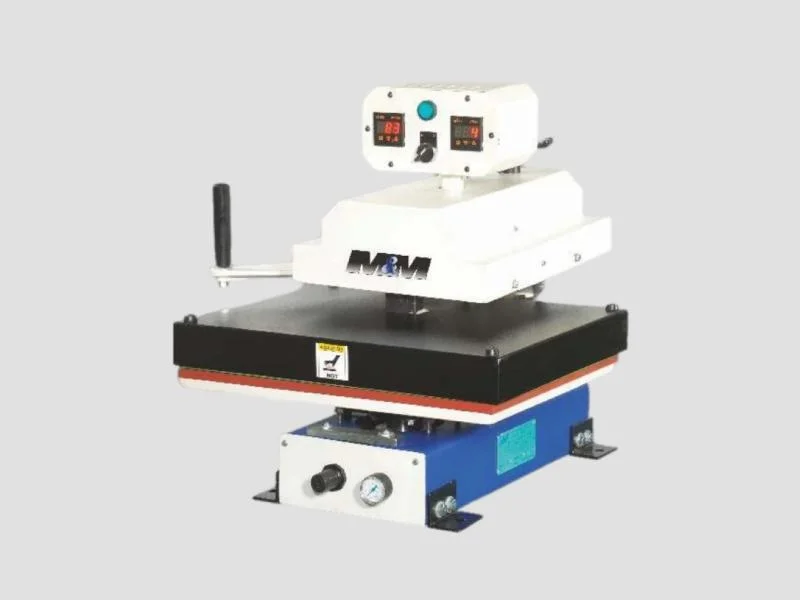
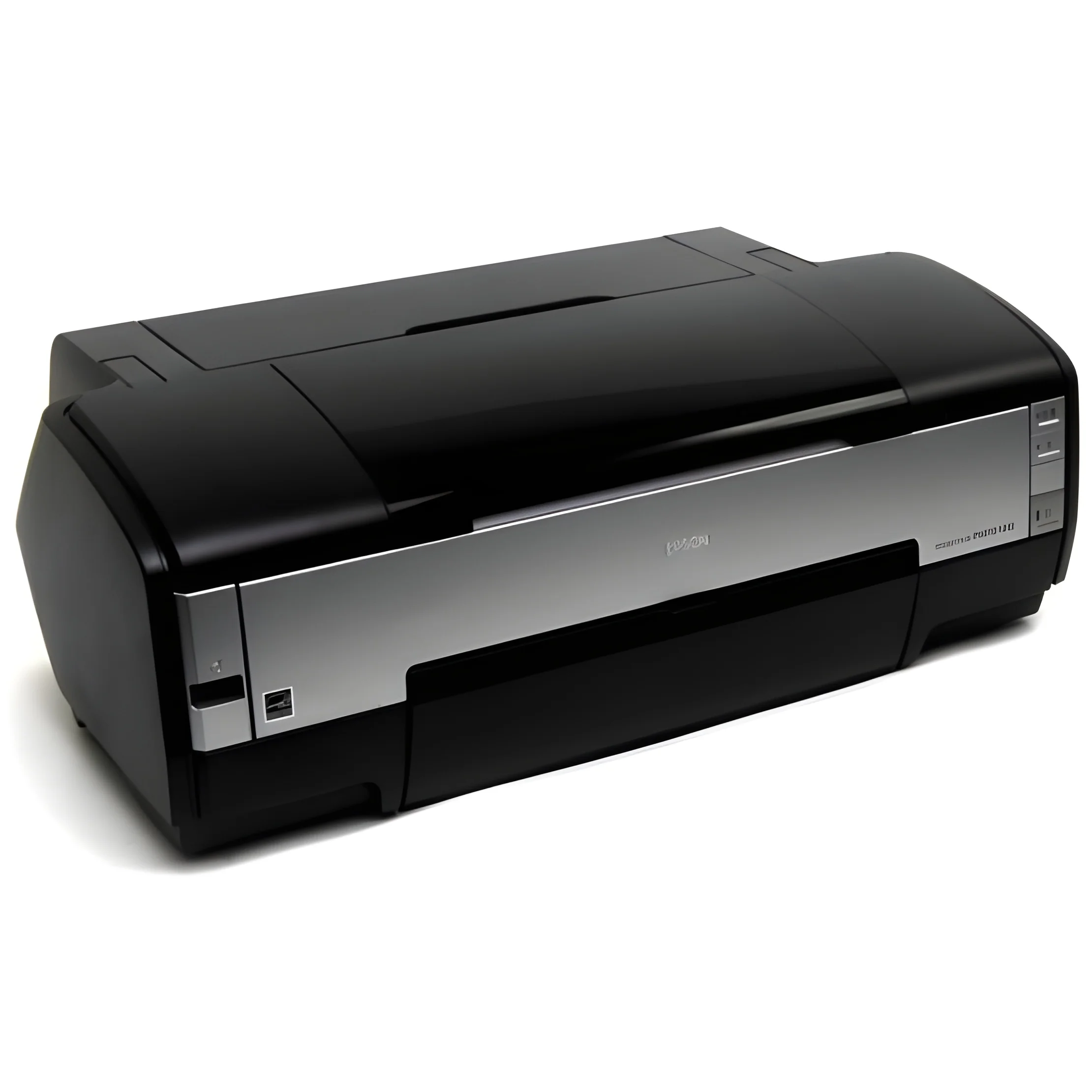
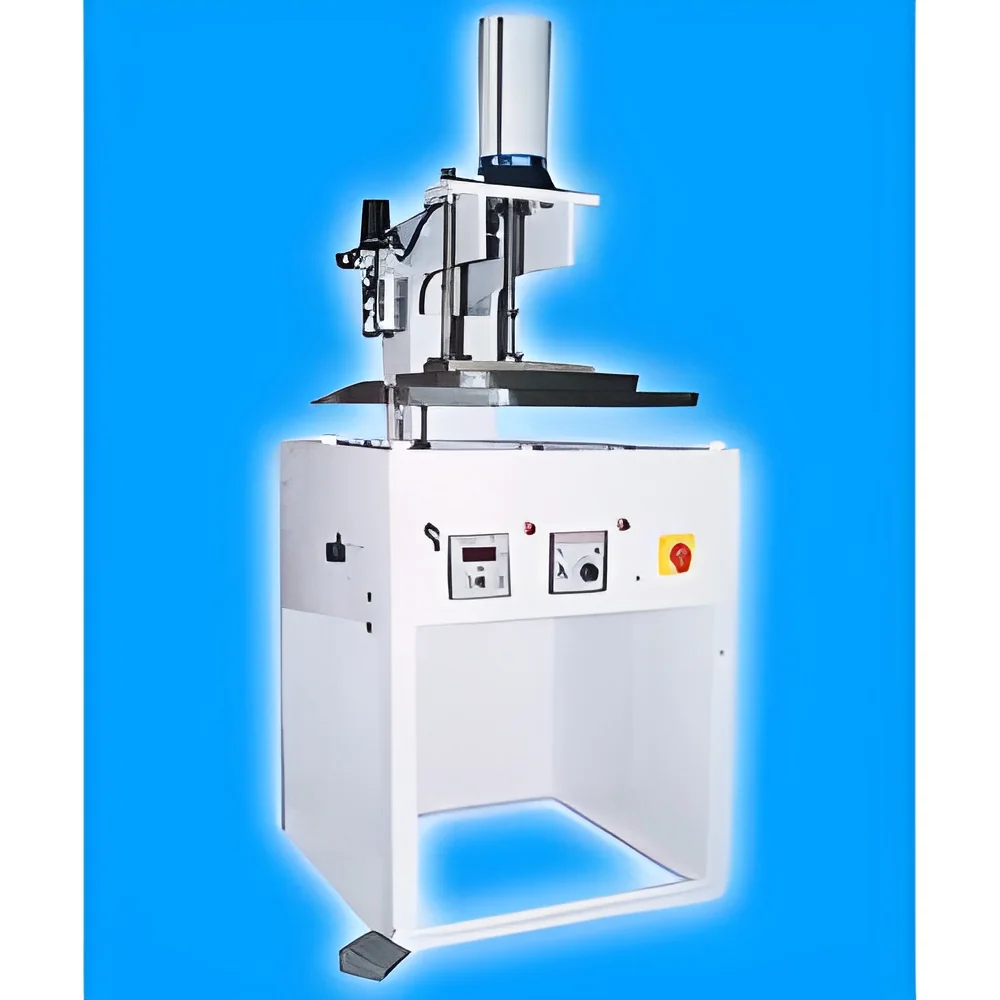
𝗪𝗵𝗮𝘁 𝗮𝗿𝗲 𝗛𝗲𝗮𝘁 𝗧𝗿𝗮𝗻𝘀𝗳𝗲𝗿 𝗣𝗿𝗶𝗻𝘁𝗶𝗻𝗴 𝗨𝗻𝗶𝘁𝘀?
Heat transfer printing units are specialized machines designed to transfer designs, graphics, or images onto various substrates using heat and pressure. This process allows for the application of high-quality prints onto materials such as textiles, ceramics, and plastics. The technology utilizes heat transfer paper or vinyl to create vibrant and durable prints that can withstand washing, fading, and wear.
These units are primarily used in industries such as apparel manufacturing, promotional product creation, and custom merchandise production. Businesses utilize heat transfer printing for branding, personalized gifts, and even industrial applications where custom labels or designs are necessary. The versatility of these units makes them suitable for small businesses, large manufacturers, and even hobbyists looking to create custom products.
In the current market, heat transfer printing units are becoming increasingly popular due to their ability to produce high-quality prints quickly and efficiently. As businesses aim to differentiate themselves in a competitive landscape, having access to reliable and innovative printing technology is essential. This has led to a growing demand for heat transfer printing equipment across various sectors.
𝗞𝗲𝘆 𝗙𝗲𝗮𝘁𝘂𝗿𝗲𝘀 𝗮𝗻𝗱 𝗦𝗽𝗲𝗰𝗶𝗳𝗶𝗰𝗮𝘁𝗶𝗼𝗻𝘀
Heat transfer printing units come with a variety of features designed to enhance usability and printing quality. Understanding these specifications is crucial for businesses looking to invest in this technology.
Key specifications include:
1. Temperature Control
- Precise temperature settings to ensure optimal transfer quality.
- Typically ranges from 0 to 400 degrees Fahrenheit.
2. Pressure Adjustment
- Adjustable pressure settings to accommodate different materials.
- Allows for consistent results across various substrates.
3. Print Area Size
- Varies depending on the model, suitable for small to large designs.
- Common sizes range from 9x12 inches to 16x20 inches.
4. Heating Element Type
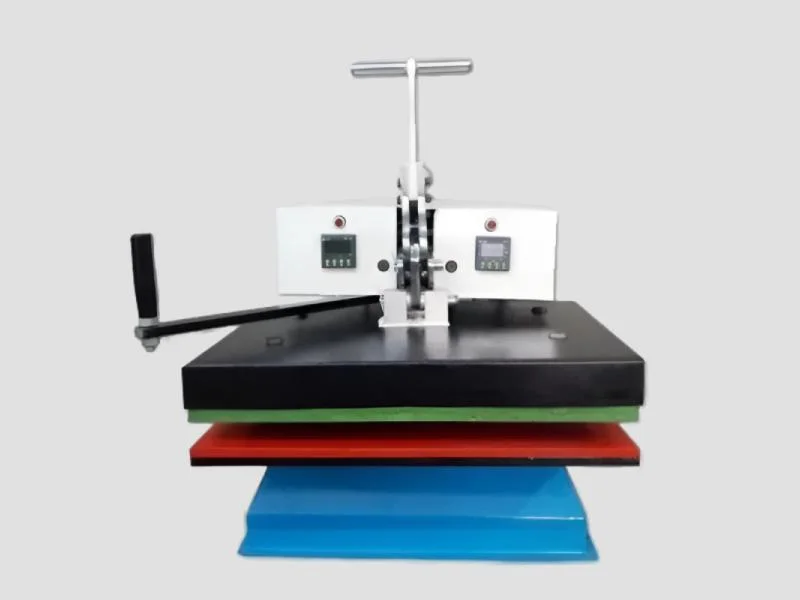
- Options include clamshell, swing-away, or draw-style heating elements.
- Each type offers different benefits in terms of space and usage.
5. User Interface
- Digital controls for easy temperature and time settings.
- Some models feature LCD screens for better visibility.
6. Build Quality
- Sturdy frame and components for long-lasting performance.
- Often made from durable materials to withstand frequent use.
7. Safety Features
- Includes automatic shut-off and heat-resistant handles.
- Essential for preventing accidents during operation.
8. Portability
- Some units are designed to be lightweight and easy to transport.
- Ideal for on-site printing activities or trade shows.
These specifications help businesses select the right heat transfer printing unit to meet their production needs.
𝗖𝗼𝗺𝗺𝗼𝗻 𝗔𝗽𝗽𝗹𝗶𝗰𝗮𝘁𝗶𝗼𝗻𝘀 𝗮𝗻𝗱 𝗨𝘀𝗲 𝗖𝗮𝘀𝗲𝘀
Heat transfer printing units are utilized across various industries due to their versatility and efficiency.
1. Apparel Industry: These units are widely used to print custom designs on t-shirts, hoodies, and other clothing items. They cater to both small businesses and large-scale manufacturers.
2. Promotional Products: Companies use heat transfer printing for creating branded items such as bags, caps, and mugs. This helps in enhancing brand visibility and customer engagement.
3. Home Décor: Heat transfer technology is applied to produce custom designs on cushions, wall art, and other home textiles, allowing for a personalized touch.
4. Sports Merchandise: Sports teams leverage these units to create fan gear, including jerseys and hats, featuring team logos and player names.
5. Industrial Applications: Businesses in manufacturing may use heat transfer printing for labeling and marking products, ensuring compliance with safety standards.
6. Arts and Crafts: Hobbyists and small enterprises utilize heat transfer units for creative projects, such as custom gifts and personalized crafts.
7. Event Merchandise: These units are ideal for producing limited edition items for events, conferences, and gatherings, helping to create memorable promotional material.
𝗣𝗿𝗼𝗱𝘂𝗰𝘁 𝗩𝗮𝗿𝗶𝗮𝗻𝘁𝘀 𝗮𝗻𝗱 𝗦𝘂𝗯𝗰𝗮𝘁𝗲𝗴𝗼𝗿𝗶𝗲𝘀
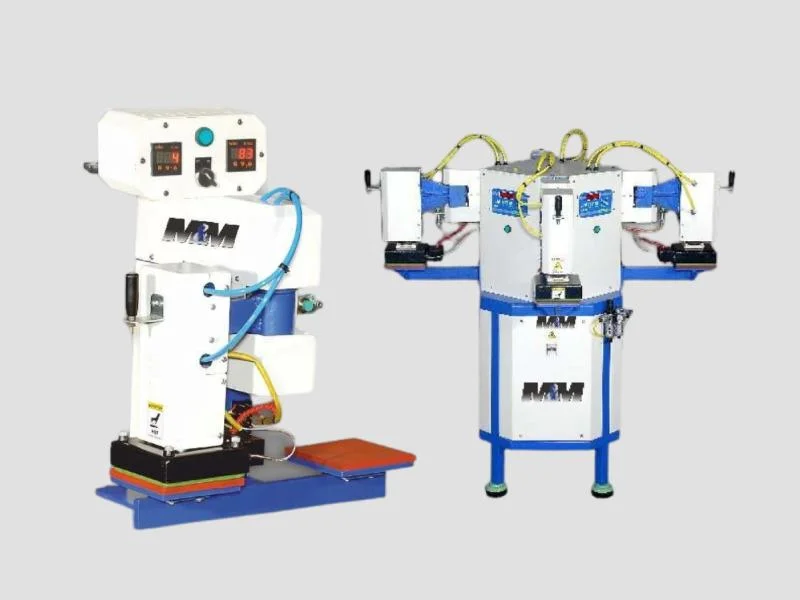
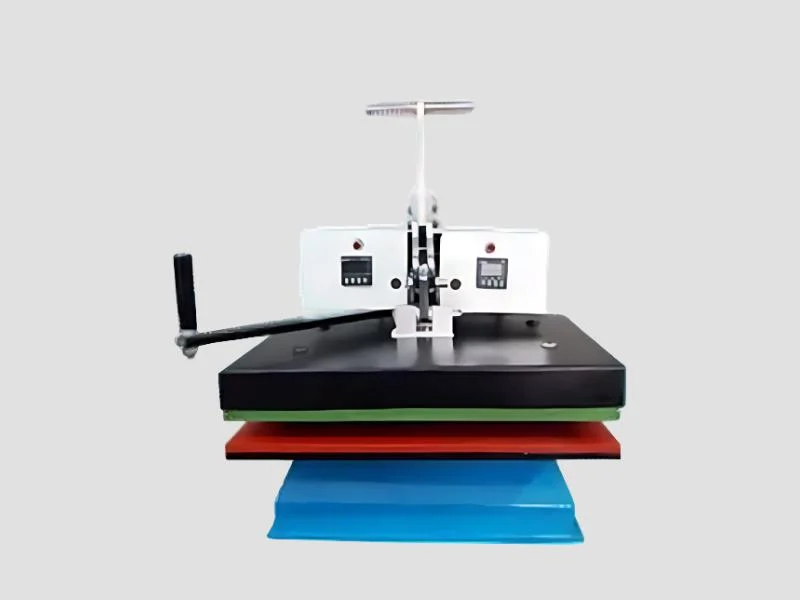
Heat transfer printing units come in various models, each catering to different printing needs and preferences.
Clamshell Heat Transfer Press
This variant is popular for its compact design and ease of use. It features a top-down heating mechanism, making it suitable for various materials without taking up much space.
Swing-Away Heat Transfer Press
Designed for larger printing areas, this model allows the upper platen to swing away, providing easier access to the printed item. It is ideal for larger designs and thicker materials.
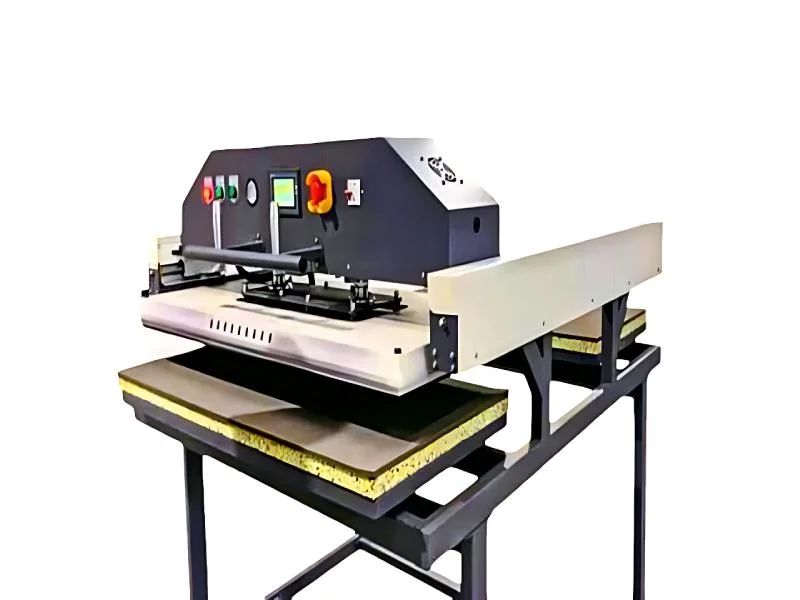
Draw Style Heat Transfer Press
This variant allows for easy loading and unloading of materials, making it convenient for high-volume production. Its unique design accommodates thicker substrates effectively.
𝗕𝗲𝗻𝗲𝗳𝗶𝘁𝘀 𝗮𝗻𝗱 𝗔𝗱𝘃𝗮𝗻𝘁𝗮𝗴𝗲𝘀
Investing in heat transfer printing units offers several benefits for businesses.
1. High-Quality Output: These units produce vibrant, long-lasting prints that maintain their quality even after multiple washes.
2. Versatility: They can print on a wide range of materials, including fabrics, ceramics, and plastics, allowing businesses to diversify their product offerings.
3. Cost-Effective: With the ability to create custom designs on demand, businesses can reduce waste and avoid high minimum order quantities associated with traditional printing methods.
4. Fast Production: Heat transfer printing allows for quick turnaround times, enabling businesses to meet tight deadlines and customer demands.
5. User-Friendly: Many units come with digital controls and easy-to-follow instructions, making them accessible for operators of all skill levels.
6. Customization: Businesses can easily adapt designs to meet specific customer requests, enhancing customer satisfaction and loyalty.
𝗕𝘂𝘆𝗶𝗻𝗴 𝗚𝘂𝗶𝗱𝗲 𝗳𝗼𝗿 𝗕𝟮𝗕 𝗕𝘂𝘆𝗲𝗿𝘀
When sourcing heat transfer printing units, businesses should consider several critical factors to ensure a successful purchase.
1. Quality Assessment: Evaluate the build quality and reliability of the units. Look for models that have been tested and proven to deliver consistent results over time.
2. Supplier Verification: Conduct due diligence on suppliers to verify their reputation and reliability. Check for reviews and testimonials from other businesses to gauge their experience.
3. Pricing and MOQ: Understand the pricing structure and minimum order quantities. Compare quotes from multiple suppliers to ensure you are getting a fair deal.
4. Delivery and Lead Times: Discuss logistics with suppliers to confirm delivery times and any potential delays. Timely delivery is crucial for meeting production schedules.
5. Compliance Requirements: Ensure that the equipment meets relevant safety and industry standards. Familiarize yourself with local regulations to avoid compliance issues.
𝗖𝗼𝗺𝗽𝗹𝗶𝗮𝗻𝗰𝗲 𝗮𝗻𝗱 𝗖𝗲𝗿𝘁𝗶𝗳𝗶𝗰𝗮𝘁𝗶𝗼𝗻𝘀
Heat transfer printing units are subject to various quality and safety standards, ensuring they operate effectively and safely within the industry.
Relevant quality standards include ISO 9001, which outlines criteria for an effective quality management system. This certification indicates that the manufacturer meets international standards for quality assurance.
Industry certifications such as CE ensure that the equipment complies with European health, safety, and environmental protection standards. This is crucial for businesses looking to operate in markets that require such compliance.
Safety and testing requirements also play a significant role in the manufacturing of heat transfer printing units. They must undergo rigorous testing to ensure they operate safely under various conditions.
Regional compliance considerations vary by market. Businesses should be aware of local regulations that may impact the operation and sale of heat transfer printing equipment.
𝗪𝗵𝘆 𝗦𝗼𝘂𝗿𝗰𝗲 𝗛𝗲𝗮𝘁 𝗧𝗿𝗮𝗻𝘀𝗳𝗲𝗿 𝗣𝗿𝗶𝗻𝘁𝗶𝗻𝗴 𝗨𝗻𝗶𝘁𝘀 𝗳𝗿𝗼𝗺 𝗣𝗲𝗽𝗮𝗴𝗼𝗿𝗮?
Pepagora provides a trusted platform for sourcing heat transfer printing units, offering several key advantages to businesses.
Verified Supplier Network: Pepagora has a comprehensive network of verified suppliers, ensuring that buyers have access to high-quality products from reputable manufacturers. This verification process helps mitigate risks associated with sourcing equipment.
Streamlined RFQ Process: The platform features a user-friendly quotation system, allowing buyers to request and receive multiple quotes efficiently. This facilitates comparison and aids in making informed purchasing decisions.
Trade Assurance and Support: Pepagora offers trade assurance to protect buyers throughout the purchasing process. This includes support for resolving disputes and ensuring that the products meet agreed-upon specifications.
Regional Coverage: With a strong presence in India, GCC, and Southeast Asia, Pepagora connects buyers with suppliers across diverse markets, enhancing accessibility and convenience in sourcing heat transfer printing units.

 IN
IN