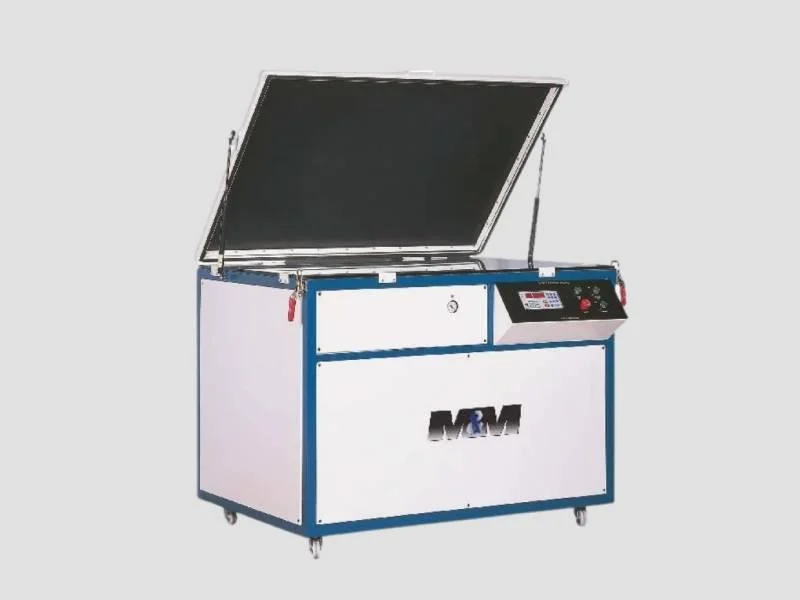
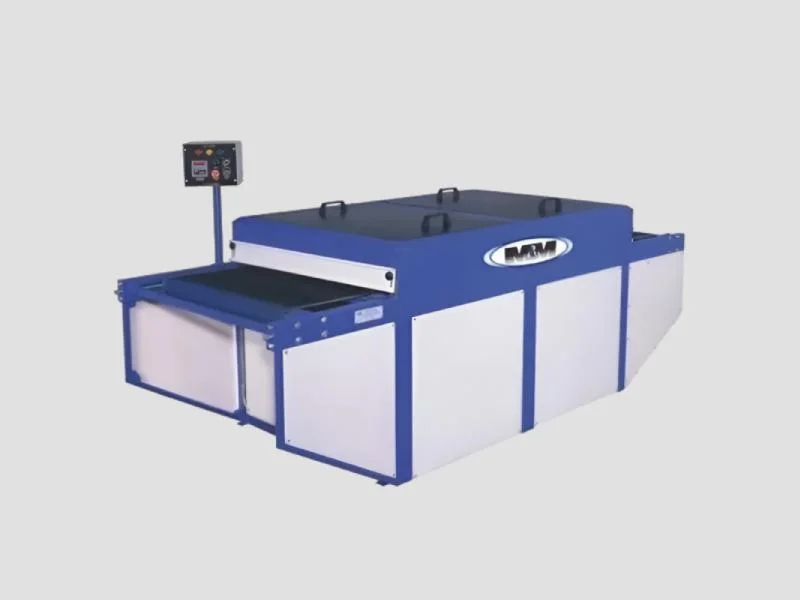
𝗪𝗵𝗮𝘁 𝗮𝗿𝗲 𝗦𝗰𝗿𝗲𝗲𝗻 𝗣𝗿𝗶𝗻𝘁𝗶𝗻𝗴 𝗨𝗻𝗶𝘁𝘀?
Screen printing units are specialized machines designed to apply ink onto various surfaces using a mesh stencil or screen. The process involves pushing ink through the screen onto the material beneath, creating vibrant and durable designs. These units vary in size and complexity, catering to different production volumes and application requirements.
Screen printing is widely used in industries such as textiles, packaging, and promotional items. Businesses utilize these units for creating custom apparel, labels, and signage. The versatility of screen printing makes it a popular choice for both small-scale and large-scale production, allowing companies to achieve high-quality results with precision.
As the demand for customized products continues to grow, the screen printing industry remains relevant in the market. Businesses are increasingly looking for efficient, reliable, and cost-effective solutions to meet their printing needs, making screen printing units a valuable asset in various manufacturing sectors.
𝗞𝗲𝘆 𝗙𝗲𝗮𝘁𝘂𝗿𝗲𝘀 𝗮𝗻𝗱 𝗦𝗽𝗲𝗰𝗶𝗳𝗶𝗰𝗮𝘁𝗶𝗼𝗻𝘀
When considering screen printing units, it is essential to understand their key features and specifications. These machines come equipped with various capabilities that enhance performance and efficiency in printing operations.
Key specifications include:
1. Printing Area
- Size of the area available for printing designs
- Ranges from small (for labels) to large (for banners and garments)
2. Screen Mesh Count
- Number of threads per inch in the mesh
- Common counts range from 40 to 400, affecting ink flow and detail level
3. Ink Type Compatibility
- Types of inks that can be used (e.g., plastisol, water-based, and UV inks)
- Ensures versatility in printing applications
4. Production Speed
- The number of prints the unit can produce per hour
- Speeds can vary widely depending on machine type, from hundreds to thousands
5. Automation Level
- The degree of automation in the machine, from manual to fully automatic
- Affects ease of use and production efficiency
6. Build Material
- Construction materials, often aluminum or steel for durability
- Influences the unit's longevity and maintenance needs
7. Power Requirements
- Electrical specifications needed for operation
- Typically requires standard industrial power sources
8. Weight and Dimensions
- Overall size and weight of the unit
- Important for space considerations in the production area
These specifications help businesses choose the right screen printing unit for their specific needs, ensuring optimal performance.
𝗖𝗼𝗺𝗺𝗼𝗻 𝗔𝗽𝗽𝗹𝗶𝗰𝗮𝘁𝗶𝗼𝗻𝘀 𝗮𝗻𝗱 𝗨𝘀𝗲 𝗖𝗮𝘀𝗲𝘀
Screen printing units are utilized across a variety of industries to produce high-quality printed products.
1. Textiles: Screen printing is prevalent in the clothing industry for printing designs on t-shirts, hoodies, and other apparel. It allows for vibrant colors and intricate designs.
2. Packaging: Many companies use screen printing to create custom packaging solutions, including boxes and labels. This method ensures a professional appearance and durability.
3. Promotional Products: Businesses often use screen printing for items like tote bags, water bottles, and giveaways. It is a cost-effective way to promote brand visibility.
4. Automotive: Screen printing is employed in the production of decals and graphics for vehicles. It provides a long-lasting finish that withstands various environmental conditions.
5. Electronics: The electronics industry utilizes screen printing for applying graphics and labels on devices and components, ensuring precise alignment and detail.
6. Signage: Many companies rely on screen printing for creating business signs and banners. It allows for clear lettering and vibrant colors that attract attention.
7. Home Décor: Screen printing is used in producing decorative items such as wall art and textiles, allowing for unique designs and personalization.
𝗣𝗿𝗼𝗱𝘂𝗰𝘁 𝗩𝗮𝗿𝗶𝗮𝗻𝘁𝘀 𝗮𝗻𝗱 𝗦𝘂𝗯𝗰𝗮𝘁𝗲𝗴𝗼𝗿𝗶𝗲𝘀
Screen printing units come in various configurations to meet different printing needs. Each variant has distinct features and applications.
Manual Screen Printing Unit: This variant is designed for small-scale operations and offers flexibility in printing. Users can easily adjust the settings for different projects, making it ideal for custom orders and limited runs.
Semi-Automatic Screen Printing Unit: This type provides a balance between manual and fully automatic systems. It allows for higher production speeds while still offering user control over certain aspects of the printing process.
Fully Automatic Screen Printing Unit: This variant is built for high-volume production and efficiency. It automates the printing process, reducing labor costs and increasing output significantly, making it suitable for mass production.
𝗕𝗲𝗻𝗲𝗳𝗶𝘁𝘀 𝗮𝗻𝗱 𝗔𝗱𝘃𝗮𝗻𝘁𝗮𝗴𝗲𝘀
Investing in screen printing units offers several key benefits for businesses.
1. Cost-Effectiveness: Screen printing is a cost-efficient method for producing large quantities of printed materials, especially when compared to other printing technologies.
2. Versatility: These units can print on a wide range of materials, including textiles, plastics, and metals, making them suitable for diverse applications.
3. Durability: The prints produced using screen printing are known for their longevity and resistance to fading, ensuring that products maintain their quality over time.
4. High-Quality Output: Screen printing offers vibrant colors and sharp details, resulting in visually appealing products that enhance brand image.
5. Customization: Screen printing units allow for easy customization, enabling businesses to create unique designs tailored to their specific requirements.
6. Quick Turnaround: These machines can produce prints efficiently, reducing lead times and allowing businesses to meet tight deadlines.
𝗕𝘂𝘆𝗶𝗻𝗴 𝗚𝘂𝗶𝗱𝗲 𝗳𝗼𝗿 𝗕𝟮𝗕 𝗕𝘂𝘆𝗲𝗿𝘀
When sourcing screen printing units, it is crucial for buyers to consider several key factors to make informed decisions.
1. Quality Assessment: Evaluate the build quality of the units. Look for machines that are durable and reliable to ensure long-term performance and minimal downtime.
2. Supplier Verification: Vet potential suppliers by checking their credentials, customer reviews, and industry reputation. A verified supplier ensures you receive quality products and service.
3. Pricing and MOQ: Understand the pricing structure and minimum order quantities. Compare costs across different suppliers to find the best deal without compromising quality.
4. Delivery and Lead Times: Inquire about delivery options and lead times. Timely shipping is essential for maintaining production schedules.
5. Compliance Requirements: Ensure that the screen printing units meet relevant regulatory and safety standards. Compliance with industry certifications can help avoid legal issues and enhance product credibility.
𝗖𝗼𝗺𝗽𝗹𝗶𝗮𝗻𝗰𝗲 𝗮𝗻𝗱 𝗖𝗲𝗿𝘁𝗶𝗳𝗶𝗰𝗮𝘁𝗶𝗼𝗻𝘀
Screen printing units must adhere to various compliance and certification standards to ensure quality and safety. Key quality standards include ISO 9001, which focuses on quality management systems, and HACCP, which addresses food safety concerns in applicable industries.
Additionally, many screen printing units are certified with CE marking, indicating compliance with European health, safety, and environmental protection standards. This certification is crucial for businesses looking to sell products in European markets.
Safety and testing requirements are vital to ensure that the machines operate without causing harm to users or the environment. Manufacturers must conduct thorough testing to comply with these standards.
Regional compliance considerations may vary, so businesses should familiarize themselves with local regulations to ensure their screen printing units meet all necessary requirements.
𝗪𝗵𝘆 𝗦𝗼𝘂𝗿𝗰𝗲 𝗦𝗰𝗿𝗲𝗲𝗻 𝗣𝗿𝗶𝗻𝘁𝗶𝗻𝗴 𝗨𝗻𝗶𝘁𝘀 𝗳𝗿𝗼𝗺 𝗣𝗲𝗽𝗮𝗴𝗼𝗿𝗮?
Pepagora provides a trusted platform for sourcing screen printing units with several key advantages.
Verified Supplier Network: Pepagora features a network of verified suppliers, ensuring buyers receive high-quality products and reliable service. This verification process helps mitigate risks associated with purchasing industrial equipment.
Streamlined RFQ Process: The platform offers a straightforward request for quotation (RFQ) system, simplifying the process of obtaining quotes from multiple suppliers. This feature saves time and allows for better price comparisons.
Trade Assurance and Support: Pepagora provides trade assurance, offering buyer protection and support throughout the purchasing process. This assurance builds trust and confidence when sourcing equipment.
Regional Coverage: With a presence in India, the GCC, and Southeast Asia, Pepagora’s geographic reach allows businesses from various regions to connect with reliable suppliers, catering to local market needs effectively.

 IN
IN