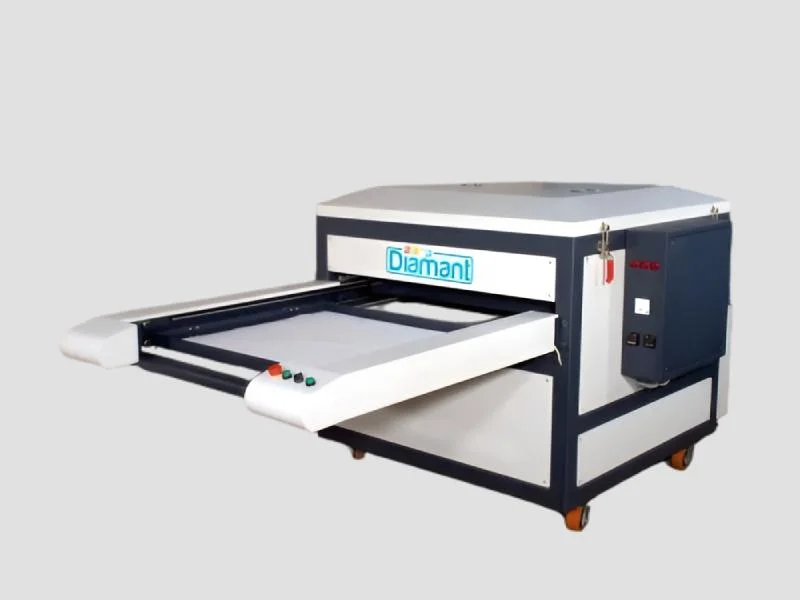
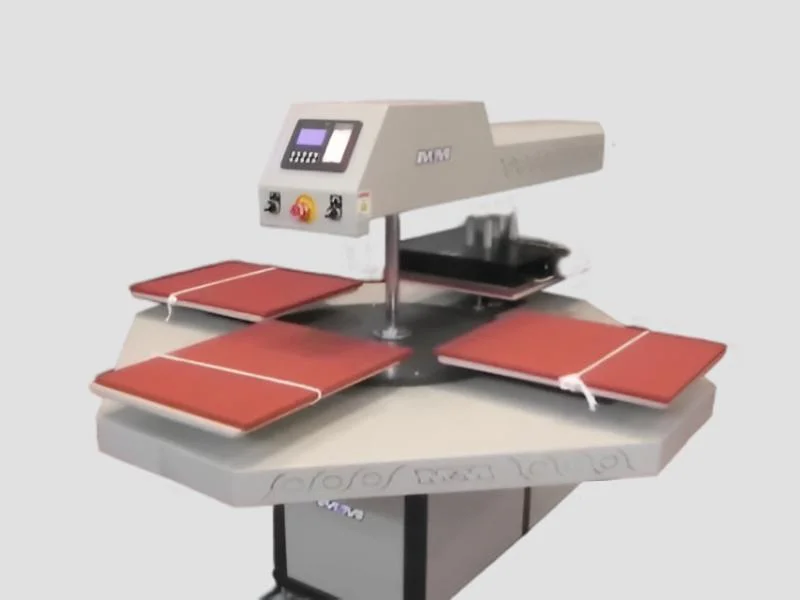
𝗪𝗵𝗮𝘁 𝗮𝗿𝗲 𝗦𝘂𝗯𝗹𝗶𝗺𝗮𝘁𝗶𝗼𝗻 𝗣𝗿𝗶𝗻𝘁𝗶𝗻𝗴 𝗨𝗻𝗶𝘁𝘀?
Sublimation Printing Units are specialized machines used to transfer dye onto various materials, typically fabrics and rigid substrates. This process involves heating sublimation inks to their gaseous state, allowing them to penetrate the surface of the material. Upon cooling, the dye solidifies, resulting in vivid, long-lasting prints. These units are essential for businesses looking to produce high-quality, customized products, such as apparel, promotional items, and signage.
The primary uses of sublimation printing include creating personalized textiles, such as sports jerseys, t-shirts, and home décor items. Additionally, businesses use these units for making promotional products, including mugs, phone cases, and other merchandise that require detailed designs. The sublimation process allows for complex graphics and vibrant colors that are durable and resistant to fading, making it a popular choice in various industries.
In today's market, sublimation printing has gained significant traction due to the demand for customized products. As businesses strive to stand out in competitive environments, the ability to offer personalized items has become a valuable asset. This relevance in the industry highlights the importance of investing in high-quality sublimation printing units for companies aiming to enhance their product offerings.
𝗞𝗲𝘆 𝗙𝗲𝗮𝘁𝘂𝗿𝗲𝘀 𝗮𝗻𝗱 𝗦𝗽𝗲𝗰𝗶𝗳𝗶𝗰𝗮𝘁𝗶𝗼𝗻𝘀
Sublimation Printing Units come with a variety of features that enhance their functionality and usability for businesses. When selecting a unit, understanding the key specifications is essential to ensure it meets the needs of your operations.
Key specifications include:
1. Print Resolution
- The quality of print is often measured in dots per inch (DPI).
- Typical ranges are between 300 and 1200 DPI.
2. Maximum Print Size
- This refers to the largest dimension the unit can print.
- Sizes can vary from small formats (e.g., 8x10 inches) to large formats (e.g., 44 inches wide).
3. Heating Technology
- Units may use heat press or direct-to-fabric methods.
- Consistent heating is critical for quality results.
4. Ink Compatibility
- Most units are compatible with dye-sublimation inks specifically designed for sublimation.
- Ensure compatibility for optimal results.
5. Speed of Production
- Measured in square feet per hour.
- Speeds can vary widely based on the unit and material used.
6. Software Integration
- Many units come with software for design and workflow management.
- Compatibility with design tools can streamline operations.
7. User Interface
- Touchscreen controls are common for ease of use.
- Intuitive interfaces can improve training and efficiency.
8. Portability
- Some units are designed for stationary use, while others are more portable.
- Consider space and mobility needs in your decision.
In summary, understanding these key features and specifications will help businesses choose the right sublimation printing unit to meet their production demands and quality standards.
𝗖𝗼𝗺𝗺𝗼𝗻 𝗔𝗽𝗽𝗹𝗶𝗰𝗮𝘁𝗶𝗼𝗻𝘀 𝗮𝗻𝗱 𝗨𝘀𝗲 𝗖𝗮𝘀𝗲𝘀
Sublimation printing serves a wide range of industries, each leveraging its unique capabilities for product customization and branding.
1. Apparel Industry: Sublimation printing is widely used for creating custom sportswear, uniforms, and promotional clothing. The process allows for intricate designs and vibrant colors without compromising fabric quality.
2. Promotional Products: Businesses utilize sublimation printing for creating personalized merchandise such as mugs, keychains, and promotional giveaways. This helps enhance brand visibility and customer engagement.
3. Home Décor: From custom pillows to wall art, sublimation printing allows homeowners to express their style. The ability to print large-scale designs makes it ideal for personalized home items.
4. Signage: Sublimation printing is effective for producing durable signs and banners. The long-lasting prints are suitable for both indoor and outdoor use.
5. Gifts and Souvenirs: Custom gifts, such as photo frames or travel souvenirs, benefit from sublimation printing, which offers a personal touch that appeals to consumers.
6. Sports and Recreation: Custom jerseys and sports gear are often produced using sublimation printing. This ensures that athletes have unique, high-quality gear that represents their teams.
7. Education Sector: Schools and educational institutions use sublimation printing for custom uniforms, badges, and promotional materials for events.
𝗣𝗿𝗼𝗱𝘂𝗰𝘁 𝗩𝗮𝗿𝗶𝗮𝗻𝘁𝘀 𝗮𝗻𝗱 𝗦𝘂𝗯𝗰𝗮𝘁𝗲𝗴𝗼𝗿𝗶𝗲𝘀
Sublimation Printing Units come in various models to cater to different business needs and production capacities. Each variant offers unique features and applications.
Eco-Solvent Sublimation Printer
This variant uses eco-solvent inks, making it suitable for both indoor and outdoor applications. It offers a balance between print quality and environmental considerations, appealing to eco-conscious businesses.
Compact Sublimation Printer
Designed for small businesses or home-based operations, this unit is portable and easy to use. It is ideal for low-volume production and personalized items, such as custom gifts.
Industrial Sublimation Printer
These high-capacity units are built for large-scale production, capable of handling high volumes of prints. They offer fast print speeds and are suitable for businesses that require mass production.
𝗕𝗲𝗻𝗲𝗳𝗶𝘁𝘀 𝗮𝗻𝗱 𝗔𝗱𝘃𝗮𝗻𝘁𝗮𝗴𝗲𝘀
Investing in Sublimation Printing Units presents numerous advantages for businesses in various sectors.
Key benefits include:
1. High-Quality Prints: The sublimation process produces vibrant colors and sharp images, enhancing the overall quality of products.
2. Durability: Sublimation prints are resistant to fading and cracking, ensuring that products maintain their appearance over time.
3. Versatility: These units can print on a wide range of materials, including fabrics and rigid substrates, making them suitable for various applications.
4. Customization: Businesses can easily create personalized items, allowing them to meet specific customer demands and preferences.
5. Cost-Effective for Volume: While the initial investment may be higher, sublimation printing becomes cost-effective for bulk orders, reducing per-unit costs.
6. Minimal Waste: The sublimation process generates less waste compared to traditional printing methods, aligning with sustainability goals.
𝗕𝘂𝘆𝗶𝗻𝗴 𝗚𝘂𝗶𝗱𝗲 𝗳𝗼𝗿 𝗕𝟮𝗕 𝗕𝘂𝘆𝗲𝗿𝘀
When sourcing Sublimation Printing Units, buyers should consider several factors to ensure they make informed purchasing decisions.
1. Quality Assessment: Evaluate the build quality and reliability of the unit. Look for reviews and case studies from other businesses to understand their experiences.
2. Supplier Verification: Conduct thorough research on suppliers. Assess their reputation, customer service, and delivery capabilities to ensure a reliable partnership.
3. Pricing and MOQ: Understand the pricing structure and minimum order quantities. This helps in budgeting and determining the feasibility of bulk purchases.
4. Delivery and Lead Times: Discuss logistics and delivery timelines with suppliers. Timely delivery is crucial for maintaining production schedules.
5. Compliance Requirements: Ensure that the sublimation printing units meet local and international standards, including safety and quality certifications that may apply to your industry.
𝗖𝗼𝗺𝗽𝗹𝗶𝗮𝗻𝗰𝗲 𝗮𝗻𝗱 𝗖𝗲𝗿𝘁𝗶𝗳𝗶𝗰𝗮𝘁𝗶𝗼𝗻𝘀
Sublimation Printing Units must meet certain compliance and certification standards to ensure safety and quality.
Relevant quality standards include ISO 9001, which focuses on quality management systems, ensuring that manufacturers maintain high-quality production processes. Additionally, HACCP (Hazard Analysis and Critical Control Points) principles may apply to certain sublimation processes, particularly in industries requiring food safety.
Industry certifications like CE indicate that the equipment meets European safety, health, and environmental protection standards. These certifications are crucial for businesses looking to operate in regulated markets.
It is also essential to consider safety and testing requirements specific to sublimation printing. Compliance with local regulations ensures that the units are safe to operate and meet necessary performance benchmarks.
Regional compliance considerations may vary, so businesses should be aware of the specific regulations governing sublimation printing in their geographic locations.
𝗪𝗵𝘆 𝗦𝗼𝘂𝗿𝗰𝗲 𝗦𝘂𝗯𝗹𝗶𝗺𝗮𝘁𝗶𝗼𝗻 𝗣𝗿𝗶𝗻𝘁𝗶𝗻𝗴 𝗨𝗻𝗶𝘁𝘀 𝗳𝗿𝗼𝗺 𝗣𝗲𝗽𝗮𝗴𝗼𝗿𝗮?
Pepagora offers a trusted platform for sourcing Sublimation Printing Units, providing several key advantages to B2B buyers.
Verified Supplier Network: Pepagora maintains a robust network of verified suppliers, ensuring that buyers can connect with reputable manufacturers. This reduces the risk associated with sourcing equipment.
Streamlined RFQ Process: The platform simplifies the request for quotation process, allowing buyers to easily compare options and receive tailored pricing from multiple suppliers. This enhances decision-making efficiency.
Trade Assurance and Support: Pepagora provides trade assurance, offering buyers protection throughout the purchasing process. This support includes assistance with negotiations and dispute resolution.
Regional Coverage: With a focus on markets in India, the GCC, and Southeast Asia, Pepagora facilitates access to suppliers that cater to specific regional needs. This ensures that businesses can find suitable units that comply with local standards and requirements.

 IN
IN