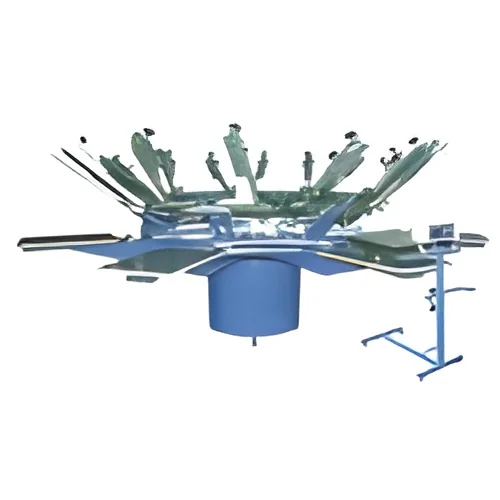
𝗪𝗵𝗮𝘁 𝗮𝗿𝗲 𝗪𝗮𝘁𝗲𝗿-𝗕𝗮𝘀𝗲𝗱 𝗜𝗻𝗸 𝗣𝗿𝗶𝗻𝘁𝗶𝗻𝗴?
Water-based ink printing utilizes inks that are predominantly composed of water as the solvent. This type of printing technology is recognized for its eco-friendliness, as it generates fewer volatile organic compounds (VOCs) compared to solvent-based inks. Water-based inks are versatile and can be used on a variety of substrates, including paper, cardboard, and certain types of plastics. They are generally easier to clean and require less hazardous waste management, making them a preferred choice in many industrial applications.
The primary uses of water-based ink printing span multiple industries. It is commonly employed in packaging, textiles, and graphic arts. Businesses use water-based inks for printing labels, bags, and promotional materials. Its applications extend to various printing techniques such as flexography, gravure, and screen printing. As the demand for sustainable printing solutions grows, the use of water-based inks continues to rise, positioning this technology as a critical player in the modern printing landscape.
In the current market context, water-based ink printing is relevant not only for its environmental benefits but also for its adaptability to changing consumer preferences. Industries are increasingly seeking sustainable practices, and water-based inks align well with these goals. The market is witnessing a shift towards eco-friendly materials, making water-based inks an important area of focus for manufacturers and suppliers alike.
𝗞𝗲𝘆 𝗙𝗲𝗮𝘁𝘂𝗿𝗲𝘀 𝗮𝗻𝗱 𝗦𝗽𝗲𝗰𝗶𝗳𝗶𝗰𝗮𝘁𝗶𝗼𝗻𝘀
Water-based ink printing is characterized by several key features that enhance its appeal in various applications. These specifications ensure that the inks perform effectively while meeting industry standards.
Key specifications include:
1. Eco-Friendliness
- Low VOC emissions contribute to a healthier environment.
- Compliance with environmental regulations is easier to achieve.
2. Versatility
- Compatible with a wide range of substrates including paper, cardboard, and some plastics.
- Suitable for various printing techniques such as flexography and screen printing.
3. Fast Drying Time
- Quick drying properties enhance production efficiency.
- Minimizes smudging and improves print quality.
4. Ease of Cleaning
- Simple cleanup process with water, reducing downtime.
- Less need for harsh solvents and chemicals.
5. Color Vibrancy
- Produces bright and vivid colors that enhance visual appeal.
- Offers a broad color palette for diverse applications.
6. Low Odor
- Much less odor compared to solvent-based inks, improving workplace conditions.
- Enhanced comfort for operators during printing processes.
7. Compliance with Standards
- Meets various industry standards for quality and safety.
- Certifications such as CE ensure product reliability.
8. Customization Options
- Ability to formulate inks for specific applications or performance requirements.
- Tailored solutions can enhance customer satisfaction.
In summary, water-based ink printing offers an array of features that make it a compelling choice for many industries. Its eco-friendliness, versatility, and performance characteristics position it as a leading option in modern printing applications.
𝗖𝗼𝗺𝗺𝗼𝗻 𝗔𝗽𝗽𝗹𝗶𝗰𝗮𝘁𝗶𝗼𝗻𝘀 𝗮𝗻𝗱 𝗨𝘀𝗲 𝗖𝗮𝘀𝗲𝘀
Water-based ink printing serves a multitude of industries, reflecting its adaptability and effectiveness.
1. Packaging: Water-based inks are widely used for printing on packaging materials such as boxes, bags, and labels. Their eco-friendly nature aligns with the growing demand for sustainable packaging solutions.
2. Textile: In the textile industry, water-based inks are favored for screen printing on fabrics. They provide vibrant colors and excellent wash fastness, making them suitable for apparel and home textiles.
3. Graphic Arts: Water-based inks are commonly used in graphic arts for producing high-quality prints for posters, brochures, and other marketing materials. Their vibrant colors and quick drying times enhance the overall print quality.
4. Labels: The label printing industry utilizes water-based inks for their ability to create sharp and clear images. They are especially popular for food and beverage labels due to their safety and compliance with regulations.
5. Industrial Applications: In various industrial settings, water-based inks are used for printing on products and materials that require durability and resistance to wear and tear.
6. Signage: Water-based inks are also employed in the production of signage, providing outdoor durability and vibrant colors for promotional displays and directional signs.
7. Stationery: The stationery industry uses water-based inks for printing on paper products, ensuring that they are safe for everyday use and environmentally friendly.
𝗣𝗿𝗼𝗱𝘂𝗰𝘁 𝗩𝗮𝗿𝗶𝗮𝗻𝘁𝘀 𝗮𝗻𝗱 𝗦𝘂𝗯𝗰𝗮𝘁𝗲𝗴𝗼𝗿𝗶𝗲𝘀
Water-based ink printing encompasses a range of product variants designed to meet diverse printing needs.
Standard Water-Based Inks
These inks are formulated for general use across various printing applications. They offer excellent adhesion and vibrant color output, making them suitable for packaging, labels, and graphic arts.
Specialty Water-Based Inks
Specialty inks are designed for specific applications such as textiles or industrial products. They often feature unique properties, such as enhanced durability or washability, catering to niche markets.
Eco-Friendly Water-Based Inks
These inks are specifically formulated to minimize environmental impact. They contain sustainable ingredients and are designed to meet stringent regulatory requirements, appealing to environmentally conscious businesses.
Ready-to-Use Water-Based Inks
These inks come pre-mixed and ready for immediate application. They simplify the printing process by reducing preparation time, making them ideal for businesses seeking efficiency.
𝗕𝗲𝗻𝗲𝗳𝗶𝘁𝘀 𝗮𝗻𝗱 𝗔𝗱𝘃𝗮𝗻𝘁𝗮𝗴𝗲𝘀
Water-based ink printing offers numerous advantages that can greatly enhance operational efficiency and product quality.
Key benefits include:
1. Environmental Sustainability: Water-based inks reduce the ecological footprint of printing operations, aligning with growing industry demands for sustainable practices.
2. Health and Safety: The low VOC content of water-based inks promotes a healthier workspace for employees, minimizing exposure to harmful chemicals.
3. Cost-Effectiveness: The ease of cleaning and reduced need for hazardous waste management can lead to lower operational costs and improved profitability.
4. High Print Quality: Water-based inks provide vibrant colors and sharp details, ensuring that printed materials meet high standards of quality.
5. Fast Production Times: Quick drying properties allow for faster turnaround times, increasing overall productivity in printing operations.
6. Regulatory Compliance: Water-based inks often meet various industry standards, simplifying compliance with safety and environmental regulations.
𝗕𝘂𝘆𝗶𝗻𝗴 𝗚𝘂𝗶𝗱𝗲 𝗳𝗼𝗿 𝗕𝟮𝗕 𝗕𝘂𝘆𝗲𝗿𝘀
When sourcing water-based ink printing, there are several important factors to consider to ensure a successful procurement process.
1. Quality Assessment: Evaluate the quality of inks by reviewing technical data sheets and product samples. Look for performance characteristics such as adhesion, drying time, and durability.
2. Supplier Verification: Vet potential suppliers by checking their credentials and industry reputation. Ensure they have a proven track record of delivering high-quality products.
3. Pricing and MOQ: Understand the pricing structure and minimum order quantities (MOQs) set by suppliers. Compare multiple offers to find the best balance of cost and quality.
4. Delivery and Lead Times: Inquire about the supplier's delivery capabilities and lead times. Timely delivery is crucial to maintaining production schedules and meeting customer demands.
5. Compliance Requirements: Ensure the inks meet relevant compliance standards for your industry. This may include safety, environmental, and quality certifications.
𝗖𝗼𝗺𝗽𝗹𝗶𝗮𝗻𝗰𝗲 𝗮𝗻𝗱 𝗖𝗲𝗿𝘁𝗶𝗳𝗶𝗰𝗮𝘁𝗶𝗼𝗻𝘀
Water-based ink printing must adhere to various compliance and certification standards that ensure quality and safety in the industry.
Key quality standards include ISO 9001, which focuses on quality management systems, and HACCP, which addresses food safety management. These standards ensure that manufacturers maintain high levels of quality and safety in their production processes.
Additionally, the CE certification indicates conformity with health, safety, and environmental protection standards. This certification is essential for products sold within the European market, ensuring that they meet necessary legal requirements.
Safety requirements often include specific testing for harmful substances and performance criteria to ensure that the inks are safe for use in various applications. This is particularly important in industries such as food packaging and textiles.
Regional compliance considerations may vary based on local regulations. It is crucial for businesses to be aware of these requirements to avoid potential legal issues and ensure market acceptance.
𝗪𝗵𝘆 𝗦𝗼𝘂𝗿𝗰𝗲 𝗪𝗮𝘁𝗲𝗿-𝗕𝗮𝘀𝗲𝗱 𝗜𝗻𝗸 𝗣𝗿𝗶𝗻𝘁𝗶𝗻𝗴 𝗳𝗿𝗼𝗺 𝗣𝗲𝗽𝗮𝗴𝗼𝗿𝗮?
Pepagora provides a trusted platform for sourcing water-based ink printing, offering several key advantages for businesses looking to procure these products efficiently.
Verified Supplier Network: Pepagora connects buyers with a network of verified suppliers. Each supplier undergoes rigorous vetting to ensure reliability and quality, providing peace of mind for buyers.
Streamlined RFQ Process: The platform simplifies the request for quotation (RFQ) process. Buyers can easily submit their specifications and receive competitive quotes from multiple suppliers, facilitating informed decision-making.
Trade Assurance and Support: Pepagora offers trade assurance and support services to protect buyers throughout the procurement process. This includes assistance with order tracking and dispute resolution.
Regional Coverage: With a reach across India, the GCC, and Southeast Asia, Pepagora provides comprehensive market access for businesses in these regions. This geographic diversity allows buyers to find the best local suppliers to meet their needs.

 IN
IN