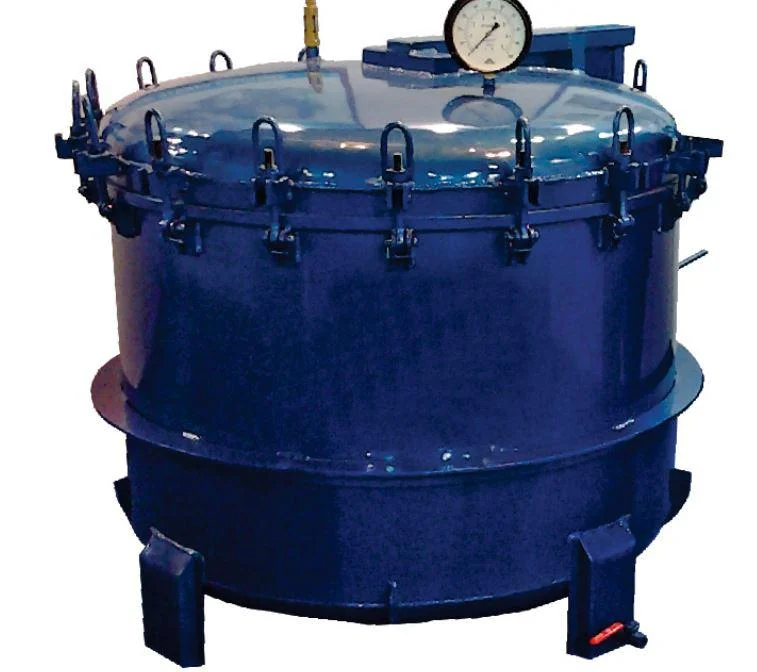
What are Yarn Dyeing Units?
Yarn dyeing units are specialized industrial machines designed for the dyeing of yarns used in textiles. These units facilitate the uniform application of color to yarns, ensuring consistency and quality in the final product. They typically operate through various dyeing methods such as package dyeing, beam dyeing, and skein dyeing. Each method is suited for different types of yarns and desired outcomes, making these units essential for textile manufacturers.
The primary use of yarn dyeing units is in the production of colored yarns for various applications, including apparel, upholstery, and home textiles. Businesses leverage these units to create high-quality dyed yarns that meet market demands for vibrant colors and patterns. The ability to customize colors and achieve precise shades is vital in the competitive textile industry, where consumer preferences are continually evolving.
In the current market context, yarn dyeing units are increasingly relevant as sustainability and efficiency become top priorities. Manufacturers seek solutions that not only enhance product quality but also reduce waste and energy consumption. As a result, advancements in technology, such as automated controls and eco-friendly dyeing processes, are shaping the future of yarn dyeing, making these units an integral part of modern textile production.
Key Features and Specifications
Yarn dyeing units boast a range of features designed to optimize performance and efficiency. These specifications are crucial for businesses seeking reliable and effective dyeing solutions.
Key specifications include:
1. Dyeing Capacity
- Determines the volume of yarn that can be dyed per batch.
- Typically ranges from 50 to 500 kg.
2. Temperature Control
- Essential for achieving precise dyeing results.
- Generally operates within a range of 20 to 140 degrees Celsius.
3. Humidity Control
- Ensures optimal dye absorption and prevents defects.
- Humidity levels are usually maintained between 60% and 80%.
4. Automation Level
- Varies from semi-automatic to fully automated systems.
- Higher automation reduces labor costs and increases efficiency.
5. Energy Consumption
- Important for operational costs.
- Energy-efficient models can reduce consumption by up to 30%.
6. Material Compatibility
- Suitable for various yarn materials such as cotton, polyester, and blends.
- Units may require specific configurations for different yarn types.
7. Safety Features
- Includes automatic shut-off and temperature alarms.
- Ensures operator safety and prevents equipment damage.
8. Maintenance Requirements
- Regular maintenance is essential for longevity.
- User-friendly designs facilitate easier upkeep.
In summary, understanding the key features and specifications of yarn dyeing units helps businesses make informed purchasing decisions that align with their production needs.
Common Applications and Use Cases
Yarn dyeing units find applications across various industries, catering to diverse textile needs.
1. Apparel Industry: Yarn dyeing is crucial for producing colorful fabrics used in clothing. Manufacturers use these units to create unique patterns and shades for seasonal collections.
2. Home Textiles: This sector utilizes dyed yarns for products such as curtains, cushions, and bed linens. The ability to customize colors enhances aesthetic appeal.
3. Upholstery: Yarn dyeing units are essential in creating durable and visually appealing upholstery fabrics used in furniture and automotive interiors.
4. Technical Textiles: Industries requiring specialized fabrics, such as the medical and automotive sectors, benefit from the precision dyeing capabilities of these units.
5. Fashion Accessories: Dyed yarns are used in producing scarves, hats, and other fashion accessories. The versatility of yarn dyeing allows for creative designs.
6. Carpet Manufacturing: Yarn dyeing is fundamental in producing carpets and rugs, where color consistency is vital for marketability.
7. Sportswear: The activewear market relies on high-performance dyed yarns that can withstand rigorous use while maintaining color integrity.
Product Variants and Subcategories
Yarn dyeing units come in various configurations to meet the diverse needs of manufacturers.
Batch Dyeing Units: These units are designed for dyeing multiple batches of yarn simultaneously. They offer flexibility and are ideal for medium to large-scale operations.
Continuous Dyeing Units: Tailored for high-volume production, continuous dyeing units provide an efficient solution for uninterrupted dyeing processes, ideal for large textile manufacturers.
Eco-Friendly Dyeing Units: These variants focus on sustainable practices, utilizing less water and energy while employing eco-friendly dyes, catering to the growing demand for sustainable textiles.
Benefits and Advantages
Investing in yarn dyeing units offers numerous advantages for textile manufacturers.
1. Enhanced Quality: Yarn dyeing units ensure consistent color application, resulting in high-quality finished products.
2. Customization: Manufacturers can create a wide range of colors and patterns, meeting specific customer demands and market trends.
3. Efficiency: Advanced technology in these units streamlines the dyeing process, reducing production time and costs.
4. Reduced Waste: Modern yarn dyeing units are designed to minimize dye waste and water usage, contributing to more sustainable practices.
5. Increased Productivity: With automation and improved processes, businesses can increase their output and respond swiftly to market changes.
6. Competitive Advantage: Offering unique, high-quality dyed yarns helps businesses differentiate themselves in a crowded marketplace.
Buying Guide for B2B Buyers
When sourcing yarn dyeing units, it is essential to consider several factors to ensure a successful purchase.
1. Quality Assessment: Evaluate the quality of materials and construction. Look for units made from durable components that can withstand rigorous use.
2. Supplier Verification: Vet potential suppliers by checking their reputation, customer reviews, and industry experience to ensure reliability.
3. Pricing and MOQ: Understand the pricing structure and minimum order quantities. Compare costs across different suppliers to find the best value.
4. Delivery and Lead Times: Inquire about logistics and delivery schedules. Timely delivery is crucial for maintaining production schedules.
5. Compliance Requirements: Ensure that the units meet industry standards and regulations, including safety and environmental compliance.
Compliance and Certifications
Yarn dyeing units must adhere to various quality standards and certifications to ensure safety and reliability.
ISO 9001 is a relevant standard that ensures consistent quality management systems are in place. This certification is critical for manufacturers who prioritize quality assurance.
CE certification indicates that the units meet European safety and health standards. It assures buyers that the equipment has been tested and complies with pertinent regulations.
Safety and testing requirements are vital for ensuring that yarn dyeing units operate without posing risks to operators. Regular testing and adherence to safety guidelines are essential.
Regional compliance considerations may vary, so it is crucial for manufacturers to stay informed about local regulations pertaining to textile production and dyeing processes.
Why Source Yarn Dyeing Units from Pepagora?
Pepagora provides a trusted platform for sourcing yarn dyeing units, offering several key advantages that facilitate the purchasing process for businesses.
Verified Supplier Network: Pepagora connects buyers with a network of verified suppliers, ensuring that businesses can source reliable and high-quality yarn dyeing units.
Streamlined RFQ Process: The platform features a user-friendly request for quotation (RFQ) system, simplifying the process of obtaining quotes and comparing options from different suppliers.
Trade Assurance and Support: Pepagora offers buyer protection through trade assurance, providing peace of mind and support throughout the purchasing journey.
Regional Coverage: With a focus on markets in India, the GCC, and Southeast Asia, Pepagora provides access to a wide array of suppliers and resources, catering to the specific needs of diverse textile manufacturers.
In conclusion, sourcing yarn dyeing units through Pepagora enhances the purchasing experience and helps businesses find the right solutions for their textile production needs.

 IN
IN