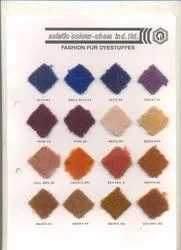
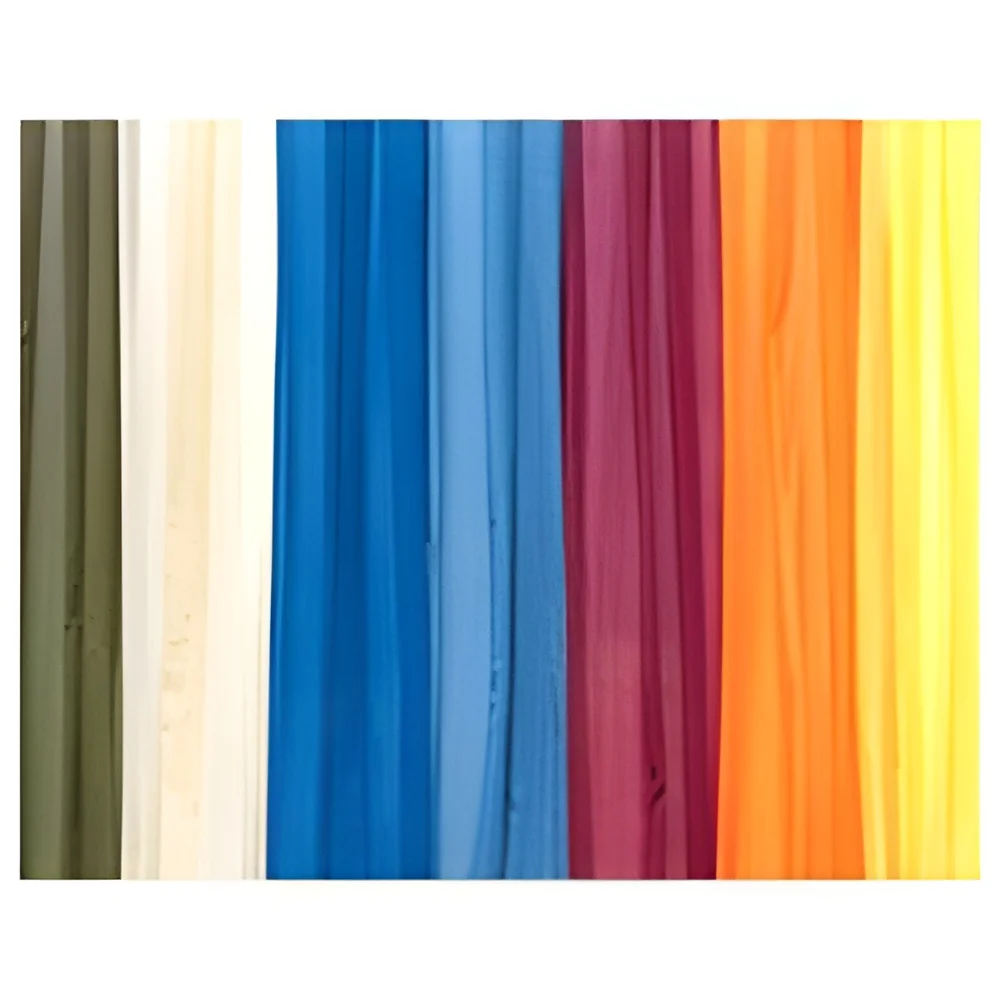
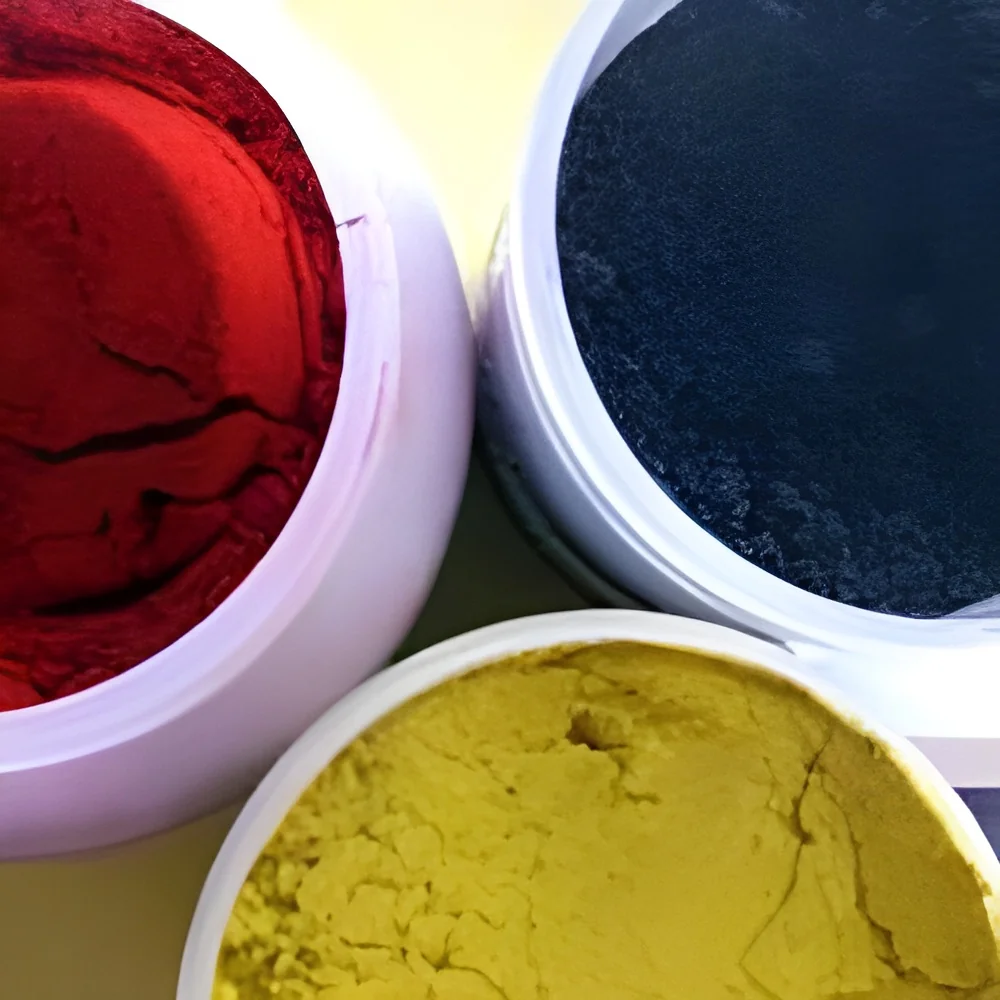
𝗪𝗵𝗮𝘁 𝗮𝗿𝗲 𝗘𝗰𝗼-𝗙𝗿𝗶𝗲𝗻𝗱𝗹𝘆 𝗗𝘆𝗲𝗶𝗻𝗴 𝗦𝗲𝗿𝘃𝗶𝗰𝗲𝘀?
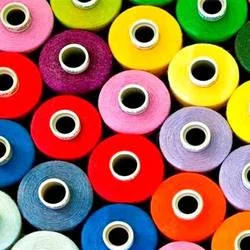
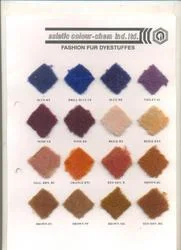
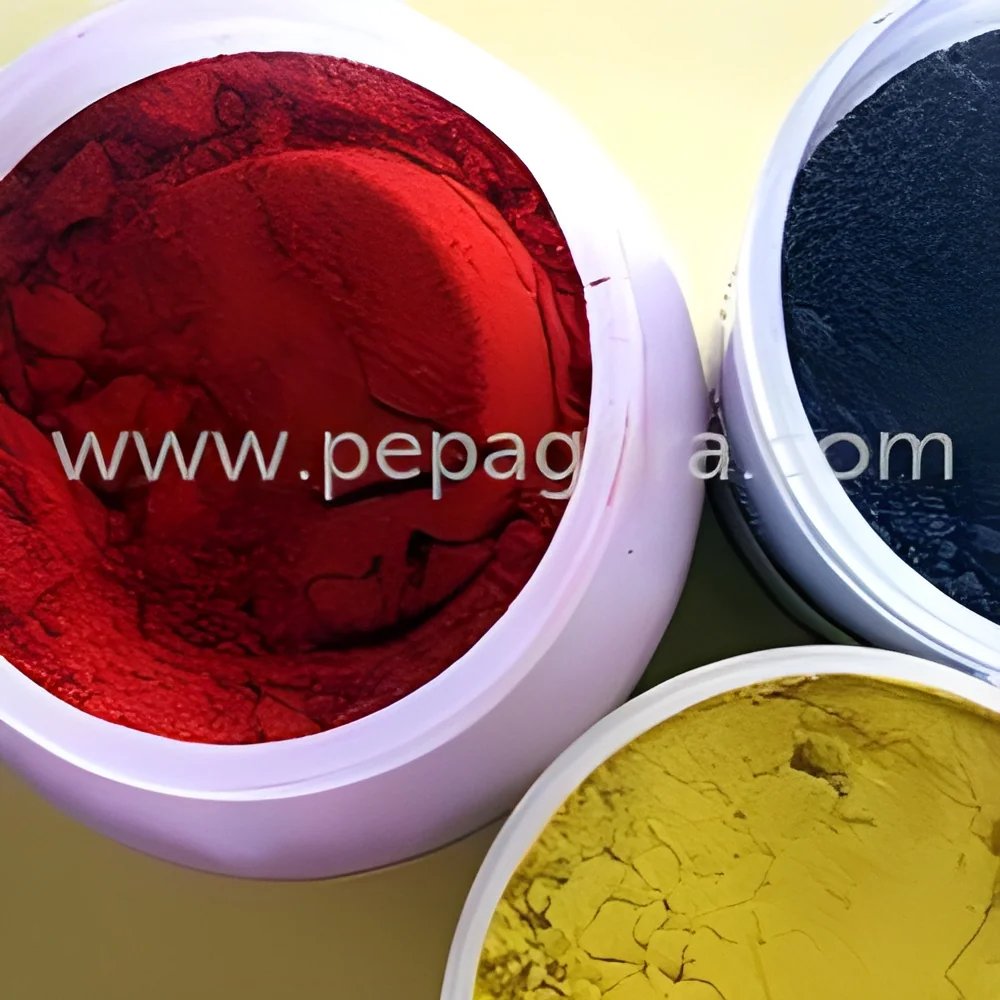
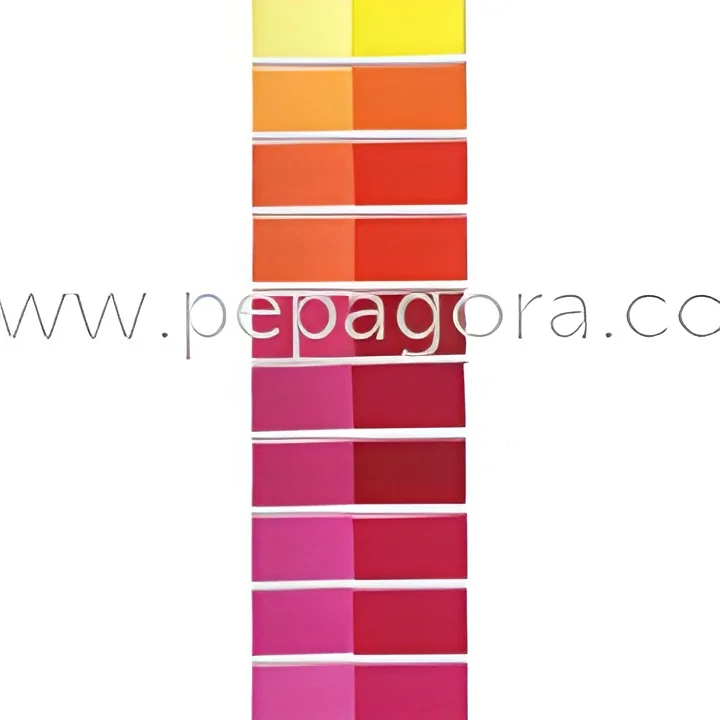
Eco-Friendly Dyeing Services refer to textile dyeing processes that minimize environmental impact through the use of sustainable practices and materials. These services utilize non-toxic dyes, reduce water consumption, and avoid harmful chemicals commonly found in traditional dyeing methods. The focus is on creating vibrant colors while ensuring that the processes align with environmental conservation principles.
These services find applications in various industries, including fashion, textiles, and home furnishings. Businesses increasingly recognize the importance of sustainability, driving the demand for eco-friendly dyeing solutions. By opting for these services, companies not only enhance their brand image but also cater to the growing consumer preference for environmentally responsible products. The increasing regulatory pressure towards sustainability also supports the relevance of these services in the market.
As industries continue to evolve, the demand for eco-friendly alternatives in the dyeing sector is expected to grow. This aligns with global trends towards sustainability, making eco-friendly dyeing services a relevant choice for businesses aiming to adapt to changing consumer demands and regulatory landscapes.
𝗞𝗲𝘆 𝗙𝗲𝗮𝘁𝘂𝗿𝗲𝘀 𝗮𝗻𝗱 𝗦𝗽𝗲𝗰𝗶𝗳𝗶𝗰𝗮𝘁𝗶𝗼𝗻𝘀
Eco-Friendly Dyeing Services come with a range of features designed to meet both environmental and quality standards. These services emphasize the use of sustainable materials and processes, ensuring that the end products are not only visually appealing but also safe for the environment.
Key specifications include:
1. Non-toxic Dyes
- Utilization of dyes derived from natural sources or synthetic alternatives that are free from harmful substances.
- Compliance with environmental safety standards.
2. Reduced Water Consumption
- Techniques that minimize the volume of water used during the dyeing process.
- Adoption of water recycling systems to further decrease waste.
3. Energy-Efficient Processes
- Implementation of technologies that lower energy consumption during dyeing.
- Use of renewable energy sources wherever possible.
4. Compliance with Industry Standards
- Adherence to recognized standards such as CE certification, ensuring quality and safety.
- Regular testing for hazardous substances.
5. Customization Options
- Ability to tailor dyeing processes to meet specific customer requirements.
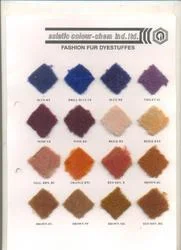
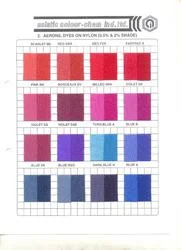
- Flexibility in color matching and application techniques.
6. Waste Management Practices
- Strategies for handling and disposing of waste materials responsibly.
- Use of biodegradable materials when possible.
7. Monitoring and Quality Control
- Procedures in place for continuous monitoring of dyeing processes.
- Implementation of quality assurance measures to maintain high standards.
In summary, Eco-Friendly Dyeing Services offer a comprehensive approach to sustainable textile processing, focusing on minimizing environmental impacts while maintaining high quality.
𝗖𝗼𝗺𝗺𝗼𝗻 𝗔𝗽𝗽𝗹𝗶𝗰𝗮𝘁𝗶𝗼𝗻𝘀 𝗮𝗻𝗱 𝗨𝘀𝗲 𝗖𝗮𝘀𝗲𝘀
Eco-Friendly Dyeing Services are utilized across various industries, reflecting their versatility and relevance.
1. Fashion Industry: Brands seek eco-friendly dyeing services to produce garments that appeal to environmentally conscious consumers. These services allow for vibrant colors without compromising on sustainability.
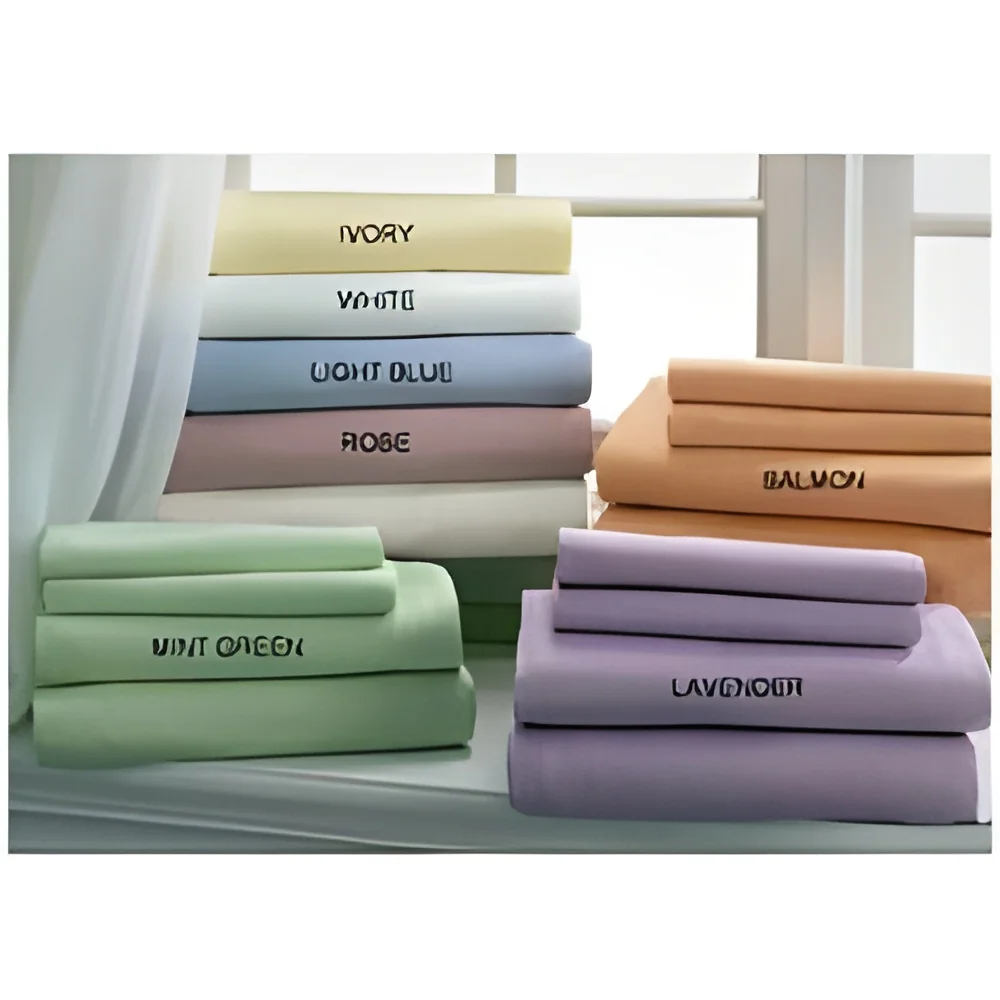
2. Home Textiles: Manufacturers of home furnishings such as curtains, upholstery, and linens are increasingly adopting eco-friendly dyeing to enhance the appeal of their products while ensuring they are safe for household use.
3. Sportswear: The sporting goods sector benefits from eco-friendly dyeing services to create durable and colorful athletic wear that meets consumers' expectations for performance and environmental responsibility.
4. Upholstery: Furniture manufacturers use eco-friendly dyeing for upholstery fabrics to provide stylish and sustainable options for consumers looking to furnish their homes responsibly.
5. Outdoor Gear: Companies producing outdoor equipment and clothing rely on eco-friendly dyeing to ensure their products withstand the elements while being environmentally friendly.
6. Baby Products: The demand for safe and non-toxic textiles has led to eco-friendly dyeing services being utilized in the production of baby clothing and accessories.
7. Corporate Apparel: Businesses are increasingly sourcing eco-friendly dyeing services for their uniforms, aligning their branding with sustainability principles.
𝗣𝗿𝗼𝗱𝘂𝗰𝘁 𝗩𝗮𝗿𝗶𝗮𝗻𝘁𝘀 𝗮𝗻𝗱 𝗦𝘂𝗯𝗰𝗮𝘁𝗲𝗴𝗼𝗿𝗶𝗲𝘀
Eco-Friendly Dyeing Services encompass a range of options designed to cater to different business needs. Each variant offers unique features and applications, allowing companies to select the best fit for their requirements.
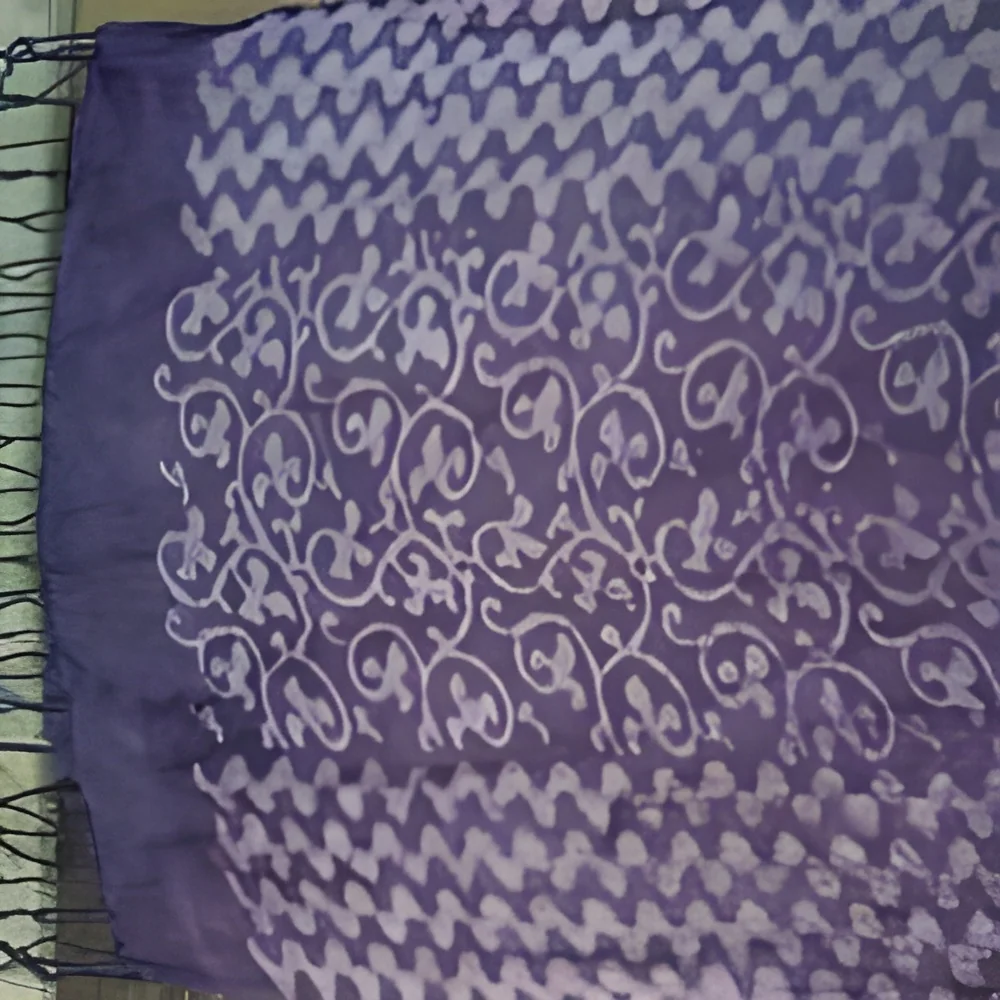
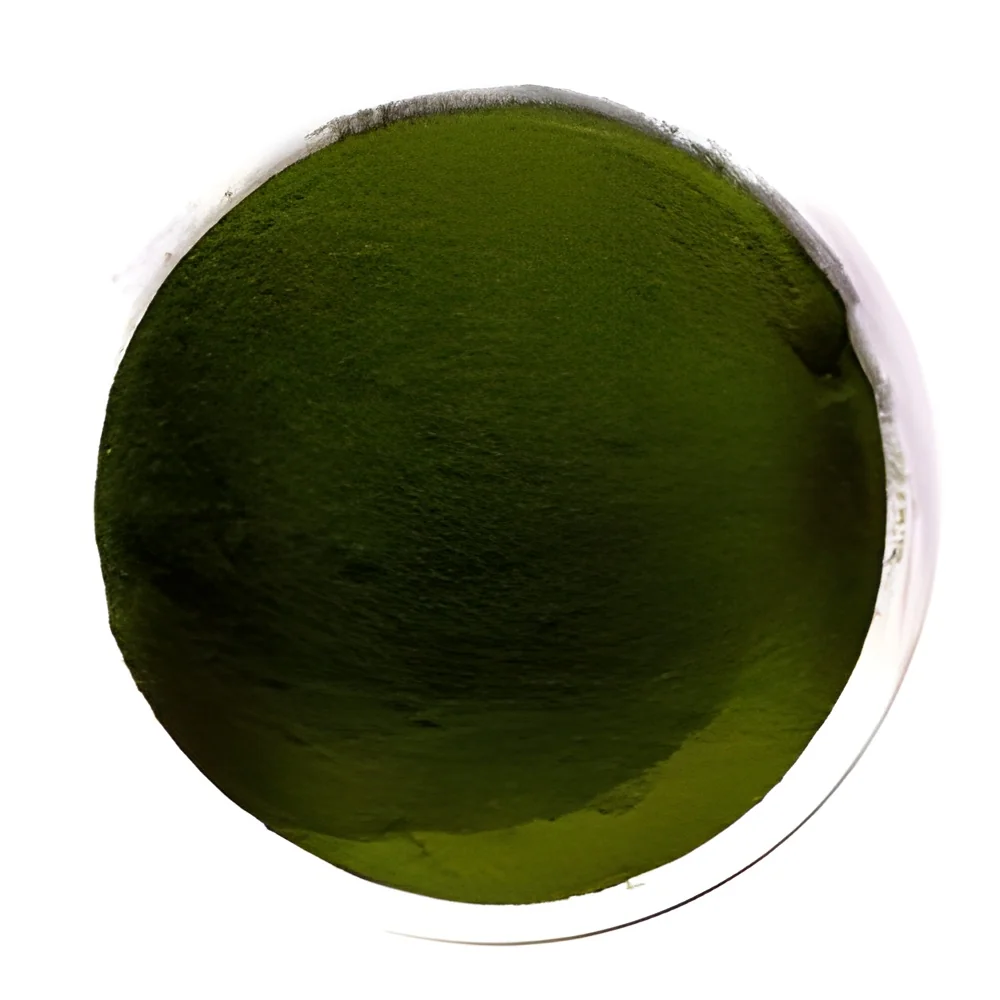
Natural Dyeing Services: This variant uses dyes derived from plants, minerals, or insects, providing a unique palette of colors that are biodegradable. It is ideal for companies aiming for a fully sustainable approach.
Low-Impact Dyeing Services: These services utilize synthetic dyes that have a reduced environmental impact compared to traditional dyes. They offer a broader range of colors while still adhering to eco-friendly practices.
Waterless Dyeing Technologies: Using advanced techniques that eliminate the need for water in the dyeing process, this variant significantly reduces water usage. It is suitable for businesses focused on conserving water resources.
𝗕𝗲𝗻𝗲𝗳𝗶𝘁𝘀 𝗮𝗻𝗱 𝗔𝗱𝘃𝗮𝗻𝘁𝗮𝗴𝗲𝘀
Choosing Eco-Friendly Dyeing Services brings several advantages to businesses looking to enhance their sustainability practices.
1. Environmental Impact Reduction: By utilizing eco-friendly processes and materials, businesses can significantly reduce their carbon footprint and environmental impact.
2. Enhanced Brand Reputation: Companies that adopt sustainable practices often see improved brand perception among consumers, leading to increased loyalty and market differentiation.
3. Compliance with Regulations: Utilizing eco-friendly dyeing services helps businesses meet growing regulatory demands for sustainability and environmental responsibility.
4. Consumer Demand Alignment: As consumers increasingly prefer sustainable products, offering eco-friendly dyed goods can tap into this growing market segment.
5. Innovation and Competitive Edge: Partnering with eco-friendly dyeing service providers can foster innovation in product development, giving businesses a competitive advantage.
6. Long-term Cost Savings: While the initial investment may be higher, eco-friendly practices can lead to long-term savings through reduced waste and energy efficiency.
𝗕𝘂𝘆𝗶𝗻𝗴 𝗚𝘂𝗶𝗱𝗲 𝗳𝗼𝗿 𝗕𝟮𝗕 𝗕𝘂𝘆𝗲𝗿𝘀
When sourcing Eco-Friendly Dyeing Services, it is crucial for businesses to consider several key factors to ensure they select the right provider.
1. Quality Assessment: Evaluate the quality of dyes and processes used by the service provider. Look for certifications that demonstrate adherence to industry standards.
2. Supplier Verification: Conduct thorough research to verify suppliers' credentials, ensuring they have a track record of reliability and sustainability.
3. Pricing and MOQ: Understand the pricing structure and minimum order quantities. Compare quotes from multiple suppliers to ensure competitive pricing without compromising quality.
4. Delivery and Lead Times: Assess the supplier's ability to meet required timelines for delivery. Timeliness is crucial in maintaining production schedules.
5. Compliance Requirements: Ensure that the service provider complies with relevant environmental regulations and standards. This will protect your business from potential legal issues.
𝗖𝗼𝗺𝗽𝗹𝗶𝗮𝗻𝗰𝗲 𝗮𝗻𝗱 𝗖𝗲𝗿𝘁𝗶𝗳𝗶𝗰𝗮𝘁𝗶𝗼𝗻𝘀
Eco-Friendly Dyeing Services must adhere to various compliance and certification standards to ensure quality and safety in production. Key certifications include CE, which indicates compliance with European health, safety, and environmental protection standards.
Additionally, quality standards such as ISO 9001 ensure that businesses maintain a consistent level of quality management. Compliance with HACCP (Hazard Analysis and Critical Control Points) is essential for ensuring that dyeing processes do not introduce contaminants.
Safety requirements dictate that materials used in dyeing must be free from harmful substances. Regular testing is necessary to verify this compliance.
Regional considerations may also play a significant role, as different countries have varying regulations regarding textile processing and environmental impact. Businesses should be aware of these differences to ensure full compliance.
𝗪𝗵𝘆 𝗦𝗼𝘂𝗿𝗰𝗲 𝗘𝗰𝗼-𝗙𝗿𝗶𝗲𝗻𝗱𝗹𝘆 𝗗𝘆𝗲𝗶𝗻𝗴 𝗦𝗲𝗿𝘃𝗶𝗰𝗲𝘀 𝗳𝗿𝗼𝗺 𝗣𝗲𝗽𝗮𝗴𝗼𝗿𝗮?
Pepagora provides a trusted platform for sourcing Eco-Friendly Dyeing Services, offering several key advantages for businesses seeking sustainable solutions.
Verified Supplier Network: Pepagora ensures that all suppliers within its network are thoroughly vetted, providing buyers with confidence in quality and reliability.
Streamlined RFQ Process: The platform simplifies the request for quotation process, allowing businesses to easily compare multiple suppliers and find the best pricing and terms.
Trade Assurance and Support: Pepagora offers buyer protection measures that help safeguard transactions, ensuring that businesses receive the products and services they expect.
Regional Coverage: With a strong presence in India, the Gulf Cooperation Council (GCC), and Southeast Asia, Pepagora connects businesses with a diverse range of suppliers, facilitating easy access to eco-friendly dyeing services across multiple regions.

 IN
IN