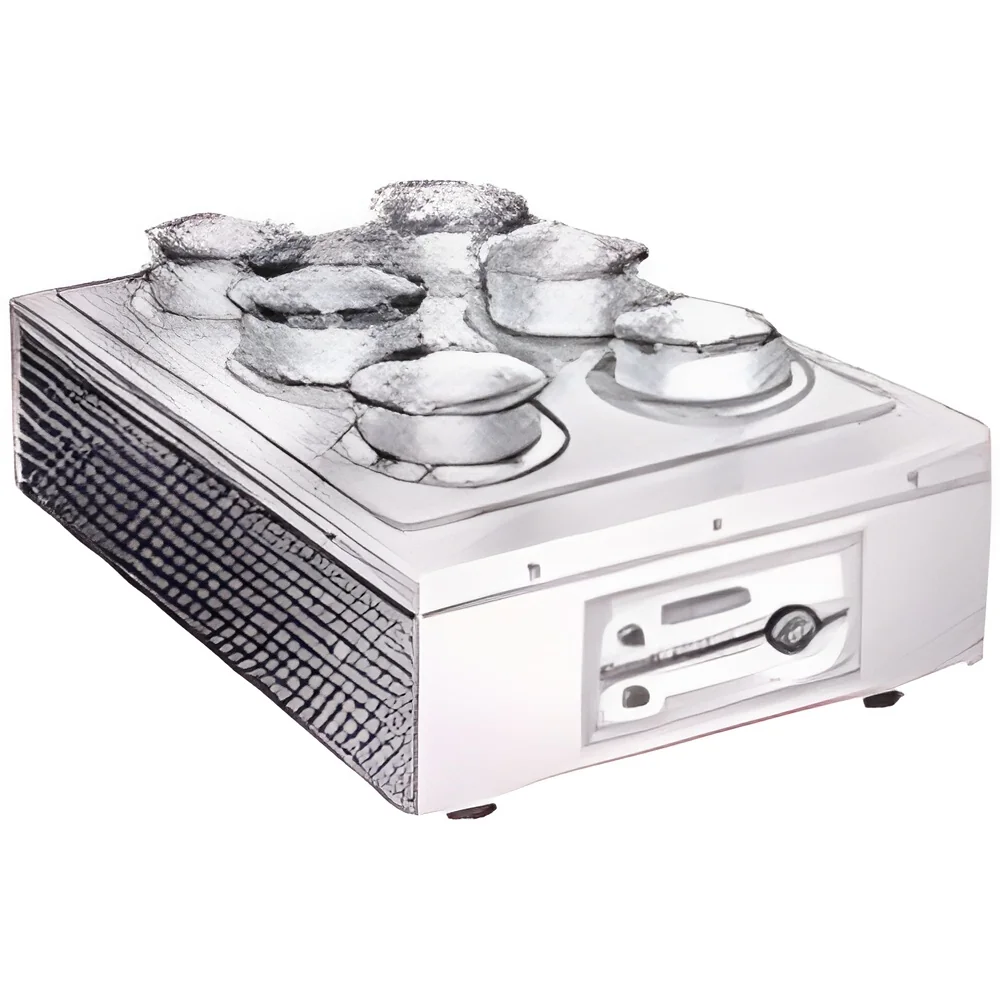
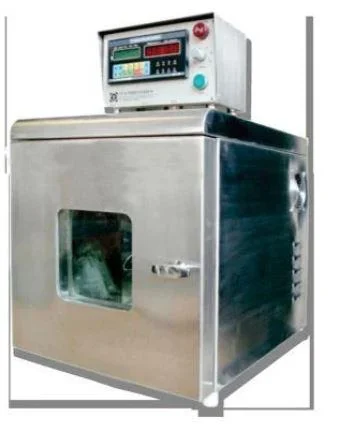
What are Garment Dyeing Units?
Garment dyeing units are specialized machines designed for dyeing finished garments rather than dyeing fabrics before they are made into clothing. This process allows for a more flexible approach to color application, enabling manufacturers to dye a variety of fabric types and styles post-production. The technology ensures that garments achieve uniform color distribution and vibrant shades, often enhancing the overall aesthetic appeal of the product.
These units are primarily used in the textile and fashion industries, where the demand for quick turnarounds and custom color options is high. Businesses benefit from the ability to react swiftly to market trends, customer preferences, and inventory management needs. The garment dyeing process also reduces waste, as it allows for smaller dye lots and minimizes leftover fabric, which is particularly advantageous in today’s environmentally conscious market.
The relevance of garment dyeing units in the industry is growing as brands seek sustainable practices and quick production cycles. With the rise of fast fashion and e-commerce, the ability to customize colors and styles efficiently has become a critical component of competitive advantage. As such, garment dyeing units play a vital role in modern textile manufacturing.
Key Features and Specifications
Garment dyeing units come equipped with various features that enhance their performance, efficiency, and usability. Understanding these specifications is essential for businesses looking to invest in such technology.
Key specifications include:
1. Dyeing Capacity
- This specification refers to the volume of garments that can be dyed in a single batch, typically ranging from small-scale units for local manufacturers to larger systems for industrial applications.
2. Temperature Control
- Maintaining optimal dyeing temperatures is crucial. Units often feature precise temperature control mechanisms, ensuring consistent dye uptake across different fabric types.
3. Water Consumption
- Efficient water usage is a priority. Modern units are designed to minimize water waste while still achieving high-quality dye results, which is important for sustainability.
4. Energy Efficiency
- Energy-efficient designs help reduce operational costs. Units may utilize advanced heating systems to lower energy consumption during the dyeing process.
5. Color Precision
- Advanced dyeing technology ensures accurate color matching and consistency, which is vital for maintaining brand identity and consumer satisfaction.
6. Automation Features
- Many units come with automated controls for monitoring and adjusting dyeing parameters, which enhances operational efficiency and reduces the risk of human error.
7. Maintenance Requirements
- Garment dyeing units are designed for easy maintenance, with user-friendly access to components that require regular servicing.
8. Safety Features
- These units are equipped with safety mechanisms to protect operators, including emergency shut-off systems and proper ventilation for handling chemicals.
In summary, garment dyeing units offer a range of features that cater to the diverse needs of the textile industry, making them a valuable investment for manufacturers.
Common Applications and Use Cases
Garment dyeing units serve various industries, providing flexibility and efficiency in color application.
1. Fashion Industry: In the fashion sector, these units allow brands to quickly adapt to changing trends by dyeing garments in small batches. This capability supports limited edition collections and customizations for customers.
2. Sportswear: Athletic apparel manufacturers utilize garment dyeing for vibrant colors and designs that appeal to consumers. The ability to dye finished products helps in creating visually striking sportswear.
3. Home Textiles: Companies producing home textiles such as curtains, cushions, and bed linens often employ garment dyeing units to achieve specific shades that match interior design themes.
4. Workwear: Manufacturers of workwear benefit from the ability to dye garments in bulk, catering to specific color codes or branding needs for corporate clients.
5. Eco-Friendly Brands: Sustainable fashion labels use garment dyeing units to reduce waste, as they can dye leftover garments rather than discarding them.
6. Children's Clothing: The children's apparel market often requires bright and playful colors. Garment dyeing units allow for quick changes in color based on seasonal trends or customer requests.
7. Textile Rental Services: Companies that rent out garments can use these units to refresh the colors of their inventory, ensuring that items remain appealing to customers.
Product Variants and Subcategories
Garment dyeing units come in various designs and configurations to accommodate different operational needs.
Continuous Dyeing Units: These units are designed for high-volume operations, allowing for a nonstop dyeing process. They are ideal for larger manufacturers focused on efficiency and speed.
Batch Dyeing Units: Suitable for smaller operations, batch dyeing units allow for flexibility in dye colors and smaller runs. This variant is perfect for custom orders and limited production runs.
Portable Dyeing Units: These compact systems can be moved easily, making them suitable for smaller facilities or businesses that require mobility. They provide the essential features of larger units but in a more accessible format.
Benefits and Advantages
Investing in garment dyeing units offers numerous advantages for manufacturers.
1. Customization Flexibility: These units allow businesses to respond quickly to customer demands for specific colors or styles, providing a competitive edge in the market.
2. Reduced Waste: By dyeing finished garments, companies minimize fabric waste, aligning with sustainable practices and reducing costs associated with excess inventory.
3. Shorter Lead Times: The ability to dye garments post-production significantly shortens lead times, enhancing responsiveness to market trends.
4. Quality Control: Garment dyeing units offer precise control over the dyeing process, ensuring consistent quality and color accuracy across all products.
5. Cost Efficiency: While initial investment may be substantial, the long-term savings from reduced water usage and energy efficiency can lead to lower operational costs.
6. Enhanced Brand Identity: The ability to produce unique colorways helps brands establish a distinctive market presence, appealing to consumers looking for individual expression in their clothing choices.
Buying Guide for B2B Buyers
When sourcing garment dyeing units, several factors should be carefully considered to make informed purchasing decisions.
1. Quality Assessment: Evaluate the quality of materials and components used in the construction of the dyeing units. Look for units that comply with industry standards and have a good reputation for durability.
2. Supplier Verification: It is critical to vet suppliers to ensure they have a proven track record in the industry. Research their experience, client feedback, and any certifications they may hold.
3. Pricing and MOQ: Understand the pricing structure and minimum order quantities required by suppliers. This information is essential for budgeting and ensuring that the investment aligns with production needs.
4. Delivery and Lead Times: Inquire about logistics, including delivery timelines and shipping options. Ensure that suppliers can meet your operational demands without delays.
5. Compliance Requirements: Be aware of any regulatory compliance needed for garment dyeing units, including environmental standards and safety regulations relevant to your region.
Compliance and Certifications
Garment dyeing units must adhere to various industry standards and certifications to ensure quality and safety.
ISO 9001 is a widely recognized standard that focuses on quality management systems. Ensuring that suppliers meet this standard can help guarantee the consistent quality of dyeing units.
CE certification indicates that the product complies with European safety, health, and environmental protection standards. This certification can enhance the credibility of the units in international markets.
Safety and testing requirements are also critical, as garment dyeing involves chemicals that must be handled correctly. Units should be designed with safety features to protect operators and minimize environmental impact.
Regional compliance considerations are essential, particularly in areas with strict environmental regulations. Ensure that the units sourced comply with local laws and standards to avoid legal issues.
Why Source Garment Dyeing Units from Pepagora?
Pepagora provides a trusted platform for sourcing garment dyeing units, offering several key advantages to buyers.
Verified Supplier Network: Pepagora has established a thorough verification process for suppliers, ensuring that buyers connect with reputable manufacturers. This network enhances the reliability of sourcing decisions.
Streamlined RFQ Process: The request for quotation (RFQ) system simplifies the process of obtaining pricing and specifications from multiple suppliers. This efficiency saves time and enables better comparison of options.
Trade Assurance and Support: Pepagora offers trade assurance, providing buyers with added protection during transactions. This support ensures that investments are safeguarded against potential issues.
Regional Coverage: With a strong presence in India, the GCC, and Southeast Asia, Pepagora facilitates access to a diverse range of suppliers. This regional reach enables buyers to find suitable options that align with their specific market needs.

 IN
IN