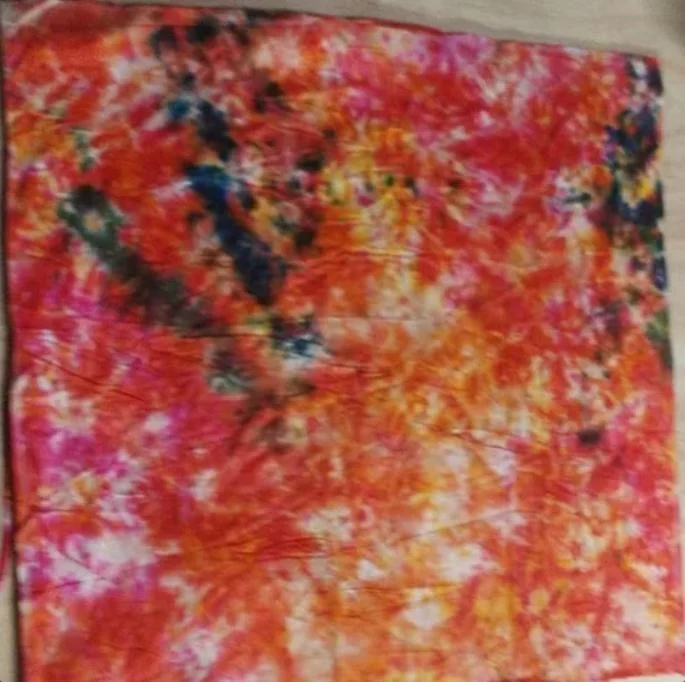
What are Tie & Dye Units?
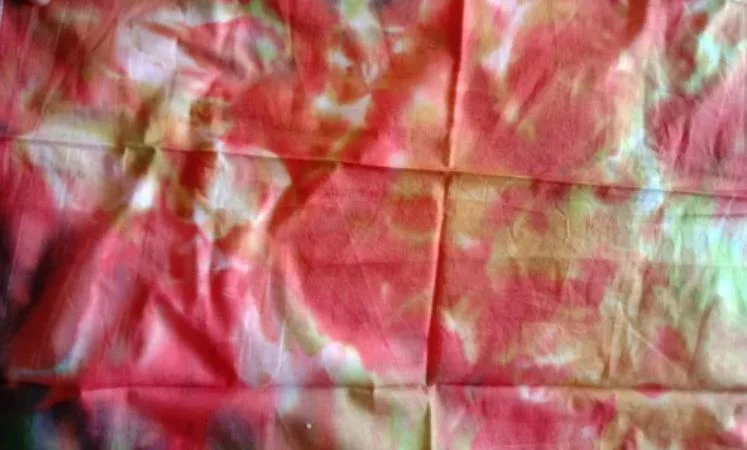
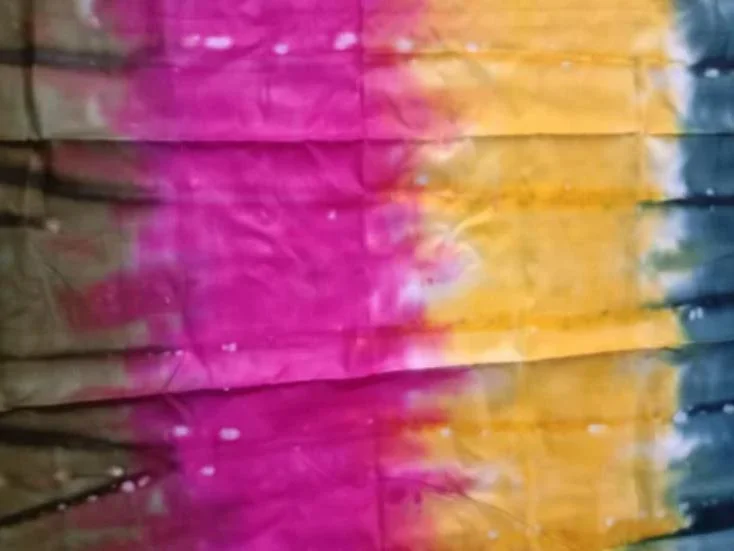
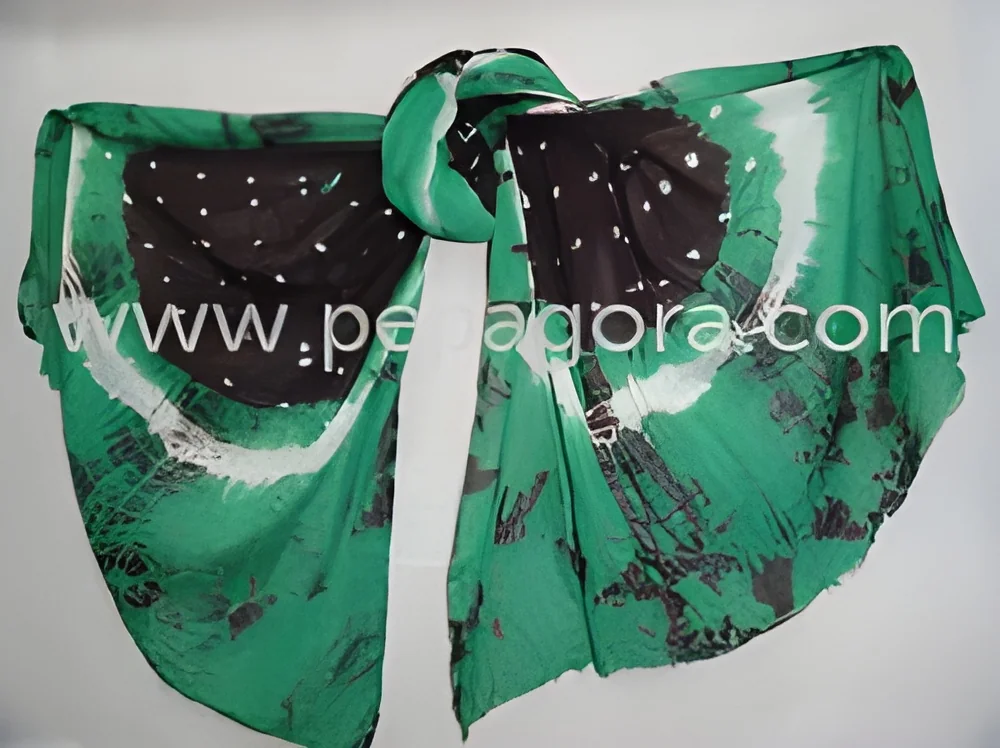
Tie and dye units are specialized machines used in the textile industry to create intricate patterns on fabric through a dyeing technique. This process involves tying sections of fabric to resist dye, resulting in unique and colorful patterns. Tie and dye units automate this process, ensuring consistency, efficiency, and precision in dye application. They can handle various types of fabrics, making them versatile tools in textile production.
These units are primarily used in the fashion and home textile industries. Manufacturers utilize tie and dye units to produce garments, accessories, and home decor items with distinct designs. Businesses benefit from the ability to offer customized products to meet consumer demand for unique styles. As the market for personalized fashion continues to grow, the relevance of tie and dye units in production processes becomes increasingly significant.
The global textile market is evolving, with a rising trend toward sustainable and eco-friendly practices. Tie and dye units align with these trends by allowing manufacturers to use natural dyes and materials. This positions them favorably within the industry, catering to a market that values both creativity and environmental responsibility.
Key Features and Specifications
Tie and dye units are designed with several key features that enhance their functionality and efficiency. Understanding these specifications helps buyers choose the right equipment for their needs.
Key specifications include:
1. Fabric Compatibility
- Able to work with various fabric types, including cotton, silk, and synthetic materials.
- Ensures versatility in production.
2. Dye Application Method
- Utilizes both manual and automatic dye application options.
- Allows for customization based on the desired pattern complexity.
3. Control Systems
- Equipped with digital control systems for precise dye application.
- Offers adjustable settings for different dyeing styles and techniques.
4. Production Capacity
- Varies based on unit size, ranging from small batch to large-scale production.
- Suitable for both small businesses and large textile manufacturers.
5. Ease of Operation
- User-friendly interfaces that simplify operation and reduce training time.
- Includes safety features to protect operators during use.
6. Maintenance Requirements
- Designed for easy cleaning and maintenance.
- Regular maintenance schedules help prolong the unit's lifespan.
7. Energy Efficiency
- Many units are built with energy-saving features to reduce operational costs.
- Compliance with environmental standards is often a priority.
The features of tie and dye units ensure that manufacturers can achieve high-quality results while optimizing production efficiency.
Common Applications and Use Cases
Tie and dye units find applications across various industries due to their ability to produce vibrant and unique patterns.
1. Fashion Industry: Tie and dye units are widely used in clothing production, enabling designers to create distinctive garments that stand out in the market. The ability to customize designs helps brands cater to specific consumer preferences.
2. Home Textiles: These units are also employed in producing home decor items such as curtains, cushions, and table linens. The artistic patterns created by tie and dye enhance the aesthetic appeal of everyday items.
3. Craft and Hobby: Small businesses and artisans utilize tie and dye units for handmade products. This allows for creative expression and the ability to offer one-of-a-kind items to customers.
4. Sportswear: The sportswear industry benefits from tie and dye techniques to produce bold and energetic designs on activewear, attracting younger consumers interested in unique fashion.
5. Education: Textile schools and workshops use tie and dye units for teaching purposes, allowing students to learn traditional dyeing techniques while gaining hands-on experience with modern machinery.
6. Event Decorations: Event planners use tie and dye units to create custom decorations for special occasions, like weddings and festivals, providing personalized touches that enhance the overall theme.
7. Eco-Friendly Fashion: With a growing trend towards sustainability, tie and dye units can be used to apply natural dyes, appealing to environmentally conscious consumers.
Product Variants and Subcategories
Tie and dye units come in various designs to accommodate different production needs. While specific subcategories are not available, the diversity in features allows for tailored solutions.
Manual Tie & Dye Unit
This variant is ideal for small-scale operations where customization is key. Operators can control the dyeing process directly, resulting in unique patterns. It is perfect for artisans and craft businesses focusing on bespoke products.
Automatic Tie & Dye Unit
Designed for larger production runs, this variant automates the dyeing process. It offers precision and consistency, making it suitable for manufacturers looking to scale their operations while maintaining quality.
Semi-Automatic Tie & Dye Unit
This variant strikes a balance between manual and automatic units. It allows operators to oversee the process while benefiting from automated features, ensuring efficiency in production without sacrificing creativity.
Benefits and Advantages
Investing in tie and dye units provides several key advantages for businesses.
1. Increased Efficiency: Automation speeds up the dyeing process, allowing manufacturers to produce more items in less time.
2. Customization Capability: Businesses can create unique patterns to differentiate their products in a competitive market, catering to specific consumer demands.
3. Consistent Quality: Advanced control systems ensure uniform dye application, resulting in high-quality finished products.
4. Versatility: The ability to work with various fabrics and dye types makes tie and dye units suitable for diverse applications across industries.
5. Reduced Labor Costs: Automation reduces the need for manual labor, which can lead to significant cost savings over time.
6. Eco-Friendly Options: Many units support the use of natural dyes, aligning with sustainability goals and appealing to environmentally conscious consumers.
Buying Guide for B2B Buyers
When sourcing tie and dye units, businesses should consider several important factors to ensure they select the right equipment.
1. Quality Assessment: Evaluate the quality of the units based on build materials, durability, and performance reviews. Higher quality units typically lead to better long-term results.
2. Supplier Verification: Verify the credibility of suppliers by checking their history, customer reviews, and compliance with industry standards. Reliable suppliers are crucial for ensuring product quality.
3. Pricing and MOQ: Understand the pricing structure and minimum order quantities (MOQ) to align with your budget and production needs. Be aware of potential discounts for bulk orders.
4. Delivery and Lead Times: Inquire about delivery schedules and lead times to ensure that the units can be acquired in a timely manner, especially if production timelines are tight.
5. Compliance Requirements: Familiarize yourself with relevant regulatory compliance standards to ensure that the units meet industry safety and environmental requirements.
Compliance and Certifications
Compliance with industry standards is critical for the safe and effective operation of tie and dye units. Key quality standards include ISO 9001, which ensures that manufacturing processes meet international quality management guidelines.
Additionally, certifications such as CE indicate that the products comply with European health, safety, and environmental protection standards. These certifications assure buyers of the safety and reliability of the units they are purchasing.
Safety and testing requirements are also essential to consider. Manufacturers should provide documentation proving that their units have undergone rigorous testing to meet safety standards.
Regional compliance considerations may vary, so it is essential for buyers to understand the specific regulations applicable in their area. Ensuring all compliance and certification requirements are met protects both manufacturers and end-users.
Why Source Tie & Dye Units from Pepagora?
Pepagora offers a reliable platform for sourcing tie and dye units, providing several key advantages for B2B buyers.
Verified Supplier Network: Pepagora works with a network of verified suppliers, ensuring that buyers can trust the quality and reliability of the products offered. This verification process helps minimize risks associated with sourcing equipment.
Streamlined RFQ Process: The platform facilitates a straightforward Request for Quotation (RFQ) process, allowing buyers to easily compare prices and specifications from multiple suppliers. This efficiency saves time and aids in making informed purchasing decisions.
Trade Assurance and Support: Pepagora provides trade assurance, ensuring that buyers are protected throughout their transaction. This support includes assistance with any disputes or issues that may arise, giving buyers peace of mind.
Regional Coverage: With a focus on markets in India, the Gulf Cooperation Council (GCC), and Southeast Asia, Pepagora offers extensive regional coverage. This allows buyers to access a diverse range of suppliers and products tailored to their specific needs.
Choosing Pepagora for tie and dye units ensures a comprehensive and secure sourcing experience that meets the demands of modern textile production.

 IN
IN