𝗪𝗵𝗮𝘁 𝗮𝗿𝗲 𝗗𝗶𝗴𝗶𝘁𝗮𝗹 𝗧𝗲𝘅𝘁𝗶𝗹𝗲 𝗣𝗿𝗶𝗻𝘁𝗶𝗻𝗴 𝗨𝗻𝗶𝘁𝘀?
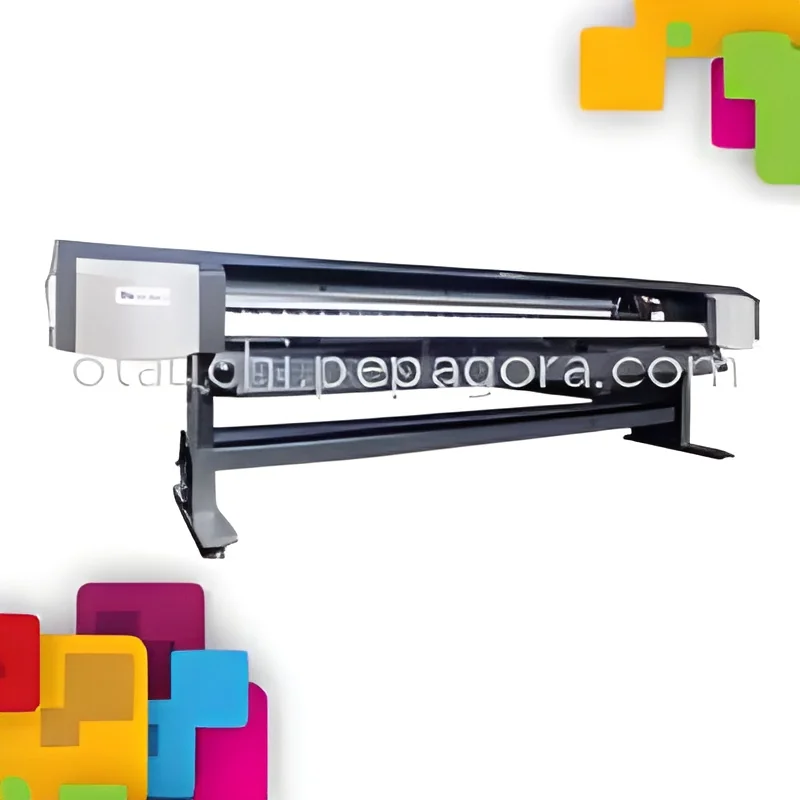
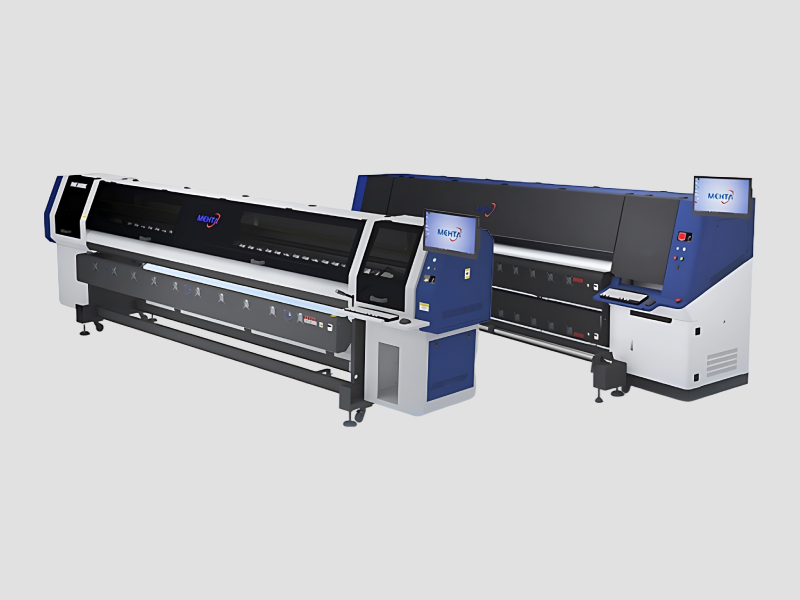
Digital Textile Printing Units are advanced machines used to print designs directly onto fabric using digital technology. This process allows for high-resolution prints with intricate details, vibrant colors, and the capability to produce complex patterns. Unlike traditional printing methods, digital textile printing offers flexibility and efficiency, making it an attractive option for manufacturers and designers.
These units have become essential in various business applications, including fashion, interior design, and promotional products. They enable quick turnaround times and customization, allowing businesses to respond effectively to market demands. The ability to print on various fabrics, including cotton, polyester, and blends, further enhances their utility across industries.
In the current market context, digital textile printing is rapidly growing due to the increasing demand for personalized and sustainable fabric solutions. As industries shift towards more eco-friendly practices, the ability to print on demand reduces waste and inventory costs, reinforcing the relevance of digital textile printing units in today's manufacturing landscape.
𝗞𝗲𝘆 𝗙𝗲𝗮𝘁𝘂𝗿𝗲𝘀 𝗮𝗻𝗱 𝗦𝗽𝗲𝗰𝗶𝗳𝗶𝗰𝗮𝘁𝗶𝗼𝗻𝘀
Digital Textile Printing Units are equipped with several key features that enhance their performance and usability. Understanding these specifications is crucial for businesses looking to invest in this technology.
Key specifications include:
1. Print Resolution
- Typically ranges from 720 to 1440 DPI
- Allows for detailed and sharp imaging
2. Print Speed
- Speeds can vary from 10 to 150 square meters per hour
- Affects production efficiency and turnaround times
3. Ink Type
- Utilizes reactive, pigment, or sublimation inks
- Each ink type offers unique benefits for different fabrics
4. Fabric Compatibility
- Supports a variety of textiles including cotton, silk, and synthetic materials
- Enables versatility in applications
5. Color Management
- Features advanced color matching systems
- Ensures consistent and accurate color reproduction
6. Software Integration
- Compatible with various design software platforms
- Facilitates seamless workflow from design to production
7. Maintenance Features
- Includes automated cleaning systems
- Reduces downtime and maintenance efforts
8. Energy Efficiency
- Designed to minimize energy consumption
- Supports sustainability initiatives in production
In summary, selecting a Digital Textile Printing Unit involves understanding these key features and specifications to ensure it meets business needs and production requirements.
𝗖𝗼𝗺𝗺𝗼𝗻 𝗔𝗽𝗽𝗹𝗶𝗰𝗮𝘁𝗶𝗼𝗻𝘀 𝗮𝗻𝗱 𝗨𝘀𝗲 𝗖𝗮𝘀𝗲𝘀
Digital Textile Printing Units serve various industries with distinct applications.
1. Fashion Industry: Digital textile printing allows fashion designers to create unique, custom designs for clothing lines, enabling rapid prototyping and seasonal collections.
2. Home Decor: Businesses in the home textile sector utilize these units to print patterns for curtains, upholstery, and bed linens, offering consumers personalized home styling options.
3. Promotional Products: Companies producing promotional items can print logos and designs on various fabric goods, such as tote bags and apparel, enhancing brand visibility.
4. Sportswear: Manufacturers of activewear use digital printing to create vibrant patterns and sponsor logos on jerseys, ensuring high-quality finishes that withstand wear.
5. Upholstery: The furniture industry employs digital textile printing to customize fabric for sofas and chairs, allowing for unique designs that match consumer preferences.
6. Signage: Digital textile printing is also used for creating banners and flags, providing bright, eye-catching displays for events and promotions.
7. Automotive: Some automotive manufacturers use digital printing for custom seat covers and interior fabric designs, enhancing vehicle aesthetics.
𝗣𝗿𝗼𝗱𝘂𝗰𝘁 𝗩𝗮𝗿𝗶𝗮𝗻𝘁𝘀 𝗮𝗻𝗱 𝗦𝘂𝗯𝗰𝗮𝘁𝗲𝗴𝗼𝗿𝗶𝗲𝘀
Digital Textile Printing Units come in various models to cater to different business needs.
Eco-Solvent Printers: These printers use eco-solvent inks, making them suitable for outdoor signage and banners. They offer durability and vibrant colors while being more environmentally friendly.
Dye-Sublimation Printers: Ideal for producing high-quality prints on polyester and synthetic fabrics, these printers are commonly used in the fashion and sportswear industries.
Direct-to-Garment (DTG) Printers: DTG printers are designed for printing directly onto garments, allowing for detailed designs and color accuracy. They are popular among small businesses and custom apparel shops.
𝗕𝗲𝗻𝗲𝗳𝗶𝘁𝘀 𝗮𝗻𝗱 𝗔𝗱𝘃𝗮𝗻𝘁𝗮𝗴𝗲𝘀
Investing in Digital Textile Printing Units offers several key benefits for businesses.
1. Customization: These units enable businesses to produce personalized designs, catering to customer preferences and trends.
2. Reduced Waste: Digital printing allows for on-demand production, minimizing excess inventory and reducing waste.
3. Quick Turnaround: The ability to print quickly meets consumer demands for faster delivery and responsiveness.
4. High-Quality Output: Digital printing provides superior image quality and color vibrancy, enhancing the overall product appeal.
5. Versatility: These units can print on various fabrics, expanding the range of products businesses can offer.
6. Cost-Effectiveness: Although initial investments may be higher, digital printing can lower long-term costs through reduced labor, materials, and waste.
𝗕𝘂𝘆𝗶𝗻𝗴 𝗚𝘂𝗶𝗱𝗲 𝗳𝗼𝗿 𝗕𝟮𝗕 𝗕𝘂𝘆𝗲𝗿𝘀
When sourcing Digital Textile Printing Units, several factors should be considered to ensure the right fit for your business.
1. Quality Assessment: Evaluate the quality of prints produced by the units, including resolution, color accuracy, and fabric compatibility. Request samples to verify performance.
2. Supplier Verification: Vet suppliers thoroughly to ensure they have a good reputation and reliable after-sales support. Look for customer reviews and testimonials.
3. Pricing and MOQ: Understand the pricing structure and minimum order quantities (MOQ) required by suppliers. This helps in budgeting and managing production needs.
4. Delivery and Lead Times: Discuss delivery schedules and lead times with suppliers to ensure timely procurement and production.
5. Compliance Requirements: Consider regulatory compliance and certifications needed for your industry, such as safety standards and eco-friendly practices.
𝗖𝗼𝗺𝗽𝗹𝗶𝗮𝗻𝗰𝗲 𝗮𝗻𝗱 𝗖𝗲𝗿𝘁𝗶𝗳𝗶𝗰𝗮𝘁𝗶𝗼𝗻𝘀
Digital Textile Printing Units must adhere to several quality standards and certifications to ensure product reliability and safety.
ISO 9001 is a widely recognized standard that demonstrates a commitment to quality management systems. Compliance with this standard is essential for manufacturers aiming to maintain high-quality output.
CE certification indicates that a product meets EU safety, health, and environmental requirements. This certification is vital for businesses exporting to European markets.
Safety testing is crucial to ensure that the equipment operates without hazards to users. Regular compliance checks help maintain operational safety.
Regional compliance considerations might vary, and businesses should be aware of local regulations regarding manufacturing practices and environmental standards.
𝗪𝗵𝘆 𝗦𝗼𝘂𝗿𝗰𝗲 𝗗𝗶𝗴𝗶𝘁𝗮𝗹 𝗧𝗲𝘅𝘁𝗶𝗹𝗲 𝗣𝗿𝗶𝗻𝘁𝗶𝗻𝗴 𝗨𝗻𝗶𝘁𝘀 𝗳𝗿𝗼𝗺 𝗣𝗲𝗽𝗮𝗴𝗼𝗿𝗮?
Pepagora provides a trusted platform for sourcing Digital Textile Printing Units, offering numerous advantages to buyers.
Verified Supplier Network: Pepagora partners with verified suppliers, ensuring that buyers can access high-quality products from reputable manufacturers. This reduces the risk of subpar equipment.
Streamlined RFQ Process: The platform features a user-friendly request for quotation (RFQ) system, enabling buyers to receive competitive offers from multiple suppliers efficiently.
Trade Assurance and Support: Pepagora offers trade assurance, protecting buyers from potential transaction risks. Dedicated support teams assist throughout the purchasing process.
Regional Coverage: With a strong presence in India, the GCC, and Southeast Asia, Pepagora connects buyers with suppliers across these regions, facilitating easier sourcing and logistics.

 IN
IN