
 IN
Communication Equipment
318 products available
𝗪𝗵𝗮𝘁 𝗮𝗿𝗲 𝗖𝗼𝗺𝗺𝘂𝗻𝗶𝗰𝗮𝘁𝗶𝗼𝗻 𝗘𝗾𝘂𝗶𝗽𝗺𝗲𝗻𝘁?
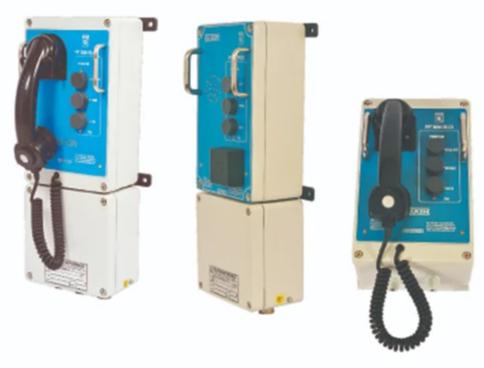
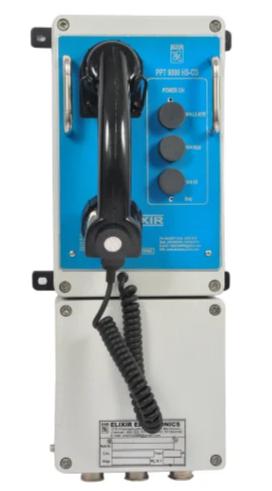
Communication equipment refers to a wide range of devices and technologies that facilitate the transmission of information over distances. This includes both wired and wireless systems that enable voice, data, and video communication. Examples include telephones, radios, intercom systems, and internet-based communication tools. These devices are integral to effective communication in various settings, such as offices, manufacturing facilities, and emergency services.
The primary uses of communication equipment extend across multiple sectors, including business, public safety, and transportation. In business environments, these tools enhance collaboration and information exchange among teams. In public safety, communication equipment is crucial for swift response and coordination during emergencies. The market for communication equipment is evolving, driven by advancements in technology, increased connectivity needs, and the growing demand for integrated communication solutions.
As industries continue to rely heavily on effective communication, the relevance of communication equipment remains significant. From enhancing operational efficiency to ensuring safety, these tools play a pivotal role in the modern economy. The global market for communication equipment is robust, with a continual push for innovative solutions that meet the demands of various sectors.
𝗞𝗲𝘆 𝗙𝗲𝗮𝘁𝘂𝗿𝗲𝘀 𝗮𝗻𝗱 𝗦𝗽𝗲𝗰𝗶𝗳𝗶𝗰𝗮𝘁𝗶𝗼𝗻𝘀
Communication equipment comes equipped with several key features that enhance its functionality and reliability. These specifications ensure the devices meet the diverse needs of businesses and industries.
Key specifications include:
1. Connectivity Options
- Multiple options such as wired (Ethernet, fiber optics) and wireless (Wi-Fi, Bluetooth)
- Compatibility with various networks and devices
2. Frequency Range
- Specific frequency bands for wireless communication
- Ensures effective signal transmission and reception
3. Voice Clarity
- Advanced noise cancellation for clear audio
- High-definition voice technologies for improved communication quality
4. Durability
- Designed to withstand harsh environments
- Resistance to moisture, dust, and extreme temperatures
5. Security Features
- Encryption for secure data transmission
- User authentication measures to prevent unauthorized access
6. User Interface
- Intuitive controls and displays for easy operation
- Customizable settings to suit user preferences
7. Power Supply
- Options for battery backup and energy-efficient operation
- Adaptability to different power sources
8. Compliance Standards
- Adherence to industry regulations such as CE certification
- Assurance of quality and safety in operation
In summary, communication equipment boasts a range of features and specifications that enhance its performance, making it suitable for various business applications.
𝗖𝗼𝗺𝗺𝗼𝗻 𝗔𝗽𝗽𝗹𝗶𝗰𝗮𝘁𝗶𝗼𝗻𝘀 𝗮𝗻𝗱 𝗨𝘀𝗲 𝗖𝗮𝘀𝗲𝘀
Communication equipment finds applications across numerous industries, each with unique requirements and use cases.
1. Telecommunications: This industry utilizes communication equipment for voice and data transmission, enabling connectivity for both personal and business communications.
2. Healthcare: Hospitals and clinics rely on communication tools for patient monitoring and coordination among healthcare providers, ensuring timely responses in critical situations.
3. Manufacturing: Communication systems facilitate real-time communication on the production floor, enhancing efficiency and safety during operations.
4. Public Safety: Emergency services utilize communication equipment for dispatch and coordination, allowing for rapid response to incidents and crises.
5. Transportation: This sector employs communication devices for fleet management, ensuring effective coordination and tracking of vehicles.
6. Education: Schools and universities use communication equipment to enhance learning environments through better connectivity among students and educators.
7. Retail: Retail businesses utilize communication tools for inventory management and customer service, improving overall operational efficiency.
𝗣𝗿𝗼𝗱𝘂𝗰𝘁 𝗩𝗮𝗿𝗶𝗮𝗻𝘁𝘀 𝗮𝗻𝗱 𝗦𝘂𝗯𝗰𝗮𝘁𝗲𝗴𝗼𝗿𝗶𝗲𝘀
Communication equipment is diverse, with various product variants designed to meet specific industry needs.
Wireless Communication Devices
These devices provide flexibility and mobility, allowing users to communicate without the constraints of wires. They are ideal for environments where mobility is essential, such as warehouses and outdoor events.
Intercom Systems
Intercoms enable direct communication between individuals in different areas of a facility. They are commonly used in offices, schools, and residential buildings for quick and effective communication.
VoIP Systems
Voice over Internet Protocol (VoIP) systems convert voice communication into digital data, allowing for cost-effective calls over the internet. They are widely used in businesses to enhance communication capabilities.
Two-Way Radios
These handheld devices offer instant communication over short distances. They are essential in industries such as construction and security, providing reliable communication in environments where traditional phone systems may not function effectively.
𝗕𝗲𝗻𝗲𝗳𝗶𝘁𝘀 𝗮𝗻𝗱 𝗔𝗱𝘃𝗮𝗻𝘁𝗮𝗴𝗲𝘀
Investing in communication equipment brings multiple benefits to businesses, enhancing their operational capabilities.
1. Enhanced Collaboration: Communication tools facilitate seamless interaction among team members, fostering collaboration and improving productivity.
2. Increased Efficiency: By streamlining communication processes, businesses can reduce response times and improve decision-making.
3. Cost Savings: Effective communication equipment can lead to lower operational costs by reducing the need for travel and improving resource management.
4. Improved Safety: Reliable communication systems are critical in emergency situations, ensuring quick responses and coordination among teams.
5. Flexibility and Scalability: Communication equipment can be easily scaled to meet growing business needs, allowing for adaptation to changing environments.
6. Better Customer Service: Enhanced communication leads to improved customer interactions, resulting in higher satisfaction rates.
𝗕𝘂𝘆𝗶𝗻𝗴 𝗚𝘂𝗶𝗱𝗲 𝗳𝗼𝗿 𝗕𝟮𝗕 𝗕𝘂𝘆𝗲𝗿𝘀
When sourcing communication equipment, B2B buyers should consider several critical factors to ensure that their investment meets operational needs.
1. Quality Assessment: Evaluate the quality of communication equipment by checking for industry certifications and user reviews. High-quality devices typically offer better performance and durability.
2. Supplier Verification: Conduct thorough research on potential suppliers. Verify their reputation, reliability, and the quality of the equipment they provide to ensure you are sourcing from a trusted partner.
3. Pricing and MOQ: Understand the pricing structure and minimum order quantity (MOQ) set by suppliers. This helps in budgeting and ensures that you can meet your operational requirements without overspending.
4. Delivery and Lead Times: Consider the logistics involved in sourcing communication equipment. Assess the lead times for delivery to ensure that products arrive when needed to avoid disruptions.
5. Compliance Requirements: Be aware of any regulatory requirements that apply to communication equipment in your industry. Ensuring compliance with local and international standards is crucial for operational legality and safety.
𝗖𝗼𝗺𝗽𝗹𝗶𝗮𝗻𝗰𝗲 𝗮𝗻𝗱 𝗖𝗲𝗿𝘁𝗶𝗳𝗶𝗰𝗮𝘁𝗶𝗼𝗻𝘀
Compliance and certifications play a vital role in the communication equipment industry, ensuring that products meet established safety and quality standards.
Relevant quality standards, such as ISO 9001, focus on quality management systems that ensure continuous improvement and customer satisfaction. These standards help manufacturers maintain consistency in product quality.
Industry certifications, such as CE marking, indicate that the equipment meets European safety, health, and environmental protection standards. Compliance with these certifications is essential for market acceptance and regulatory adherence.
Safety and testing requirements also govern the design and manufacture of communication equipment. Rigorous testing ensures that devices operate safely under various conditions, minimizing risks associated with malfunction or failure.
Regional compliance considerations may vary based on local regulations and market expectations. Understanding these requirements is essential for businesses looking to source communication equipment globally.
𝗪𝗵𝘆 𝗦𝗼𝘂𝗿𝗰𝗲 𝗖𝗼𝗺𝗺𝘂𝗻𝗶𝗰𝗮𝘁𝗶𝗼𝗻 𝗘𝗾𝘂𝗶𝗽𝗺𝗲𝗻𝘁 𝗳𝗿𝗼𝗺 𝗣𝗲𝗽𝗮𝗴𝗼𝗿𝗮?
Pepagora offers a trusted platform for sourcing communication equipment, providing several key advantages that cater to B2B buyers.
Verified Supplier Network: Pepagora connects buyers with a network of verified suppliers, ensuring that businesses can source high-quality communication equipment from reputable manufacturers. This reduces the risk of subpar products and enhances buyer confidence.
Streamlined RFQ Process: The platform features an efficient Request for Quotation (RFQ) system that simplifies the process of obtaining quotes from multiple suppliers. This saves time and allows buyers to compare options easily.
Trade Assurance and Support: Pepagora provides trade assurance, protecting buyers from potential risks associated with transactions. This includes support for resolving disputes and ensuring that equipment meets specified standards.
Regional Coverage: With a strong presence in regions like India, the Gulf Cooperation Council (GCC), and Southeast Asia, Pepagora facilitates access to a diverse range of communication equipment tailored to the needs of different markets.
In conclusion, sourcing communication equipment through Pepagora offers businesses a reliable, efficient, and secure way to enhance their communication capabilities, ultimately leading to improved operational performance and customer satisfaction.




Frequently Asked Questions
What are Communication Equipment?
Communication Equipment refers to devices and systems that facilitate communication between individuals or groups. This includes telecommunication devices, networking equipment, and broadcasting tools that enable the transmission of information over distances.
What are the different types of Communication Equipment?
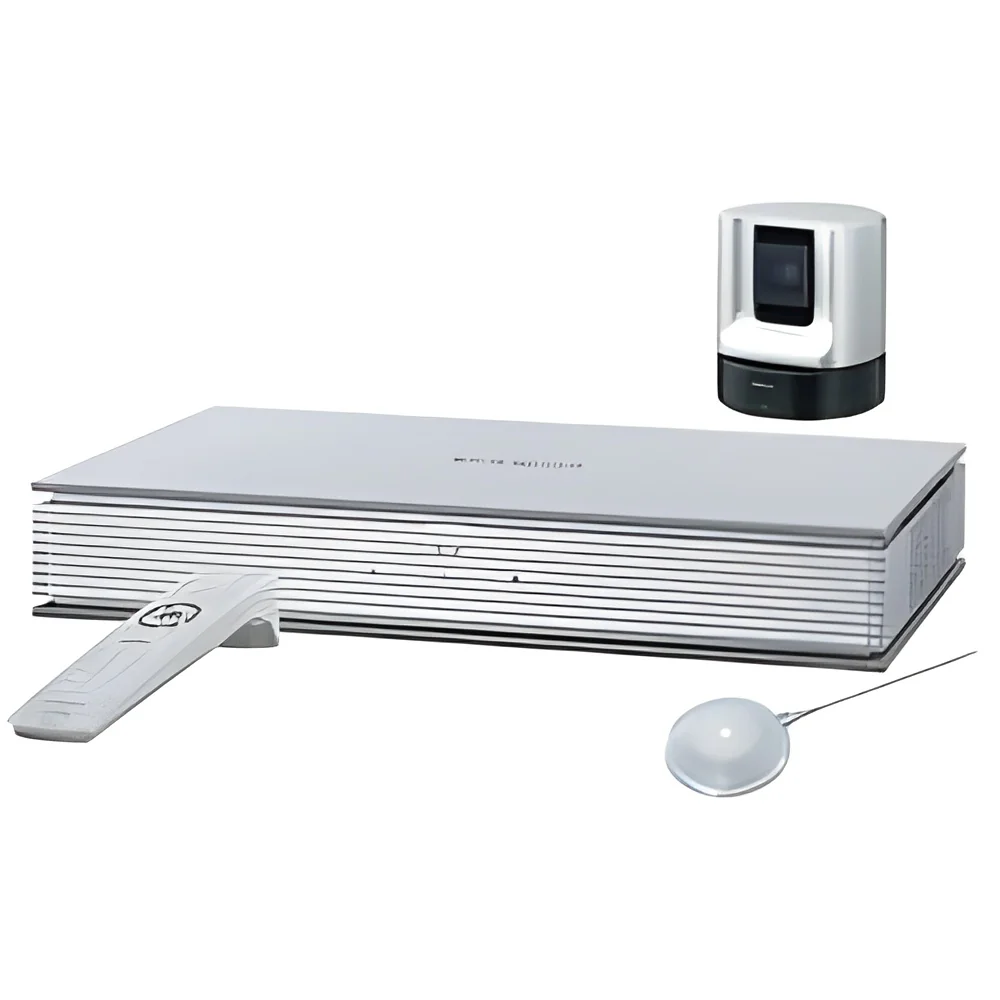
The different types of Communication Equipment include telephones, radios, intercoms, fax machines, and video conferencing tools. Additionally, networking devices like routers and switches are also classified under this category as they help in data exchange.
How do I choose the right Communication Equipment?
To choose the right Communication Equipment, consider factors such as the specific communication needs of your business, the range of operation, and compatibility with existing systems. It is also important to evaluate the device's reliability, features, and support services offered by the manufacturer.
What are the standard specifications for Communication Equipment?
Standard specifications for Communication Equipment typically include transmission range, frequency response, power output, and connectivity options. Additionally, specifications may cover aspects like durability, user interface, and compatibility with various communication protocols.
What is the price range for Communication Equipment?
The price range for Communication Equipment can vary significantly based on the type and features of the equipment. Generally, prices can start from a few thousand rupees for basic devices and can go up to several lakhs for advanced systems.
What quality standards apply to Communication Equipment?
Communication Equipment must comply with various quality standards that ensure reliability and performance. Common standards include ISO certifications, as well as specific industry regulations that pertain to safety and electromagnetic compatibility.
Where can I find Communication Equipment suppliers in India?
You can find Communication Equipment suppliers in India through online B2B marketplaces like Pepagora.com, trade shows, and industry directories. These platforms provide a comprehensive list of manufacturers and suppliers, making it easier to compare products and prices.
Can Communication Equipment be customized?
Yes, many manufacturers offer customization options for Communication Equipment to meet specific business needs. Customization can include modifications in design, features, and functionality to better suit operational requirements.
What is the typical minimum order quantity for Communication Equipment?
The typical minimum order quantity (MOQ) for Communication Equipment can vary depending on the manufacturer and the type of equipment. Generally, MOQs can range from a single unit for some products to hundreds for larger bulk orders.
What is the typical lead time for Communication Equipment?
The typical lead time for Communication Equipment can vary based on factors such as the type of equipment, customization requirements, and supplier location. Generally, lead times can range from a few days to several weeks, depending on these variables.
Why Businesses Trust Pepagora
Thousands of companies trust Pepagora to source smarter and sell faster
Expand Your Sales Globally

Source Smarter,Grow Faster
