
 IN
Brackets, Channels & Fittings
609 products available
𝗪𝗵𝗮𝘁 𝗮𝗿𝗲 𝗕𝗿𝗮𝗰𝗸𝗲𝘁𝘀, 𝗖𝗵𝗮𝗻𝗻𝗲𝗹𝘀 & 𝗙𝗶𝘁𝘁𝗶𝗻𝗴𝘀?
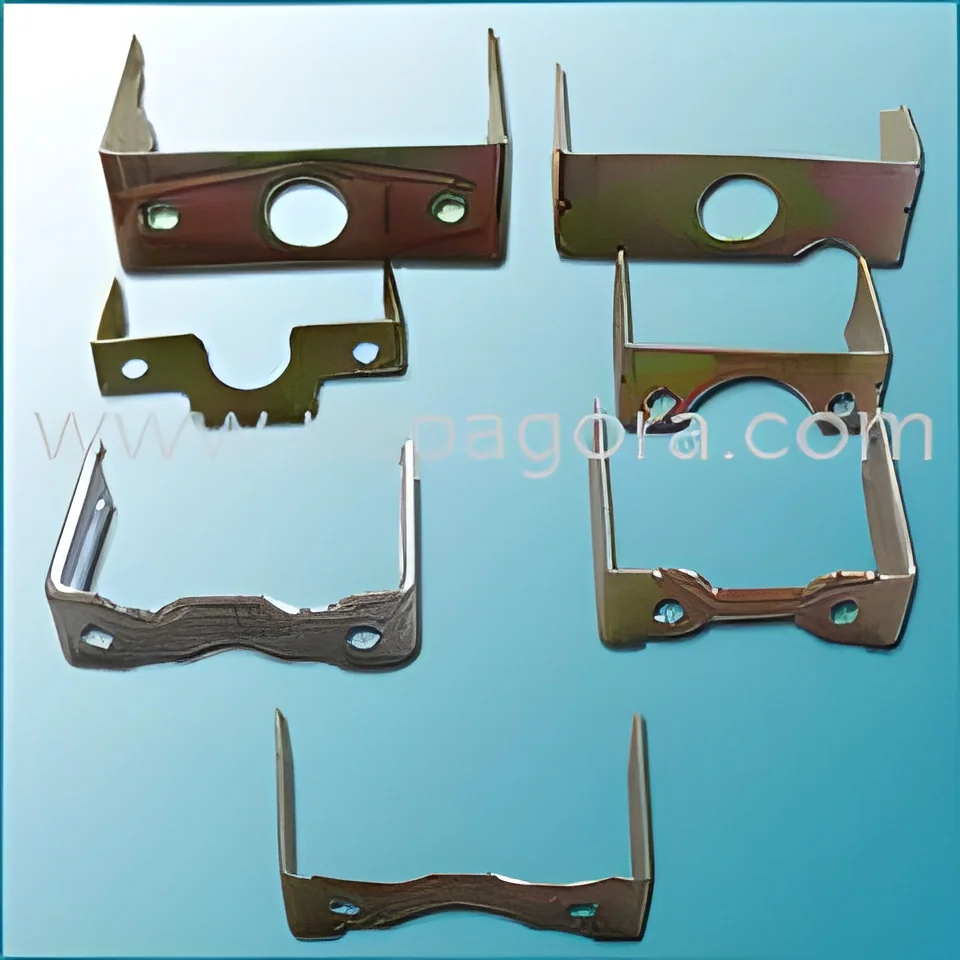
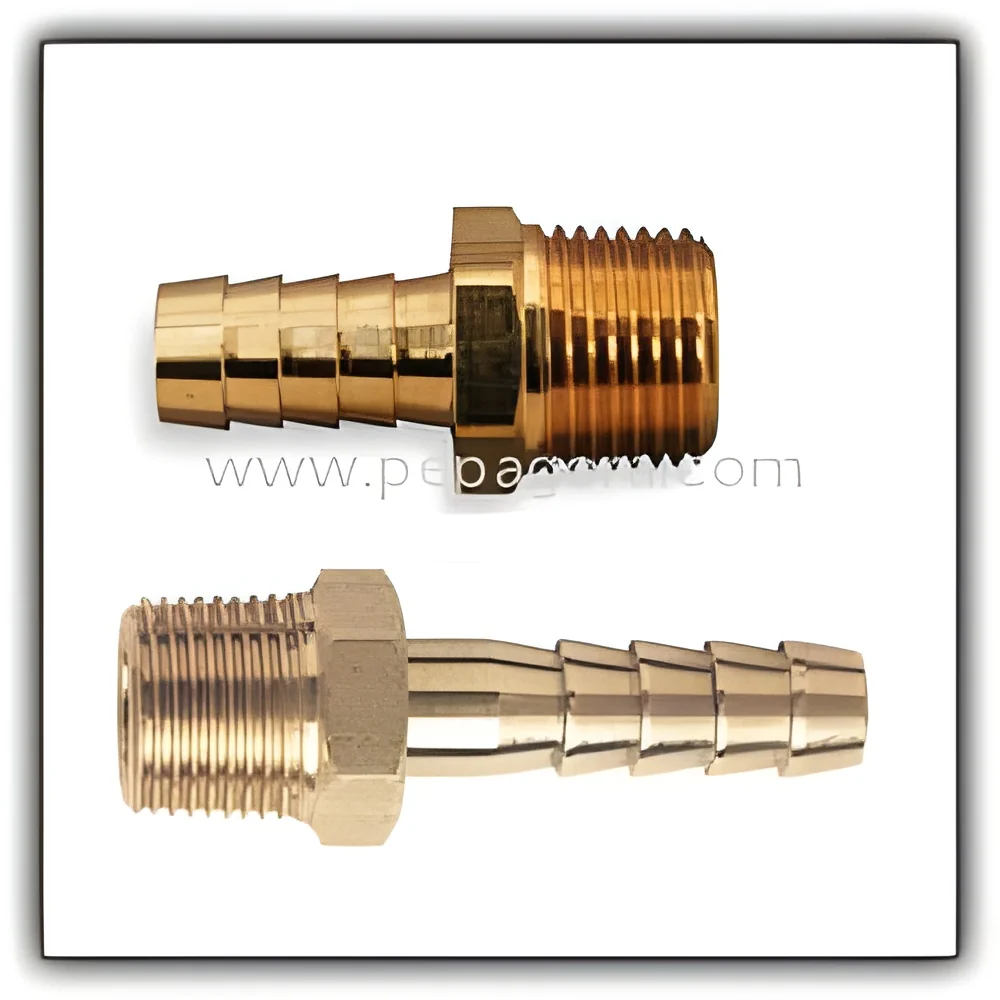
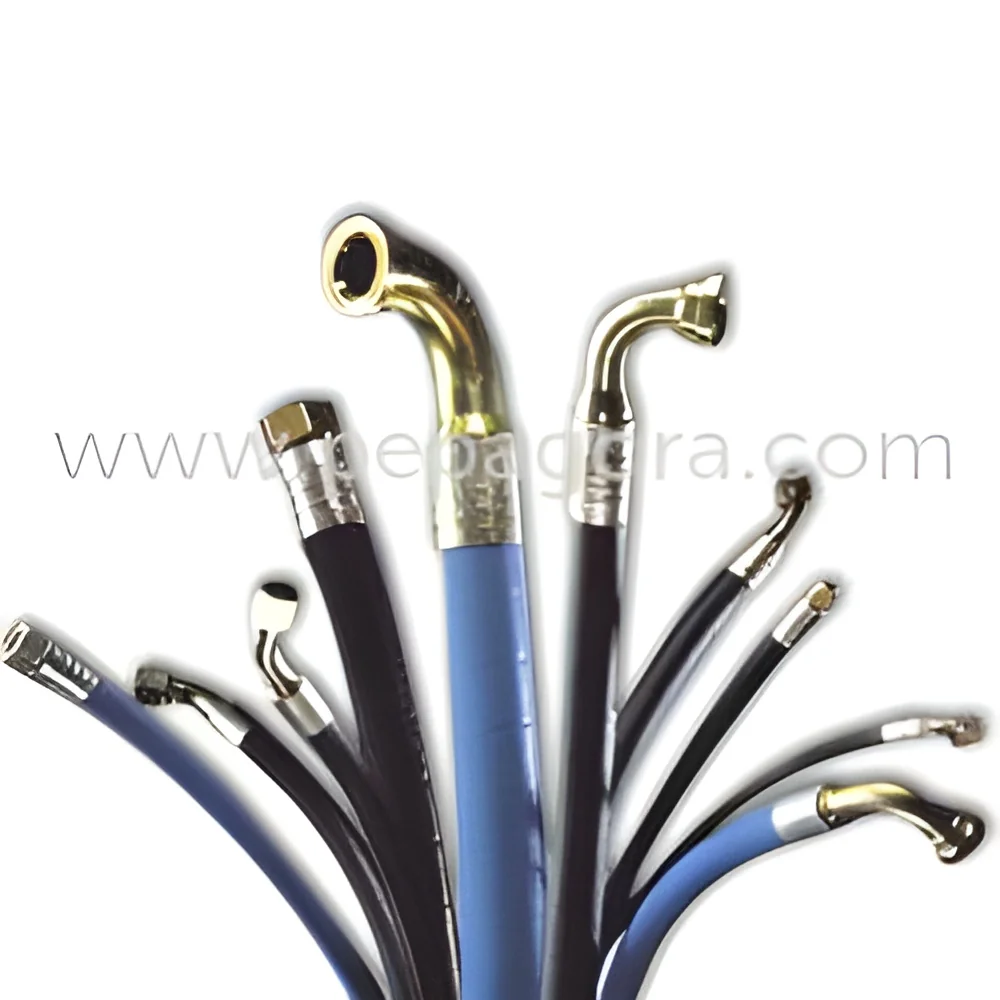
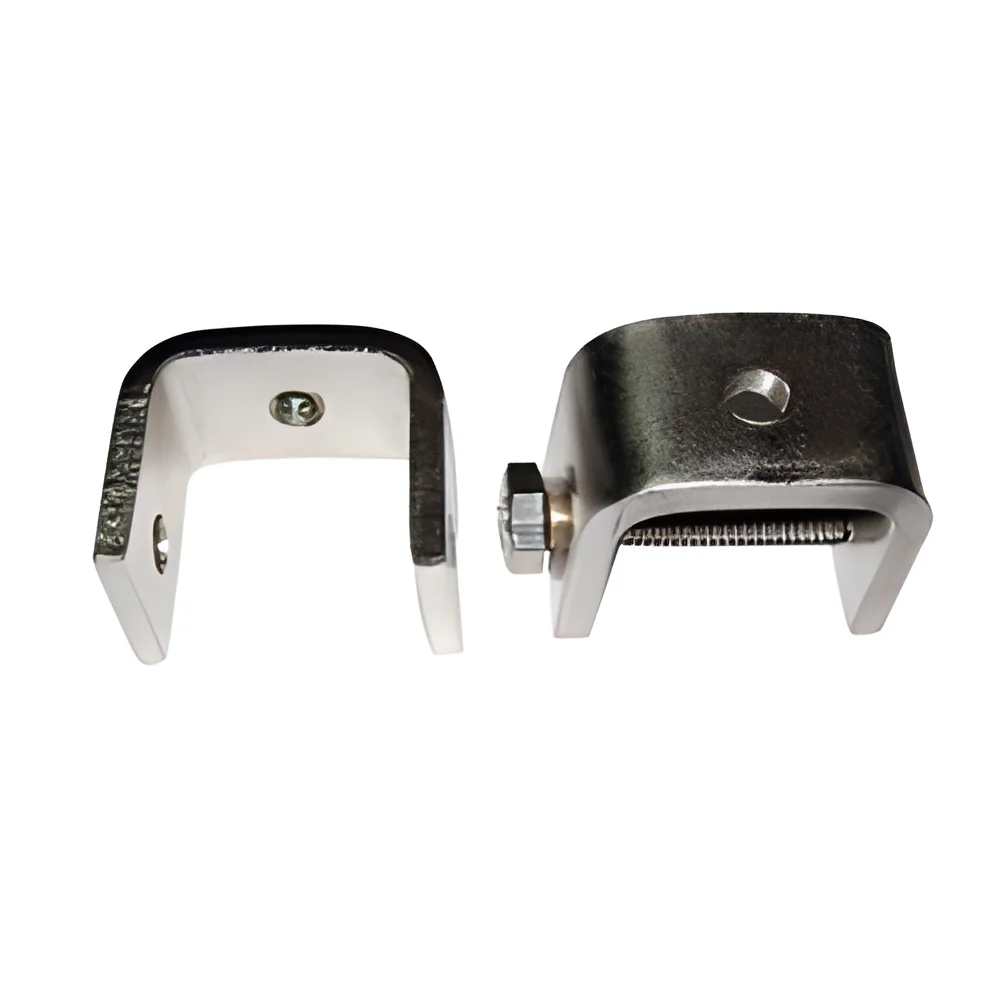
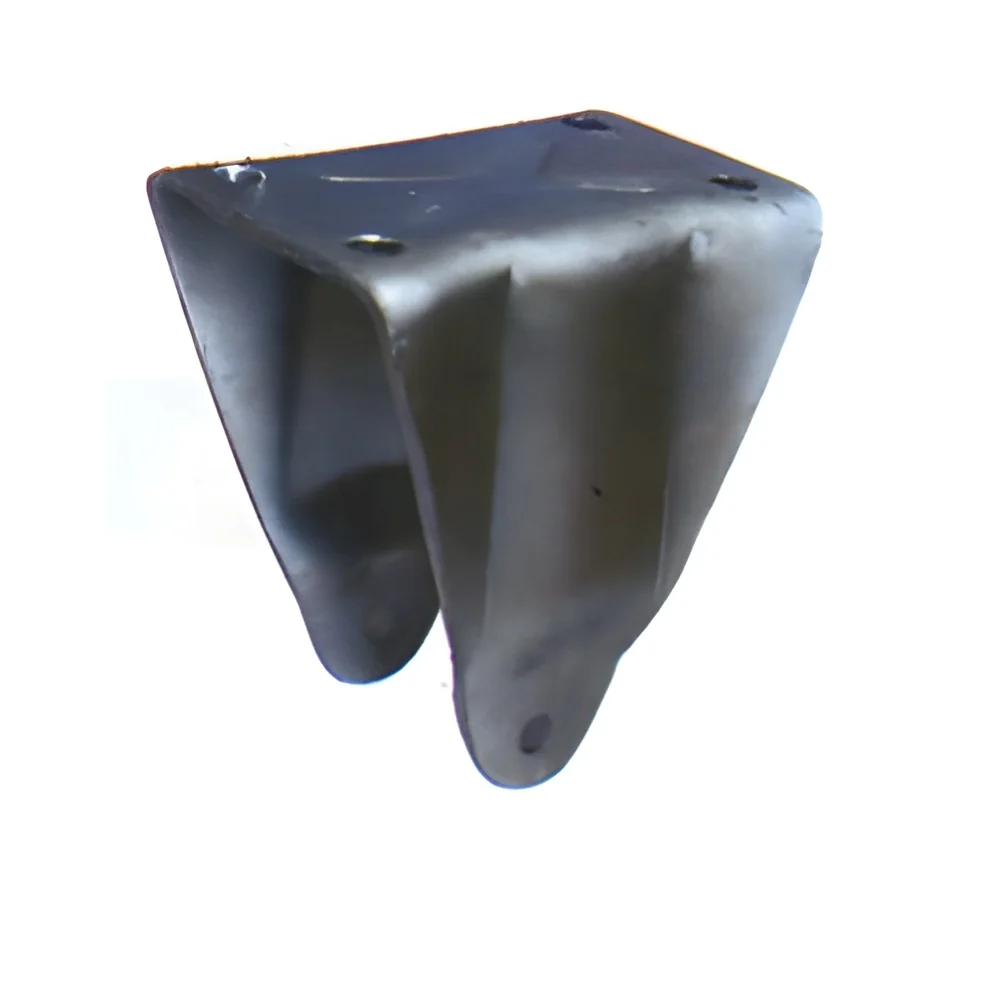
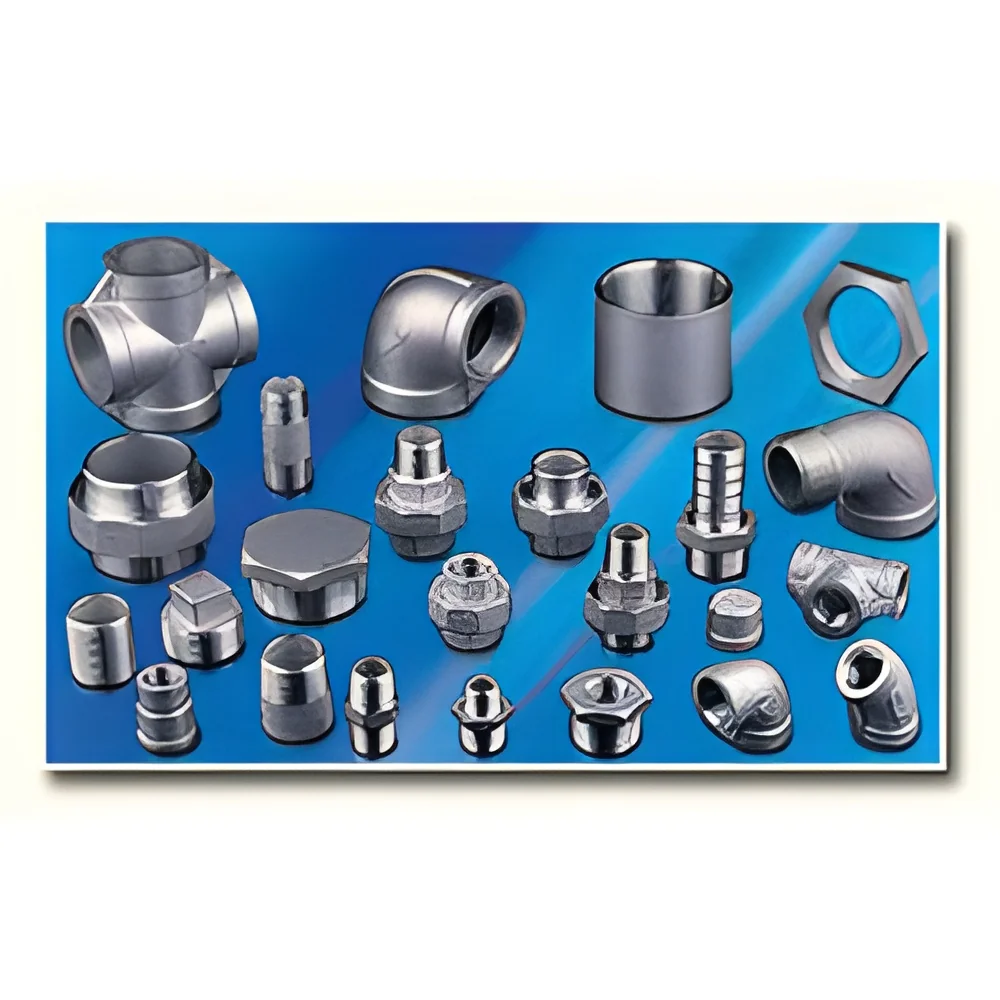
Brackets, channels, and fittings are essential components in various industrial applications, providing structural support and facilitating connections between different materials and systems. Brackets are typically L-shaped or U-shaped supports that hold objects in place, while channels are elongated structures designed to guide or support materials. Fittings are used to connect different sections of piping or tubing, ensuring a secure and leak-proof connection.
These components are widely used in construction, manufacturing, and maintenance sectors. Brackets can be seen holding shelves in warehouses, channels guide cables in electrical installations, and fittings are crucial in plumbing and HVAC systems. Industries rely on these products to create effective and efficient systems, enhancing overall productivity and safety.
The relevance of brackets, channels, and fittings in the market is significant. As industries evolve and demand for innovative solutions rises, the need for reliable components that can withstand various environmental conditions becomes paramount. Companies are seeking high-quality products that meet industry standards and provide long-lasting performance.
𝗞𝗲𝘆 𝗙𝗲𝗮𝘁𝘂𝗿𝗲𝘀 𝗮𝗻𝗱 𝗦𝗽𝗲𝗰𝗶𝗳𝗶𝗰𝗮𝘁𝗶𝗼𝗻𝘀
Brackets, channels, and fittings come with a variety of features and specifications tailored to meet the needs of different applications. Understanding these specifications is crucial for selecting the right components for your projects.
Key specifications include:
1. Material Composition
- Common materials include steel, aluminum, and plastic.
- Each material offers different strength, weight, and corrosion resistance properties.
2. Load Capacity
- Load capacities vary based on the design and material.
- It is essential to select products that can support the intended weight.
3. Size and Dimensions
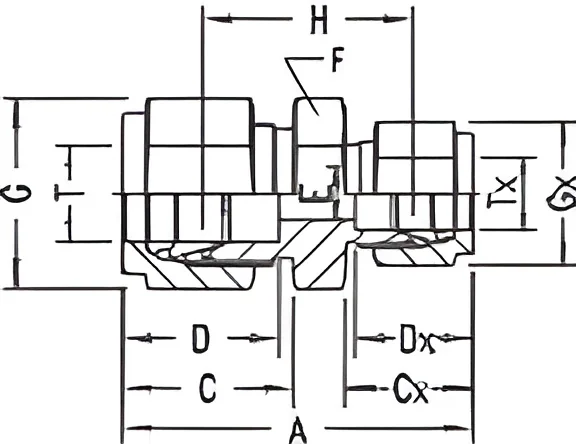
- Available in various sizes to fit specific applications.
- Dimensions should match the installation requirements.
4. Finish and Coating
- Options include powder-coated, galvanized, or bare finishes.
- Finishes enhance durability and resistance to environmental factors.
5. Connection Type
- Different connection types, such as welded, bolted, or snap-fit designs.
- Selection depends on the application and assembly requirements.
6. Compliance Standards
- Many products adhere to international standards like CE certification.
- Compliance ensures safety and reliability in industrial applications.
7. Temperature Resistance
- Certain brackets, channels, and fittings can withstand extreme temperatures.
- Temperature ratings should align with environmental conditions.
8. Customization Options
- Many manufacturers offer customization based on specific needs.
- Custom solutions can enhance the fit and performance in unique applications.
In summary, understanding the features and specifications of brackets, channels, and fittings is critical for making informed purchasing decisions. Selection should be based on application requirements and industry standards.
𝗖𝗼𝗺𝗺𝗼𝗻 𝗔𝗽𝗽𝗹𝗶𝗰𝗮𝘁𝗶𝗼𝗻𝘀 𝗮𝗻𝗱 𝗨𝘀𝗲 𝗖𝗮𝘀𝗲𝘀
Brackets, channels, and fittings serve a wide range of industries, each with specific applications tailored to enhance functionality and safety.
1. Construction: Brackets support structural elements in buildings, ensuring stability in frameworks and shelving.
2. Manufacturing: Channels guide and support conveyor systems, optimizing the movement of goods along production lines.
3. HVAC: Fittings connect ductwork and piping, ensuring efficient airflow and temperature control in building systems.
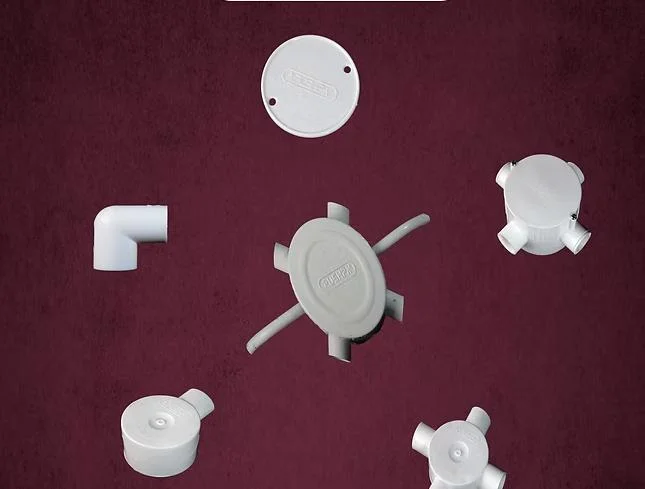
4. Electrical: Channels protect and route electrical wiring, reducing risks associated with exposure and damage.
5. Automotive: Brackets secure components in vehicles, contributing to overall safety and performance.
6. Marine: Fittings are used in piping systems aboard ships, ensuring reliable and leak-proof connections in harsh environments.
7. Agriculture: Brackets and channels support equipment and structures in farming, enhancing operational efficiency.
𝗣𝗿𝗼𝗱𝘂𝗰𝘁 𝗩𝗮𝗿𝗶𝗮𝗻𝘁𝘀 𝗮𝗻𝗱 𝗦𝘂𝗯𝗰𝗮𝘁𝗲𝗴𝗼𝗿𝗶𝗲𝘀
Brackets, channels, and fittings come in various forms, each designed to meet specific needs across different industries.
Heavy-Duty Brackets
These brackets are designed for high load-bearing applications. They are often made from robust materials, offering enhanced durability for industrial use.
Adjustable Channels
Adjustable channels provide flexibility in installations. Users can modify the length and fit according to specific requirements, making them ideal for dynamic applications.
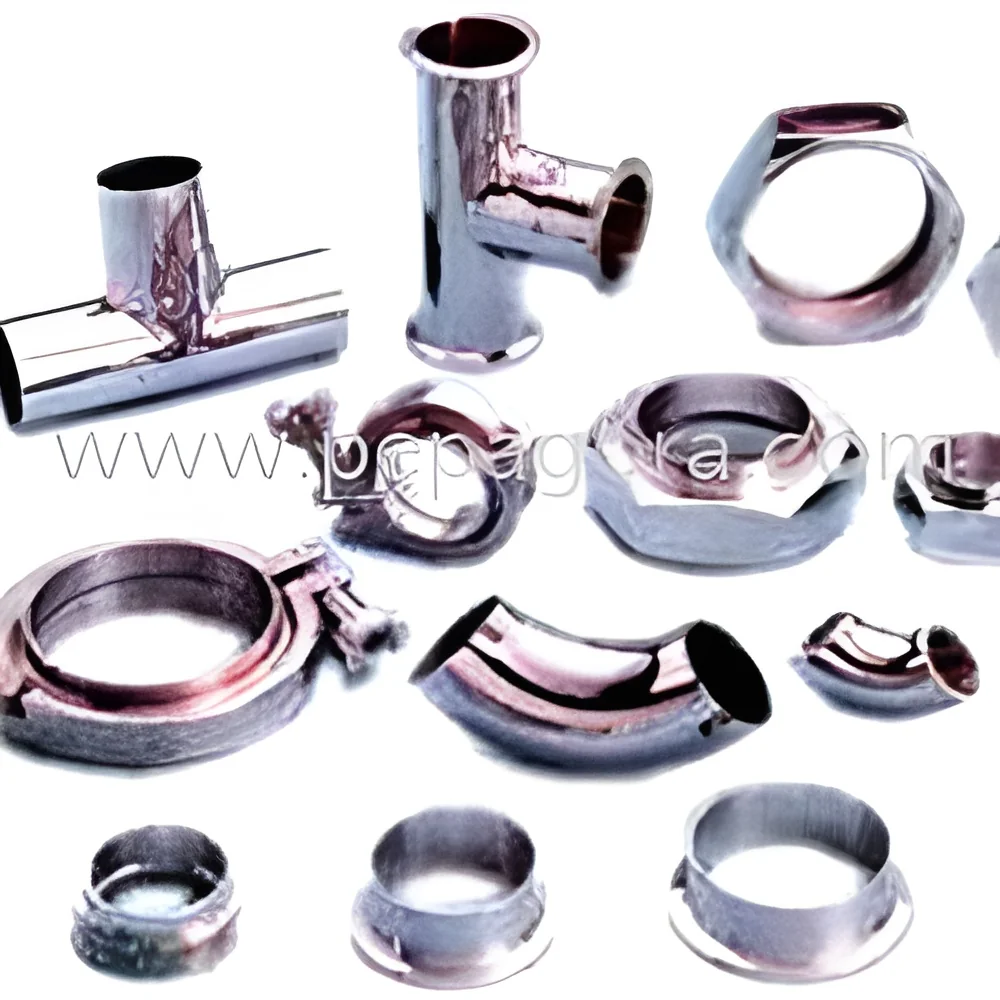
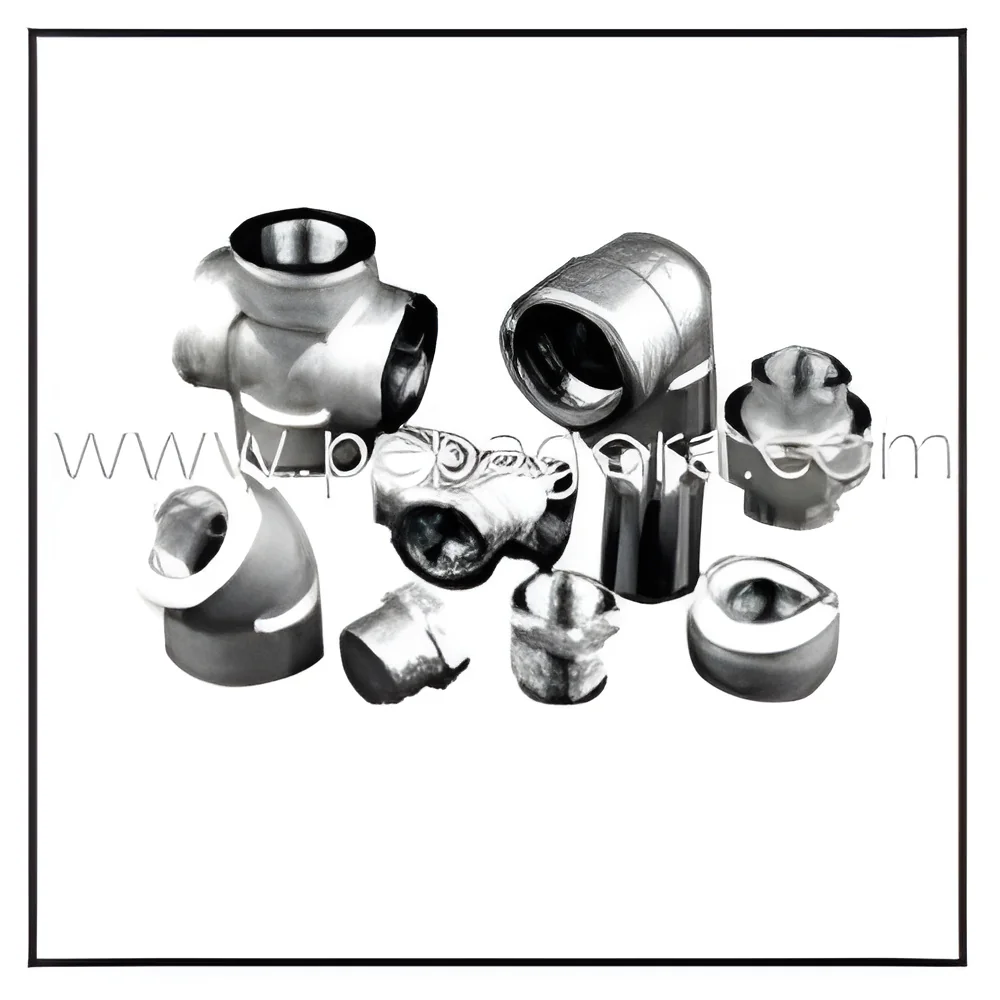
Pipe Fittings
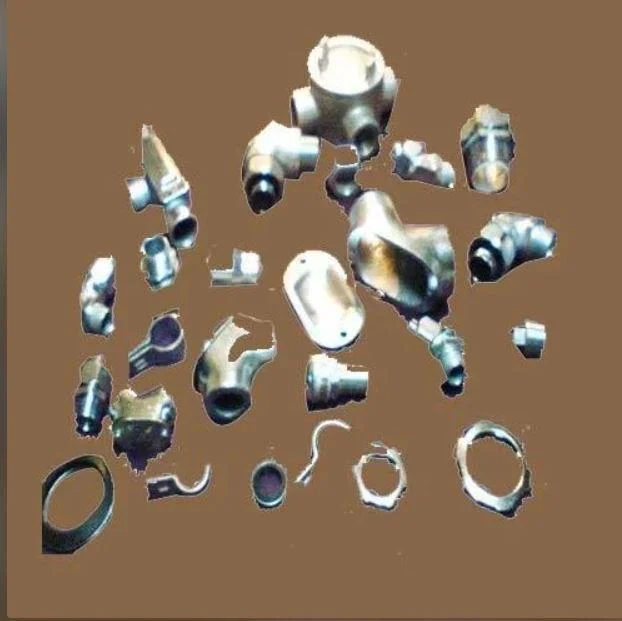
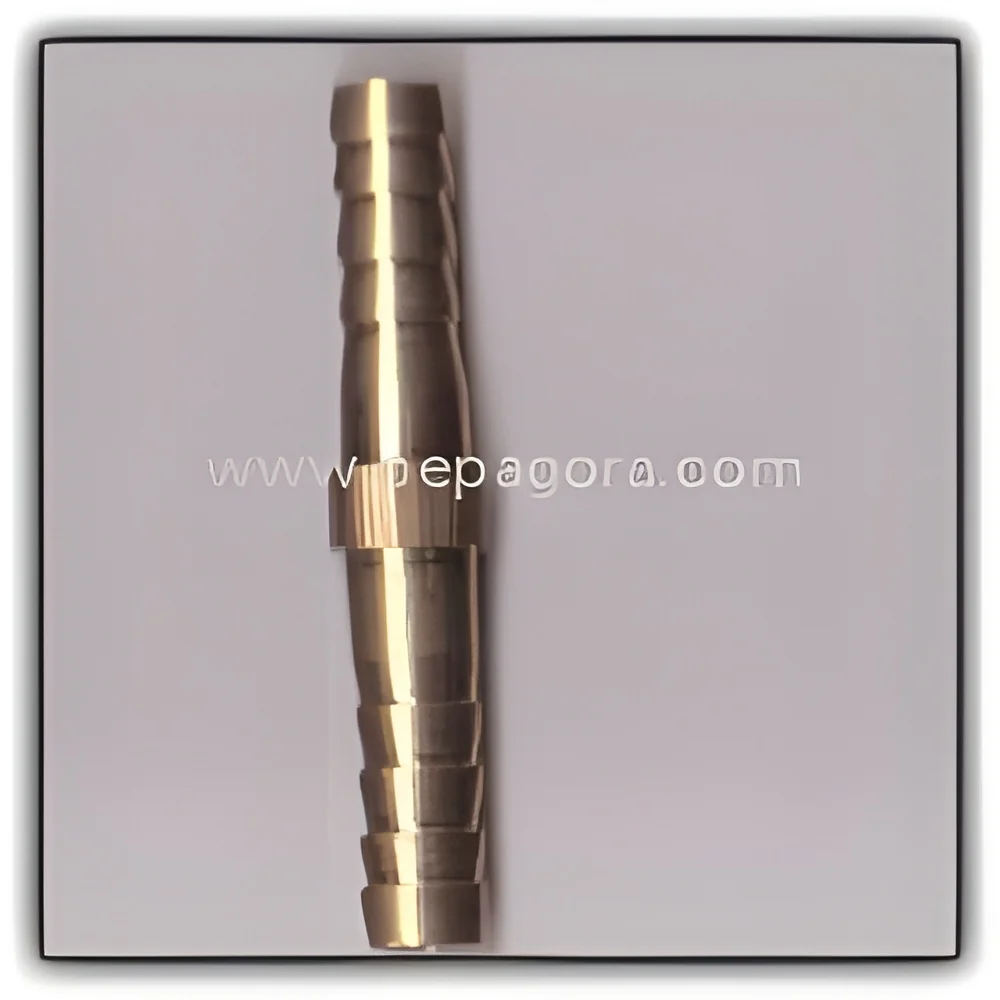
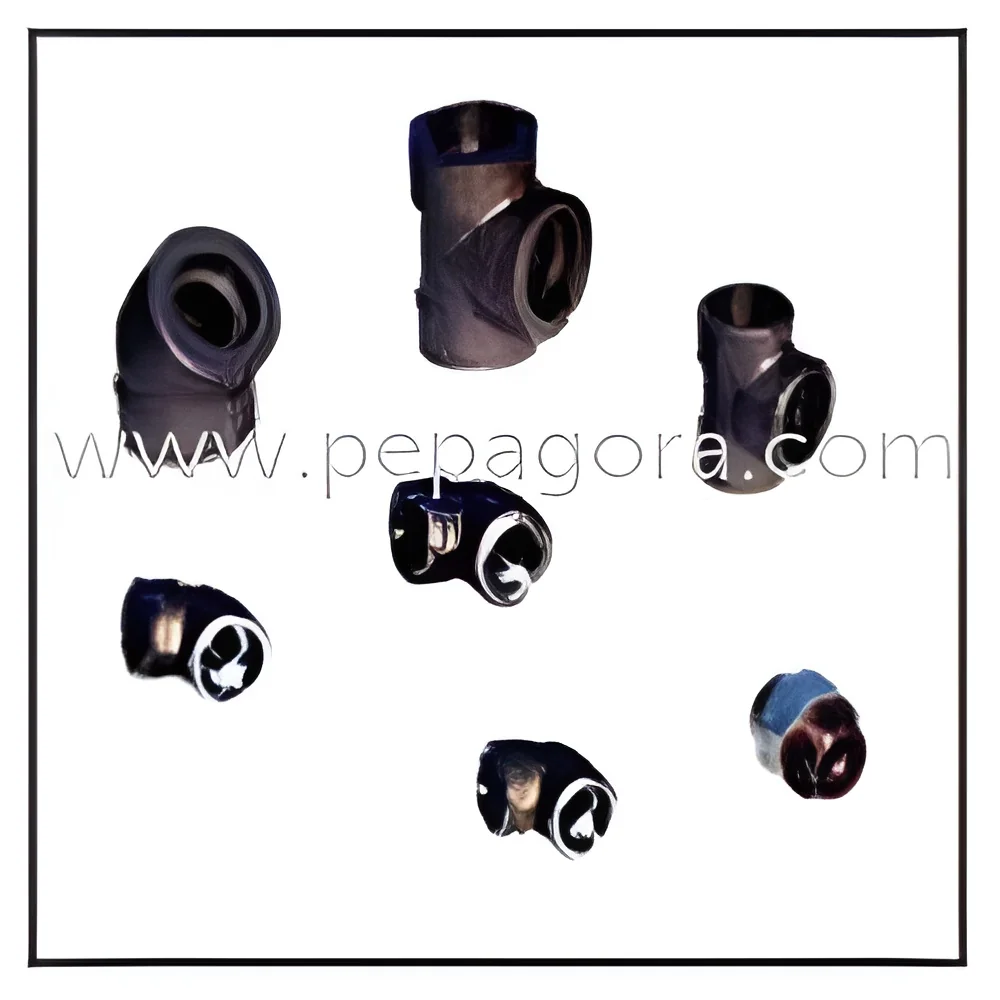
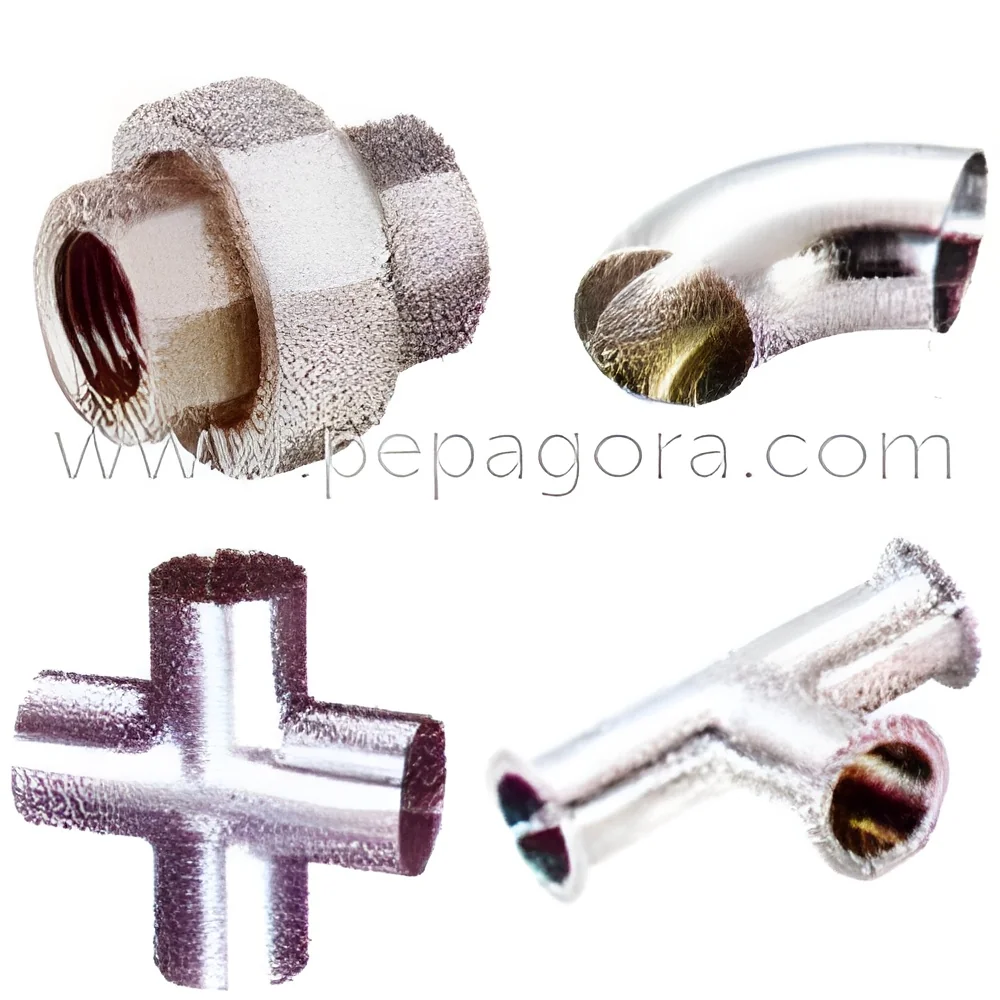
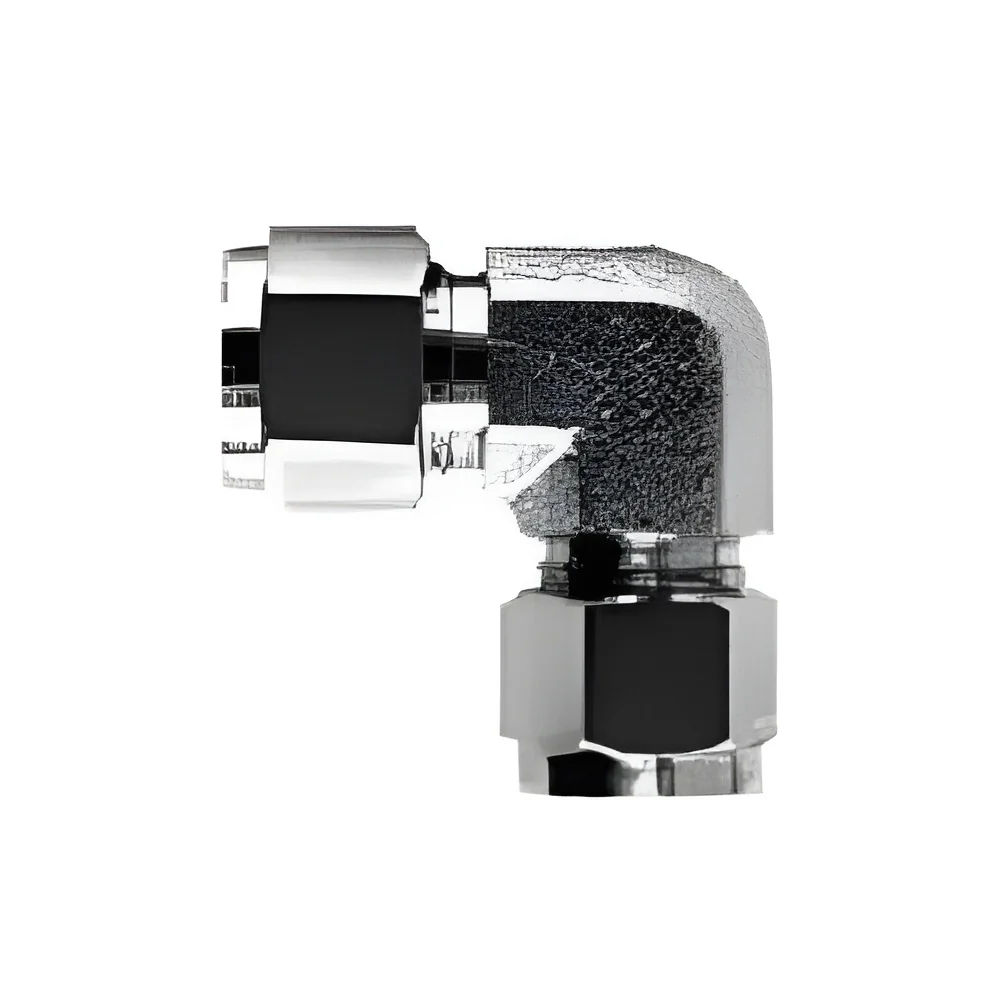
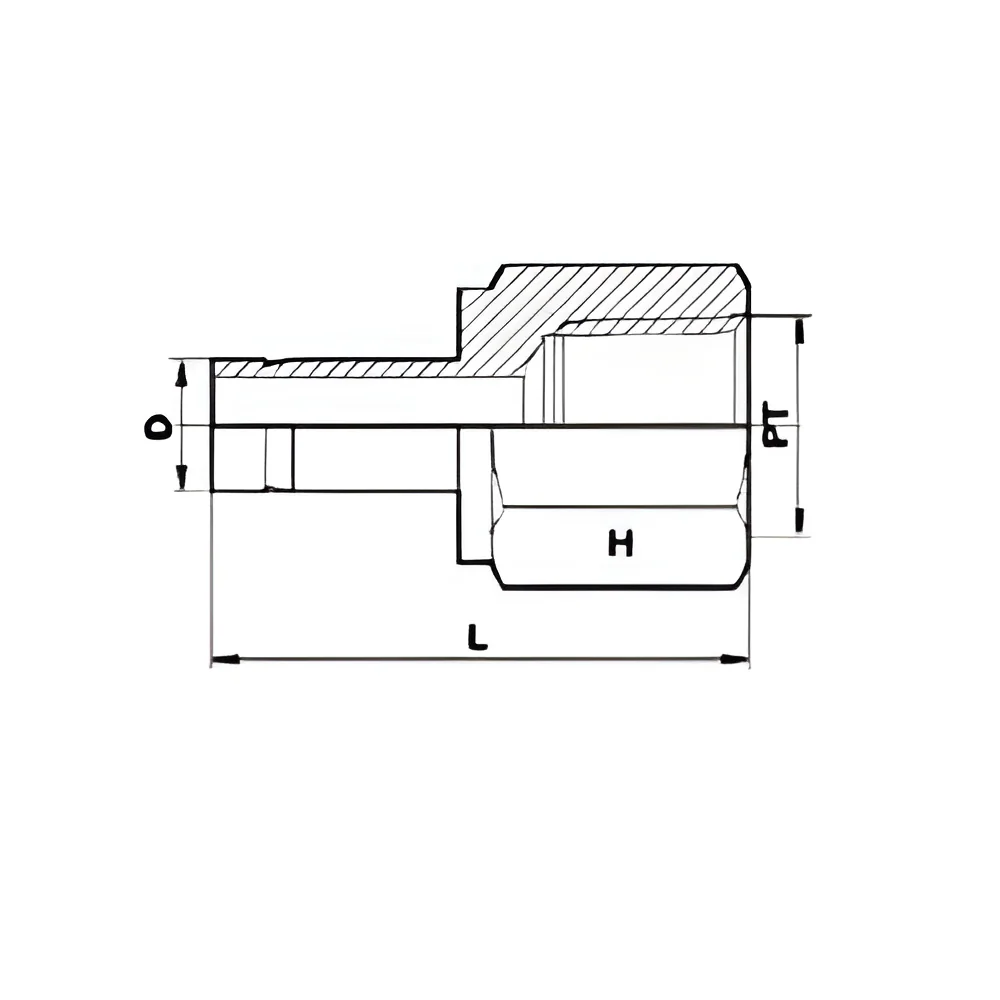
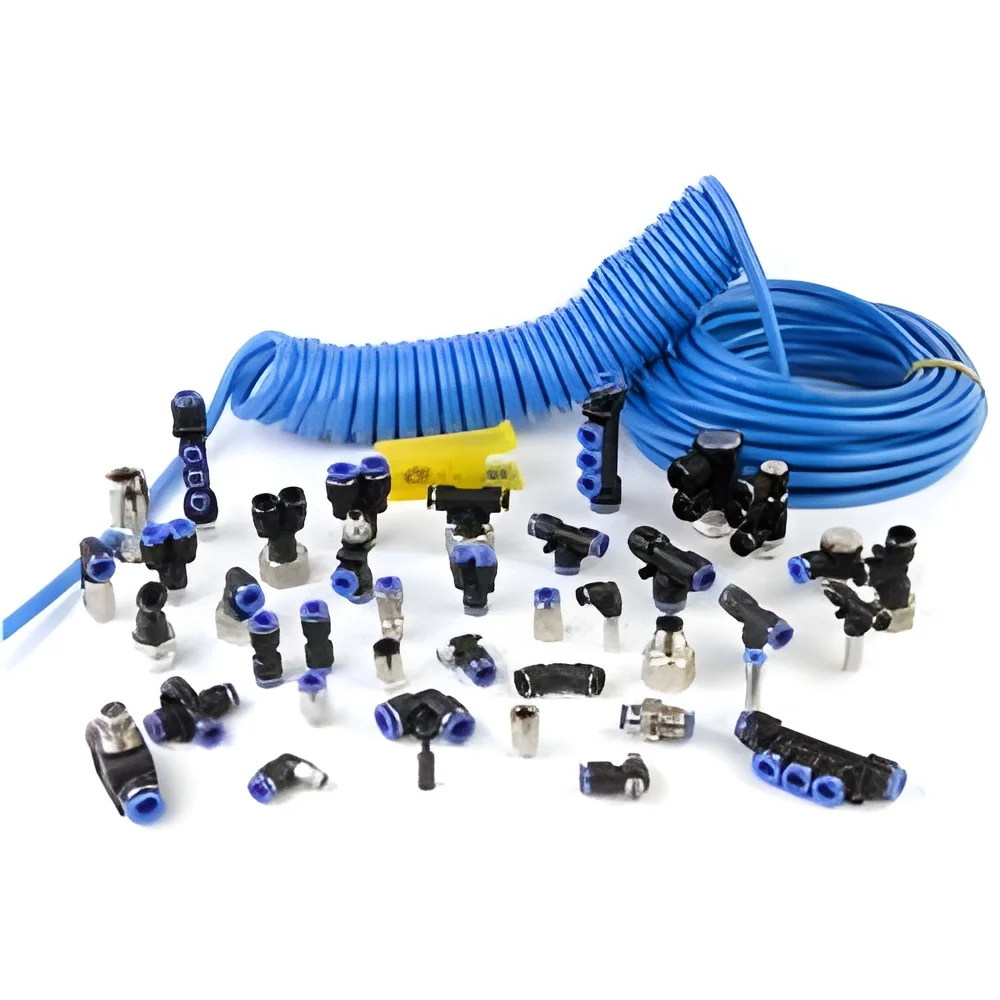
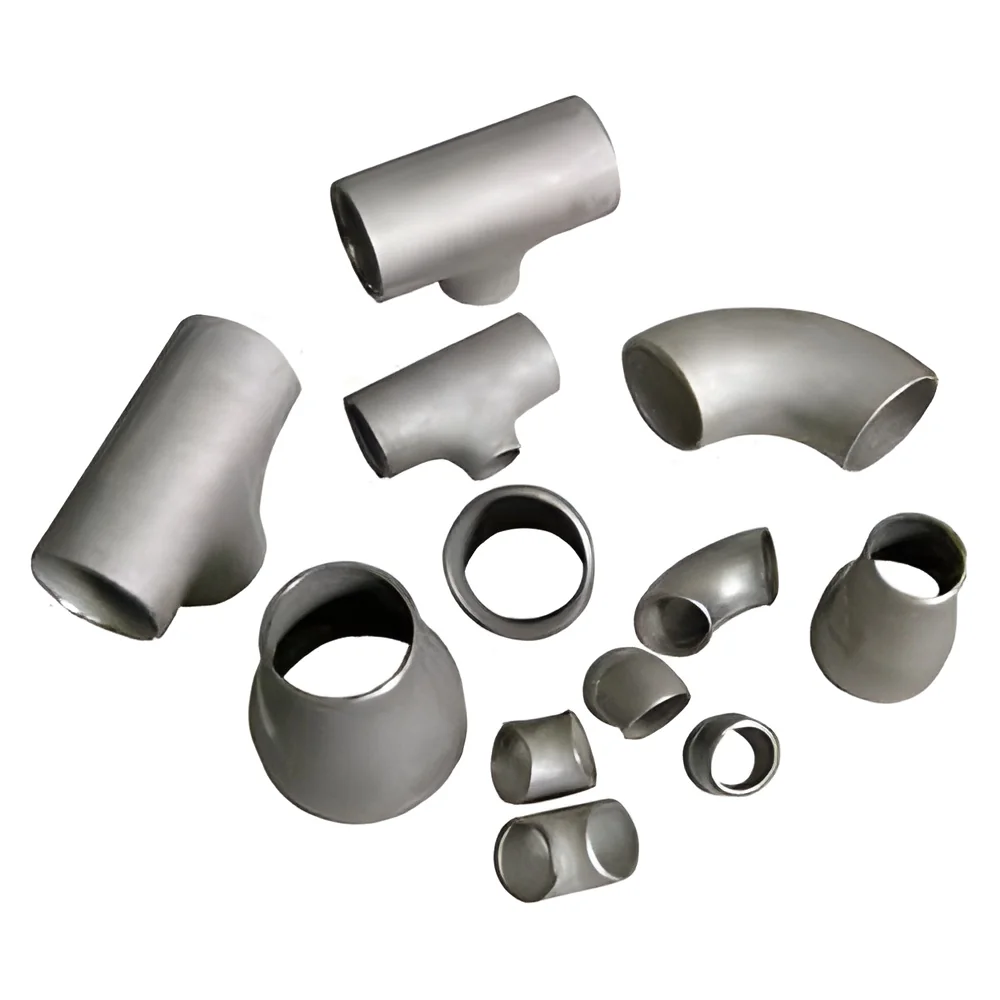
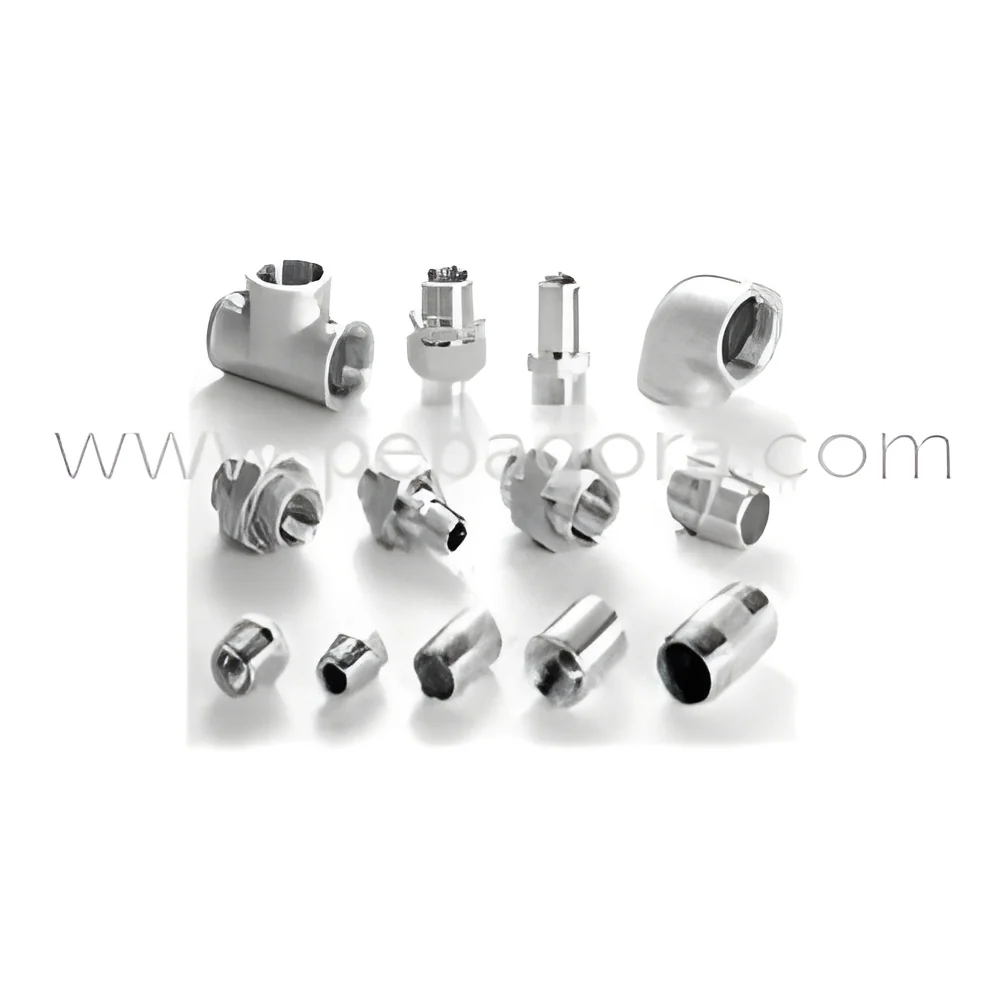
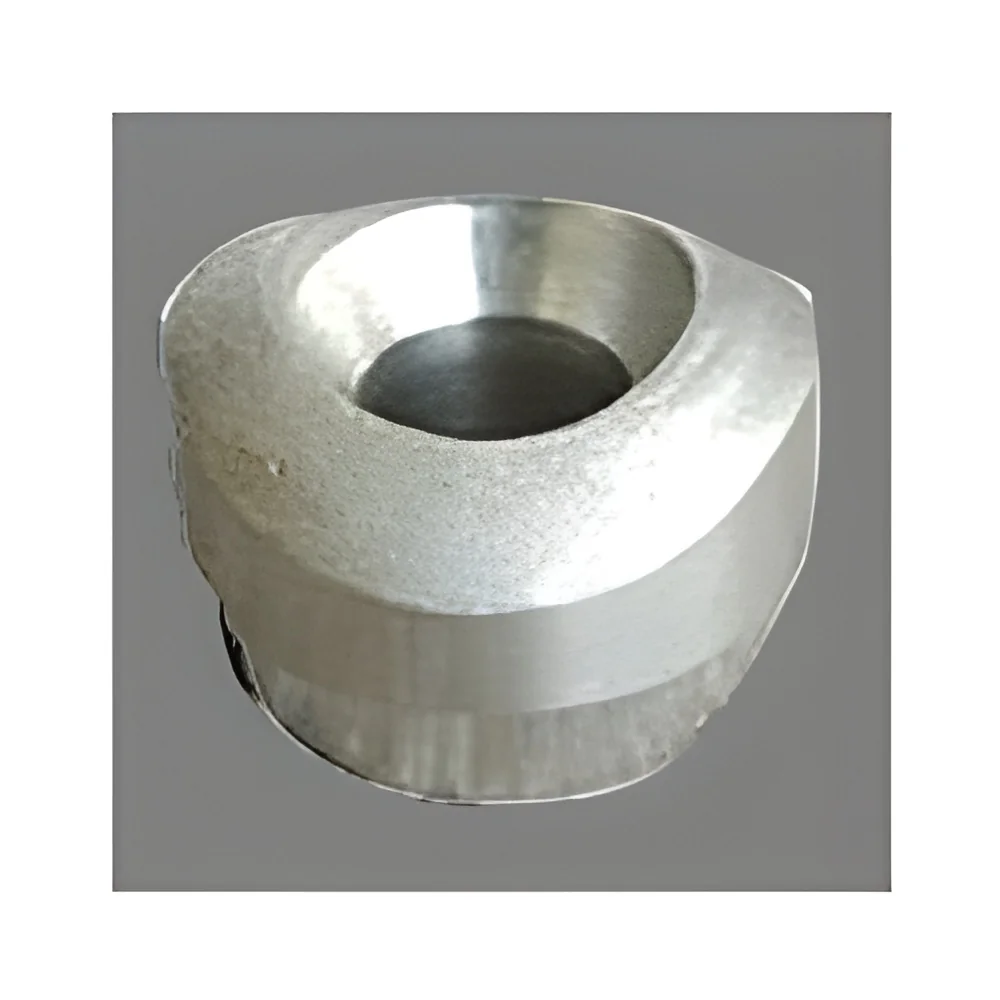
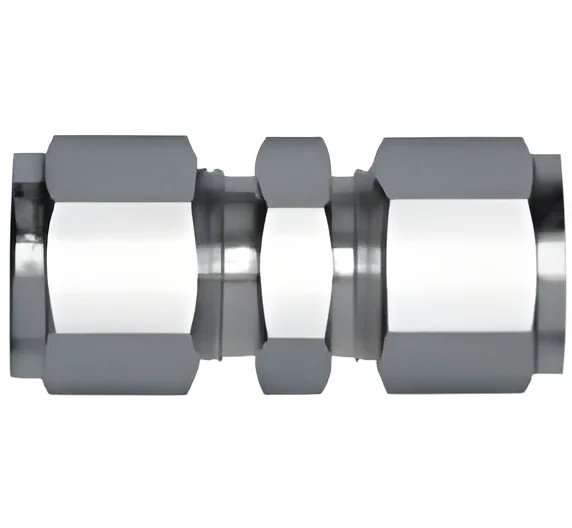
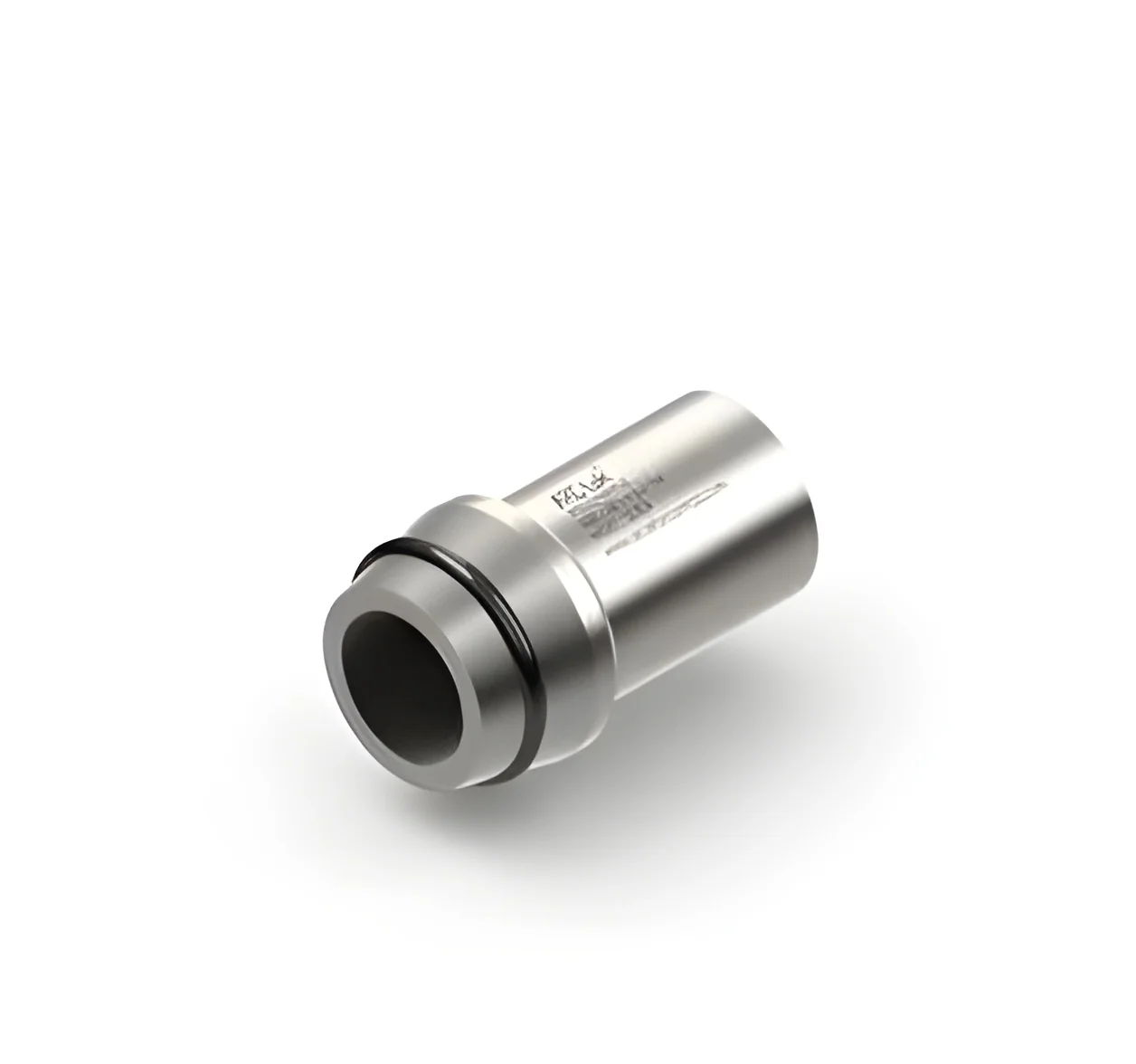
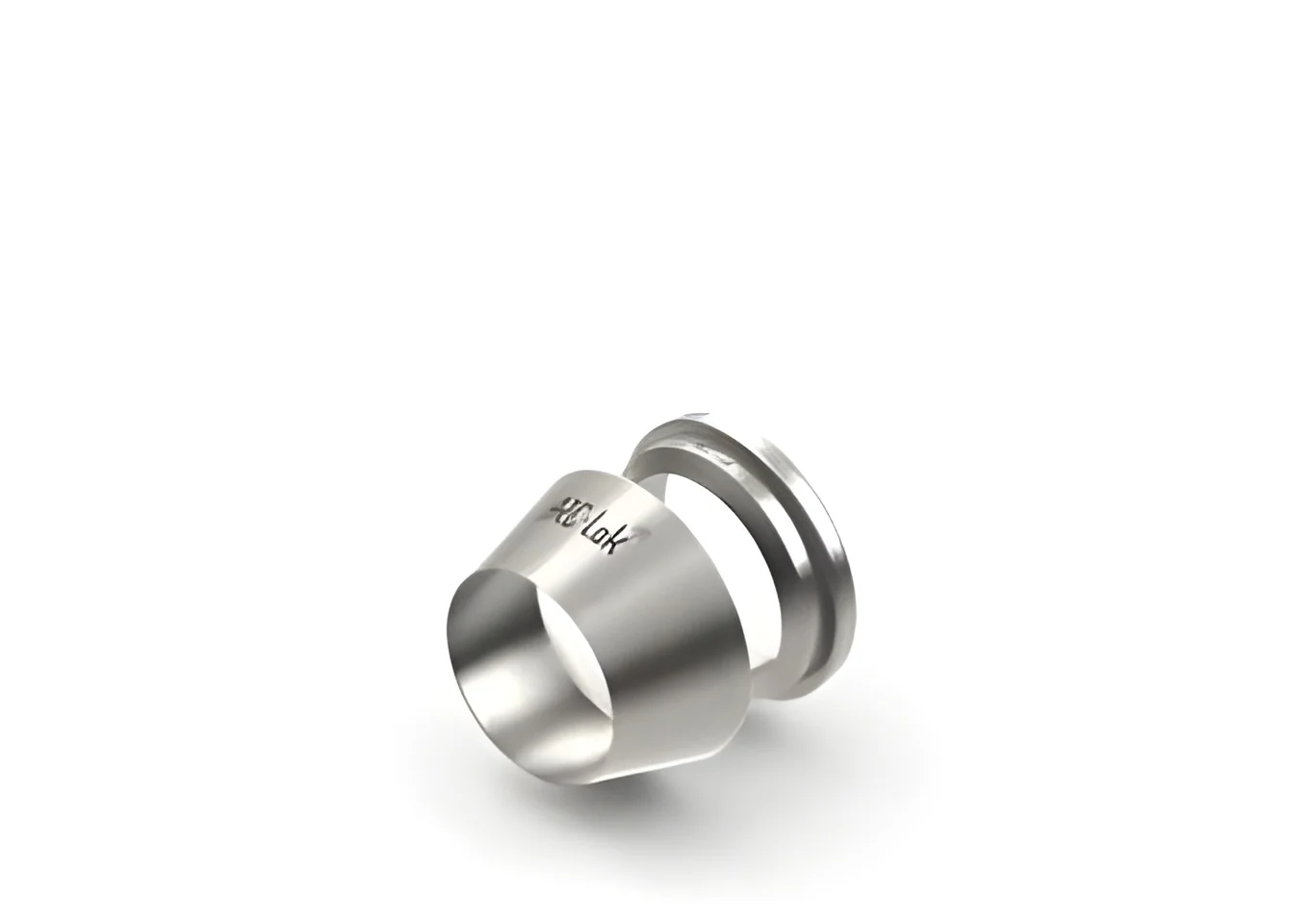
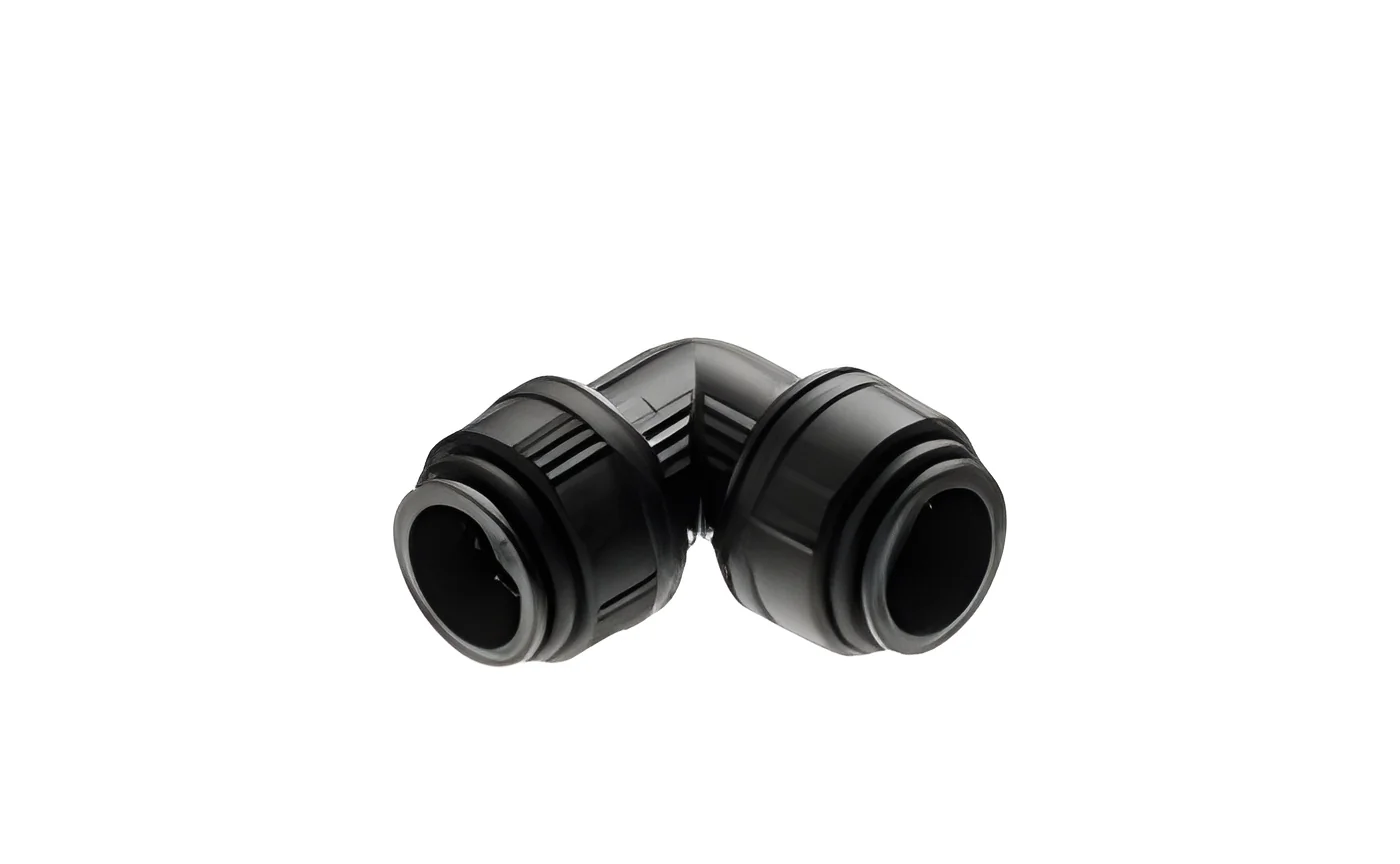
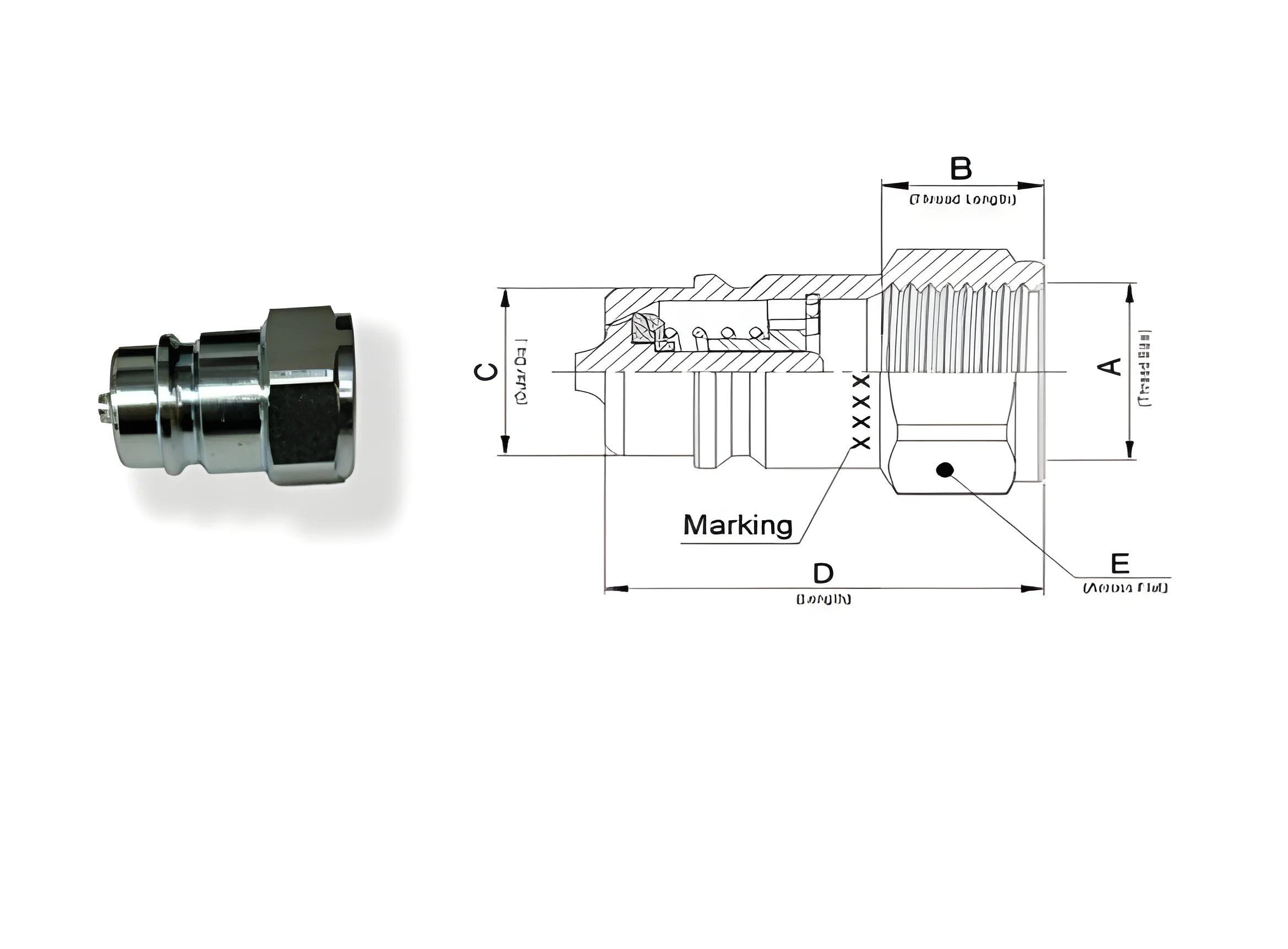
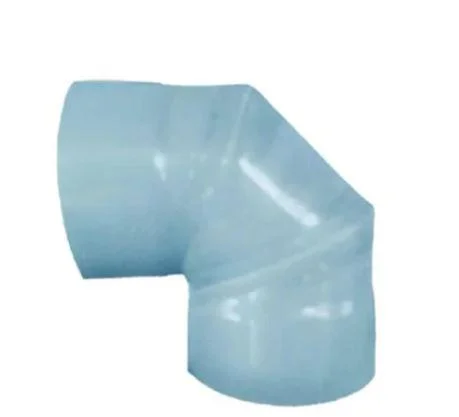
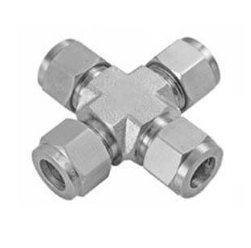
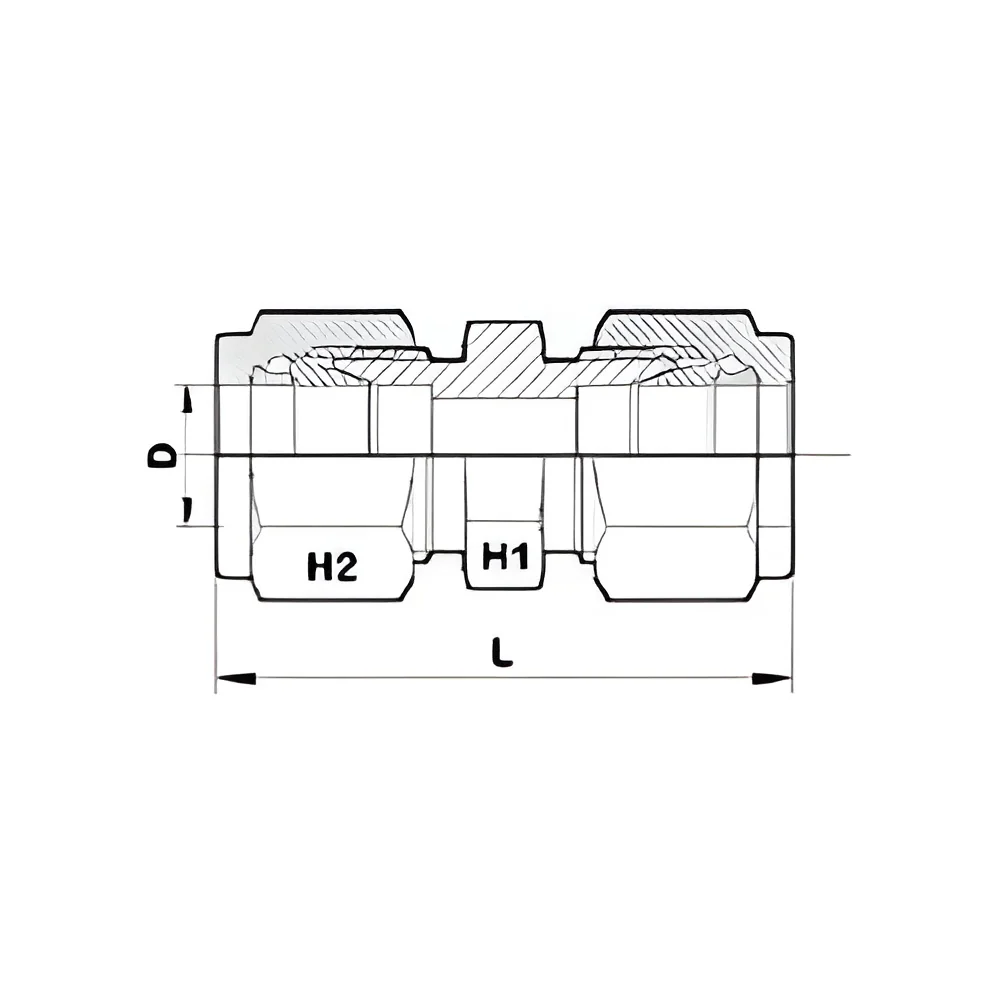
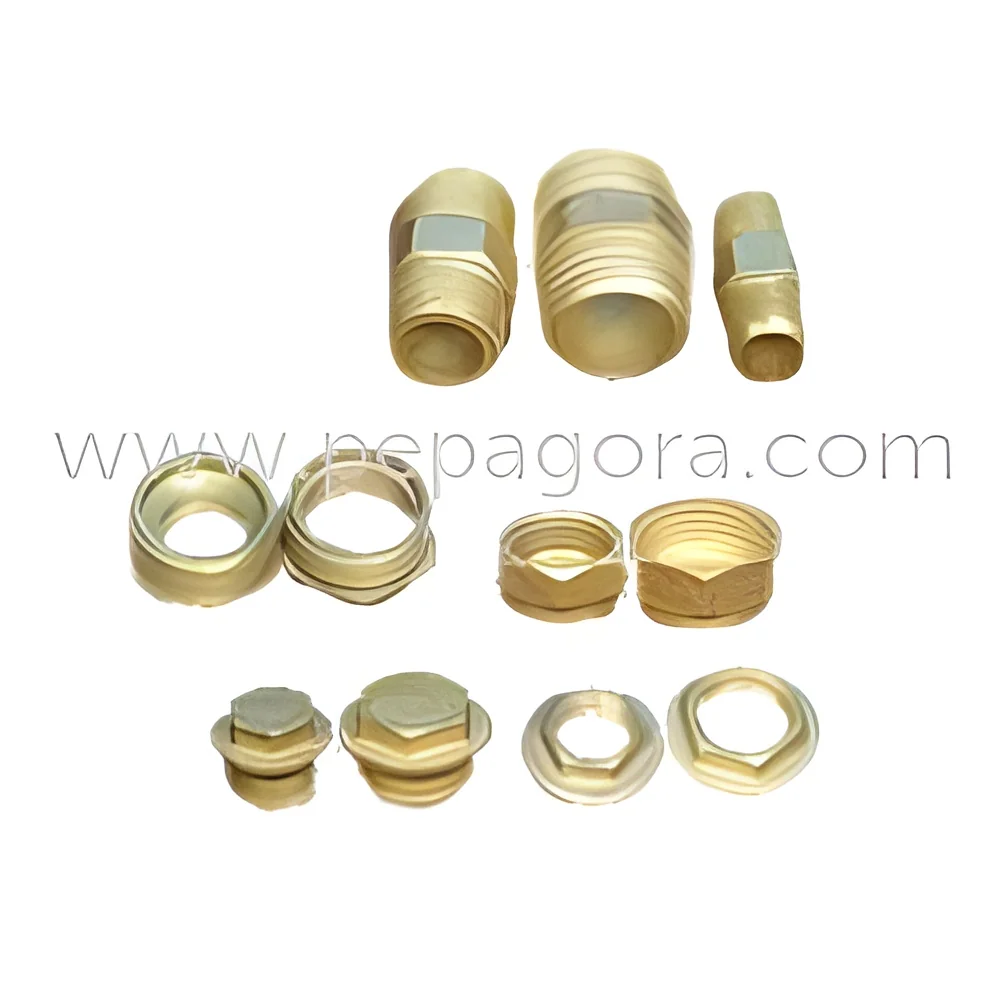
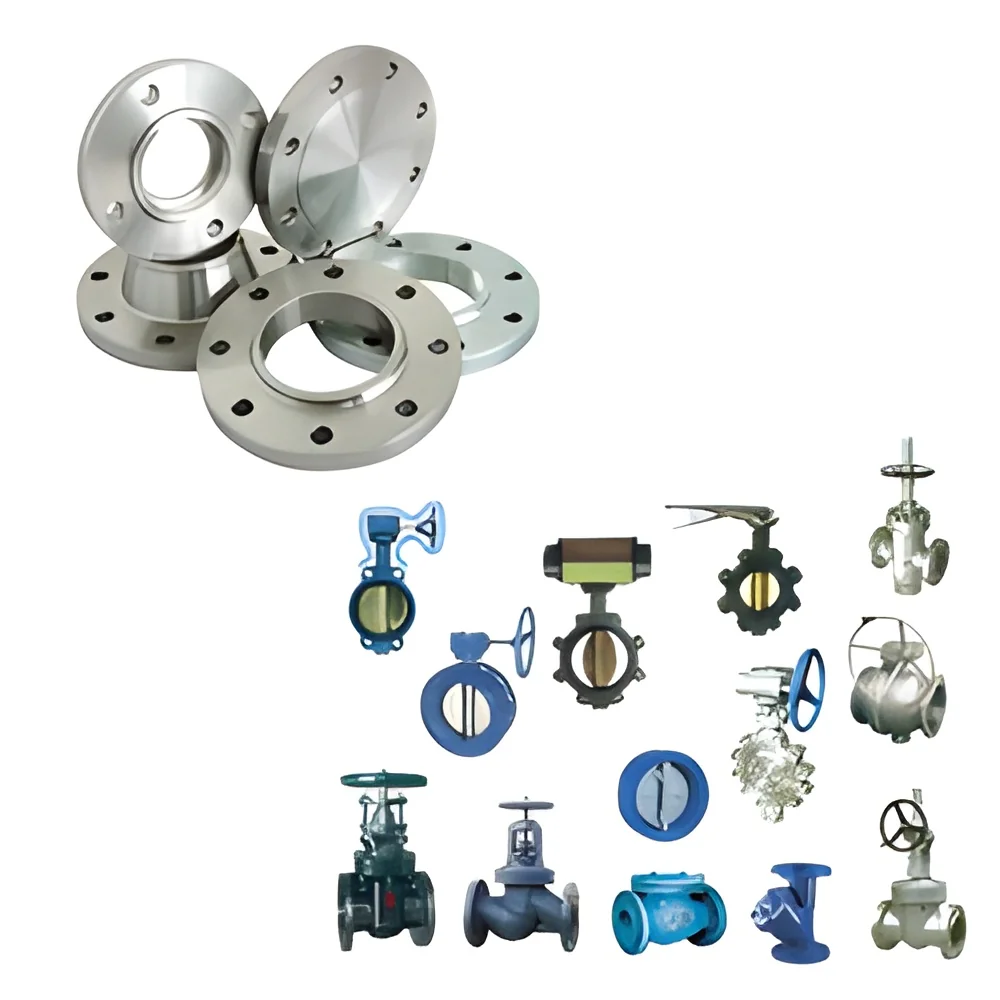
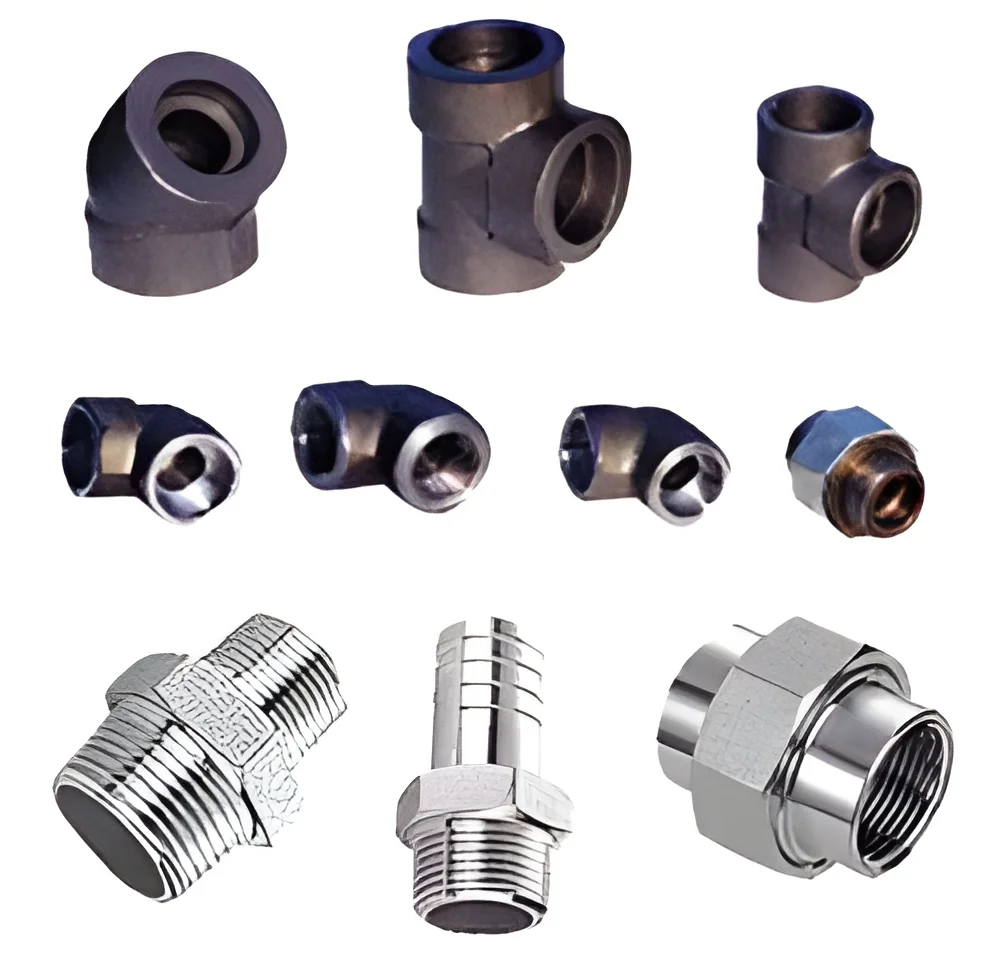
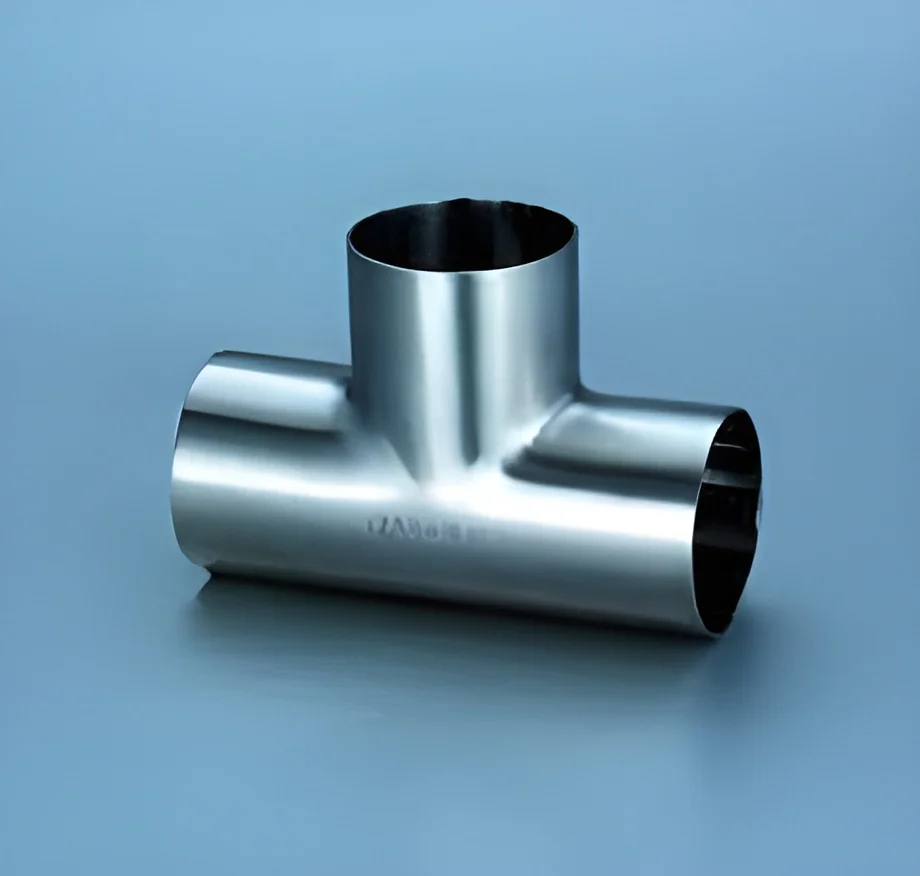
Pipe fittings come in various types, including elbows, tees, and reducers. They are crucial for connecting pipes and directing flow in plumbing and HVAC systems.
L-Brackets
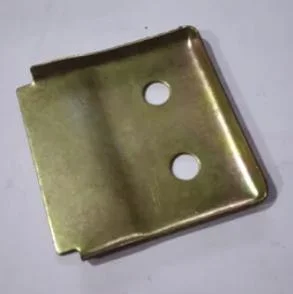
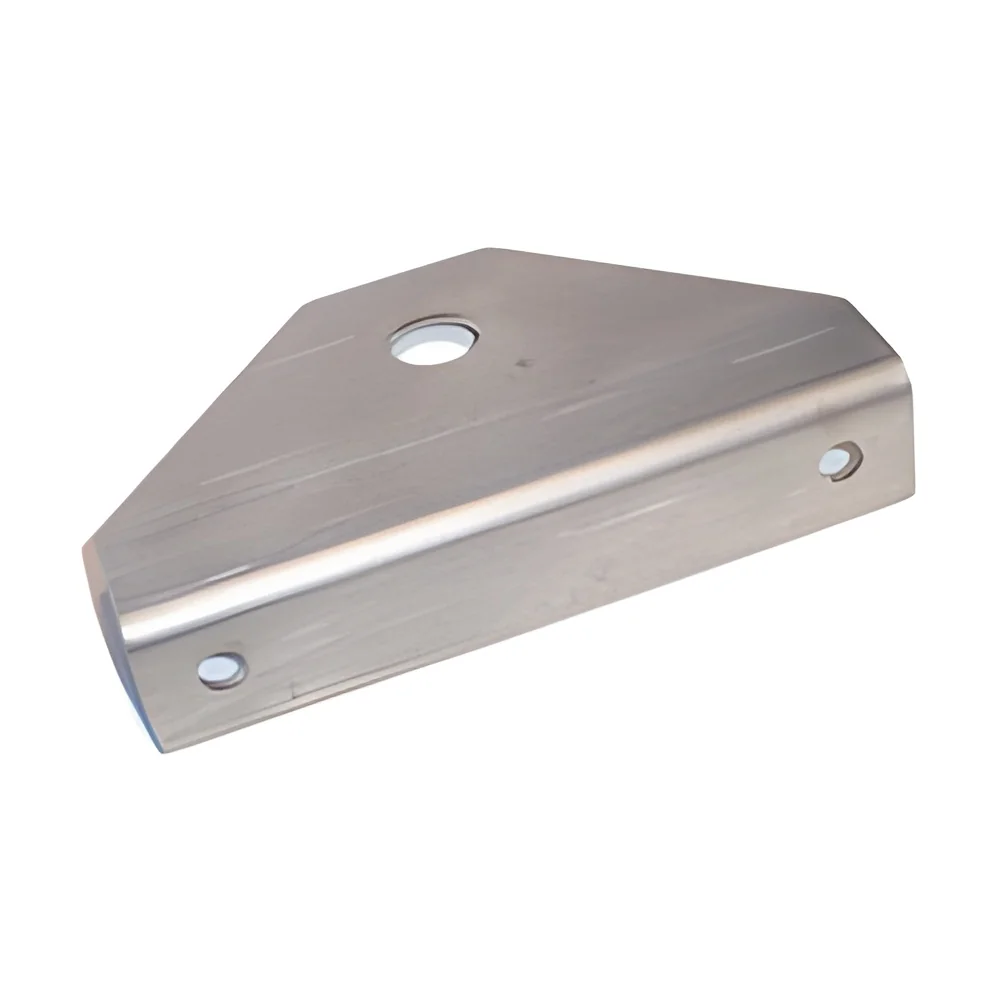
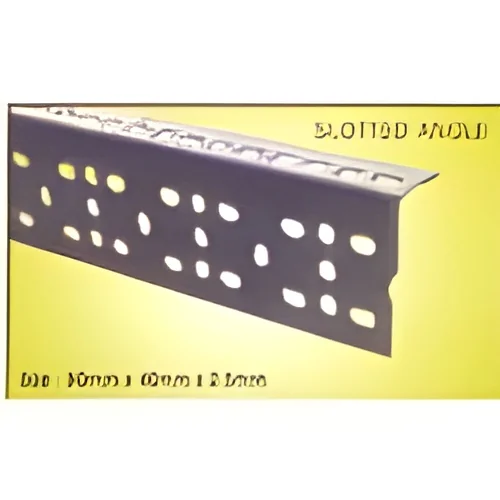
L-brackets are specifically shaped to provide support at right angles. They are commonly used in shelving and framing applications in construction.
U-Channels
U-channels are versatile and can be used for guiding or supporting materials in various installations. They are often found in electrical and manufacturing applications.
𝗕𝗲𝗻𝗲𝗳𝗶𝘁𝘀 𝗮𝗻𝗱 𝗔𝗱𝘃𝗮𝗻𝘁𝗮𝗴𝗲𝘀
Using brackets, channels, and fittings in industrial applications offers numerous benefits that enhance productivity and safety.
1. Structural Support: These components provide essential support, ensuring stability and reliability in various constructions.
2. Easy Installation: Many brackets and fittings are designed for quick and simple installation, reducing labor costs and time.
3. Versatility: Brackets, channels, and fittings are adaptable to different applications across various industries, making them highly versatile.
4. Durability: High-quality materials ensure long-lasting performance, even in challenging environments.
5. Cost-Effective: Reliable components reduce maintenance and replacement costs over time, providing an excellent return on investment.
6. Compliance Assurance: Many products meet industry standards and certifications, ensuring compliance with safety regulations.
𝗕𝘂𝘆𝗶𝗻𝗴 𝗚𝘂𝗶𝗱𝗲 𝗳𝗼𝗿 𝗕𝟮𝗕 𝗕𝘂𝘆𝗲𝗿𝘀
When sourcing brackets, channels, and fittings, it is crucial to consider several key factors to ensure the right choice for your projects.
1. Quality Assessment: Evaluate the quality of materials and construction methods. High-quality components will provide better performance and longevity.
2. Supplier Verification: Vet potential suppliers by checking their certifications, reviews, and history in the industry. Trustworthy suppliers are crucial for consistent quality.
3. Pricing and MOQ: Understand pricing structures and minimum order quantities. Compare costs to find the best value while considering quality.
4. Delivery and Lead Times: Inquire about delivery schedules and lead times to ensure timely project completion. Reliable logistics are essential for maintaining schedules.
5. Compliance Requirements: Ensure that the products meet relevant regulatory standards and certifications, which is vital for safety and operational compliance.
𝗖𝗼𝗺𝗽𝗹𝗶𝗮𝗻𝗰𝗲 𝗮𝗻𝗱 𝗖𝗲𝗿𝘁𝗶𝗳𝗶𝗰𝗮𝘁𝗶𝗼𝗻𝘀
Compliance with industry standards and certifications is crucial for brackets, channels, and fittings. Relevant quality standards include ISO 9001, ensuring that manufacturers maintain consistent quality management systems.
Certifications such as CE signify that products meet European safety, health, and environmental protection standards. This certification is essential for gaining trust in the market.
Safety and testing requirements also play a significant role in ensuring product reliability. Many manufacturers conduct rigorous testing to verify performance under various conditions.
Regional compliance considerations may vary, making it essential to understand local regulations if sourcing internationally. Adhering to these standards ensures that products are safe and compliant for use in specific applications.
𝗪𝗵𝘆 𝗦𝗼𝘂𝗿𝗰𝗲 𝗕𝗿𝗮𝗰𝗸𝗲𝘁𝘀, 𝗖𝗵𝗮𝗻𝗻𝗲𝗹𝘀 & 𝗙𝗶𝘁𝘁𝗶𝗻𝗴𝘀 𝗳𝗿𝗼𝗺 𝗣𝗲𝗽𝗮𝗴𝗼𝗿𝗮?
Pepagora offers a trusted platform for sourcing brackets, channels, and fittings with several key advantages for businesses looking for reliable industrial components.
Verified Supplier Network: Pepagora maintains a network of verified suppliers, ensuring that buyers have access to high-quality products from reputable manufacturers. This verification process helps eliminate risks associated with sourcing.
Streamlined RFQ Process: The platform provides a user-friendly request for quotation (RFQ) system, allowing buyers to easily compare options and obtain quotes. This efficiency simplifies the decision-making process.
Trade Assurance and Support: Pepagora offers trade assurance, providing buyers with protection and support throughout the sourcing process. This assurance builds confidence in transactions, ensuring a secure buying experience.
Regional Coverage: With a strong presence in India, the GCC, and Southeast Asia, Pepagora provides extensive regional coverage. This reach allows businesses to find local suppliers and streamline logistics effectively.
Choosing Pepagora for sourcing brackets, channels, and fittings ensures that businesses can make informed decisions backed by a reliable network and robust support systems.


Frequently Asked Questions
What are Brackets, Channels & Fittings?
Brackets, Channels & Fittings are essential hardware components used in construction and engineering applications. They provide support and stability to various structures and systems by connecting different parts together.
What are the different types of Brackets, Channels & Fittings?
There are several types of Brackets, Channels & Fittings, including angle brackets, shelf brackets, U-channels, and L-brackets. Each type serves a specific purpose and is designed for different applications, such as supporting shelves or joining structural components.
How do I choose the right Brackets, Channels & Fittings?
Choosing the right Brackets, Channels & Fittings depends on the specific application, load-bearing requirements, and material compatibility. It is essential to consider factors such as size, shape, and material strength to ensure optimal performance.
What are the standard specifications for Brackets, Channels & Fittings?
Standard specifications for Brackets, Channels & Fittings include dimensions, load capacity, and material composition. Common materials include steel, aluminum, and plastic, with specifications often dictated by industry standards.
What is the price range for Brackets, Channels & Fittings?
The price range for Brackets, Channels & Fittings varies widely based on the type, material, and manufacturer. Generally, prices can range from a few rupees for basic fittings to several hundred rupees for specialized or heavy-duty brackets.
What quality standards apply to Brackets, Channels & Fittings?
Quality standards for Brackets, Channels & Fittings typically include compliance with ISO, ASTM, or other relevant industry standards. These standards ensure that the products meet specific performance and safety criteria.
Where can I find Brackets, Channels & Fittings suppliers in India?
Brackets, Channels & Fittings suppliers in India can be found through online B2B marketplaces like Pepagora, trade shows, and industrial supply directories. It's advisable to compare suppliers based on quality, pricing, and customer reviews.
Can Brackets, Channels & Fittings be customized?
Yes, many manufacturers offer customization options for Brackets, Channels & Fittings. Customization can include alterations in size, shape, and material to meet specific project requirements.
What is the typical minimum order quantity for Brackets, Channels & Fittings?
The typical minimum order quantity (MOQ) for Brackets, Channels & Fittings can vary by supplier and product type. Generally, MOQs can range from 50 to 100 pieces, depending on the item and its application.
What is the typical lead time for Brackets, Channels & Fittings?
The typical lead time for Brackets, Channels & Fittings depends on the supplier and whether the items are in stock or need to be manufactured. Standard lead times can range from 1 to 4 weeks for most orders.
Why Businesses Trust Pepagora
Thousands of companies trust Pepagora to source smarter and sell faster
Expand Your Sales Globally

Source Smarter,Grow Faster
