
 IN
Automotive Tools & Equipment
220 products available
𝗪𝗵𝗮𝘁 𝗮𝗿𝗲 𝗔𝘂𝘁𝗼𝗺𝗼𝘁𝗶𝘃𝗲 𝗧𝗼𝗼𝗹𝘀 & 𝗘𝗾𝘂𝗶𝗽𝗺𝗲𝗻𝘁?
Automotive tools and equipment refer to a wide range of tools, devices, and machinery specifically designed for the automotive industry. These products are essential for various tasks, including vehicle repair, maintenance, assembly, and diagnostics. They are used by automotive technicians, mechanics, and businesses involved in vehicle manufacturing and servicing. Automotive tools encompass hand tools, power tools, diagnostic equipment, and specialized machinery tailored to meet the demands of the automotive sector.
The primary uses of automotive tools and equipment include repairing and maintaining vehicles, performing routine inspections, and diagnosing issues. Businesses in the automotive industry, such as repair shops, dealerships, and manufacturing facilities, rely heavily on these tools to ensure efficient operations. The market for automotive tools and equipment is vast and continually evolving, driven by advancements in technology and changing customer needs. As vehicles become more complex, the demand for specialized automotive tools is expected to increase, making these tools critical for industry players.
𝗞𝗲𝘆 𝗙𝗲𝗮𝘁𝘂𝗿𝗲𝘀 𝗮𝗻𝗱 𝗦𝗽𝗲𝗰𝗶𝗳𝗶𝗰𝗮𝘁𝗶𝗼𝗻𝘀
Automotive tools and equipment come with various features and specifications that cater to the needs of automotive professionals. Understanding these specifications is crucial for selecting the right tools for specific applications.
Key specifications include:
1. Tool Type
- Includes hand tools, power tools, and diagnostic equipment.
- Each type caters to different automotive tasks.
2. Material Construction
- Typically made from durable materials such as steel or titanium.
- Ensures longevity and resistance to wear and tear.
3. Weight and Portability
- Tools vary in weight, impacting their ease of use and mobility.
- Lightweight options are preferred for ease of transport.
4. Power Source
- Can be manual, electric, or pneumatic.
- Electric tools often provide more power and efficiency.
5. Warranty and Support
- Tools often come with manufacturer warranties.
- Warranty length can vary, affecting buyer confidence.
6. Compliance Standards
- Tools may meet specific industry standards, such as CE certification.
- Compliance ensures safety and reliability in use.
7. Ergonomics
- Designed for comfort and reduced strain during use.
- Features like rubber grips enhance usability.
8. Precision and Accuracy
- Tools like torque wrenches are designed for specific measurements.
- Accuracy is critical in automotive applications.
In summary, understanding the features and specifications of automotive tools is essential for making informed purchasing decisions. This knowledge helps businesses select tools that meet their operational needs and enhance productivity.
𝗖𝗼𝗺𝗺𝗼𝗻 𝗔𝗽𝗽𝗹𝗶𝗰𝗮𝘁𝗶𝗼𝗻𝘀 𝗮𝗻𝗱 𝗨𝘀𝗲 𝗖𝗮𝘀𝗲𝘀
Automotive tools and equipment serve a variety of industries with specific applications.
1. Automotive Repair Shops: These businesses utilize a wide range of tools for routine maintenance, repairs, and diagnostics on various vehicle makes and models.
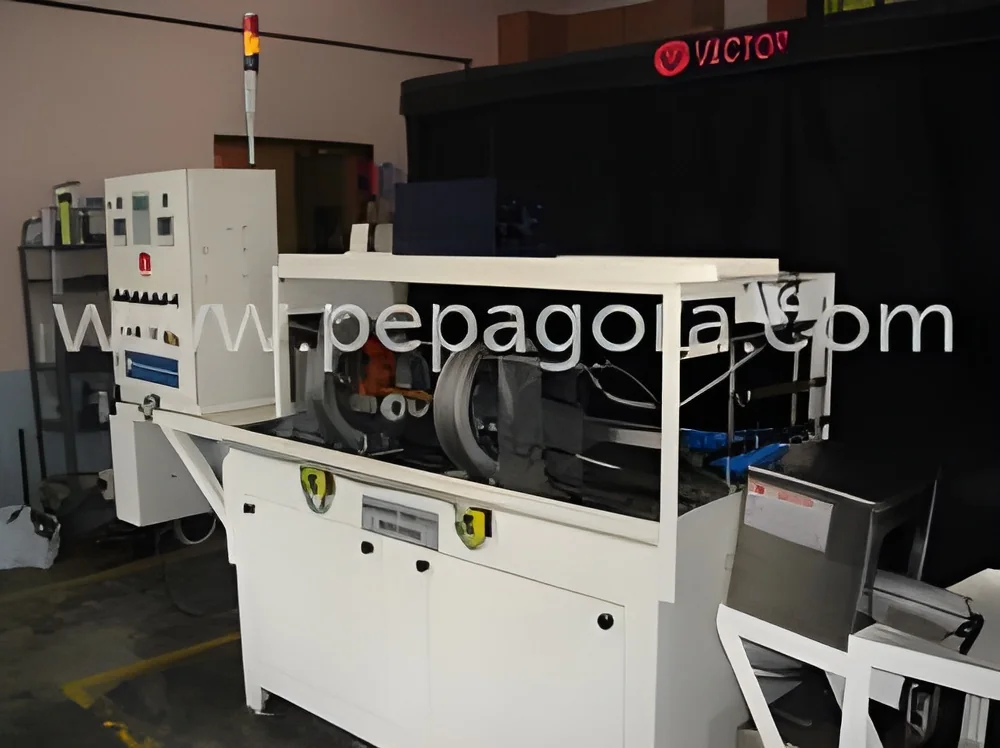
2. Vehicle Manufacturing: Manufacturers depend on specialized tools for assembly lines, including robotic arms and automated machinery to ensure efficiency and precision.
3. Fleet Maintenance Services: Companies managing large fleets use automotive tools for regular inspections and repairs to minimize downtime and maintain operational efficiency.
4. Racing Teams: High-performance automotive teams require advanced tools for vehicle setup, tuning, and maintenance, ensuring optimal performance on the track.
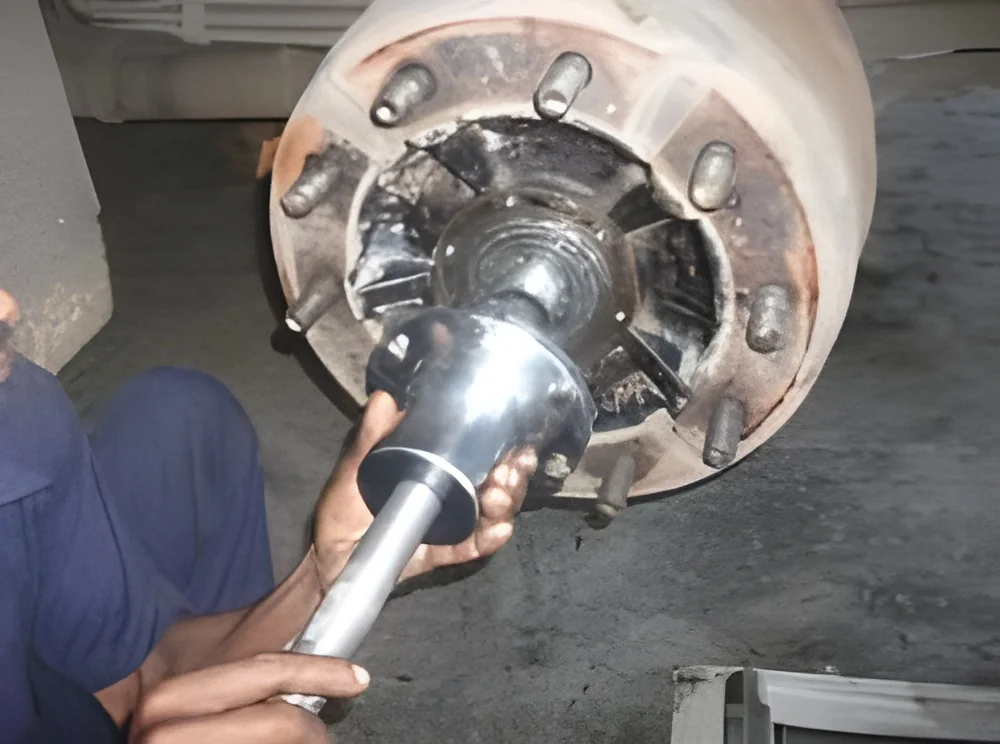
5. Heavy-Duty Vehicles: Tools designed for larger vehicles like trucks and buses are essential for servicing and maintaining these commercial vehicles.
6. Automotive Parts Suppliers: These suppliers often require tools for inspecting and testing parts to ensure quality before distribution.
7. DIY Enthusiasts: Individuals working on their own vehicles rely on various tools for repairs and modifications, emphasizing the need for accessible and user-friendly equipment.
𝗣𝗿𝗼𝗱𝘂𝗰𝘁 𝗩𝗮𝗿𝗶𝗮𝗻𝘁𝘀 𝗮𝗻𝗱 𝗦𝘂𝗯𝗰𝗮𝘁𝗲𝗴𝗼𝗿𝗶𝗲𝘀
Automotive tools and equipment encompass a wide range of products that cater to different needs and applications.
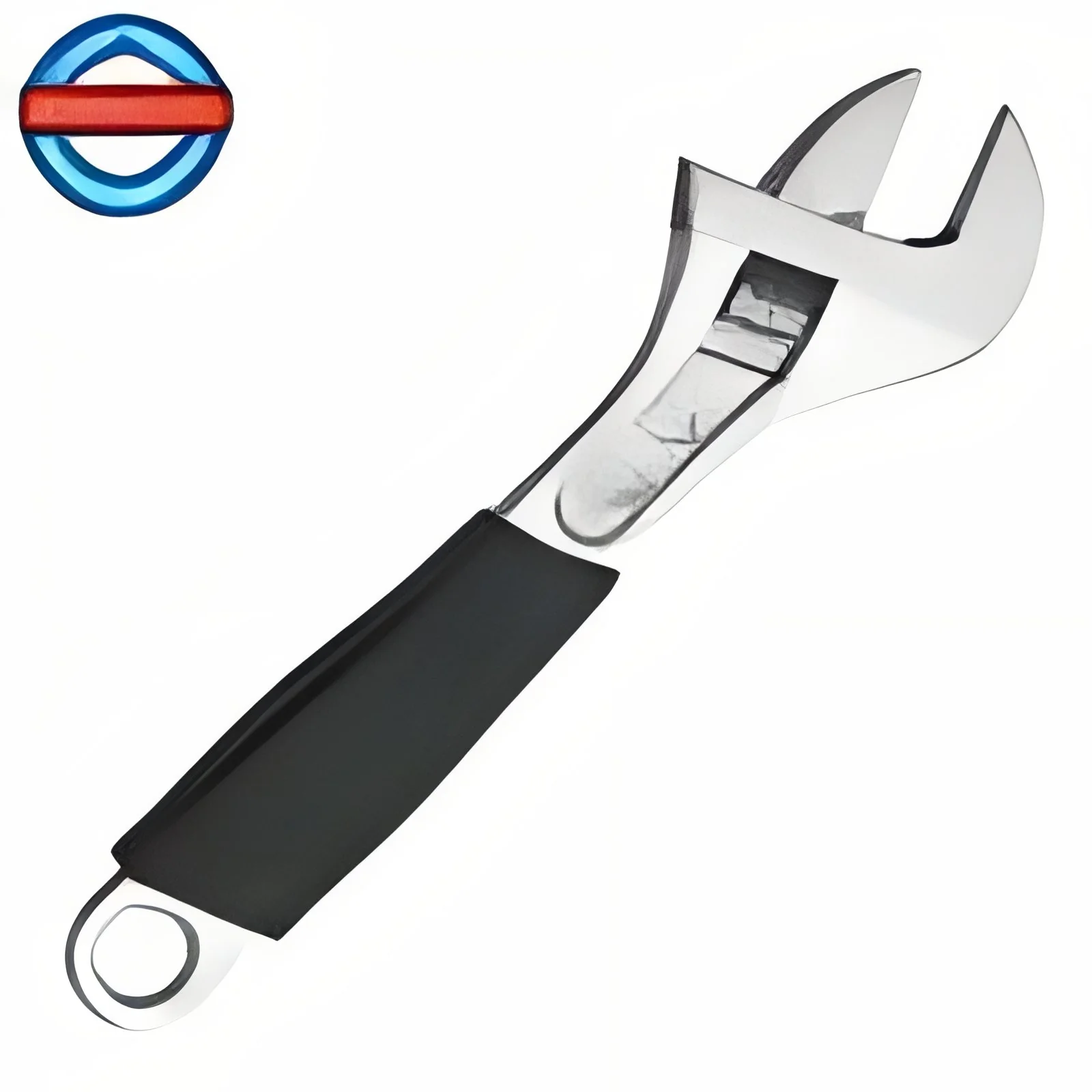
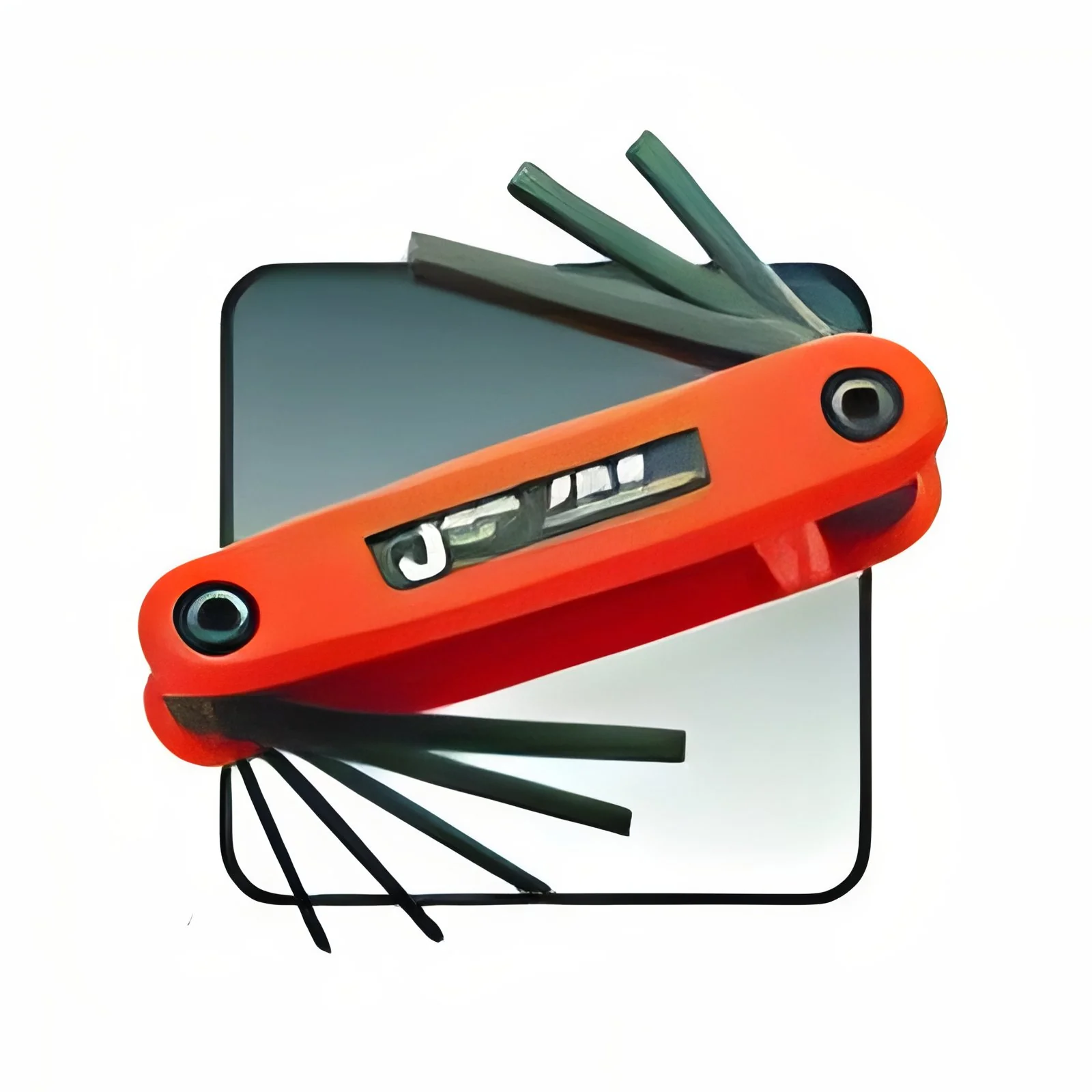
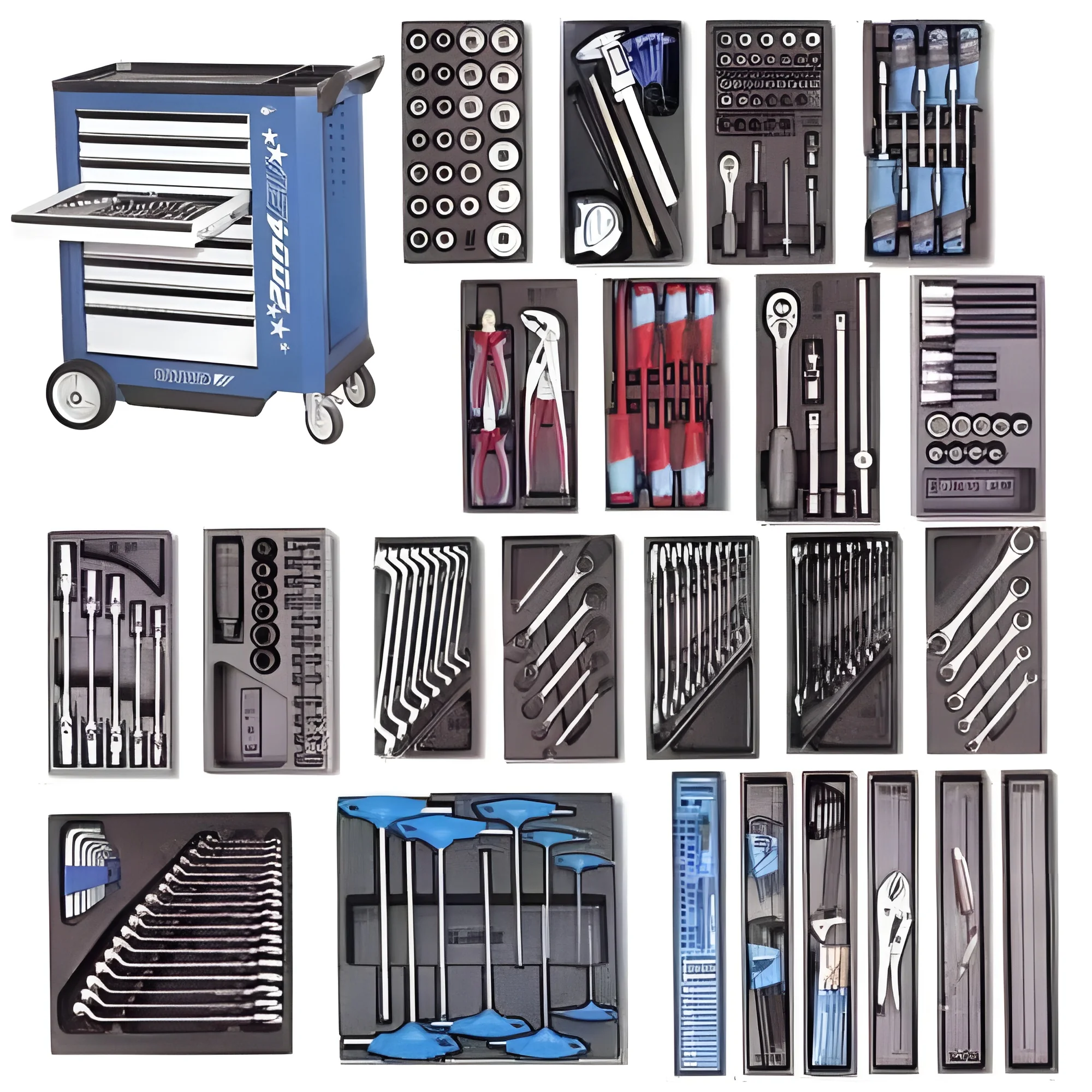
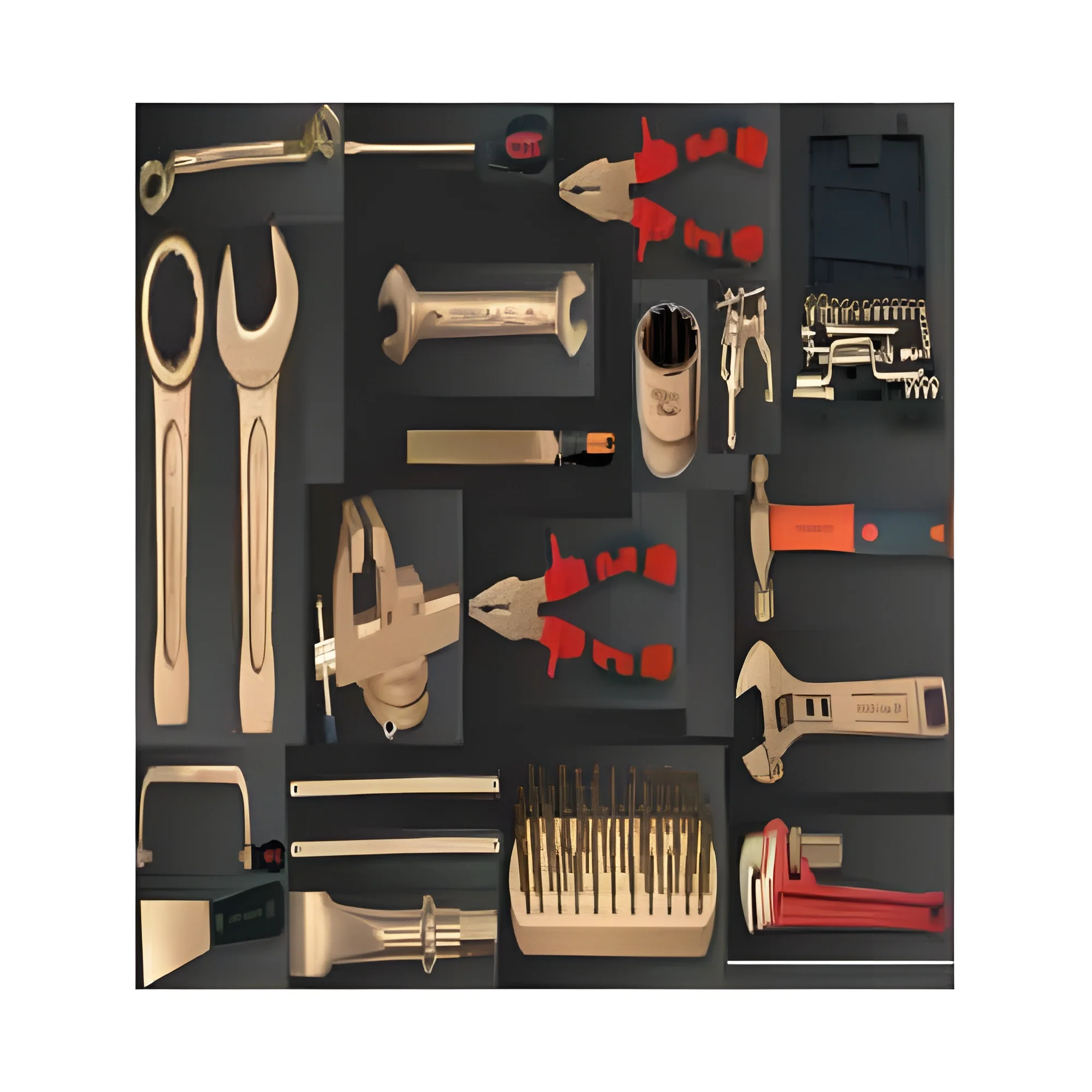
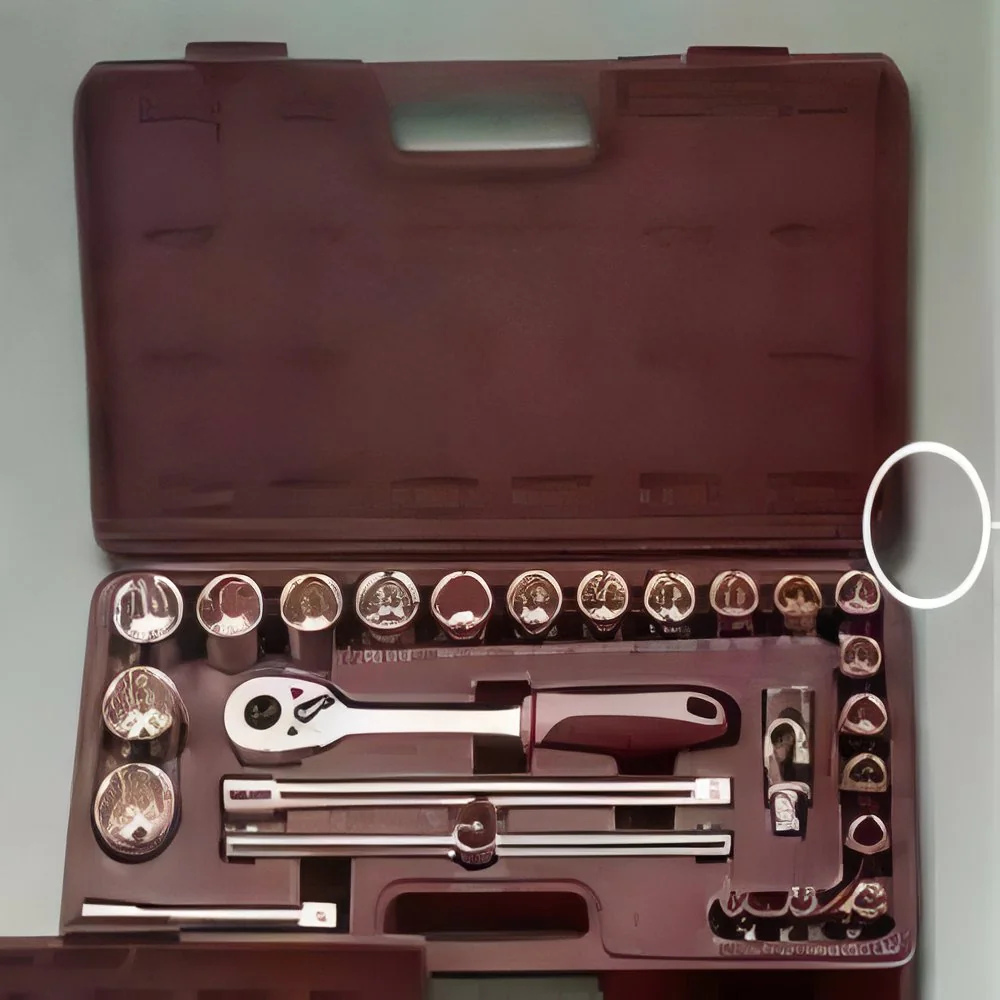
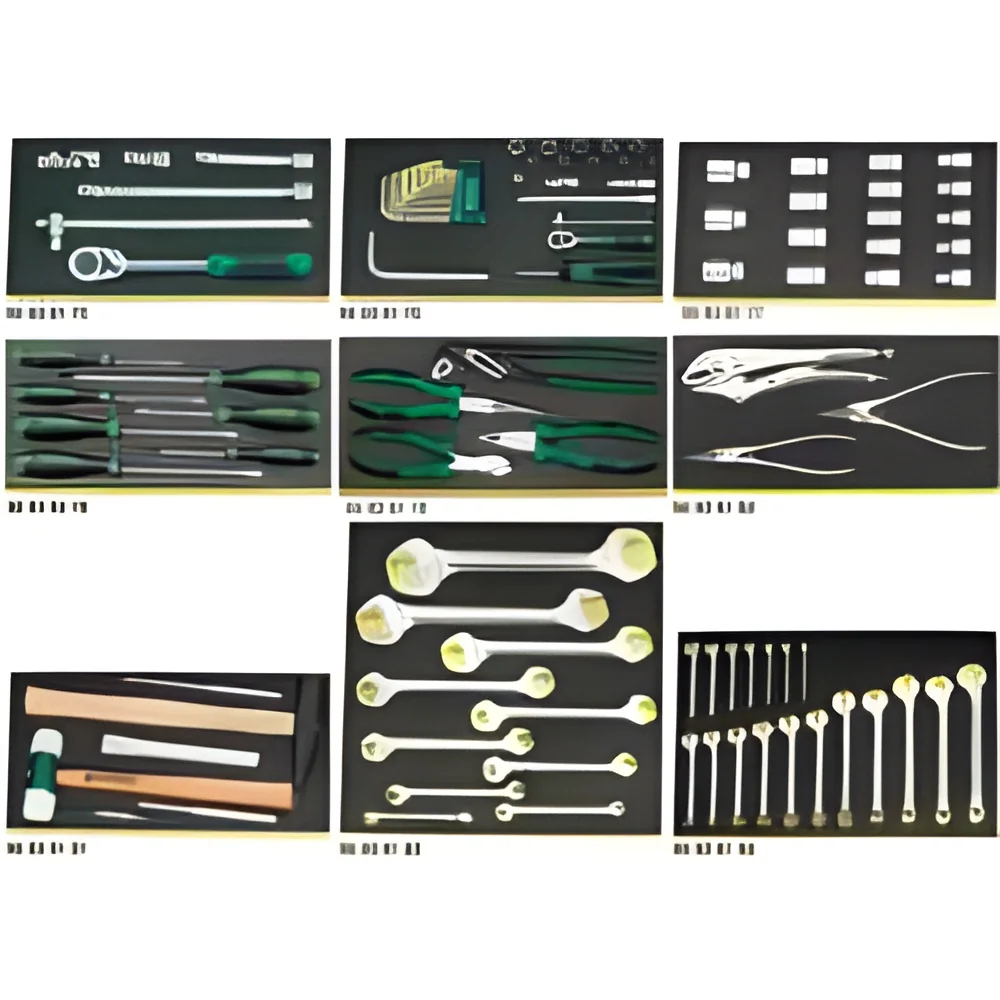
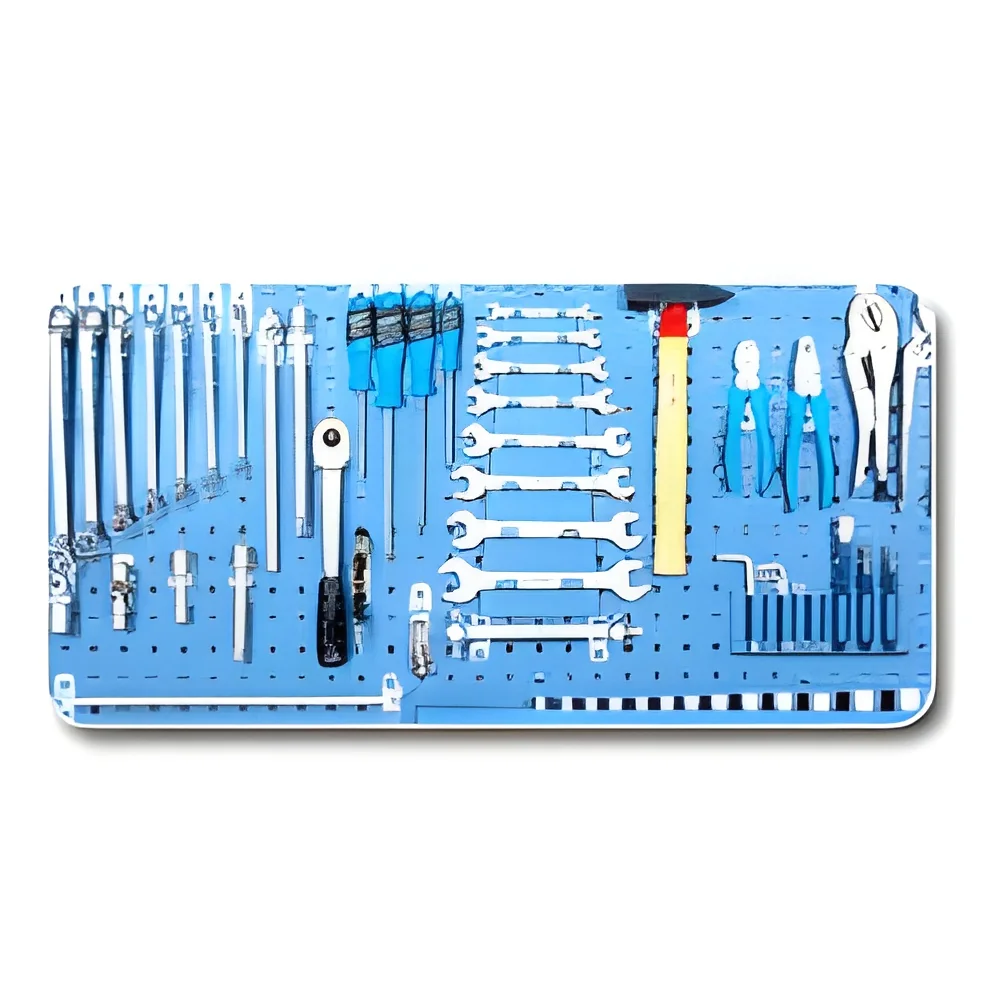
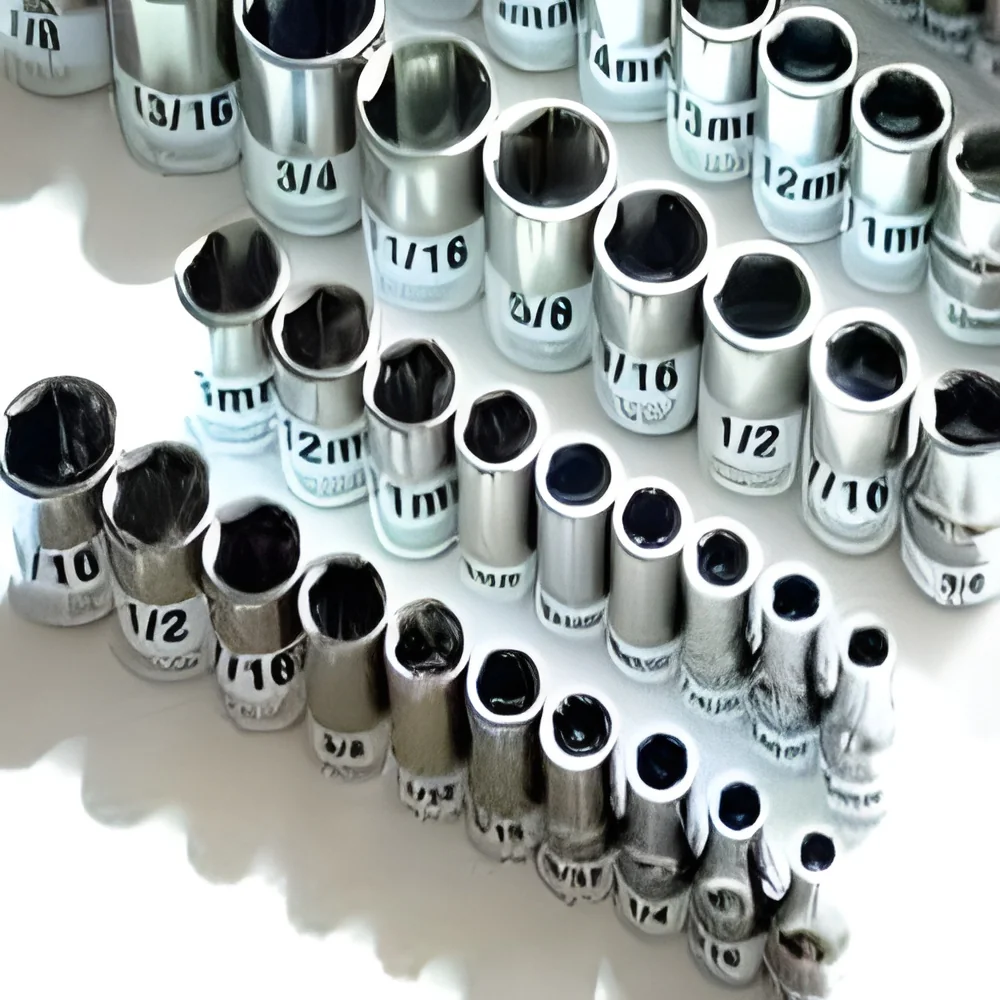
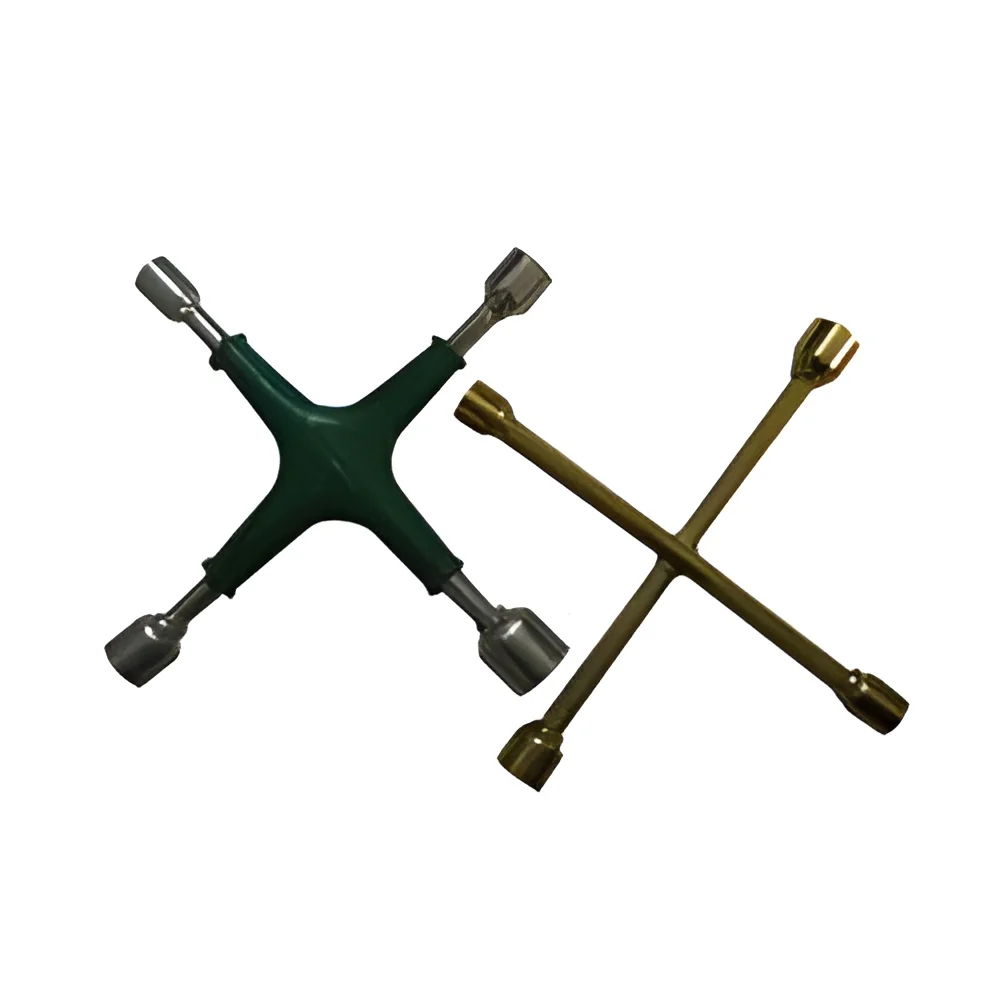
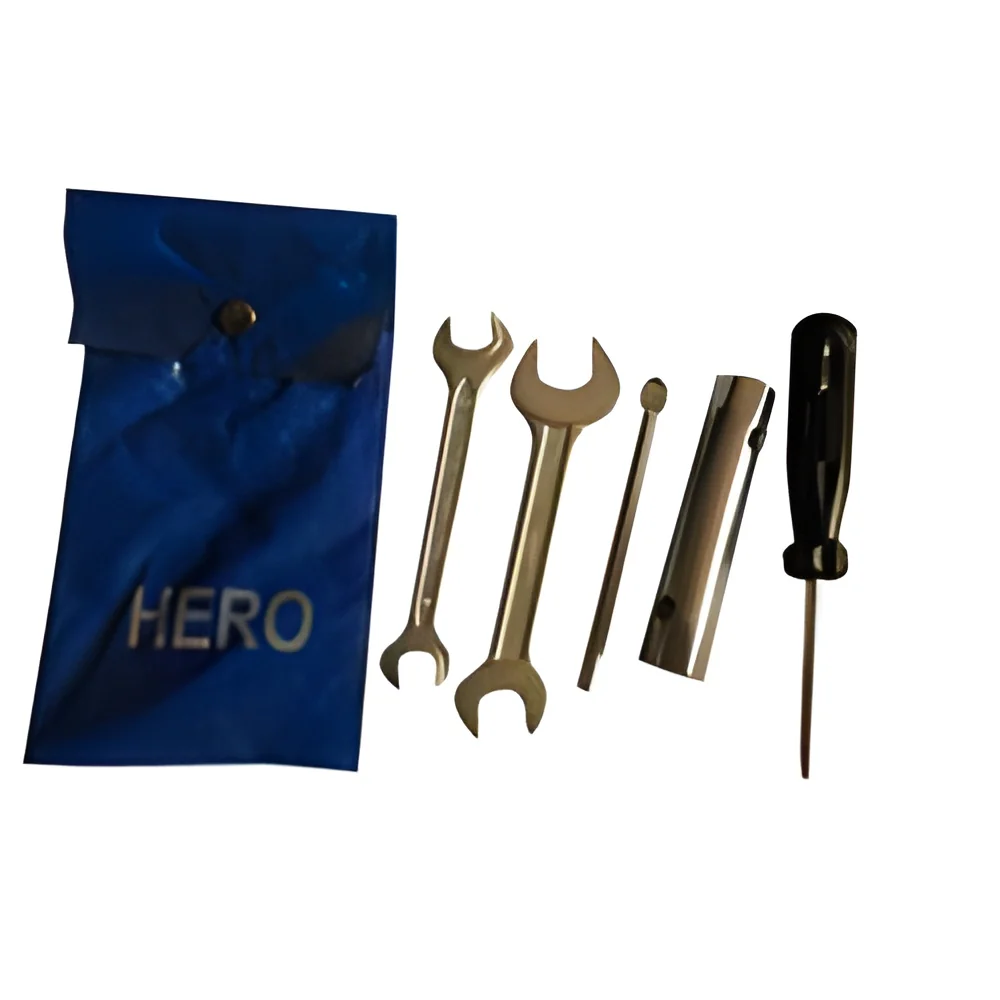
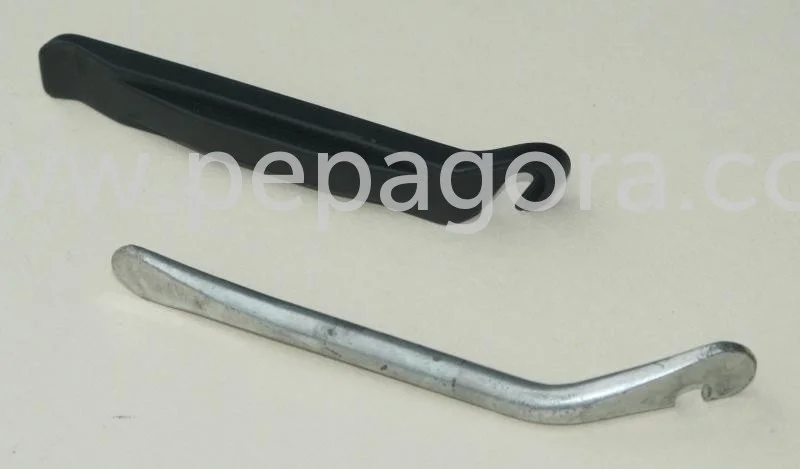
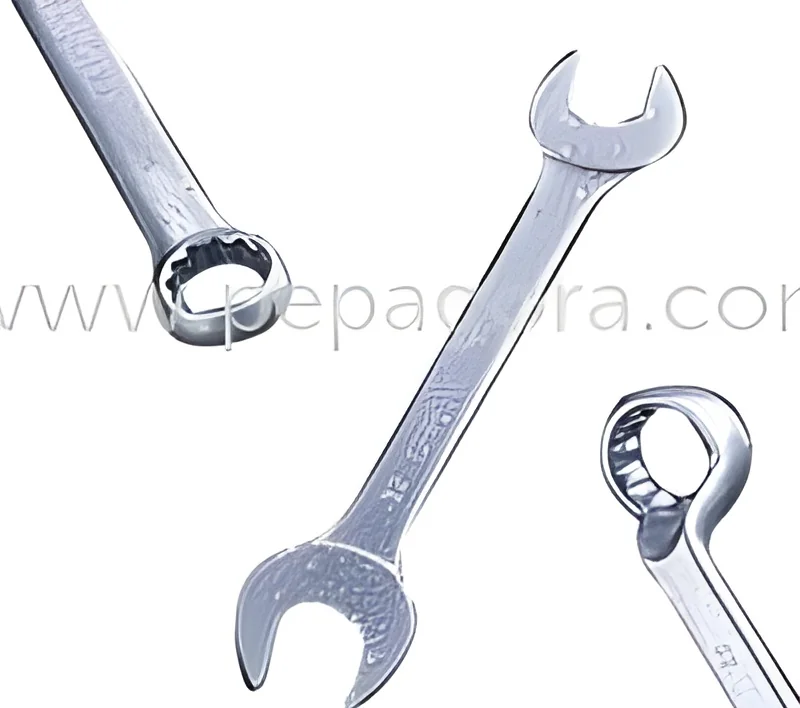
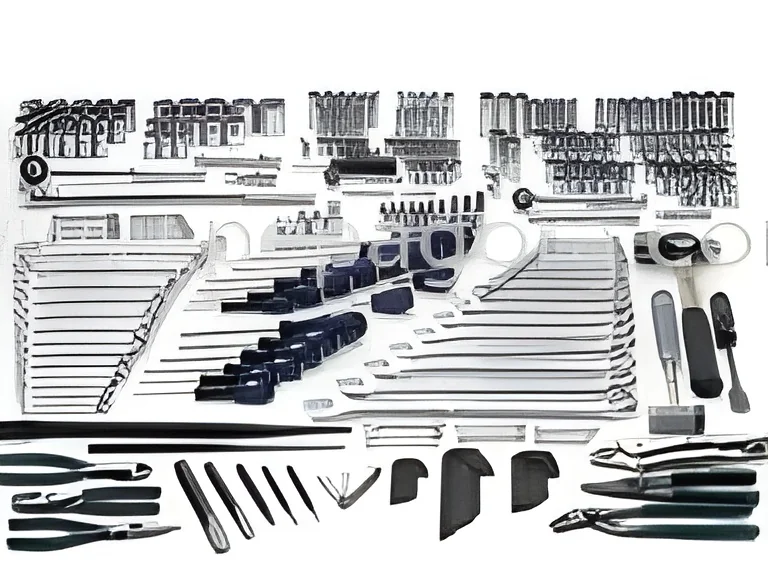
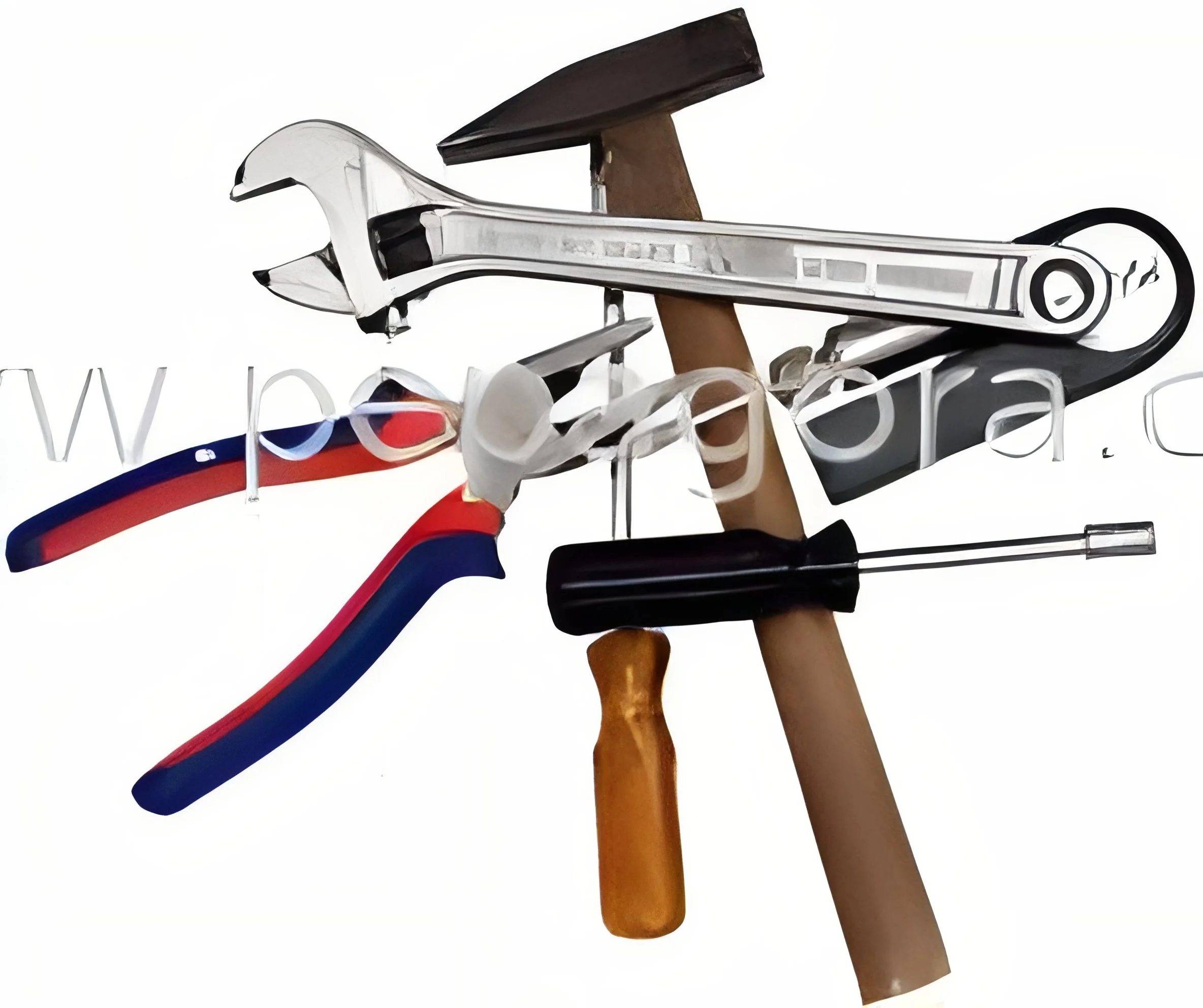
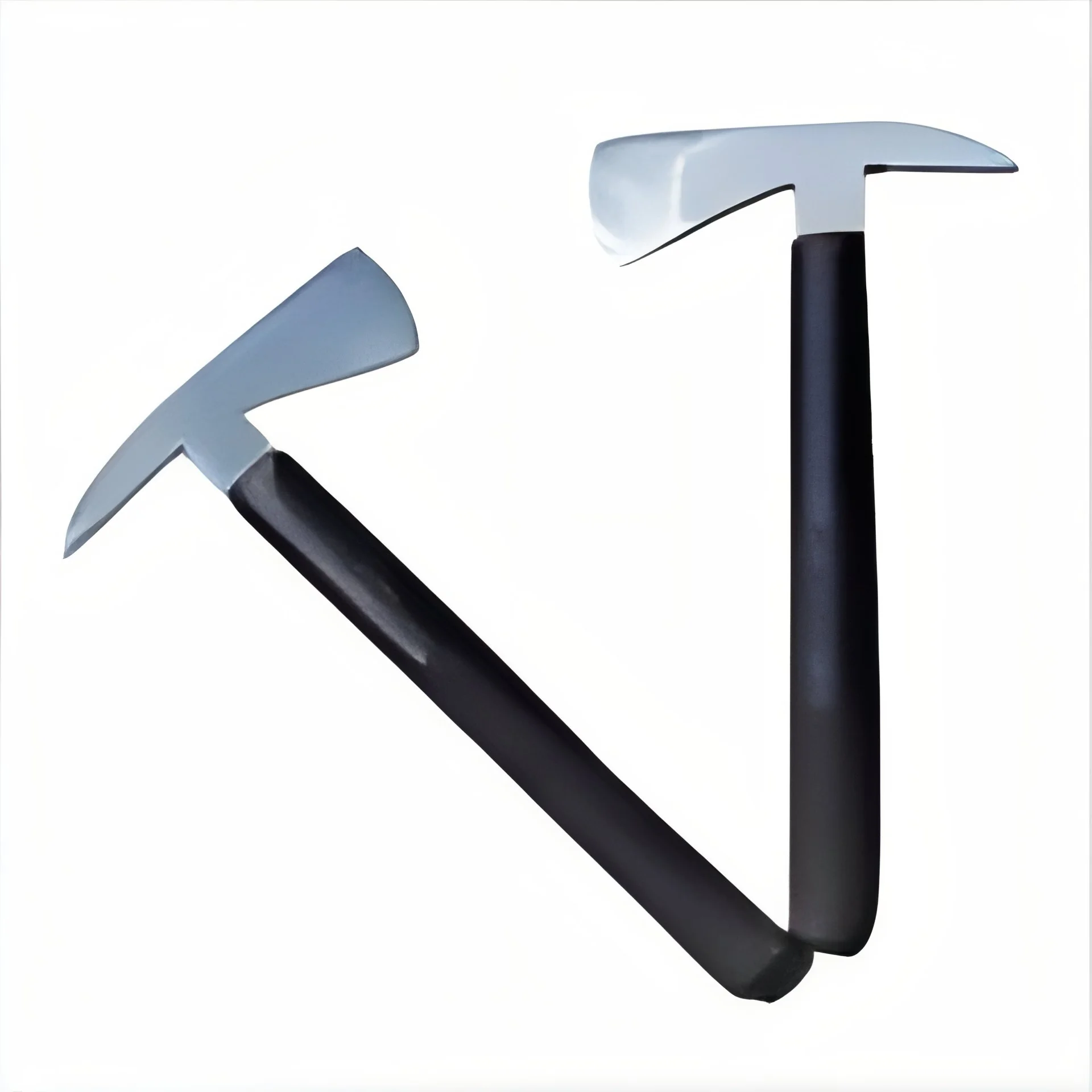
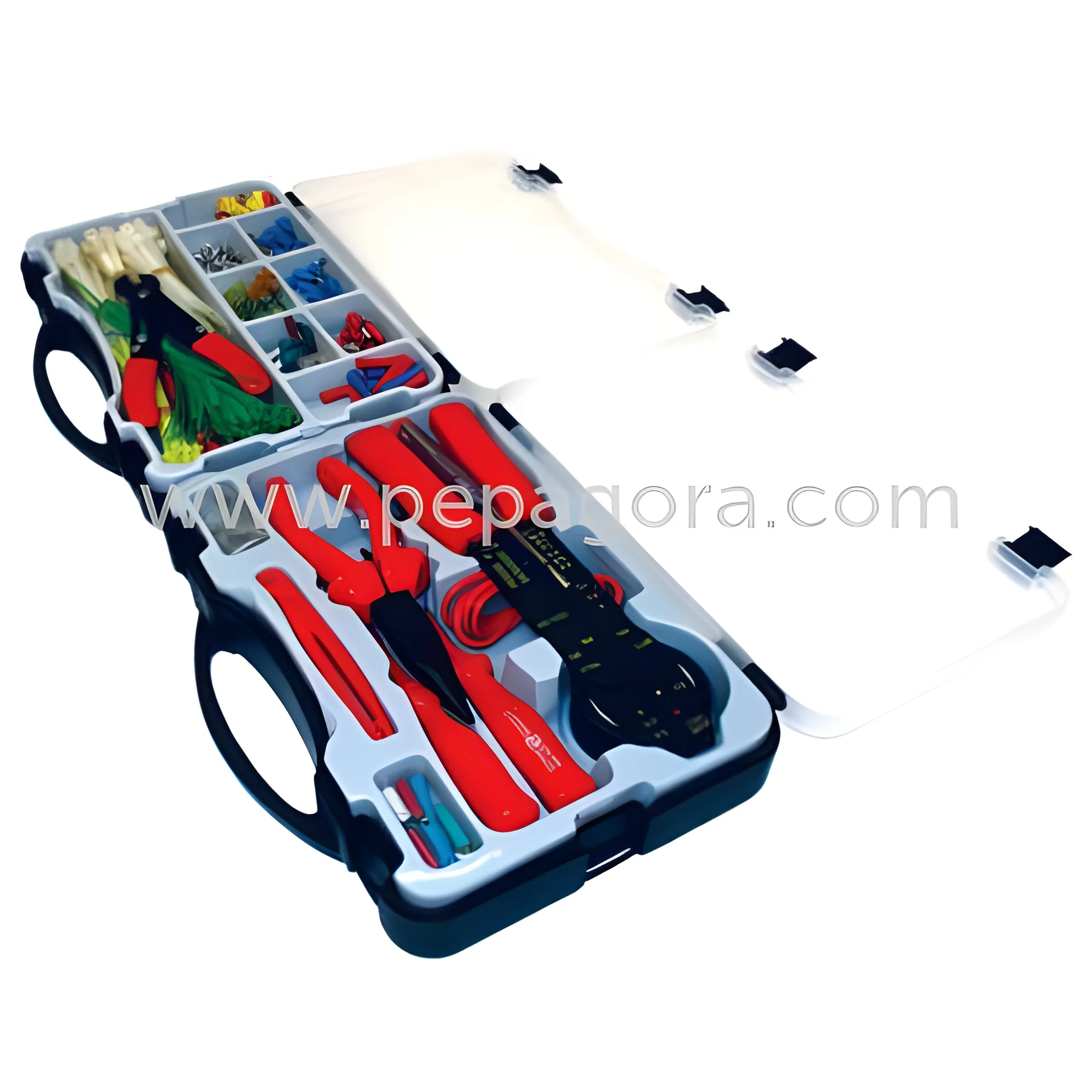
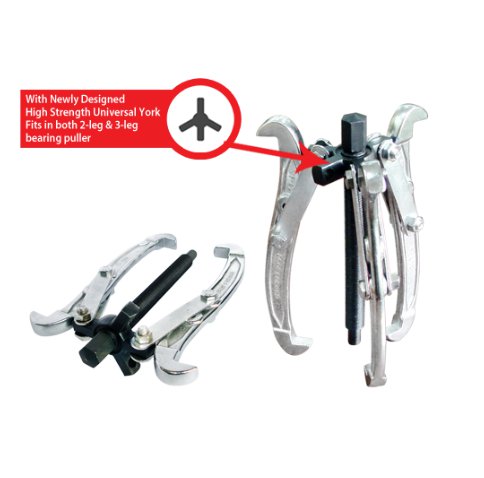
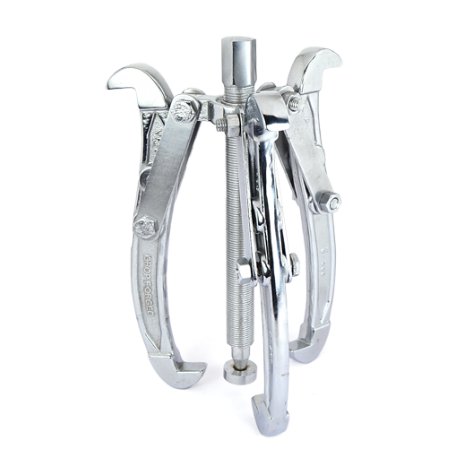
Hand Tools: This category includes wrenches, sockets, pliers, and screwdrivers, essential for general repairs and maintenance tasks. They offer a variety of sizes and styles to accommodate different automotive applications.
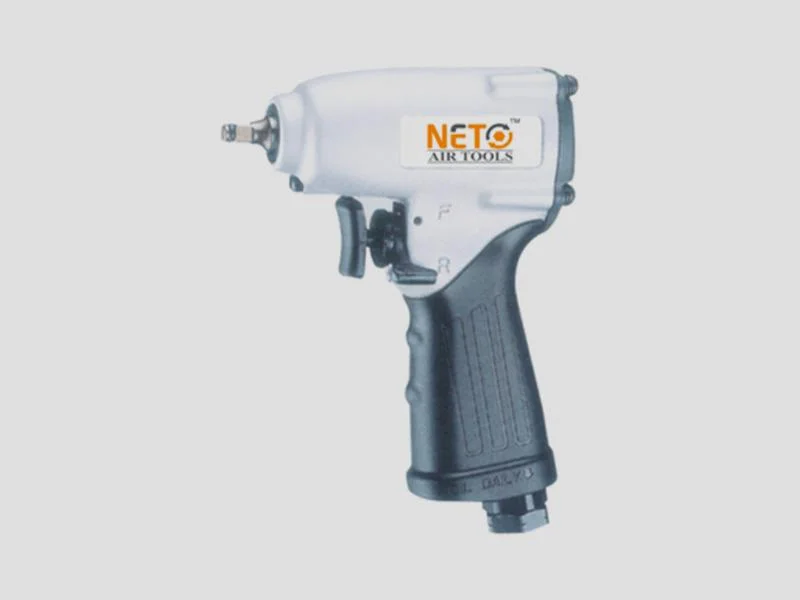
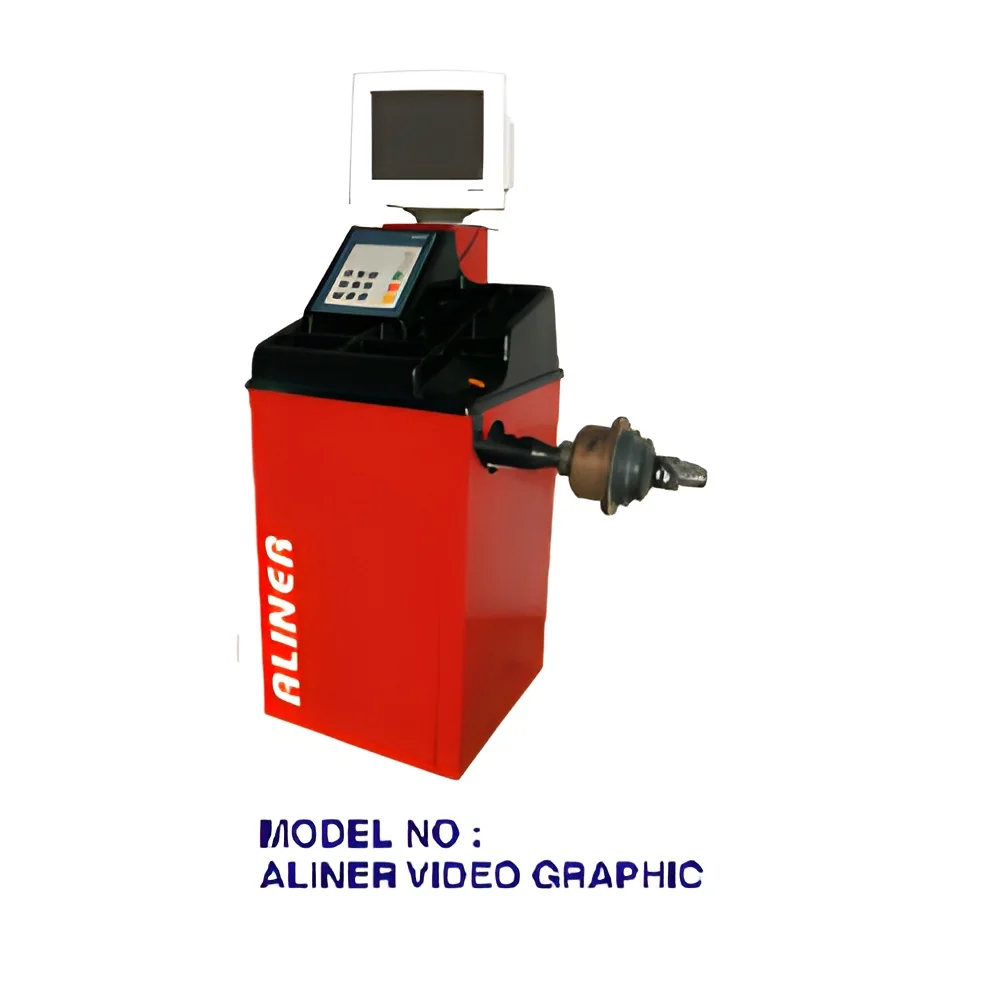
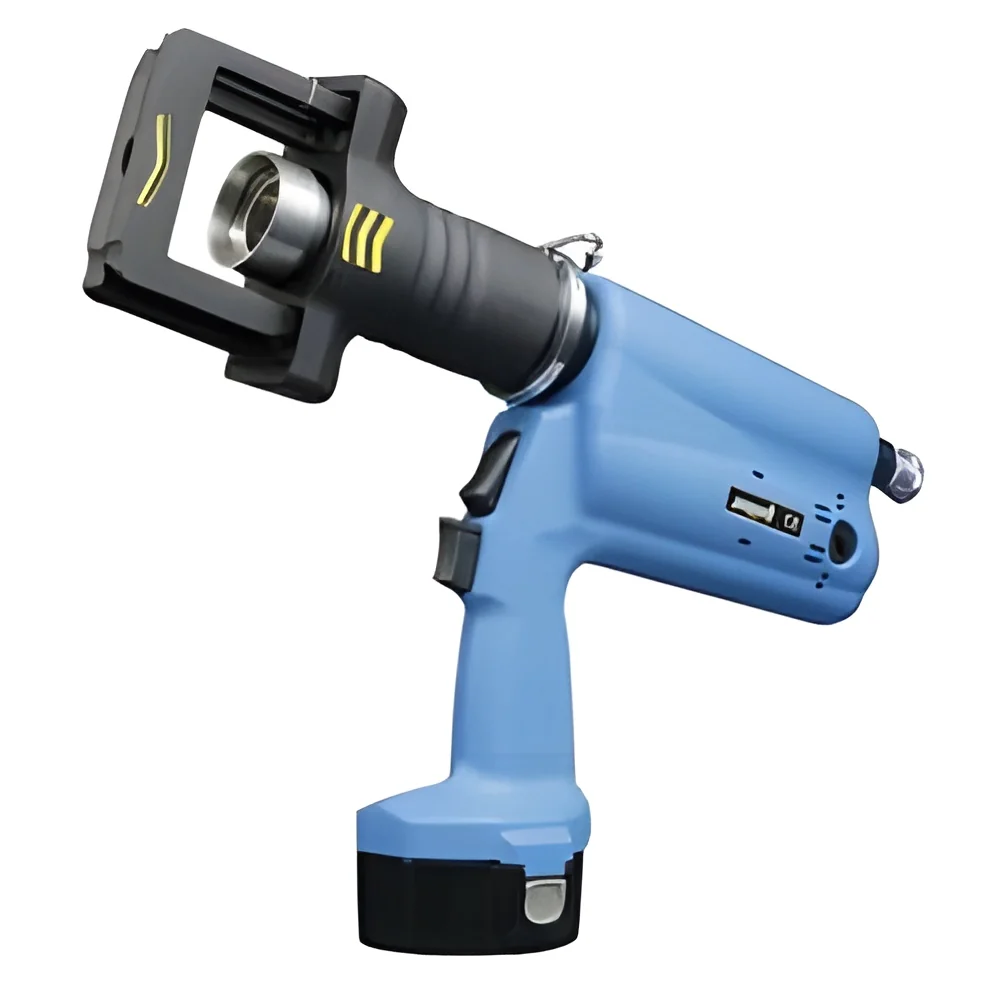
Power Tools: Electric tools such as impact wrenches and drills provide enhanced efficiency and speed for tasks like tire changes and engine assembly. They are designed to reduce manual labor and improve productivity.
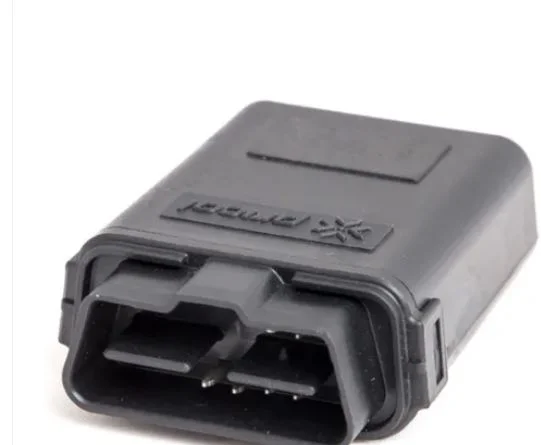
Diagnostic Equipment: Tools such as OBD-II scanners and multimeters are crucial for identifying vehicle issues. These tools help technicians diagnose problems accurately and efficiently.
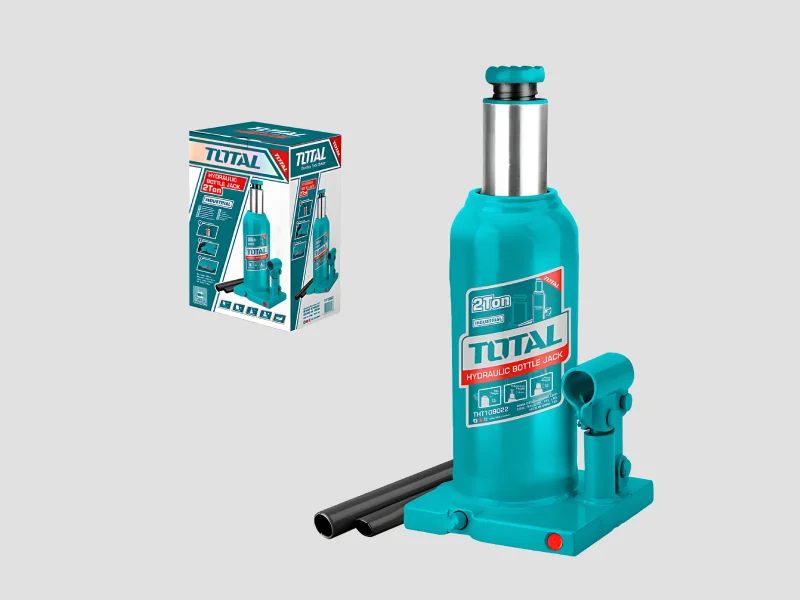
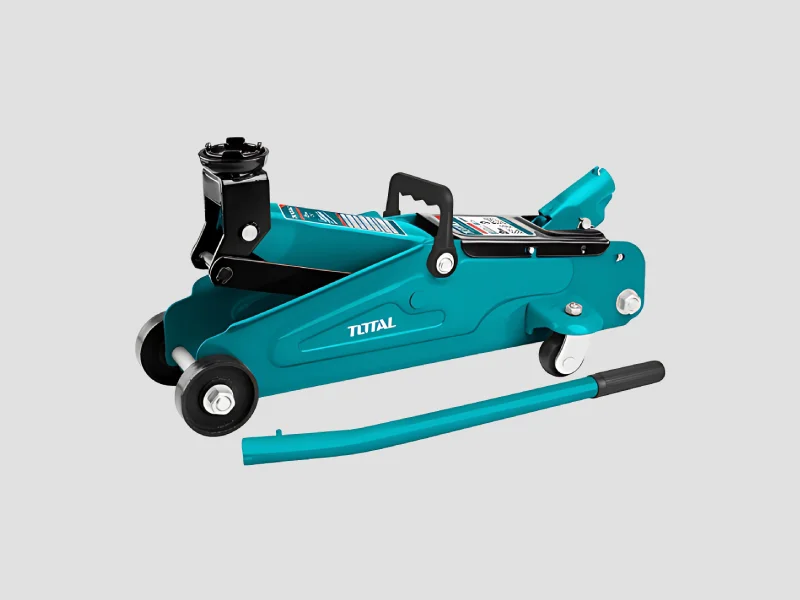
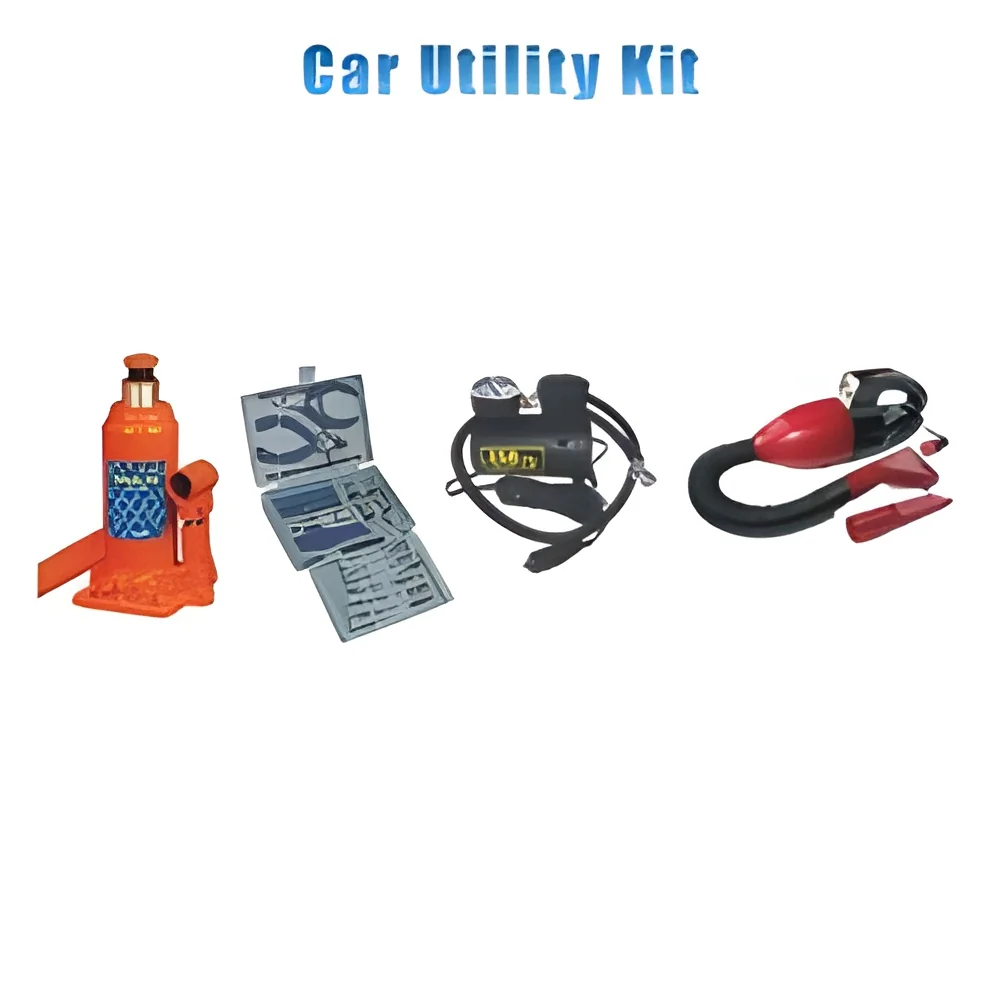
Lifting Equipment: Items such as hydraulic lifts and jacks are necessary for accessing the undercarriage of vehicles. They provide the necessary elevation for safe and effective repairs.
𝗕𝗲𝗻𝗲𝗳𝗶𝘁𝘀 𝗮𝗻𝗱 𝗔𝗱𝘃𝗮𝗻𝘁𝗮𝗴𝗲𝘀
Investing in quality automotive tools and equipment provides several key benefits.
1. Increased Efficiency: Quality tools streamline repair and maintenance tasks, allowing technicians to work faster and complete jobs in less time.
2. Improved Accuracy: Precision tools ensure that work is done correctly, reducing the likelihood of errors and resulting in higher-quality repairs.
3. Enhanced Safety: Tools designed with safety features minimize the risk of accidents and injuries in the workplace, promoting a safer environment for technicians.
4. Cost Savings: Investing in durable and reliable tools can lead to long-term savings by reducing the need for frequent replacements and repairs.
5. Versatility: A wide range of tools can be used for various applications, enabling businesses to tackle different tasks without needing multiple specialized tools.
6. Increased Customer Satisfaction: Using quality tools helps ensure that repairs are completed to a high standard, leading to satisfied customers and repeat business.
𝗕𝘂𝘆𝗶𝗻𝗴 𝗚𝘂𝗶𝗱𝗲 𝗳𝗼𝗿 𝗕𝟮𝗕 𝗕𝘂𝘆𝗲𝗿𝘀
When sourcing automotive tools and equipment, businesses should consider several key factors to ensure they make informed decisions.
1. Quality Assessment: Evaluate the quality of the tools by reviewing materials and construction. High-quality tools often last longer and perform better under rigorous conditions.
2. Supplier Verification: Conduct due diligence on suppliers, checking their reputation and reliability. Look for suppliers with industry experience and positive customer feedback.
3. Pricing and MOQ: Consider the overall cost of the tools, including any minimum order quantities. Compare prices across suppliers to ensure competitive pricing while maintaining quality.
4. Delivery and Lead Times: Assess the supplier's ability to deliver products on time. Timely delivery is crucial to maintaining operational efficiency and meeting customer demands.
5. Compliance Requirements: Ensure that the tools meet relevant industry standards and regulations. Check for certifications such as CE, which indicate compliance with safety and quality standards.
𝗖𝗼𝗺𝗽𝗹𝗶𝗮𝗻𝗰𝗲 𝗮𝗻𝗱 𝗖𝗲𝗿𝘁𝗶𝗳𝗶𝗰𝗮𝘁𝗶𝗼𝗻𝘀
Automotive tools and equipment must adhere to various compliance and certification standards to ensure safety and reliability. One of the primary quality standards is ISO 9001, which outlines requirements for establishing a quality management system. This certification helps businesses verify that their suppliers maintain consistent quality in their products.
Additionally, many automotive tools are required to meet CE certification, which indicates conformity with health, safety, and environmental protection standards within the European Economic Area. This certification is crucial for tools used in markets where compliance with European standards is necessary.
Safety and testing requirements for automotive tools are also vital. Tools must undergo rigorous testing to ensure they perform effectively and safely in various conditions. Regional compliance considerations vary, so businesses should be aware of local regulations that may affect the tools' use and distribution.
𝗪𝗵𝘆 𝗦𝗼𝘂𝗿𝗰𝗲 𝗔𝘂𝘁𝗼𝗺𝗼𝘁𝗶𝘃𝗲 𝗧𝗼𝗼𝗹𝘀 & 𝗘𝗾𝘂𝗶𝗽𝗺𝗲𝗻𝘁 𝗳𝗿𝗼𝗺 𝗣𝗲𝗽𝗮𝗴𝗼𝗿𝗮?
Pepagora provides a trusted platform for sourcing automotive tools and equipment, offering several key advantages to B2B buyers.
Verified Supplier Network: Pepagora connects buyers with a network of verified suppliers, ensuring that all products meet high-quality standards. This verification process builds trust and confidence in the sourcing process.
Streamlined RFQ Process: The platform offers a simplified Request for Quotation (RFQ) process, allowing buyers to quickly and efficiently obtain quotes from multiple suppliers. This system saves time and helps buyers compare options effectively.
Trade Assurance and Support: Pepagora provides trade assurance to protect buyers, ensuring that their transactions are secure. This support extends to resolving disputes and ensuring a smooth purchasing experience.
Regional Coverage: With a broad geographic reach across India, the GCC, and Southeast Asia, Pepagora caters to a diverse range of customers and industries. This extensive coverage enables businesses to find the right tools and equipment tailored to their specific needs.


 India


 India
 India



 India
 India
 India
 India

 India
 India

 India
 India

 India
 India

 India
 India
 India
 India

 India
 India
 India


 India
 India
 India
 India


 India

 India
 India
 India
 India
 India

 India
 India
 India
 India

 India
 India
 India
 India
 India
 India


 India
 India

 India
 India
 India
 India
 India
 India
 India
 India
Frequently Asked Questions
What are Automotive Tools & Equipment?
Automotive Tools & Equipment refer to the various tools and devices used in the maintenance, repair, and servicing of vehicles. This category includes hand tools, power tools, diagnostic equipment, and specialized machinery designed for automotive applications.
What are the different types of Automotive Tools & Equipment?
The different types of Automotive Tools & Equipment include hand tools (like wrenches and screwdrivers), power tools (such as drills and impact wrenches), diagnostic tools (like OBD scanners), and lifting equipment (such as hydraulic lifts and jacks). Each type serves a specific purpose in vehicle maintenance and repair.
How do I choose the right Automotive Tools & Equipment?
Choosing the right Automotive Tools & Equipment involves assessing your specific needs based on the type of work you will be performing. Consider factors such as the vehicle makes and models you work on, the tools' functionality, durability, and whether they meet industry standards.
What are the standard specifications for Automotive Tools & Equipment?
Standard specifications for Automotive Tools & Equipment often include aspects such as material quality, dimensional accuracy, and safety features. Tools should comply with industry regulations and standards, such as ISO or ANSI, to ensure reliability and performance.
What is the price range for Automotive Tools & Equipment?
The price range for Automotive Tools & Equipment can vary widely depending on the type and quality of the tools. Basic hand tools can start from a few hundred rupees, while specialized equipment can cost several thousand to lakhs of rupees.
What quality standards apply to Automotive Tools & Equipment?
Quality standards for Automotive Tools & Equipment typically include adherence to international standards such as ISO 9001 and ANSI specifications. These standards ensure that the tools are manufactured to meet safety, performance, and durability requirements.
Where can I find Automotive Tools & Equipment suppliers in India?
Automotive Tools & Equipment suppliers in India can be found through various channels, including online B2B marketplaces like Pepagora, trade fairs, and industry directories. Additionally, contacting manufacturers directly can provide insights into available products and services.
Can Automotive Tools & Equipment be customized?
Yes, Automotive Tools & Equipment can often be customized based on specific requirements or preferences. Customization may include branding, design alterations, or modifications to meet unique operational needs.
What is the typical minimum order quantity for Automotive Tools & Equipment?
The typical minimum order quantity (MOQ) for Automotive Tools & Equipment can vary by supplier and product type. Generally, MOQs can range from a single unit for standard tools to larger quantities for specialized equipment or bulk purchases.
What is the typical lead time for Automotive Tools & Equipment?
The typical lead time for Automotive Tools & Equipment can range from a few days to several weeks, depending on factors such as product availability, order quantity, and supplier location. It's advisable to confirm lead times with the supplier before placing an order.
Why Businesses Trust Pepagora
Thousands of companies trust Pepagora to source smarter and sell faster
Expand Your Sales Globally

Source Smarter,Grow Faster
