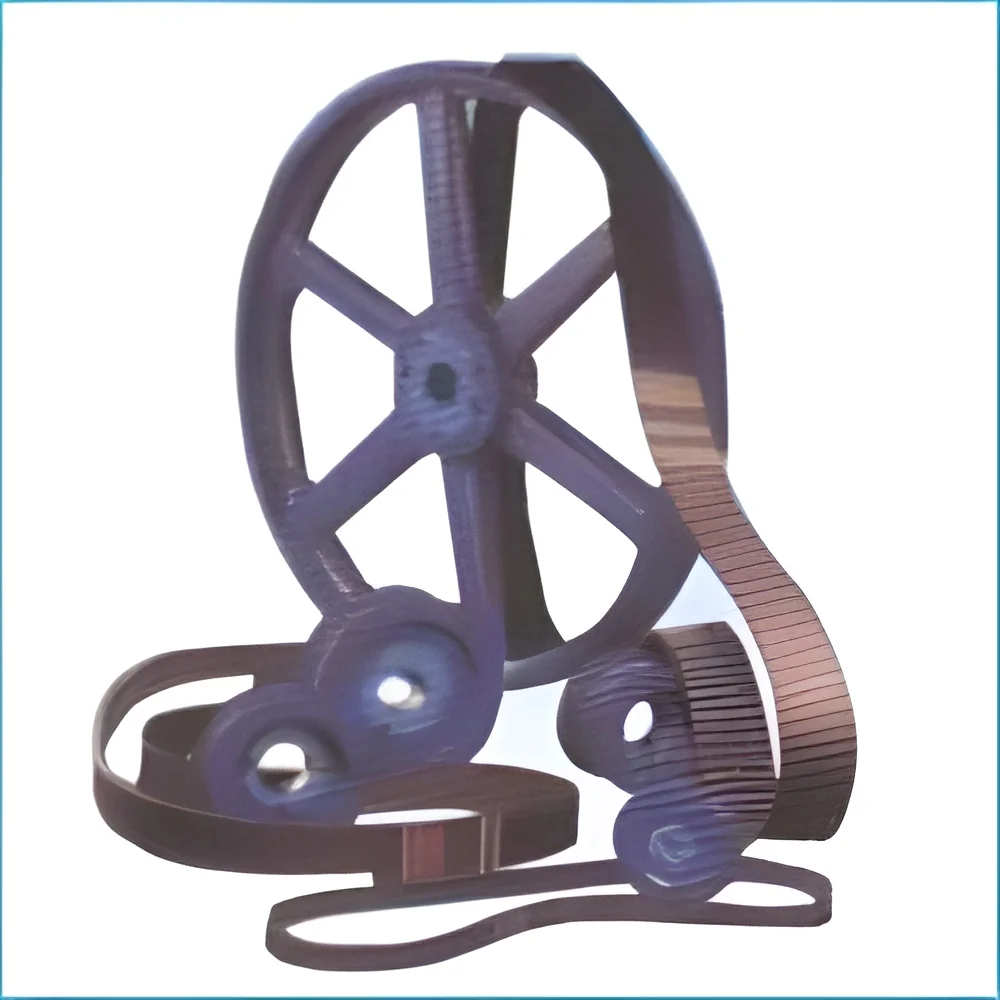
What are Timing Tools & Engine Locking Tools?
Timing tools and engine locking tools are precision instruments used in automotive and industrial applications to ensure accurate timing and alignment of engine components. These tools help technicians lock various engine parts in place during maintenance or repair activities, allowing for precise adjustments and installations. They play a critical role in maintaining engine performance and longevity by ensuring that components such as camshafts and crankshafts are correctly aligned.
The primary uses of timing and engine locking tools include timing belt or chain replacement, valve adjustments, and other engine repairs that require specific alignment. They are essential for automotive repair shops, engine rebuilders, and manufacturers in various industries. Their importance extends to ensuring compliance with manufacturer specifications and maintaining warranty standards. With the growing complexity of modern engines, the demand for reliable timing and locking tools continues to rise, making them a vital part of the automotive service sector.
In the context of the market, timing tools and engine locking tools are relevant across multiple industries, including automotive, aerospace, and heavy machinery. As engines become more advanced, the tools used to service them must also evolve. This has led to an increased focus on quality and precision in tool manufacturing, driving innovation and competition within the industry.
Key Features and Specifications
Timing tools and engine locking tools are designed with several key features that enhance their usability and effectiveness. These tools are crafted to meet rigorous standards for quality and performance, ensuring they can withstand the demands of professional use.
Key specifications include:
1. Material Quality
- Typically made from high-strength steel or aluminum alloys
- Designed for durability and resistance to wear
2. Precision Manufacturing
- Tolerances typically within 0.01mm to 0.05mm
- Ensures accurate alignment and locking
3. Tool Compatibility
- Designed for specific vehicle makes and models
- Often includes multiple adapters for versatility
4. Ease of Use
- Ergonomic designs for better handling
- Clear markings for quick reference during use
5. Portability
- Compact sizes for easy storage and transport
- Often comes with a carrying case
6. Corrosion Resistance
- Coated or treated to prevent rust and deterioration
- Enhances longevity of the tool
7. Compliance Standards
- Meets industry standards such as CE certification
- Ensures reliability and safety in use
In summary, the features and specifications of timing tools and engine locking tools emphasize quality, precision, and user-friendliness, making them essential for professionals in various engineering fields.
Common Applications and Use Cases
Timing tools and engine locking tools are utilized across several industries, reflecting their broad applicability and importance in maintaining engine performance.
1. Automotive Industry: These tools are critical for performing timing belt replacements, engine rebuilds, and valve adjustments, ensuring that engines operate smoothly and efficiently.
2. Aerospace Industry: Timing tools are used in aircraft engine maintenance, where precision is crucial for safety and performance, particularly in turbojet and turbofan engines.
3. Heavy Machinery: Engine locking tools assist in servicing large equipment engines, such as those found in construction machinery and agricultural vehicles, where accurate timing is vital for operational efficiency.
4. Marine Applications: These tools are employed in marine engine repairs, particularly for outboard motors and inboard engines, where reliability is essential for safety at sea.
5. Industrial Equipment: Timing tools are used to maintain generators and other industrial engines, ensuring they operate at peak performance.
6. Motorcycle Repair: Engine locking tools are essential for servicing motorcycle engines, particularly during valve adjustments and timing chain replacements.
7. Performance Tuning: Automotive enthusiasts utilize timing tools to modify and tune high-performance engines, ensuring optimal performance and reliability.
Product Variants and Subcategories
Timing tools and engine locking tools come in various forms to cater to different needs and applications. This diversity allows users to select the right tool for their specific tasks.
Engine Timing Tool Kit
This kit typically includes a range of tools for various engine makes and models, allowing technicians to perform timing adjustments and repairs efficiently. Kits often come with locking pins and alignment tools for comprehensive engine service.
Camshaft Locking Tool
A specialized tool designed to hold the camshaft in place during timing belt or chain replacement. This tool ensures that the camshaft does not move while adjustments are made, maintaining precise timing.
Crankshaft Position Tool
This tool is essential for aligning the crankshaft during engine assembly or disassembly. It helps ensure that the crankshaft is in the correct position for timing adjustments.
Dual Cam Timing Tool
Designed for engines with dual camshafts, this tool helps lock both camshafts in place, ensuring accurate timing synchronization during repairs.
Benefits and Advantages
Timing tools and engine locking tools offer numerous benefits to users, enhancing their effectiveness in engine maintenance and repair.
Key benefits include:
1. Improved Precision: These tools allow for exact alignment of engine components, reducing the risk of errors during installation or repair.
2. Enhanced Efficiency: By locking components in place, technicians can perform adjustments more quickly and accurately, minimizing downtime.
3. Increased Longevity: Proper use of timing tools can extend the lifespan of engine components by ensuring they are correctly aligned and functioning.
4. Safety Assurance: With precise timing, the risk of engine failure or malfunction is significantly reduced, enhancing safety for operators and users.
5. Cost-Effective Solution: Investing in quality timing tools can reduce long-term repair costs by preventing misalignments that lead to further engine damage.
6. Versatility: Many timing tools are designed to be compatible with multiple makes and models, making them useful across various applications.
Buying Guide for B2B Buyers
When sourcing timing tools and engine locking tools, several factors should be taken into consideration to ensure quality and reliability.
1. Quality Assessment: Buyers should look for tools made from high-quality materials that meet industry standards. Checking for certifications, such as CE, can also indicate quality.
2. Supplier Verification: It is crucial to vet suppliers to ensure they have a history of providing reliable products. Requesting references or samples can help assess their capabilities.
3. Pricing and MOQ: Understand the pricing structure and minimum order quantities (MOQ) before making a purchase. Comparing prices across different suppliers can help in finding the best deal.
4. Delivery and Lead Times: Consider the logistics involved in ordering tools, including delivery times. Ensure that the supplier can meet your timeline for production and repairs.
5. Compliance Requirements: Be aware of any regulatory requirements specific to your industry or region. Ensuring compliance can prevent legal issues and enhance safety.
Compliance and Certifications
Compliance and certifications are critical in the manufacturing and use of timing tools and engine locking tools. These tools must adhere to relevant quality standards to ensure reliability and safety.
Many tools are manufactured in compliance with ISO 9001 standards, which emphasize quality management systems and continuous improvement. This certification ensures that products consistently meet customer and regulatory requirements.
Additionally, CE certification indicates that the tools meet European safety, health, and environmental protection standards. This certification is crucial for products sold in European markets and is often required by regulatory bodies.
Safety and testing requirements are also paramount, as tools must be able to withstand the rigors of professional use without failure. Regular testing and quality checks during production help maintain high standards.
Regional compliance considerations may vary, so it is essential for buyers to understand the specific regulations that apply to their area, ensuring that the tools are safe and legally compliant for use.
Why Source Timing Tools & Engine Locking Tools from Pepagora?
Pepagora offers a trusted platform for sourcing timing tools and engine locking tools, providing several key advantages for B2B buyers.
The verified supplier network ensures that all vendors on the platform have been thoroughly vetted for quality and reliability. This gives buyers confidence in the products they purchase, reducing the risk of acquiring substandard tools.
The streamlined RFQ process simplifies the quotation system, allowing buyers to quickly and efficiently request quotes from multiple suppliers. This saves time and enables buyers to compare options easily.
Trade assurance and support services guarantee buyer protection throughout the purchasing process. This feature provides peace of mind, knowing that there is recourse in case of issues with orders.
Furthermore, Pepagora's regional coverage extends across India, the GCC, and Southeast Asia, allowing for a broad reach in sourcing tools. This geographic diversity enhances the likelihood of finding the right products suited for specific local needs.

 IN
IN