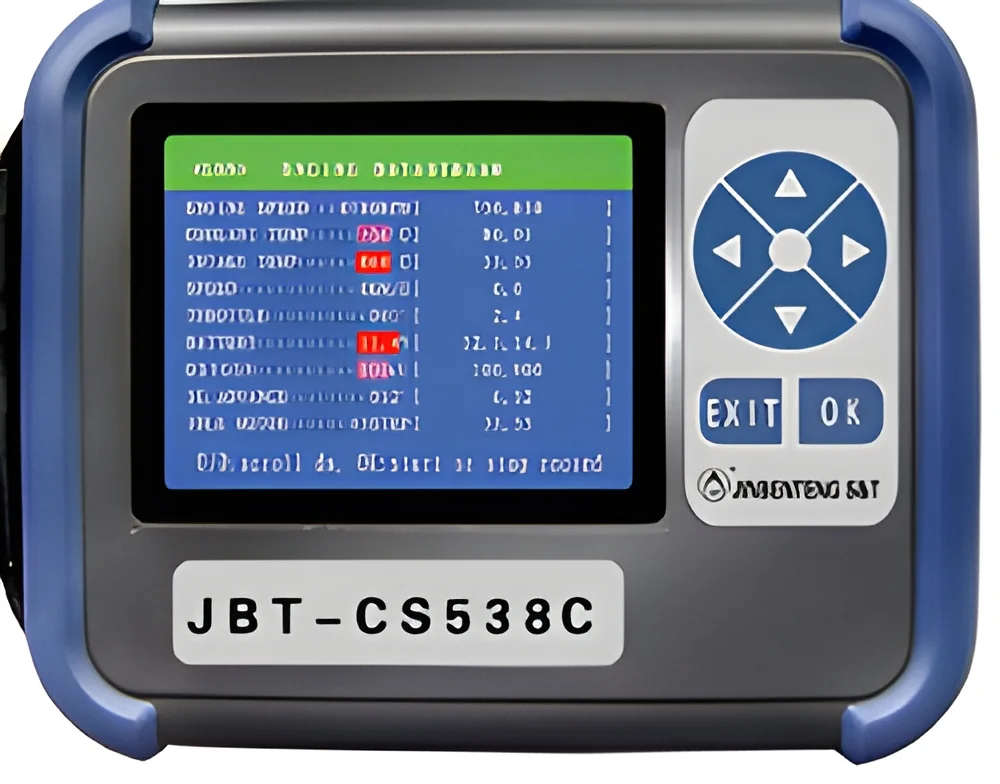
What are Diagnostic Software & Scanners?
Diagnostic software and scanners are specialized tools designed to analyze and troubleshoot various systems within industrial and automotive environments. These tools interface with machinery or vehicles to retrieve data, identify faults, and monitor performance. By utilizing advanced algorithms and data processing, they help technicians and operators diagnose issues efficiently and accurately.
The primary uses of diagnostic software and scanners range from routine maintenance checks to complex fault diagnosis. Industries such as automotive repair, manufacturing, and healthcare use these tools to ensure equipment remains operational and to extend its lifespan. They are essential for improving productivity and reducing downtime, making them invaluable assets in any technical domain.
As industries increasingly rely on technology, the market for diagnostic software and scanners has expanded. The demand for these tools reflects the growing need for precision and efficiency in operations. Companies that invest in diagnostic capabilities often gain a competitive edge by minimizing costs associated with equipment failure and maximizing operational uptime.
Key Features and Specifications
Diagnostic software and scanners come equipped with a host of features that enhance their functionality and usability. These features allow businesses to tailor their diagnostic processes to meet specific needs.
Key specifications include:
1. User Interface
- Intuitive design for ease of use
- Customizable dashboards for quick access to essential data
2. Compatibility
- Supports a wide range of vehicles and equipment models
- Integration with existing management software systems
3. Data Retrieval
- Ability to read and clear diagnostic trouble codes (DTCs)
- Real-time data monitoring and logging capabilities
4. Reporting Tools
- Generates detailed reports for analysis and record-keeping
- Export options for various file formats (e.g., PDF, CSV)
5. Update Frequency
- Regular software updates to ensure compatibility with new models
- Access to the latest diagnostic protocols and standards
6. Connectivity
- Options for wired and wireless connections to devices
- Cloud-based storage for remote access and data sharing
7. Diagnostic Capabilities
- Comprehensive testing functions such as sensor checks and system status
- Ability to run specific tests based on vehicle type or machinery
8. Technical Support
- Access to customer support and troubleshooting assistance
- Online resources such as manuals and FAQs for user guidance
In summary, the features and specifications of diagnostic software and scanners are designed to enhance their versatility and effectiveness in diagnosing complex systems.
Common Applications and Use Cases
Diagnostic software and scanners find applications across various industries, enhancing operational efficiency and reliability.
1. Automotive Industry: These tools are primarily used for vehicle diagnostics, enabling technicians to identify engine issues, transmission problems, and electrical failures quickly.
2. Manufacturing Sector: In manufacturing, diagnostic tools help monitor and maintain machinery, ensuring optimal performance and rapid identification of malfunctions.
3. Healthcare: Diagnostic scanners are utilized in medical equipment to ensure functionality and compliance with regulatory standards, enhancing patient safety.
4. Aerospace: In the aerospace industry, these tools are critical for aircraft maintenance, helping technicians diagnose avionics and engine issues.
5. Construction: Diagnostic tools assist in monitoring heavy machinery, ensuring that equipment operates safely and efficiently on construction sites.
6. Telecommunications: In telecommunications, diagnostic software helps troubleshoot network issues and optimize system performance, ensuring reliable communication.
7. Energy Sector: Diagnostic scanners are used to monitor power generation systems, facilitating maintenance and minimizing downtime.
Product Variants and Subcategories
Diagnostic software and scanners come in various forms to cater to different needs and applications.
Automotive Diagnostic Scanners: These scanners are specifically designed for automotive applications, allowing mechanics to diagnose and repair vehicle issues. They offer features such as OBD-II compatibility and specific manufacturer codes.
Industrial Machine Diagnostic Software: This software is tailored for manufacturing equipment and machinery, offering extensive diagnostic capabilities to monitor performance and predict maintenance needs.
Portable Diagnostic Scanners: These handheld devices provide mobility and convenience, allowing technicians to perform diagnostics on-site without needing a computer.
PC-Based Diagnostic Software: This type of software runs on personal computers, offering a comprehensive suite of diagnostic tools for in-depth analysis and reporting.
Benefits and Advantages
Investing in diagnostic software and scanners offers numerous advantages for businesses in various sectors.
1. Increased Efficiency: These tools streamline diagnostic processes, reducing the time required for troubleshooting and repairs.
2. Cost Savings: Early detection of issues helps prevent costly breakdowns and repairs, leading to significant savings over time.
3. Enhanced Decision-Making: Access to detailed diagnostic data aids in making informed decisions regarding maintenance and repairs.
4. Improved Safety: Regular diagnostics help to ensure that equipment operates safely, reducing the risk of accidents and injuries.
5. Compliance Assurance: Diagnostic software assists in maintaining compliance with industry standards and regulations, minimizing legal liabilities.
6. Greater Customer Satisfaction: By ensuring equipment reliability and minimizing downtime, businesses can provide better service to their customers.
Buying Guide for B2B Buyers
When sourcing diagnostic software and scanners, it is crucial for B2B buyers to consider a range of factors to ensure they make informed decisions.
1. Quality Assessment: Evaluate the quality of the software and hardware by checking reviews, testimonials, and case studies. Look for established brands known for reliability and performance.
2. Supplier Verification: Vet suppliers thoroughly by checking their credentials, certifications, and track record in the industry. This helps to ensure you are partnering with a reliable provider.
3. Pricing and MOQ: Consider the pricing structure and any minimum order quantities (MOQ) that may apply. Ensure the costs align with your budget and operational needs.
4. Delivery and Lead Times: Assess the supplier's delivery times and logistics capabilities to ensure timely receipt of products. This is crucial for maintaining operational continuity.
5. Compliance Requirements: Verify that the diagnostic software and scanners meet all relevant industry compliance and regulatory requirements. This is essential to avoid legal issues and ensure safety.
Compliance and Certifications
Compliance and certifications play a vital role in the quality assurance of diagnostic software and scanners. Adhering to relevant quality standards is essential for maintaining product reliability.
ISO 9001 is a quality management standard that ensures consistent quality in products and services. Companies that comply with this standard demonstrate their commitment to quality and customer satisfaction.
CE certification indicates that a product meets European Union safety, health, and environmental protection standards. This certification is crucial for diagnostic tools sold in European markets.
Safety and testing requirements are critical in ensuring that diagnostic software and scanners operate safely and effectively. Regular testing helps identify potential hazards and improves product reliability.
Regional compliance considerations may vary, and it is essential for manufacturers and suppliers to understand the specific regulations of the markets they serve. This ensures that products meet all necessary legal and safety standards.
Why Source Diagnostic Software & Scanners from Pepagora?
Pepagora provides a trusted platform for sourcing diagnostic software and scanners with several key advantages for B2B buyers.
Verified Supplier Network: Pepagora maintains a rigorous vetting process for suppliers, ensuring that only reliable and reputable manufacturers are featured on the platform. This gives buyers confidence in their purchasing decisions.
Streamlined RFQ Process: The request for quotation (RFQ) process is designed to be efficient and user-friendly. Buyers can easily compare options from different suppliers, facilitating informed decision-making.
Trade Assurance and Support: Pepagora offers buyer protection through trade assurance programs, ensuring that transactions are secure. Additionally, customer support is available to assist buyers with any inquiries or issues.
Regional Coverage: With a strong presence in India, the GCC, and Southeast Asia, Pepagora connects buyers with suppliers across these regions. This geographic reach enables businesses to access a diverse range of diagnostic solutions tailored to their specific needs.

 IN
IN