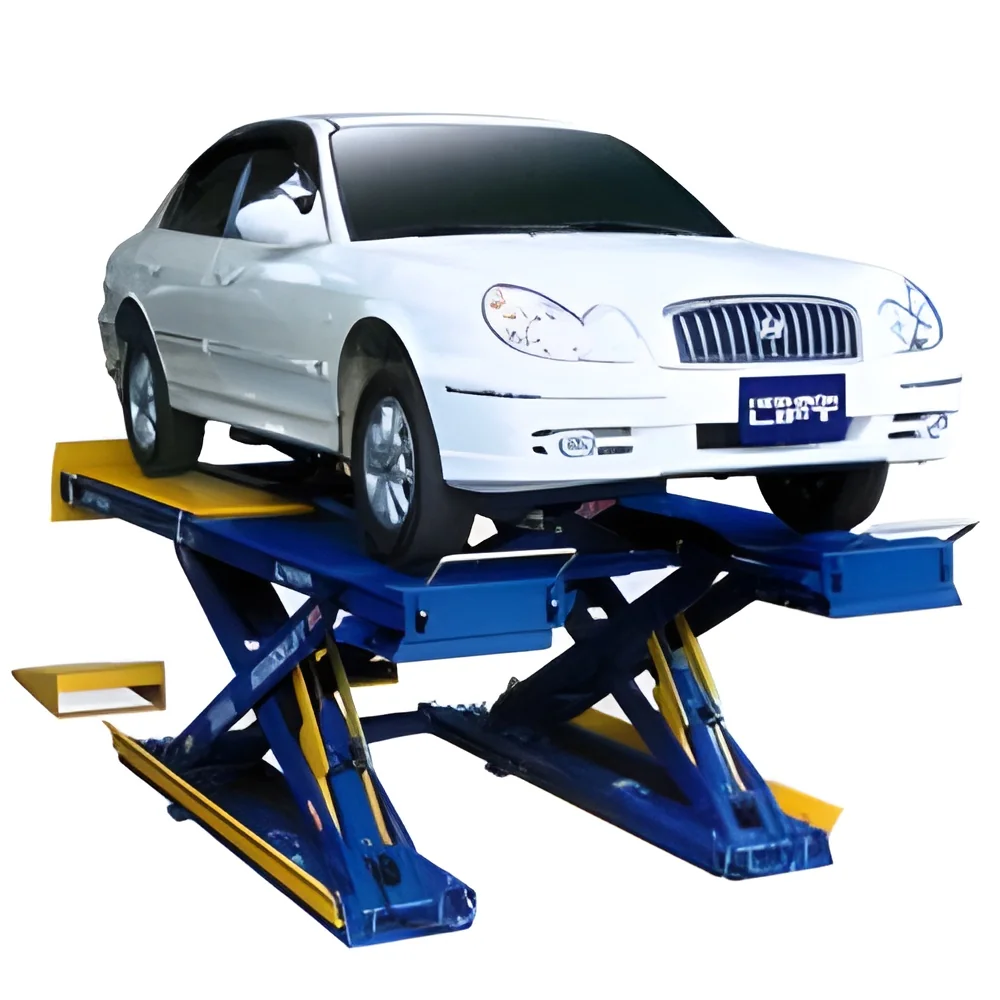
What are Automotive Workbenches?
Automotive workbenches are specialized surfaces designed to support various tasks in automotive repair and maintenance. These workspaces are typically constructed from durable materials to withstand the rigors of mechanical work, including heavy loads, impacts, and exposure to chemicals. They often feature designs that incorporate tool storage, work surfaces, and adjustable elements to enhance productivity and ergonomics.
The primary uses of automotive workbenches include vehicle repairs, assembly processes, and maintenance operations. These workstations provide the necessary space and organization for tools, parts, and equipment. Businesses in the automotive industry, such as repair shops, dealerships, and manufacturing facilities, rely on these workbenches to optimize workflow and ensure efficiency in daily operations. As the automotive market continues to evolve with advancements in technology, the demand for high-quality workbenches is increasingly relevant.
In the context of the automotive industry, workbenches play a crucial role in maintaining productivity and safety standards. They are essential in workshops and garages where precision and organization are critical. The market for automotive workbenches is growing, driven by the need for enhanced workspace solutions that improve operational efficiency and accommodate the increasing complexity of vehicle systems.
Key Features and Specifications
Automotive workbenches come equipped with a variety of features that cater to the specific needs of automotive professionals. When selecting a workbench, it is important to understand these features to ensure compatibility with your operations.
Key specifications include:
1. Load Capacity
- This specification refers to the maximum weight the workbench can support.
- Typical ranges are from 1,000 to 3,000 pounds, depending on the model.
2. Surface Material
- The workbench surface may be made from materials like steel, laminate, or wood.
- Each material offers different levels of durability and resistance to spills and impacts.
3. Dimensions
- Workbenches come in various sizes to fit different workshop layouts.
- Standard dimensions often range from 48 to 96 inches in length.
4. Tool Storage Options
- Many workbenches include integrated cabinets, drawers, or pegboards for tool organization.
- This feature helps keep tools accessible and organized.
5. Height Adjustability
- Some workbenches offer adjustable height settings to accommodate different tasks and user preferences.
- This can range from fixed height to pneumatic or electric adjustments.
6. Mobility
- Workbenches may feature wheels for easy movement within the workspace.
- Mobility options enhance flexibility in a dynamic working environment.
7. Power Supply
- Some models include built-in electrical outlets or power strips for easy access to power tools.
- This feature helps streamline operations by reducing the need for extension cords.
8. Safety Features
- Safety features may include rounded edges, non-slip surfaces, and weight distribution designs.
- These help prevent accidents and injuries during use.
In summary, automotive workbenches are designed with a range of specifications that cater to the diverse needs of automotive professionals. Selecting the right workbench involves considering these specifications to match your specific requirements.
Common Applications and Use Cases
Automotive workbenches are versatile tools used in various sectors within the automotive industry. They play a vital role in enhancing efficiency and organization in repair and maintenance tasks.
1. Automotive Repair Shops: Workbenches are essential in repair facilities where mechanics perform diagnostics and repairs on vehicles. They provide the necessary space to organize tools and parts.
2. Manufacturing Facilities: In automotive manufacturing, workbenches support assembly lines where components are put together. They help maintain order and streamline the production process.
3. Dealership Service Centers: Dealerships utilize workbenches in service departments for routine maintenance and repairs. They facilitate quick access to tools and equipment.
4. Custom Fabrication Shops: These workspaces are also used for custom vehicle modifications, allowing for detailed work on unique projects.
5. Educational Institutions: Automotive training programs often employ workbenches to provide hands-on learning experiences for students in the field.
6. Mobile Mechanics: For mobile service providers, portable workbenches are essential for on-site repairs, offering a stable work surface regardless of location.
7. Specialty Shops: Workbenches are used in specialty automotive shops focusing on specific vehicle types, such as classic cars or electric vehicles, where specialized tools and processes are required.
Product Variants and Subcategories
Automotive workbenches come in a variety of designs and configurations to meet different operational needs. Each variant offers unique features tailored to specific applications.
Heavy-Duty Workbench
This variant is designed for high-load applications, often featuring reinforced steel construction. It is ideal for workshops that handle larger vehicles or heavy components, ensuring durability and stability during use.
Portable Workbench
The portable workbench is lightweight and designed for mobility. This variant often includes folding capabilities and wheels, making it suitable for mobile mechanics or those needing a flexible workspace.
Ergonomic Workbench
Focused on user comfort, ergonomic workbenches feature adjustable heights and contoured designs. They are perfect for reducing strain during long hours of work, promoting better posture and efficiency.
Modular Workbench
These workbenches are customizable and can be configured based on specific needs. They often include interchangeable components, allowing businesses to adapt the workspace as requirements change.
Benefits and Advantages
Investing in automotive workbenches provides numerous benefits that enhance operational efficiency and safety.
Key benefits include:
1. Increased Productivity: A well-organized workbench allows for quick access to tools and parts, minimizing downtime and streamlining workflow.
2. Enhanced Safety: Many workbenches include safety features that reduce the risk of accidents, creating a safer working environment for employees.
3. Improved Ergonomics: Ergonomic designs help reduce physical strain on workers, leading to better health and comfort during prolonged use.
4. Customization: Many workbench models can be tailored to fit specific needs, allowing businesses to create a workspace that is truly functional.
5. Durability: High-quality materials ensure longevity, meaning businesses can rely on their workbench for years without frequent replacements.
6. Cost-Effectiveness: Investing in a durable workbench can reduce costs associated with equipment replacement and maintenance over time.
Buying Guide for B2B Buyers
When sourcing automotive workbenches, it is essential to consider several factors to ensure you select the best option for your business needs.
1. Quality Assessment: Evaluate the materials and construction quality of the workbench. Look for reputable manufacturers that adhere to industry standards to ensure reliability and longevity.
2. Supplier Verification: Conduct thorough background checks on suppliers. Look for certifications, customer reviews, and industry reputation to ensure you are partnering with a trustworthy vendor.
3. Pricing and MOQ: Understand the pricing structure and minimum order quantity (MOQ) requirements. This will help you budget effectively and avoid unexpected costs.
4. Delivery and Lead Times: Inquire about delivery schedules and lead times. Timely delivery is crucial to maintaining operational efficiency, especially if you are expanding or upgrading your workspace.
5. Compliance Requirements: Ensure that the workbenches meet relevant regulatory and safety standards in your region. This is important for legal compliance and the safety of your employees.
Compliance and Certifications
Automotive workbenches must adhere to various industry standards to ensure quality and safety. Common quality standards include ISO 9001, which focuses on quality management systems, and other standards relevant to manufacturing processes.
Industry certifications such as CE denote compliance with European safety and health requirements. This certification assures buyers that the product meets strict safety standards.
Safety and testing requirements may vary depending on the intended application of the workbench. It is essential to consider regional compliance regulations, as these can influence the types of materials and safety features required.
Manufacturers often undergo rigorous testing to ensure their products perform reliably under typical working conditions. This may include assessments of load capacity, durability, and resistance to environmental factors.
Why Source Automotive Workbenches from Pepagora?
Pepagora offers a trusted platform for sourcing automotive workbenches, providing several key advantages to buyers.
Verified Supplier Network: Pepagora connects buyers with a network of verified suppliers, ensuring that you are sourcing from reputable manufacturers. This verification process helps mitigate risks associated with quality and reliability.
Streamlined RFQ Process: The request for quotation (RFQ) system simplifies the procurement process. Buyers can easily compare prices and features, allowing for informed decision-making.
Trade Assurance and Support: Pepagora offers trade assurance, providing protection for buyers during transactions. This support ensures that you receive the quality products you expect and helps resolve any disputes that may arise.
Regional Coverage: With a strong presence in India, GCC, and Southeast Asia, Pepagora serves a broad geographic area. This regional coverage enables buyers to access a diverse range of products and suppliers tailored to their specific market needs.

 IN
IN