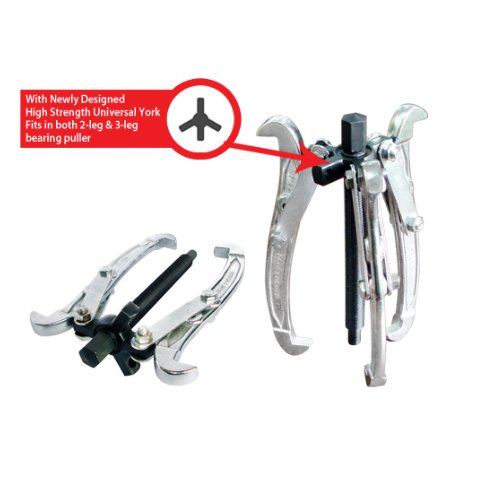
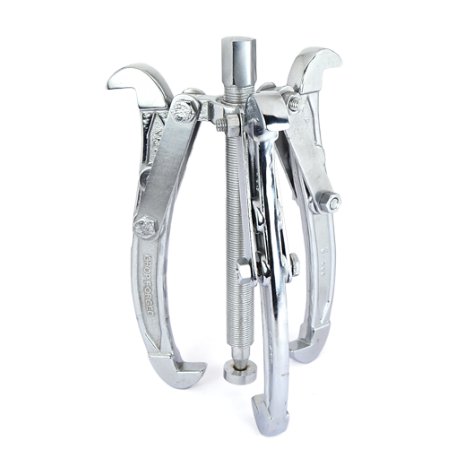
What are Bearing Pullers & Gear Pullers?
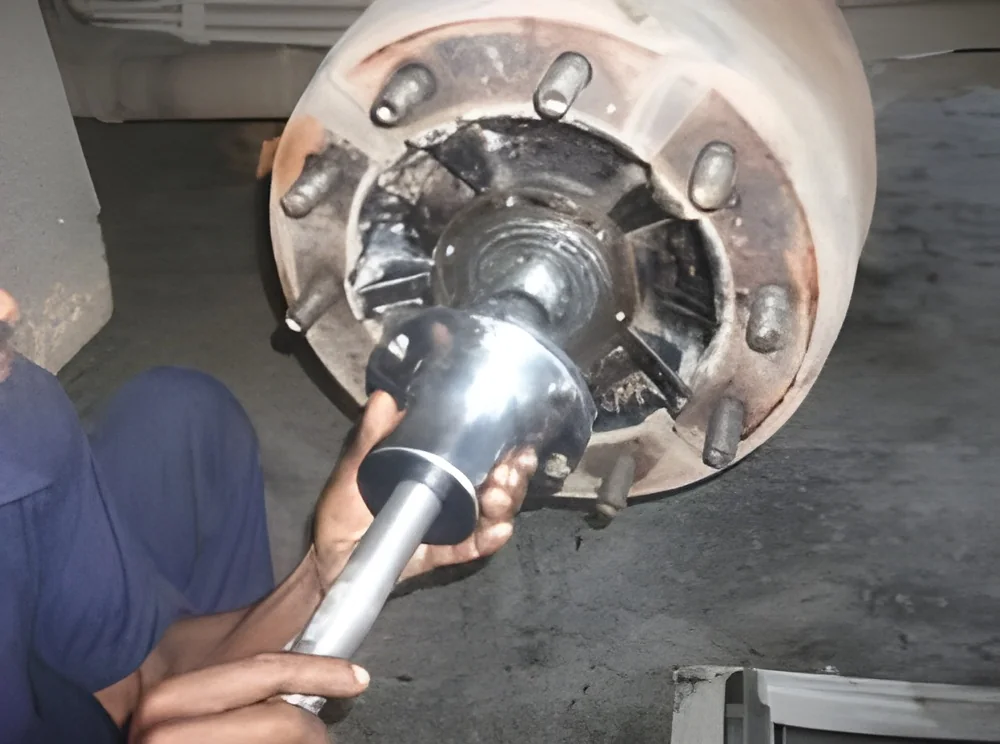
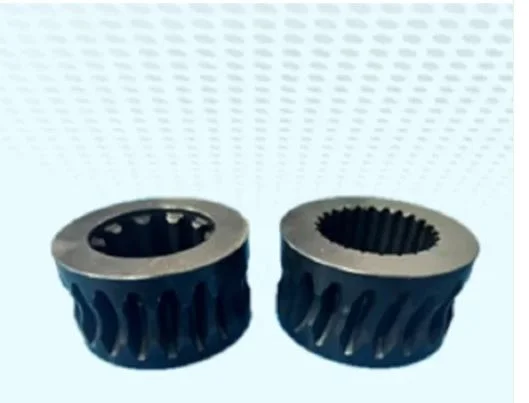
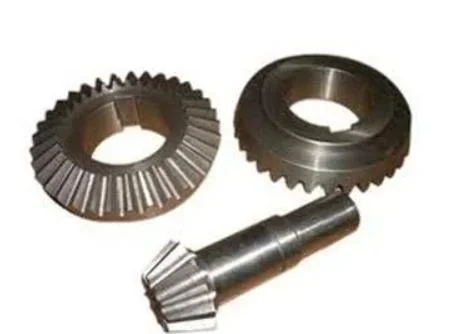
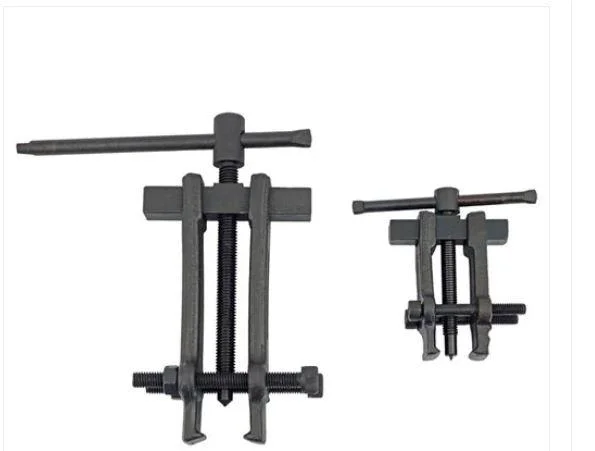
Bearing pullers and gear pullers are specialized tools designed to remove bearings and gears from shafts or housings without causing damage. These tools operate by applying a controlled force to extract components that are tightly fitted or pressed into place. They typically consist of a central screw mechanism, arms that grip around the component, and a sturdy frame to maintain stability during operation.
These pullers are essential in various industries, including automotive, manufacturing, and machinery maintenance. They are used extensively to facilitate the replacement or servicing of rotating machinery parts, ensuring efficient operation and reducing downtime. As industries increasingly rely on precision engineering, the demand for reliable bearing and gear pullers continues to grow, underscoring their relevance in the market.
Key Features and Specifications
Bearing pullers and gear pullers come with several features that enhance their usability and effectiveness. Understanding these specifications is crucial for selecting the right tool for specific applications.
Key specifications include:
1. Capacity
- This refers to the maximum load the puller can handle.
- Typical ranges vary from 1 ton to 10 tons, depending on the model.
2. Arm Length
- The length of the puller arms determines the reach and grip capability.
- Common lengths are between 6 inches and 12 inches.
3. Jaw Configuration
- Pullers can have two or three jaws for gripping.
- Three-jaw pullers provide better stability for irregular shapes.
4. Material Construction
- Most pullers are made from high-grade steel for durability.
- Some models may feature corrosion-resistant coatings.
5. Adjustment Mechanism
- Many pullers offer adjustable arms for versatility.
- Quick-adjust systems can improve operational efficiency.
6. Weight
- The weight of the puller affects portability.
- Weights typically range from 2 pounds to 15 pounds.
7. Finish
- A good finish reduces wear and tear during use.
- Common finishes include chrome plating or powder coating.
8. Certification
- Many pullers come with industry certifications for quality assurance.
- Look for CE and UL certifications as indicators of reliability.
Choosing the right specifications ensures optimal performance and longevity of the tools.
Common Applications and Use Cases
Bearing pullers and gear pullers serve a wide range of industries, highlighting their versatility.
1. Automotive: These tools are used for extracting wheel bearings, axle bearings, and gears during vehicle maintenance and repair.
2. Manufacturing: In manufacturing plants, pullers help maintain and replace machinery components, ensuring operational efficiency.
3. Aerospace: These tools are critical for removing high-precision bearings and components in aircraft engines, requiring careful handling.
4. Construction: Equipment like cranes and excavators often require bearing and gear replacements, where pullers play a vital role.
5. Marine: In marine applications, pullers are used to service engines and propeller shafts, helping maintain equipment reliability.
6. Electrical: Electric motors often contain bearings that need replacement, making pullers essential for maintenance tasks.
7. Industrial Equipment: Pullers are widely used in the maintenance of pumps, compressors, and conveyor systems.
Product Variants and Subcategories
Bearing pullers and gear pullers come in various designs to meet different user needs.
Two-Jaw Pullers: These pullers are ideal for pulling bearings and gears with limited space. They provide a strong grip and are generally more compact.
Three-Jaw Pullers: Offering greater stability, these pullers are suitable for larger and irregularly shaped components. The three-jaw design ensures even distribution of force.
Heavy-Duty Pullers: Designed for industrial applications, these pullers can handle higher loads and are built for durability, making them suitable for continuous use.
Benefits and Advantages
Using bearing pullers and gear pullers provides significant advantages to businesses.
1. Efficiency: These tools speed up the removal process, reducing downtime in maintenance and repair tasks.
2. Precision: Pullers are designed to minimize the risk of damage to components, ensuring that parts can be reused or replaced without issues.
3. Safety: Properly designed pullers reduce the risk of injury by providing a controlled method of extracting components.
4. Versatility: Many pullers can be adjusted or used in various applications, making them a valuable addition to any workshop.
5. Cost-Effectiveness: Investing in quality pullers can save businesses money by reducing the need for professional repair services.
6. Quality Assurance: Many pullers are certified, ensuring they meet industry standards and providing peace of mind to users.
Buying Guide for B2B Buyers
When sourcing bearing pullers and gear pullers, several factors should be considered to ensure the best purchase.
1. Quality Assessment: Ensure that the pullers are made from high-quality materials and have undergone rigorous testing. Look for recognized certifications that indicate quality.
2. Supplier Verification: Vet potential suppliers by checking their credentials, customer reviews, and industry reputation. A reliable supplier will provide consistent quality and support.
3. Pricing and MOQ: Understand the price range of the pullers and the minimum order quantity (MOQ) required. This will help in budgeting and ensuring adequate supply.
4. Delivery and Lead Times: Confirm the expected delivery times and logistics capabilities. Timely delivery is crucial for maintaining operational efficiency.
5. Compliance Requirements: Be aware of any regulatory compliance required for the tools, such as safety standards and certifications relevant to your industry.
Compliance and Certifications
Bearing pullers and gear pullers must adhere to various compliance standards to ensure safety and reliability.
Many products meet ISO 9001 standards, which relate to quality management systems. This certification ensures that manufacturers maintain consistent quality in their production processes.
Additionally, industry certifications such as CE and UL signify that the products have passed specific safety and performance tests. These certifications are critical for ensuring that tools are safe for use in various environments.
Safety requirements often include testing for durability and effectiveness under load conditions. Manufacturers must ensure that their products can withstand operational stresses without failure.
Regional compliance considerations may vary, so it is essential to verify that the pullers meet local regulations, especially when sourcing from international suppliers.
Why Source Bearing Pullers & Gear Pullers from Pepagora?
Pepagora is a trusted platform for sourcing bearing pullers and gear pullers, offering numerous advantages to B2B buyers.
Verified Supplier Network: Pepagora connects buyers with a network of verified suppliers. Each supplier is vetted to ensure they meet quality and reliability standards, providing peace of mind for purchasers.
Streamlined RFQ Process: The request for quotation (RFQ) process on Pepagora is designed to be efficient and user-friendly. Buyers can easily submit their requirements and receive competitive quotes from multiple suppliers, making it easier to compare options.
Trade Assurance and Support: Pepagora offers trade assurance that protects buyers throughout the purchasing process. This includes support for resolving any issues that may arise, ensuring a smooth transaction.
Regional Coverage: With a broad geographic reach across India, the GCC, and Southeast Asia, Pepagora provides access to local suppliers and products, catering to diverse industry needs. This regional focus enables quicker delivery times and better communication with suppliers.

 IN
IN