What are OEM Automotive Tool Suppliers?
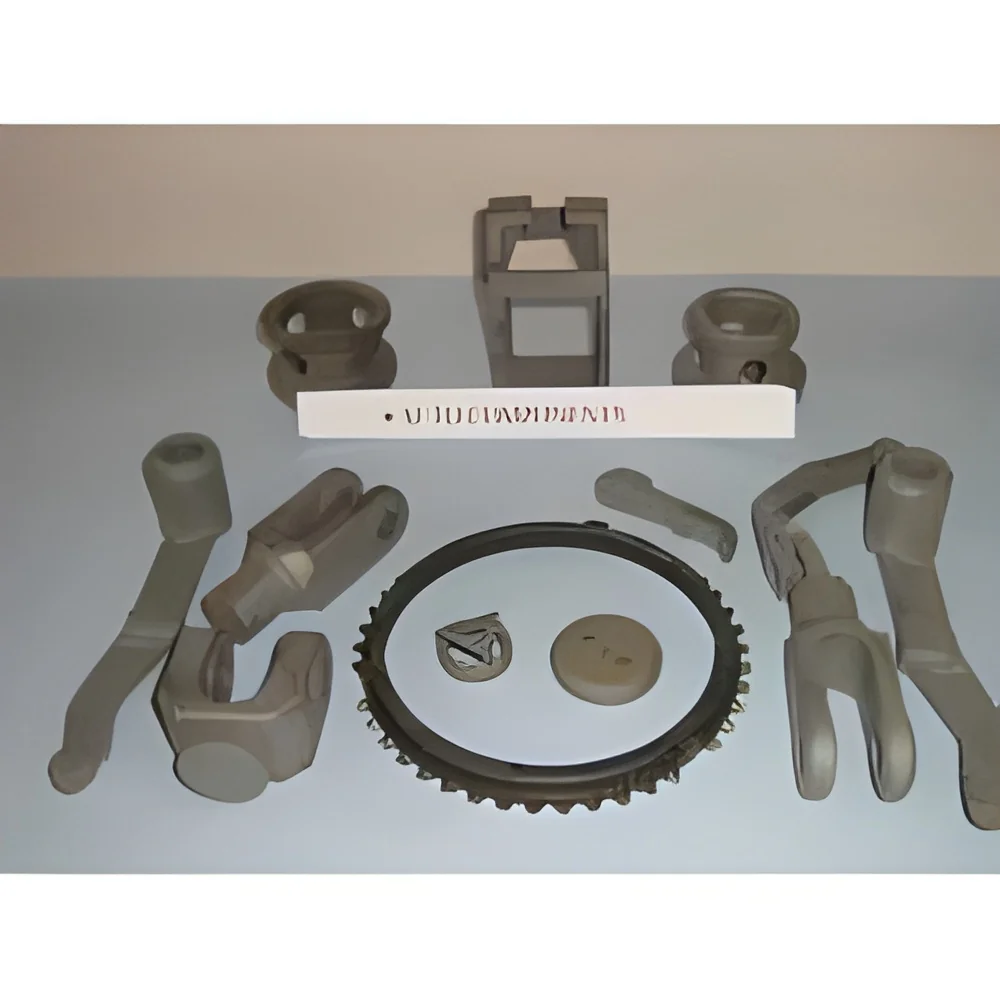
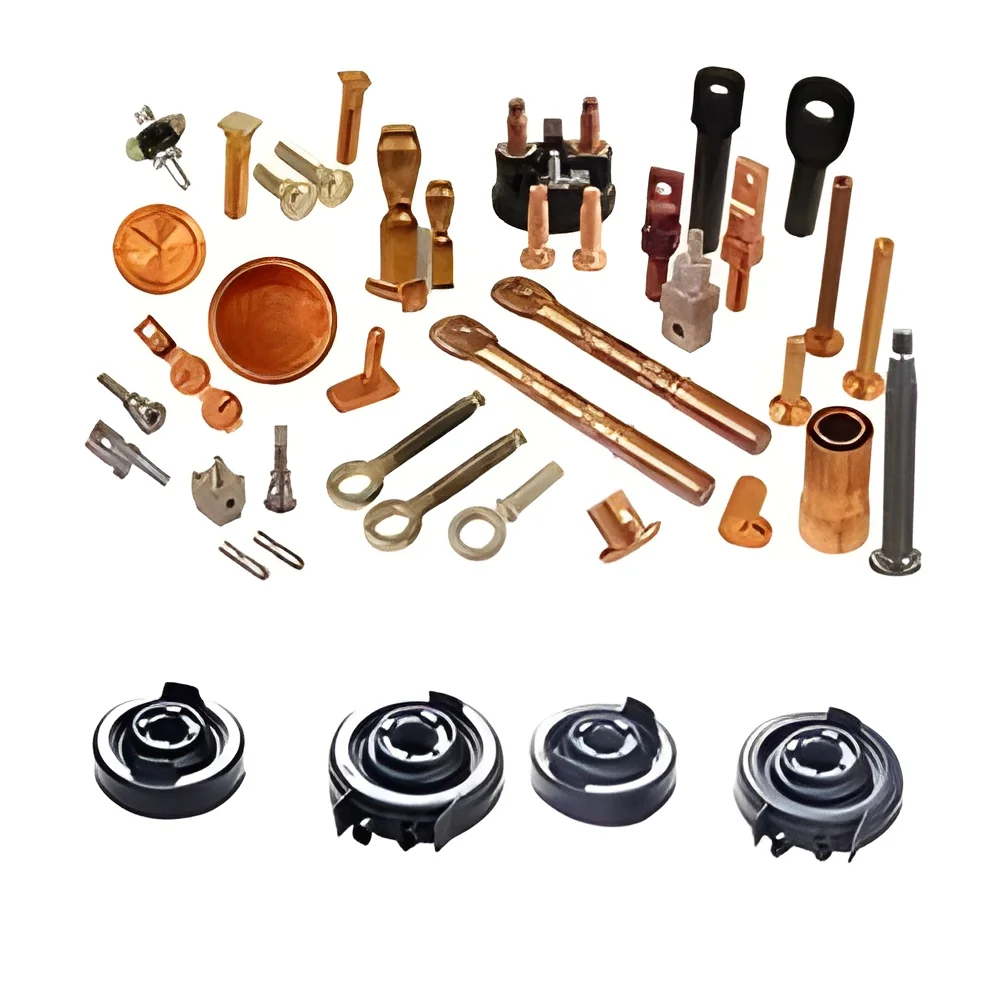
OEM Automotive Tool Suppliers are specialized manufacturers that produce tools and equipment for the automotive industry. These suppliers focus on creating original equipment manufacturer parts that adhere to specific standards set by automotive manufacturers. They provide tools that are essential for assembling, repairing, and maintaining vehicles, ensuring that these tools meet the rigorous demands of the automotive sector.
These tools are primarily used in automotive production lines, repair shops, and by mechanics for various tasks. They facilitate processes such as vehicle assembly, maintenance, and repair, contributing to the efficient operation of automotive businesses. As the automotive industry evolves with new technologies, the role of OEM Automotive Tool Suppliers becomes increasingly critical in providing innovative solutions that enhance productivity and safety.
In the current market, the relevance of OEM Automotive Tool Suppliers is underscored by the growing demand for high-quality automotive parts and tools. With the rise of electric vehicles and advanced manufacturing techniques, these suppliers must adapt to meet new challenges and standards. Their ability to deliver precision tools that are compliant with industry regulations positions them as key players in the automotive supply chain.
Key Features and Specifications
OEM Automotive Tool Suppliers offer a range of tools designed to meet the specific needs of the automotive industry. These tools are characterized by their durability, precision, and compliance with industry standards.
Key specifications include:
1. Material Composition
- Typically made from high-strength steel or aluminum
- Ensures longevity and resistance to wear and tear
2. Tool Types
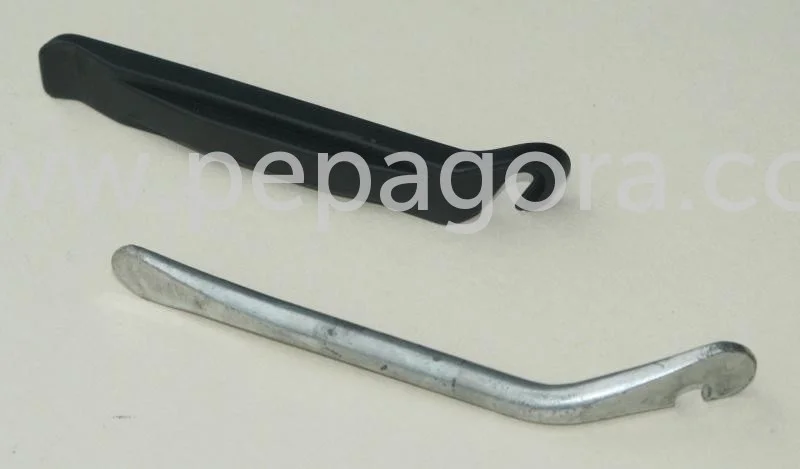
- Includes sockets, wrenches, and specialized automotive tools
- Designed for various automotive applications
3. Size Variability
- Available in multiple sizes to accommodate different vehicle models
- Ensures versatility in use
4. Compliance Standards
- Must meet ISO 9001 certification for quality management
- Ensures reliability and safety in use
5. Ergonomic Design
- Many tools feature ergonomic handles for improved user comfort
- Reduces the risk of strain during prolonged use
6. Precision Engineering
- Tools are manufactured to exact specifications for accurate performance
- Enhances efficiency in automotive processes
7. Availability of Customization
- Some suppliers offer customized tools based on client specifications
- Tailored solutions enable better fit for specific tasks
8. Warranty and Support
- Most OEM tools come with a warranty for quality assurance
- Manufacturers typically provide support for troubleshooting
In summary, the key features and specifications of OEM Automotive Tools ensure that they meet the rigorous demands of the automotive industry, providing reliability and precision for various applications.
Common Applications and Use Cases
OEM Automotive Tools are widely utilized across different sectors within the automotive industry.
1. Manufacturing: These tools are essential in automotive assembly lines, where precision and efficiency are critical for mass production.
2. Maintenance and Repair: Automotive repair shops rely on OEM tools for servicing vehicles, ensuring that repairs are performed with the right equipment.
3. Racing: High-performance racing teams use specialized OEM tools for quick adjustments and repairs during competitions, emphasizing speed and reliability.
4. Restoration: Classic car restoration projects often require OEM tools to ensure authenticity and maintain the integrity of vintage vehicles.
5. Custom Vehicle Modifications: Enthusiasts and builders use OEM tools to customize and modify vehicles, enhancing performance and aesthetics.
6. Quality Control: In automotive production, OEM tools are used for testing and ensuring that parts meet quality standards before they are assembled into vehicles.
7. Research and Development: Engineers use OEM tools in the development of new automotive technologies, facilitating innovation in vehicle design.
Product Variants and Subcategories
OEM Automotive Tools come in various forms to cater to the diverse needs of the automotive industry.
Socket Sets
Socket sets are comprehensive collections of sockets and extensions, designed for use with ratchets and torque wrenches. These sets are ideal for automotive repair and maintenance tasks, providing a range of sizes for different applications.
Torque Wrenches
Torque wrenches are precision tools used to apply a specific torque to fasteners. They are crucial in ensuring that bolts and nuts are tightened to the manufacturer's specifications, preventing over-tightening or under-tightening.
Diagnostic Tools
Diagnostic tools include equipment like OBD-II scanners and multimeters that help mechanics diagnose vehicle issues. These tools are integral for troubleshooting and ensuring vehicles operate efficiently.
Pneumatic Tools
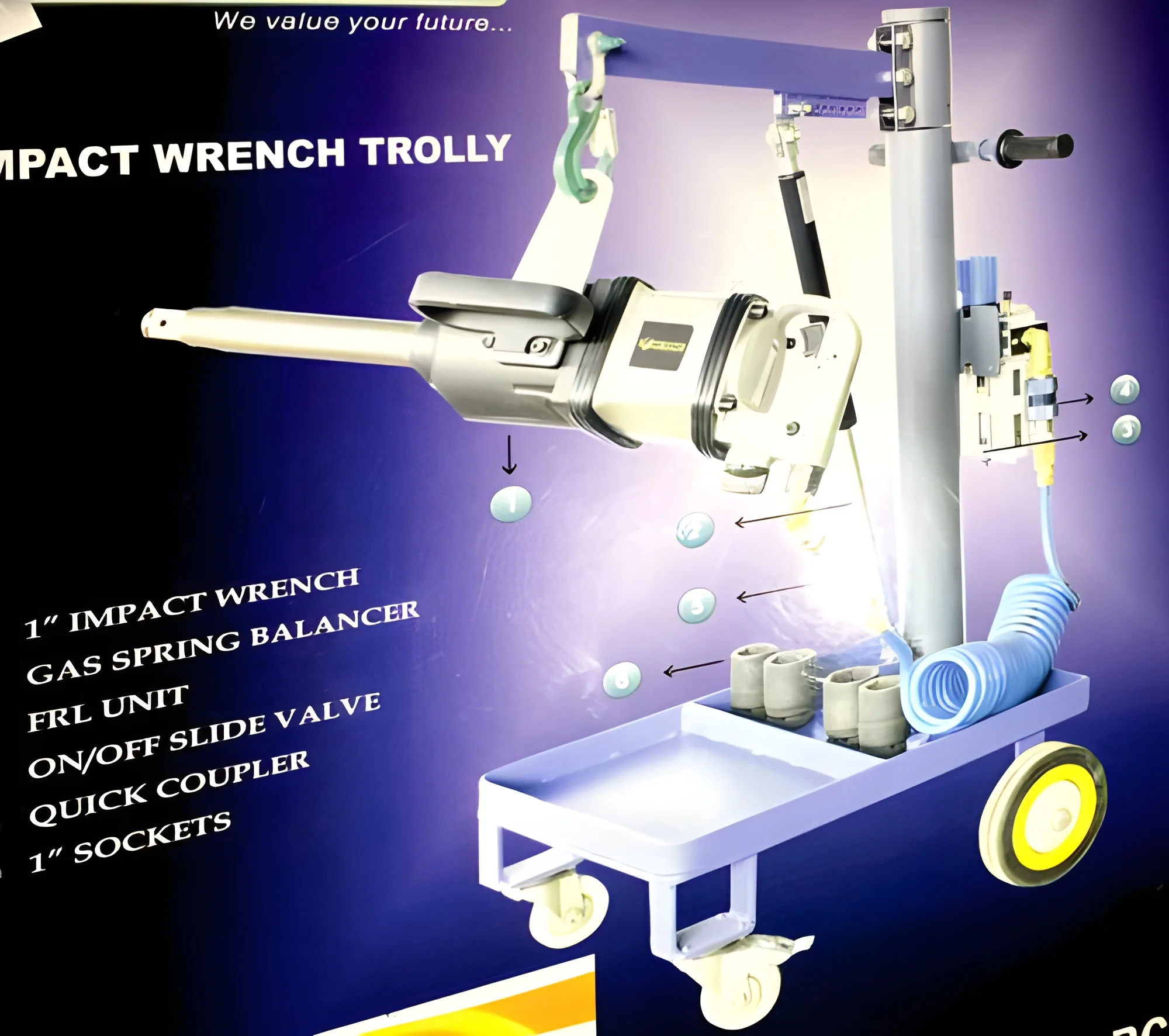
Pneumatic tools use compressed air to perform tasks such as tightening bolts or removing tires. They are widely used in automotive workshops for their speed and efficiency.
Hand Tools
Hand tools include wrenches, pliers, and screwdrivers that are fundamental for various automotive tasks. They are versatile and used for both assembly and repair work.
Benefits and Advantages
Sourcing OEM Automotive Tools offers several significant benefits to businesses in the automotive sector.
1. High Quality: OEM tools are manufactured to strict quality standards, ensuring reliability and durability in demanding environments.
2. Enhanced Performance: These tools are designed for optimal performance, improving the efficiency of automotive processes.
3. Customization Options: Many suppliers provide customization, allowing businesses to obtain tools tailored to their specific needs.
4. Safety Compliance: OEM tools meet industry safety standards, reducing the risk of accidents during use.
5. Long-Term Cost Savings: Investing in quality OEM tools can lead to lower replacement costs and reduced downtime, enhancing overall productivity.
6. Improved Customer Satisfaction: Using reliable tools can lead to better service quality, increasing customer satisfaction in repair and maintenance operations.
Buying Guide for B2B Buyers
When sourcing OEM Automotive Tool Suppliers, several factors should be considered to ensure a successful procurement process.
1. Quality Assessment: Evaluate the quality of tools by reviewing certifications and customer feedback. High-quality tools reduce maintenance costs and improve service quality.
2. Supplier Verification: Conduct thorough research to verify suppliers' credentials, including their experience and reputation in the industry. This helps mitigate risks associated with unreliable partners.
3. Pricing and MOQ: Understand the supplier's pricing structure and minimum order quantities. Ensure that the costs align with your budget and operational needs.
4. Delivery and Lead Times: Discuss lead times with suppliers to ensure that tool availability aligns with your production schedules. Timely delivery is crucial for maintaining workflow.
5. Compliance Requirements: Confirm that suppliers adhere to industry regulations and standards. This ensures that tools are safe and suitable for use in your operations.
Compliance and Certifications
Compliance and certifications are vital aspects of the OEM Automotive Tool industry, ensuring that products meet industry standards for quality and safety.
Many OEM Automotive Tool Suppliers adhere to relevant quality standards such as ISO 9001, which focuses on quality management systems. This certification demonstrates a commitment to delivering high-quality products consistently.
Additionally, many tools are compliant with safety standards like CE marking, indicating that they meet European safety, health, and environmental protection requirements. This certification is particularly important for suppliers in regions where such regulations are enforced.
Safety and testing requirements are critical in the automotive sector, where the failure of tools can lead to significant risks. Suppliers often implement rigorous testing protocols to ensure that their tools perform reliably under various conditions.
Regional compliance considerations also play a role in sourcing decisions. Different regions may have specific regulations governing automotive tools, and suppliers must ensure that they comply with these local standards to operate legally.
Why Source OEM Automotive Tool Suppliers from Pepagora?
Pepagora provides a trusted platform for sourcing OEM Automotive Tool Suppliers, offering several key advantages for B2B buyers.
Verified Supplier Network: Pepagora has a network of verified suppliers that ensure reliability and quality. This verification process helps buyers connect with reputable manufacturers, reducing the risk associated with sourcing tools.
Streamlined RFQ Process: The platform features a streamlined request for quotation process, allowing buyers to easily compare multiple suppliers' offerings. This efficiency saves time and enables better decision-making.
Trade Assurance and Support: Pepagora offers trade assurance, which provides buyers with protection during transactions. This support helps to mitigate risks and fosters trust between buyers and suppliers.
Regional Coverage: With a broad geographic reach that includes India, the GCC, and Southeast Asia, Pepagora connects buyers with suppliers across various regions. This extensive coverage allows businesses to find the right tools that meet their specific operational requirements.

 IN
IN