What are Hydraulic Jacks & Lifts?
Hydraulic jacks and lifts are mechanical devices that utilize hydraulic power to lift heavy loads with minimal effort. They operate on the principle of Pascal's law, where pressure applied to a confined fluid is transmitted equally in all directions. This allows for the lifting of substantial weights using relatively small manual or electric inputs. Hydraulic jacks typically consist of a cylinder and piston mechanism that facilitates lifting, while hydraulic lifts provide a platform for elevating goods and equipment to various heights.
These devices find extensive applications in multiple sectors, including construction, automotive repair, manufacturing, and logistics. In construction, they are essential for lifting heavy materials and equipment. In automotive repair, they enable mechanics to elevate vehicles for maintenance and inspections. Moreover, hydraulic lifts are crucial in warehouses and distribution centers for moving goods efficiently between levels. The growing demand for efficient lifting solutions in various industries underscores the relevance of hydraulic jacks and lifts in the current market.
Key Features and Specifications
Hydraulic jacks and lifts come with various features and specifications that enhance their functionality and reliability. Buyers should consider these aspects when selecting the right model for their needs.
Key specifications include:
1. Load Capacity
- The maximum weight the jack or lift can handle.
- Ranges from a few tons to several tons depending on the model.
2. Lifting Height
- The maximum height the device can lift objects.
- Typically varies from a few inches to several feet.
3. Operating Pressure
- The pressure at which the hydraulic system operates.
- Generally measured in psi or bar, varying by application.
4. Material Composition
- The materials used in construction, such as steel or aluminum, which affect durability.
- Different finishes may provide corrosion resistance.
5. Safety Features
- Includes overload protection, locking mechanisms, and safety valves.
- Essential for ensuring safe operation during lifting.
6. Portability
- Many models are designed with wheels or handles for easy movement.
- Important for applications requiring frequent relocation.
7. Power Source
- Can be manual or electric, impacting ease of use and efficiency.
- Electric models often offer faster operation.
8. Maintenance Requirements
- Regular checks and maintenance schedules to ensure optimal performance.
- Consideration of accessibility for repairs is crucial.
In summary, understanding these specifications helps buyers make informed choices based on their specific operational needs.
Common Applications and Use Cases
Hydraulic jacks and lifts are versatile tools used across various industries, providing efficient lifting solutions.
1. Construction: Hydraulic jacks are used to lift heavy materials, such as beams and concrete blocks, enabling safer and more efficient construction processes.
2. Automotive: In garages, hydraulic lifts allow mechanics to elevate vehicles for undercarriage repairs, inspections, and maintenance tasks.
3. Manufacturing: Hydraulic jacks assist in assembling heavy equipment and machinery, streamlining production workflows and enhancing worker safety.
4. Warehousing: Hydraulic lifts are essential for moving large pallets and goods between different storage levels, improving efficiency in logistics operations.
5. Aviation: In aircraft maintenance, hydraulic jacks are used to lift aircraft for inspections, repairs, and maintenance, ensuring safety and compliance.
6. Oil and Gas: Hydraulic jacks facilitate the installation and maintenance of equipment in challenging environments, aiding in the extraction and processing of resources.
7. Marine: Used in shipyards, hydraulic lifts help in the launching and repairing of boats and ships, ensuring efficient operations in maritime industries.
Product Variants and Subcategories
Hydraulic jacks and lifts come in various designs tailored to specific applications.
Portable Hydraulic Jacks: These jacks are lightweight and easily transportable, making them ideal for automotive repairs and small-scale construction tasks. They typically feature manual operation for user convenience.
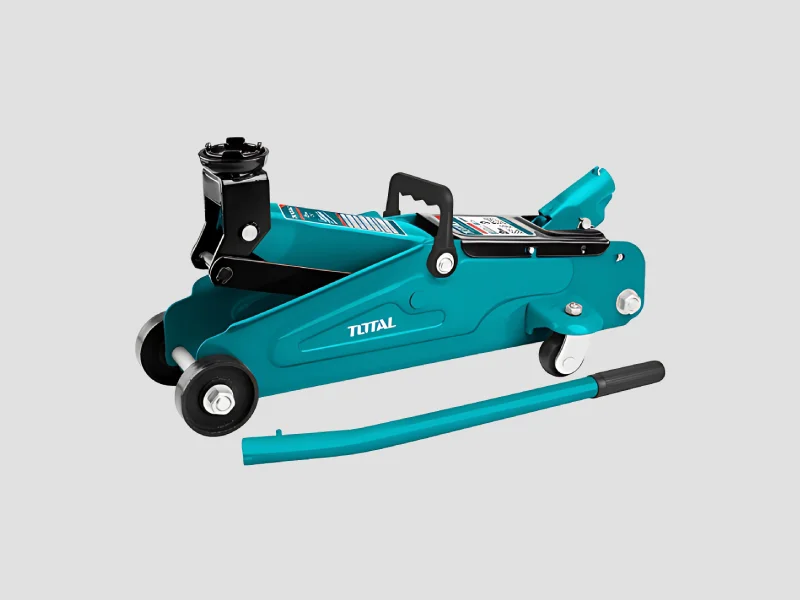
Hydraulic Floor Lifts: Designed for heavy-duty applications, these lifts provide a stable platform for elevating large machinery or vehicles. They often come with advanced safety features and high load capacities.
Hydraulic Scissor Lifts: These lifts use a scissor mechanism to elevate platforms vertically, making them suitable for maintenance tasks in warehouses and factories. They provide excellent stability and can reach significant heights.
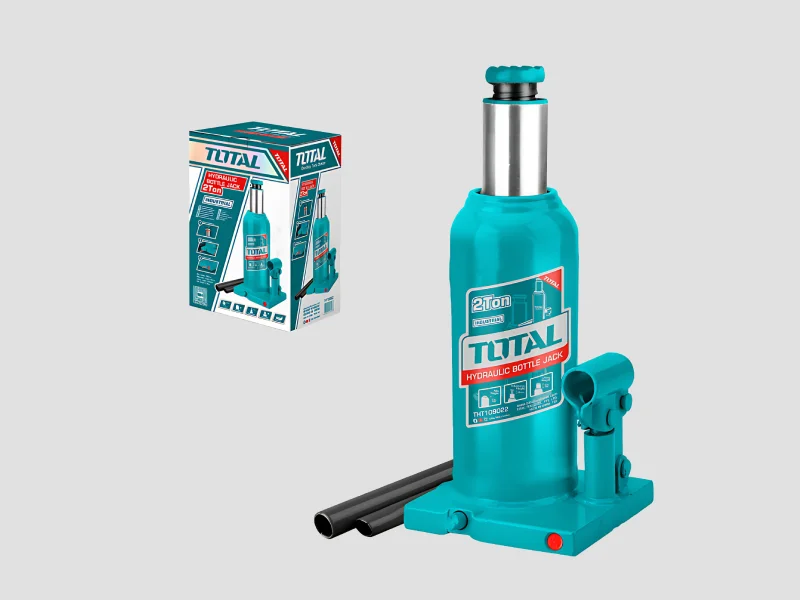
Hydraulic Bottle Jacks: Compact in design, these jacks are perfect for tight spaces. They are commonly used in automotive applications for lifting vehicles. Their portability makes them a popular choice among mechanics.
Benefits and Advantages
Hydraulic jacks and lifts offer several advantages that make them essential tools for businesses.
1. Efficiency: These devices enable quick and easy lifting of heavy loads, saving time and labor costs in various applications.
2. Safety: Equipped with advanced safety features, hydraulic jacks and lifts minimize the risk of accidents, protecting workers and equipment.
3. Versatility: Their ability to handle various weights and sizes makes them suitable for multiple industries, from construction to automotive.
4. Ease of Use: Many hydraulic lifts and jacks are user-friendly, requiring minimal training for operation, which enhances productivity.
5. Durability: Constructed from high-quality materials, these devices are built to withstand heavy usage and harsh environments, ensuring long-term reliability.
6. Cost-Effectiveness: Investing in hydraulic jacks and lifts can lead to significant savings in labor and time, making them a wise choice for businesses looking to improve operational efficiency.
Buying Guide for B2B Buyers
When sourcing hydraulic jacks and lifts, several factors should be considered to ensure the best purchase decision.
1. Quality Assessment: Evaluate the quality of materials and construction standards. Look for products that meet industry standards and have positive reviews from previous buyers.
2. Supplier Verification: Research and verify suppliers to ensure they have a good reputation in the industry. Checking for certifications and customer testimonials can provide valuable insights.
3. Pricing and MOQ: Compare prices from different suppliers while considering the minimum order quantity. Ensure that pricing aligns with your budget and expected return on investment.
4. Delivery and Lead Times: Understand the delivery timelines and logistics involved. Timely delivery is crucial for maintaining workflow efficiency in your operations.
5. Compliance Requirements: Ensure that the hydraulic jacks and lifts meet all necessary regulatory and safety standards applicable in your region. Compliance with certifications such as CE and UL is essential for safe operation.
Compliance and Certifications
Hydraulic jacks and lifts must adhere to various quality standards and certifications to ensure safety and reliability. ISO 9001 is a widely recognized quality management standard that focuses on consistent quality in manufacturing processes. Compliance with such standards indicates that the products have undergone rigorous testing and meet international quality benchmarks.
Industry certifications, such as CE and UL, are also critical. CE marking shows that the product complies with EU safety and health regulations, while UL certification indicates that the product has been tested for safety and performance in the U.S. market. These certifications are essential for buyers looking to ensure that their equipment meets safety requirements.
In addition to quality standards, manufacturers must also address safety and testing requirements specific to hydraulic equipment. Regular testing for load capacity and safety features is vital for maintaining operational integrity. Regional compliance considerations vary, so it is essential to be aware of local regulations that may apply to the use of hydraulic jacks and lifts.
Why Source Hydraulic Jacks & Lifts from Pepagora?
Pepagora provides a trusted platform for sourcing hydraulic jacks and lifts, offering several key advantages to buyers.
Verified Supplier Network: Pepagora connects buyers with a network of verified suppliers, ensuring that all vendors meet stringent quality and safety standards. This network helps businesses find reliable products tailored to their needs.
Streamlined RFQ Process: The request for quotation (RFQ) process on Pepagora is designed to be efficient and straightforward. Buyers can easily submit their requirements and receive competitive quotes from multiple suppliers, facilitating informed decision-making.
Trade Assurance and Support: Pepagora offers trade assurance and buyer protection, giving businesses peace of mind when sourcing equipment. This support helps mitigate risks associated with online purchasing.
Regional Coverage: With a strong presence in markets such as India, the GCC, and Southeast Asia, Pepagora provides extensive regional coverage. This geographic reach allows businesses to connect with local suppliers, enhancing accessibility and reducing shipping times.
In conclusion, Pepagora is an excellent choice for sourcing hydraulic jacks and lifts, thanks to its reliable supplier network, efficient processes, and comprehensive support system.

 IN
IN