What are Workshop Tool Trolleys?
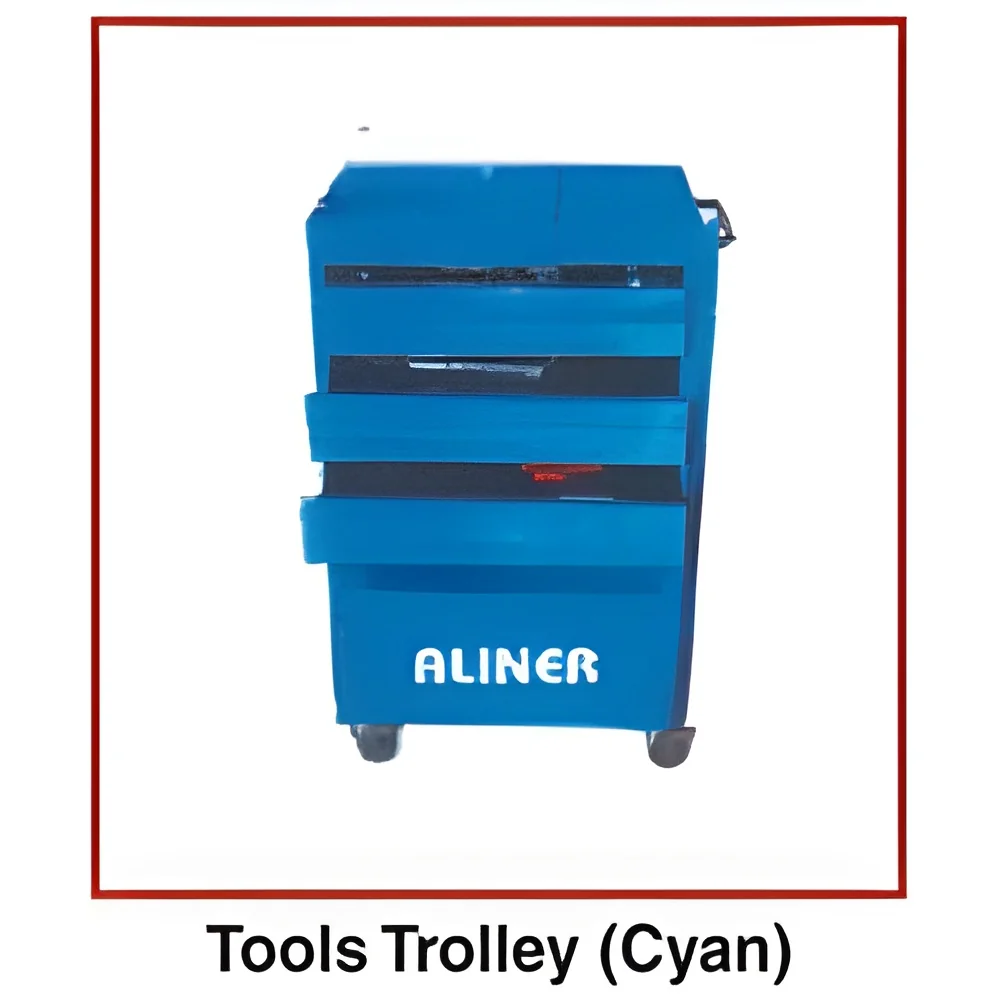
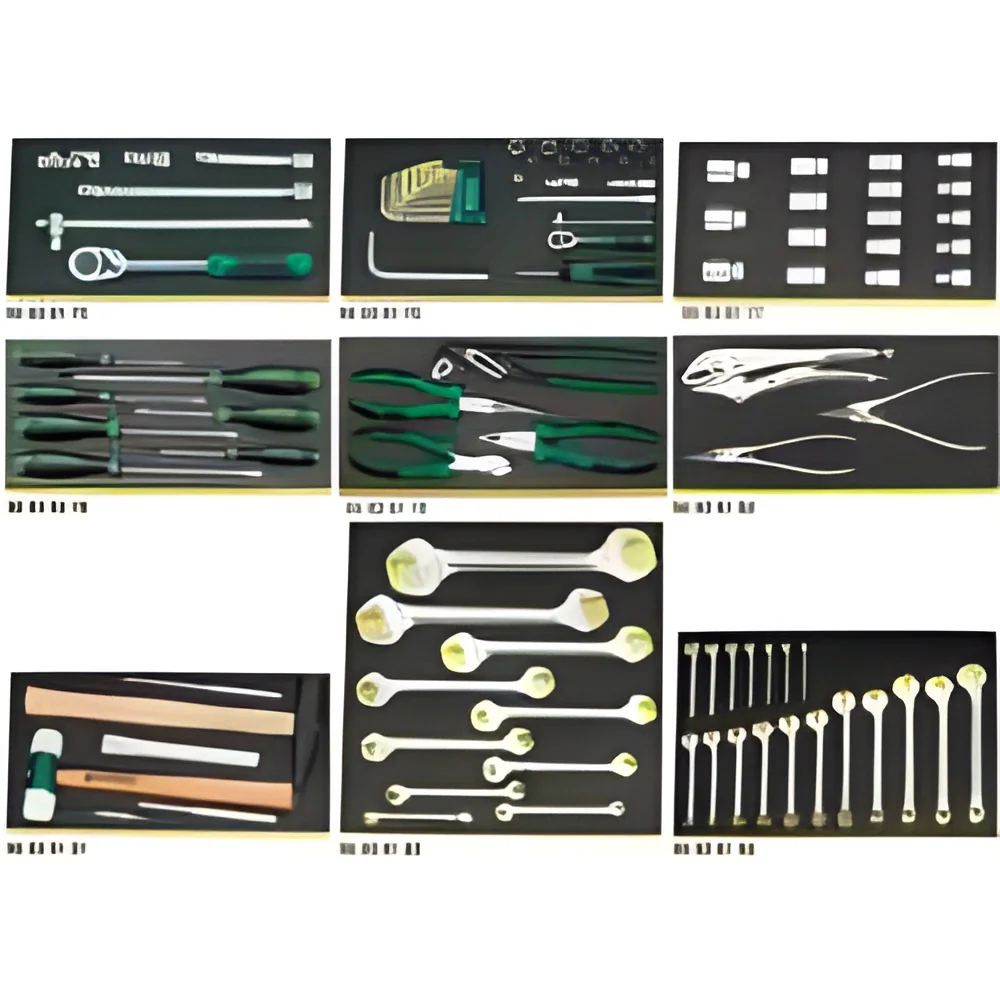
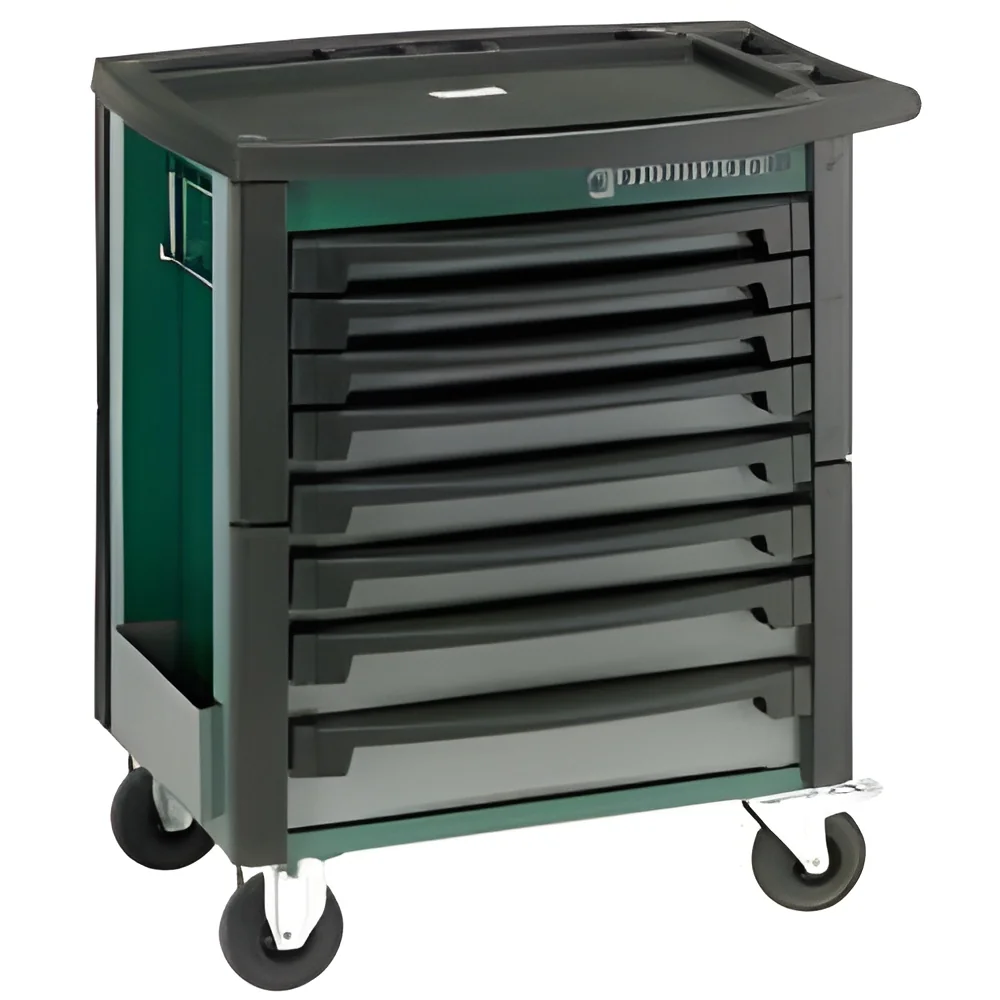
Workshop tool trolleys are mobile storage solutions designed to organize and transport tools and equipment within a workshop or industrial setting. Typically equipped with multiple drawers, shelves, and compartments, these trolleys provide a convenient way to keep essential tools accessible while maintaining a clean and efficient workspace. Their mobility allows users to move tools easily from one location to another, enhancing productivity and workflow.
These trolleys are primarily used in various industries such as manufacturing, automotive, and construction, where efficient tool management is crucial. By enabling quick access to tools and minimizing time spent searching for them, workshop tool trolleys help streamline operations. They are also used in maintenance and repair tasks, providing technicians with everything they need at their fingertips, thus reducing downtime.
In today's competitive market, workshop tool trolleys are essential for businesses aiming to improve operational efficiency. Industries are increasingly recognizing the importance of organization and mobility in their workplaces. As a result, the demand for high-quality tool trolleys is on the rise, prompting manufacturers to innovate and develop models that cater to specific industry needs and preferences.
Key Features and Specifications
Workshop tool trolleys come with a variety of features and specifications that cater to different industrial needs. When selecting a trolley, understanding these specifications can help buyers make informed decisions.
Key specifications include:
1. Load Capacity
- The maximum weight the trolley can safely carry.
- Typical ranges from 150 kg to 400 kg.
2. Material Construction
- The type of material used in the trolley's construction, typically steel or aluminum.
- Steel trolleys offer durability, while aluminum trolleys provide lightweight mobility.
3. Drawer Configuration
- Number and size of drawers available for tool storage.
- Common configurations include 3, 5, or more drawers, with varying depths.
4. Wheel Type
- Type of wheels that facilitate movement, such as swivel or fixed.
- Wheel sizes often range from 75 mm to 150 mm for stability and maneuverability.
5. Locking Mechanism
- Security features to prevent unauthorized access to tools.
- Options include central locking systems for added convenience.
6. Surface Finish
- Protective coatings that enhance durability and resistance to corrosion.
- Common finishes include powder-coated or painted options.
7. Dimensions
- Overall size of the trolley, including height, width, and depth.
- Typical dimensions can vary widely based on design and intended use.
8. Additional Features
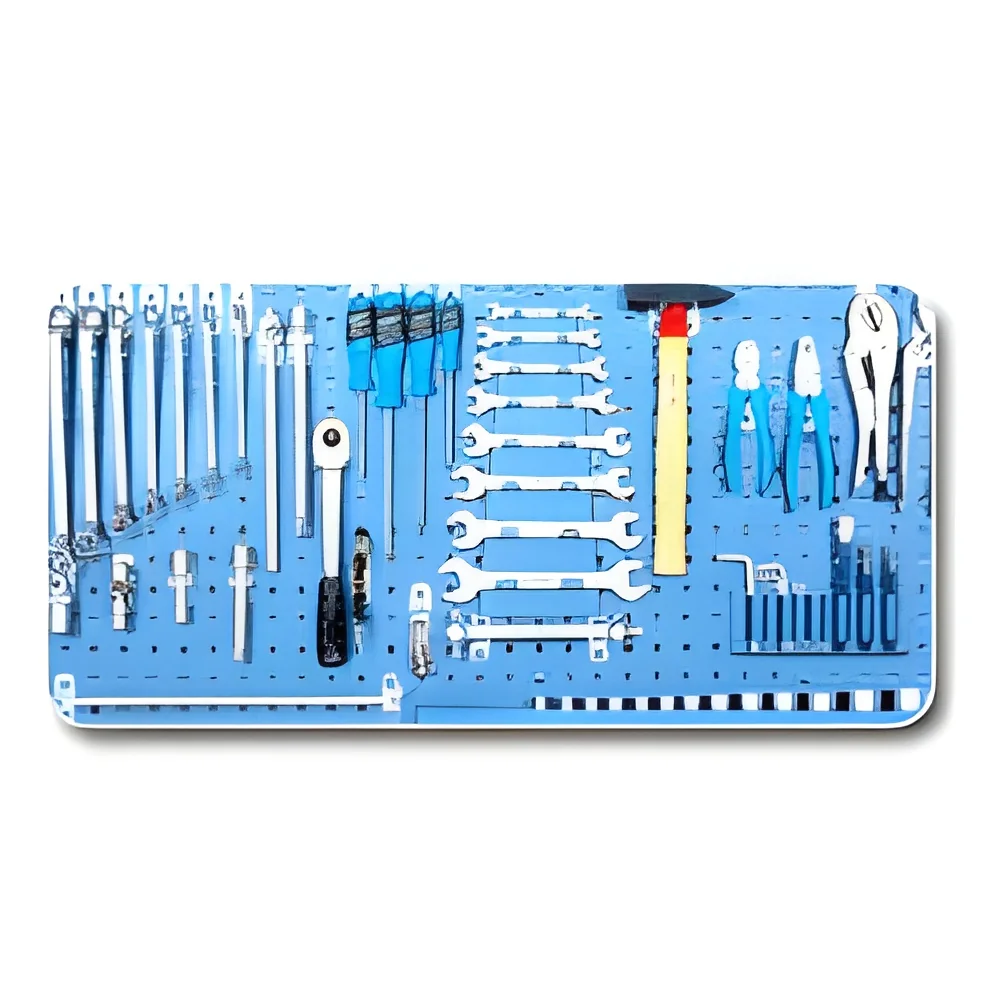
- Optional features such as side handles, tool holders, or integrated power strips.
- Customizable options may be available for specific industry requirements.
In summary, understanding the key features and specifications of workshop tool trolleys is vital for selecting the right product that meets operational needs and enhances productivity.
Common Applications and Use Cases
Workshop tool trolleys serve various industries by providing efficient storage and mobility solutions for tools and equipment.
1. Automotive Industry: In auto repair shops, tool trolleys are essential for organizing tools and parts, allowing mechanics to work efficiently on vehicles without wasting time searching for equipment.
2. Manufacturing: In manufacturing facilities, these trolleys are used to transport tools and components between different workstations, helping to maintain a smooth production flow.
3. Construction: Construction sites utilize tool trolleys for easy access to tools and materials, enabling workers to move freely across job sites while keeping essential equipment within reach.
4. Electronics: In electronics assembly, tool trolleys help organize precision tools and components, allowing technicians to maintain an organized workspace and improve assembly efficiency.
5. Maintenance and Repair: Maintenance teams use tool trolleys to keep essential repair tools handy, reducing time spent retrieving items from storage areas, thus enhancing response times.
6. Woodworking: Woodworkers utilize tool trolleys for easy access to various hand tools, enabling quick adjustments and repairs during projects.
7. Healthcare: In medical settings, tool trolleys are often used to organize surgical instruments and supplies, ensuring that healthcare professionals have immediate access to necessary tools during procedures.
Product Variants and Subcategories
Workshop tool trolleys are available in various designs and configurations to suit different needs and preferences. Each variant offers unique features that cater to specific applications.
Heavy-Duty Tool Trolley: This variant is designed for industrial environments where robust construction is necessary. It typically features reinforced drawers and a high load capacity, making it suitable for heavy tools and equipment.
Mobile Tool Workbench: Combining the functionality of a workbench and a tool trolley, this model includes a sturdy work surface and ample storage space. It is ideal for workshops that require both tool storage and a workspace for repairs and assembly.
Compact Tool Trolley: Designed for smaller workspaces, this variant offers a space-saving solution without compromising on storage. It is perfect for mobile technicians who need to transport tools in tight areas.
Multi-Level Tool Trolley: Featuring multiple levels or tiers, this trolley allows for organized storage of a wide variety of tools. It provides easy access to everything from hand tools to larger equipment.
Benefits and Advantages
Workshop tool trolleys offer numerous advantages that can significantly enhance operational efficiency in various industries.
1. Improved Organization: By providing dedicated space for tools, these trolleys help maintain a tidy workspace, reducing clutter and allowing for quick access to necessary items.
2. Enhanced Mobility: With wheels designed for easy movement, tool trolleys allow users to transport tools and equipment effortlessly from one location to another, improving workflow efficiency.
3. Increased Productivity: Quick access to tools minimizes downtime and boosts productivity, as workers can focus on their tasks without interruption.
4. Security and Safety: Locking mechanisms help secure valuable tools and prevent unauthorized access, ensuring that equipment is safe and reducing the risk of theft.
5. Customization Options: Many manufacturers offer tailored solutions, allowing businesses to select features that best fit their operational needs and preferences.
6. Cost-Effectiveness: Investing in high-quality tool trolleys can lead to long-term savings by reducing time spent searching for tools and improving overall work efficiency.
Buying Guide for B2B Buyers
When sourcing workshop tool trolleys, B2B buyers should consider several important factors to ensure they make the right investment.
1. Quality Assessment: Buyers should evaluate the materials and construction quality of the trolleys. Look for durable materials such as steel or aluminum that can withstand daily use.
2. Supplier Verification: It is crucial to vet suppliers to ensure they are reputable and provide quality products. Check for customer reviews, certifications, and industry reputation.
3. Pricing and MOQ: Understand the pricing structure and minimum order quantities. Negotiating terms can lead to better pricing, especially for bulk purchases.
4. Delivery and Lead Times: Consider logistics and delivery times, which can vary between suppliers. Ensure that the chosen supplier can meet your project timelines.
5. Compliance Requirements: Familiarize yourself with industry regulations and compliance standards relevant to your business. Ensure that the trolleys meet necessary safety and quality certifications.
Compliance and Certifications
Compliance with industry standards and certifications is crucial for workshop tool trolleys. These products often adhere to quality management standards such as ISO 9001, which ensures that manufacturing processes meet rigorous quality criteria.
Additionally, many workshop tool trolleys are certified with CE marking, indicating compliance with European health, safety, and environmental protection standards. This certification assures buyers that the products meet essential safety requirements.
Safety and testing requirements also play a significant role in the manufacturing of tool trolleys. Manufacturers must conduct rigorous testing to verify load capacities and durability. Buyers should ensure that their suppliers provide documentation of these compliance measures.
Regional compliance considerations may vary, depending on the market. Buyers should verify that the products meet local regulations and standards to ensure safe use in their specific environments.
Why Source Workshop Tool Trolleys from Pepagora?
Pepagora offers a trusted platform for sourcing workshop tool trolleys, providing numerous advantages that cater to B2B buyers.
The verified supplier network ensures that buyers are connected with reputable manufacturers who meet stringent quality standards. This significantly reduces the risk of purchasing subpar products.
The streamlined RFQ process allows buyers to easily request quotations from multiple suppliers, facilitating competitive pricing and better negotiation opportunities. This efficiency helps businesses save time and resources.
Trade assurance and support further enhance the buying experience, as Pepagora provides buyer protection throughout the purchase process. This assurance builds confidence and trust in each transaction.
Finally, Pepagora's regional coverage spans India, the GCC, and Southeast Asia, making it easier for businesses to find suitable suppliers in their geographic areas. This extensive network ensures quick access to quality products, helping businesses maintain their operational efficiency.

 IN
IN