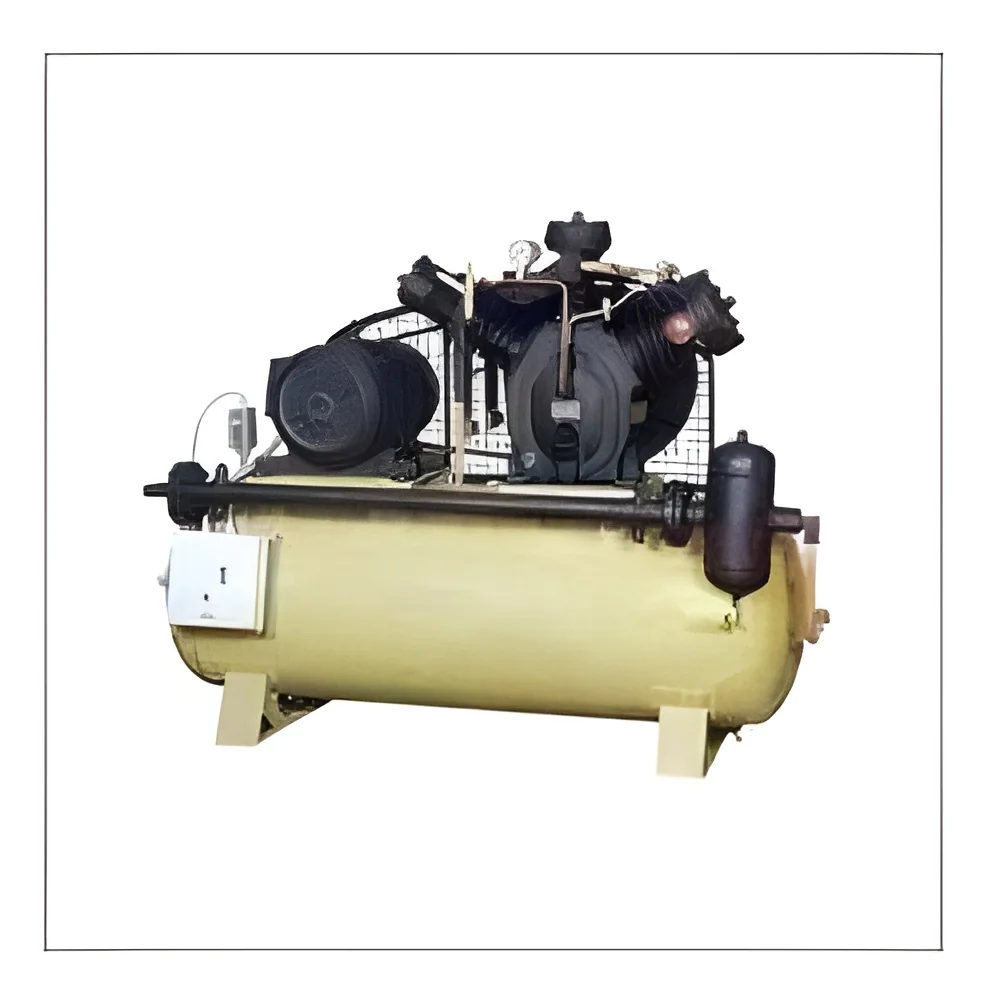
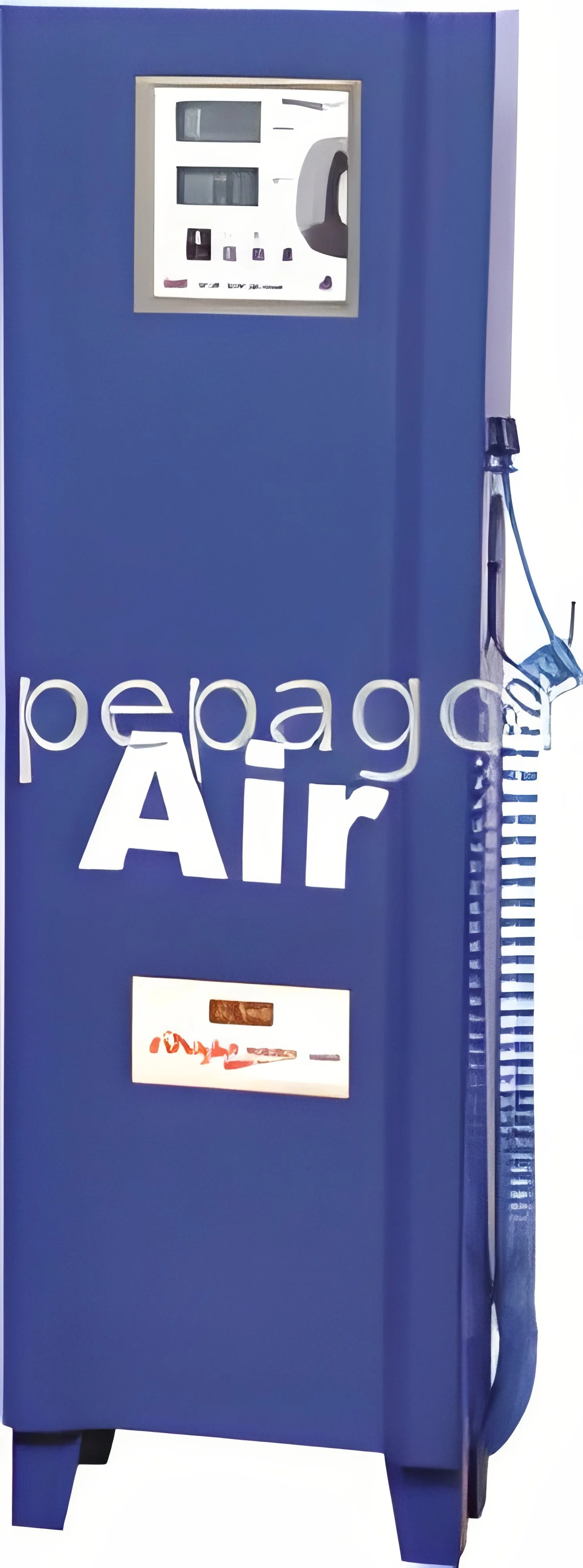
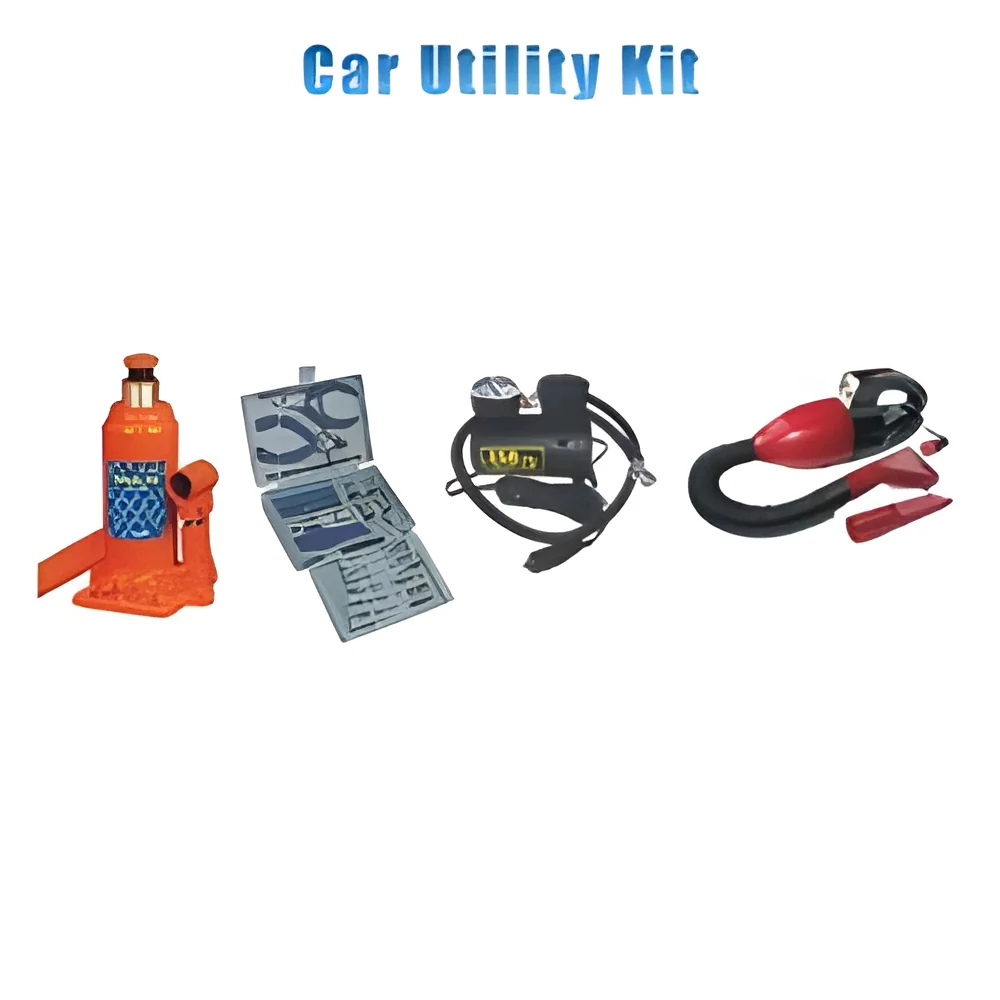
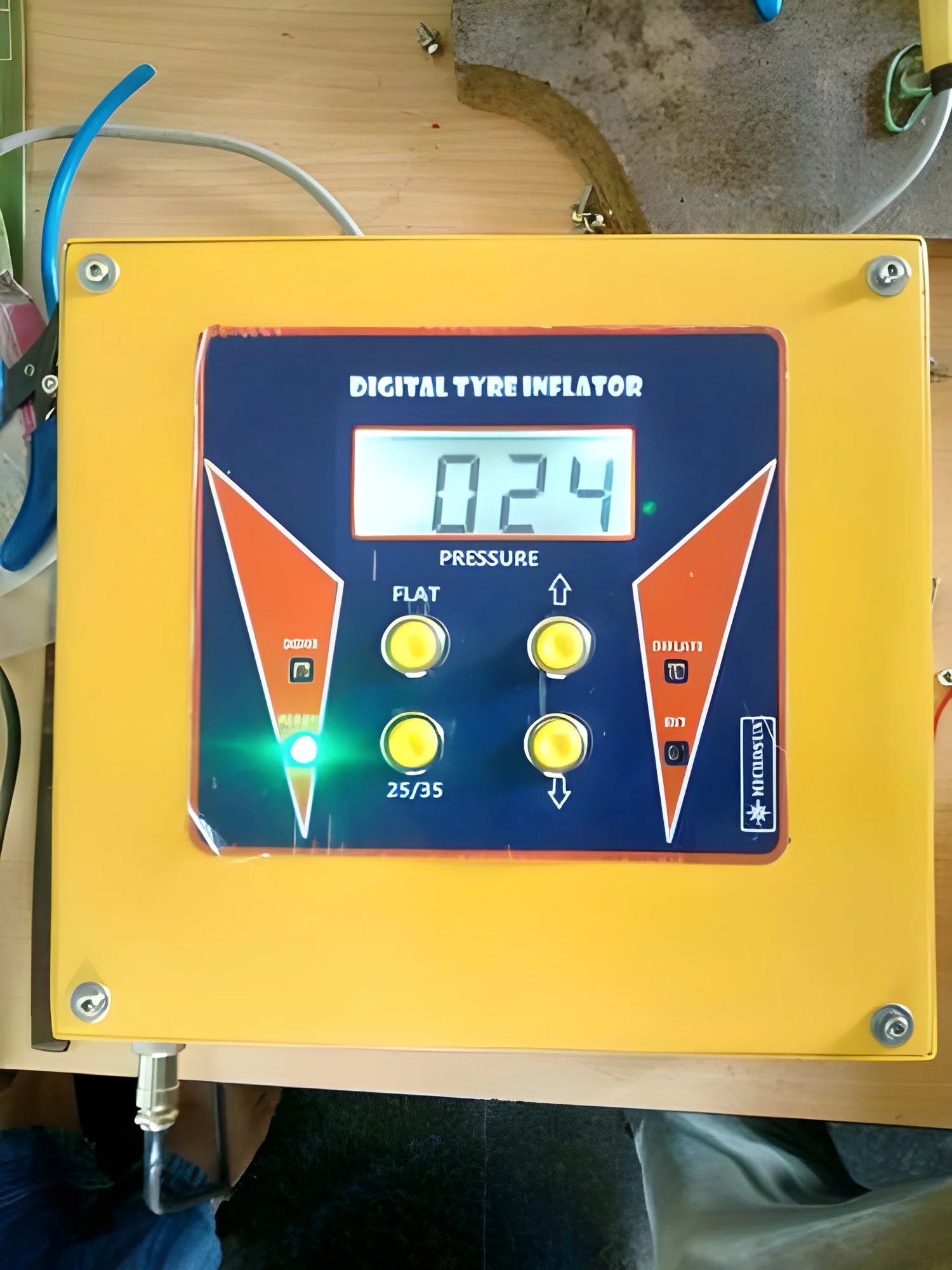
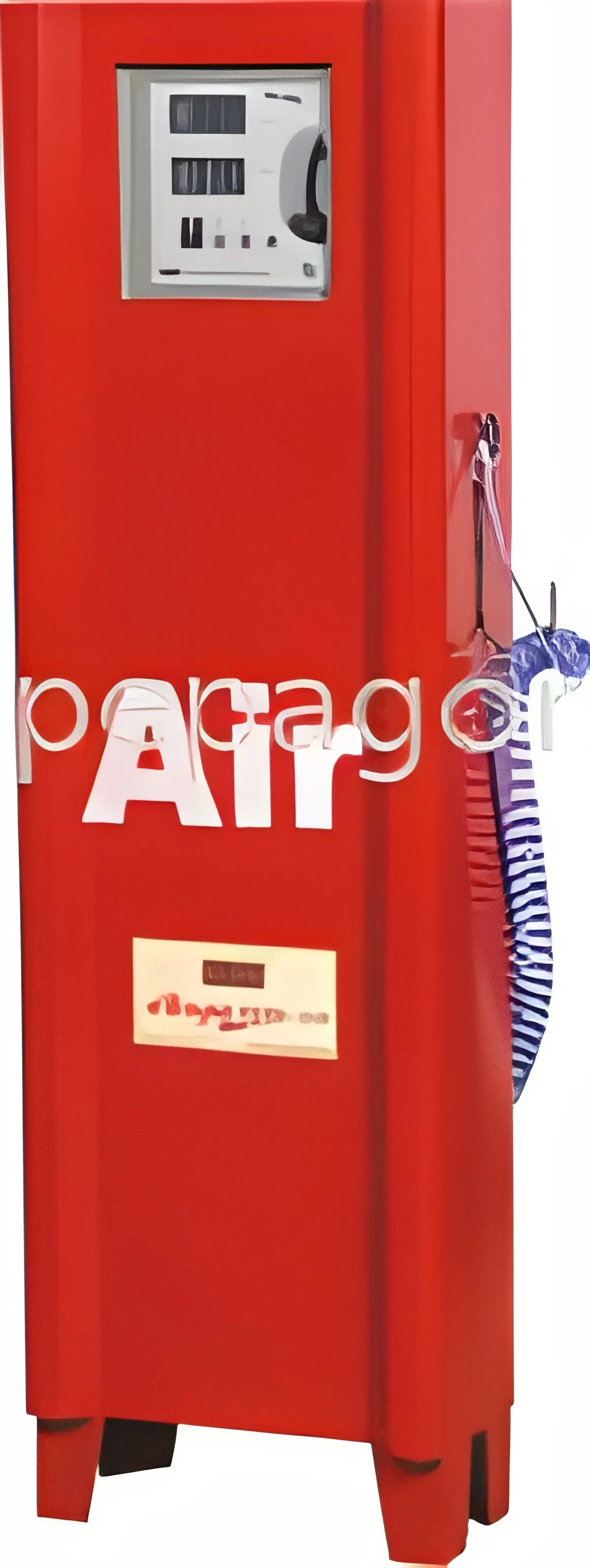
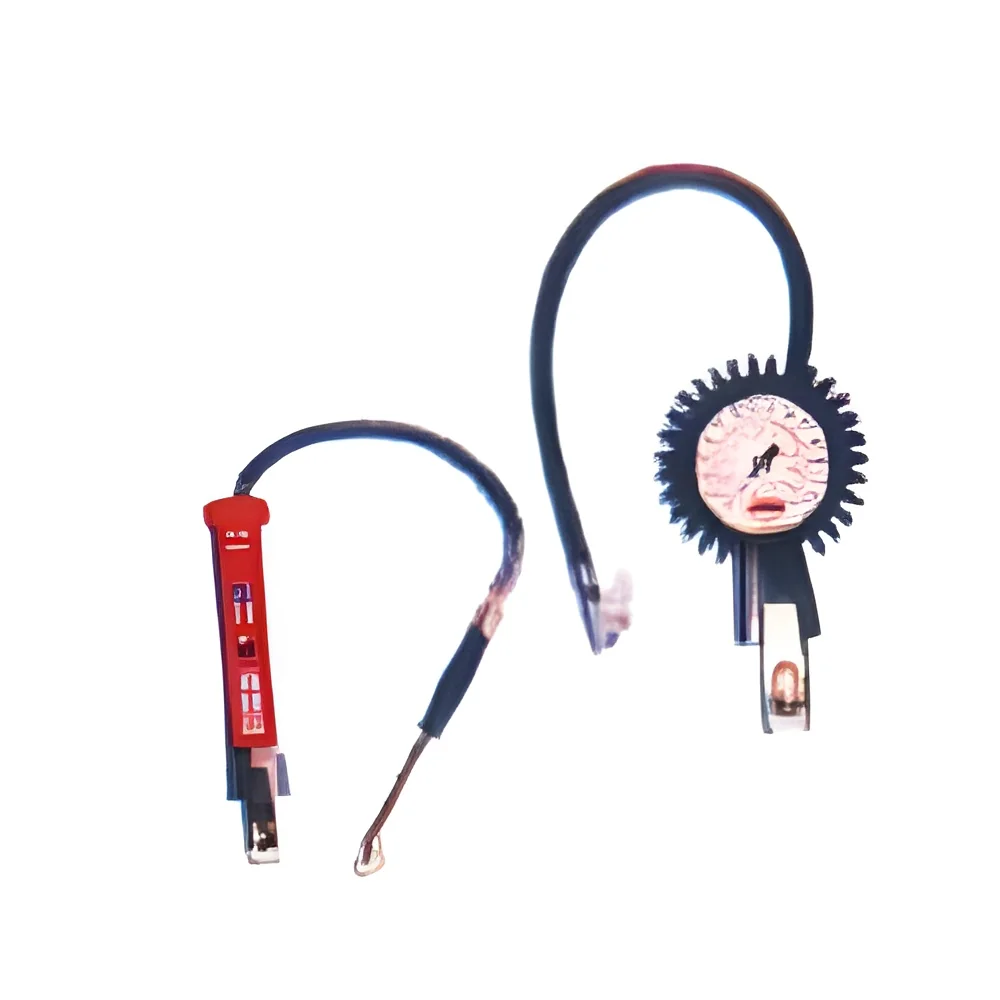
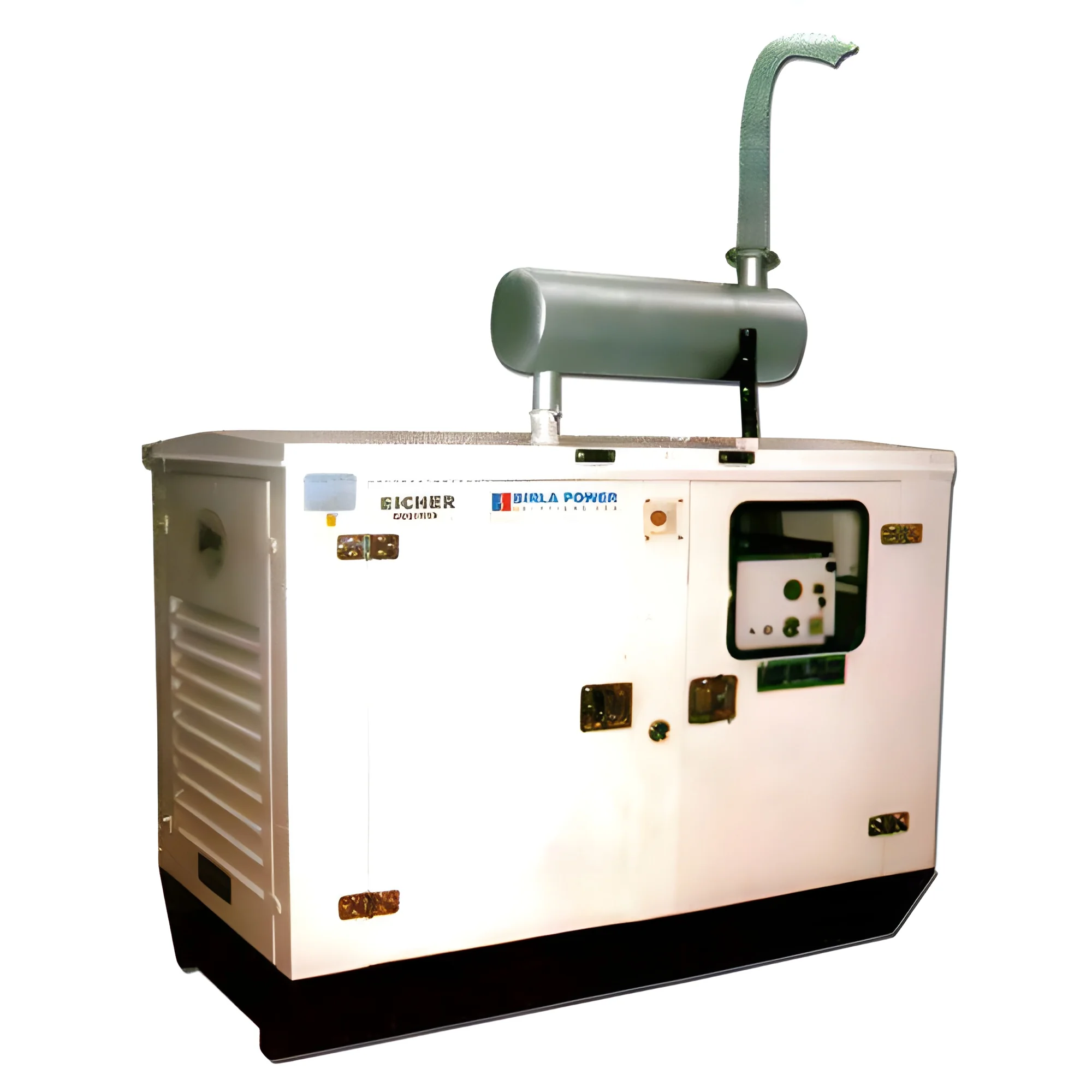
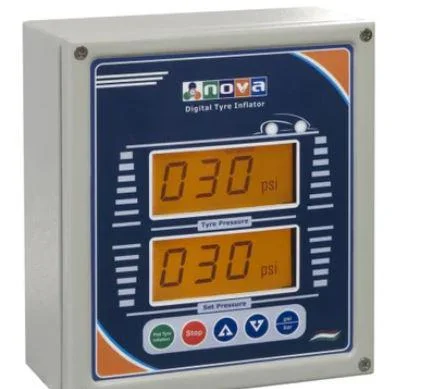
What are Tire Inflators & Air Compressors?
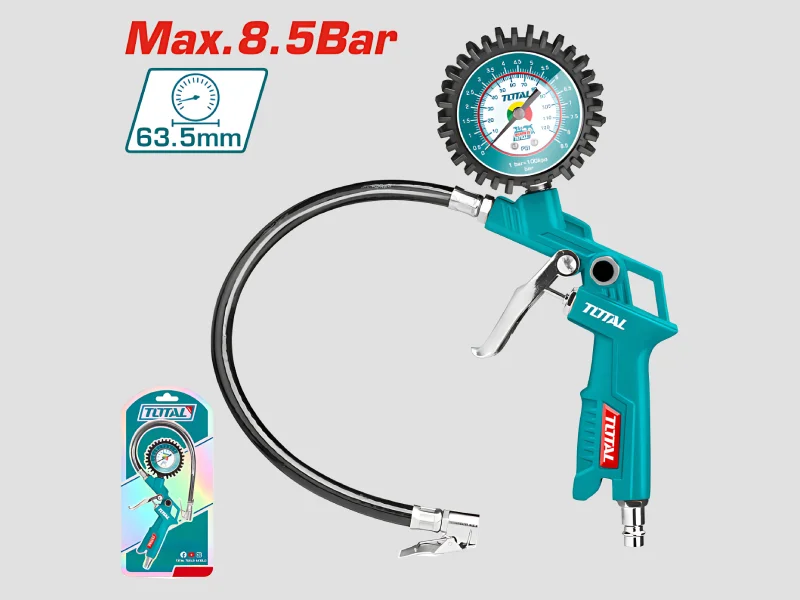
Tire inflators and air compressors are essential tools used to inflate tires and power various pneumatic equipment. A tire inflator is typically a portable device designed for inflating vehicle tires, while an air compressor is a more robust machine that compresses air for various applications. Both products are vital in maintaining optimal tire pressure and ensuring the efficient operation of pneumatic tools.
These devices find their primary use in automotive servicing, manufacturing, construction, and various industrial applications. Tire inflators are commonly used in garages and by roadside assistance services to ensure that vehicles are safe and operational. Air compressors are widely utilized in industries for powering tools, cleaning, and handling materials. With the increasing demand for efficient and reliable equipment in various sectors, tire inflators and air compressors have become indispensable.
In the current market landscape, the relevance of these products continues to grow. The automotive industry emphasizes the importance of regular tire maintenance for safety and efficiency, while industrial applications require reliable air pressure for equipment functionality. As businesses seek to enhance productivity and safety, tire inflators and air compressors present essential solutions that cater to these needs.
Key Features and Specifications
Tire inflators and air compressors come with several key features that cater to diverse needs. Understanding these specifications is crucial for selecting the right product for your applications.
Key specifications include:
1. Power Source
- Tire inflators often operate on AC or DC power.
- Air compressors may use electric, gas, or diesel engines.
2. Pressure Output
- Tire inflators typically range from 30 to 150 PSI.
- Air compressors can provide outputs from 30 to over 200 PSI.
3. Tank Size
- Tire inflators usually do not have tanks.
- Air compressors range from portable models with 1-gallon tanks to industrial units with over 80 gallons.
4. Airflow Rate
- Measured in CFM (Cubic Feet per Minute), this indicates how much air the compressor can deliver.
- Rates can vary from 1 CFM for small units to over 20 CFM for larger models.
5. Noise Level
- Tire inflators generally operate quietly.
- Air compressors can range from 60 to 90 dB, depending on the model.
6. Portability
- Compact tire inflators are designed for ease of transport.
- Air compressors vary in weight; portable models are more lightweight, while stationary ones are heavier.
7. Safety Features
- Many inflators and compressors include automatic shut-off and thermal overload protection.
8. Accessories Included
- Tire inflators often come with a variety of nozzles and hoses.
- Air compressors may include fittings, hoses, and various tool attachments.
In summary, selecting the right tire inflator or air compressor involves understanding these specifications to meet specific operational requirements.
Common Applications and Use Cases
Tire inflators and air compressors serve a wide range of industries, each with specific applications that highlight their utility.
1. Automotive Industry: These devices are crucial for maintaining tire pressure in vehicles. Tire inflators help in roadside emergencies, while air compressors power pneumatic tools for vehicle repairs.
2. Construction: Air compressors are extensively used to operate tools such as nail guns, jackhammers, and spray guns, ensuring efficient project execution.
3. Manufacturing: In manufacturing facilities, air compressors are used for powering machinery, material handling, and cleaning processes, enhancing productivity.
4. Agriculture: Tire inflators are employed to maintain the tire pressure of agricultural vehicles and equipment, ensuring optimal performance in the field.
5. HVAC Services: Air compressors are used in HVAC systems for refrigerant recovery and pressure testing, making them essential for maintenance and installation.
6. Home and DIY: Many homeowners use tire inflators for personal vehicles, while air compressors find use in home workshops for various tasks like painting and woodworking.
7. Medical Equipment: In certain medical applications, air compressors are used for powering devices such as nebulizers and air pumps.
Product Variants and Subcategories
The diversity of tire inflators and air compressors allows businesses to choose the right variant for their specific needs.
Portable Tire Inflators
These compact devices are designed for easy transportation and quick access. They are ideal for emergency situations and can be powered by car batteries or household outlets. Their lightweight nature makes them a popular choice for personal use and roadside assistance.
Industrial Air Compressors
These robust machines are designed for high-demand environments. They often feature larger tanks and higher pressure outputs, making them suitable for continuous operation in manufacturing and construction. Their durability and efficiency make them indispensable in industrial applications.
Electric Air Compressors
These compressors are powered by electricity, making them suitable for indoor use. They are quieter and require less maintenance compared to gas-powered models. Electric air compressors are commonly used in workshops and for light industrial tasks.
Benefits and Advantages
Investing in tire inflators and air compressors offers numerous advantages for businesses and individuals alike.
Key benefits include:
1. Enhanced Safety: Maintaining proper tire pressure reduces the risk of blowouts and accidents, ensuring safer vehicle operation.
2. Increased Efficiency: Air compressors improve the efficiency of pneumatic tools, enabling faster work completion and higher productivity in industrial settings.
3. Portability: Many tire inflators and air compressors are designed for easy transport, providing convenience for users in various environments.
4. Cost-Effective: Proper maintenance and inflation of tires lead to better fuel efficiency and lower operational costs.
5. Versatility: Tire inflators can be used for various other inflatables, while air compressors can power a wide range of tools and applications.
6. Reliability: High-quality inflators and compressors ensure consistent performance, reducing the chances of downtime in operations.
Buying Guide for B2B Buyers
When sourcing tire inflators and air compressors, it is essential to consider several key factors to ensure you make an informed decision.
1. Quality Assessment: Evaluate the construction and durability of the products. Look for reliable brands known for quality and performance.
2. Supplier Verification: Vet suppliers thoroughly by checking their credibility, customer reviews, and industry reputation. This ensures you partner with trustworthy sources.
3. Pricing and MOQ: Compare pricing among different suppliers while considering the minimum order quantity. Ensure that the pricing aligns with your budget and needs.
4. Delivery and Lead Times: Understand the logistics involved in shipping and delivery. Ensure that suppliers can meet your timelines for project needs.
5. Compliance Requirements: Be aware of any regulatory compliance related to safety and operational standards in your region, including CE certification.
Compliance and Certifications
Compliance with industry standards is crucial for tire inflators and air compressors. Products should meet relevant quality standards, such as ISO 9001, which ensures consistent quality management systems.
Industry certifications, particularly CE marking, indicate compliance with European safety and health requirements. This is critical for products sold in Europe and assures buyers of their safety and reliability.
Safety and testing requirements also play a significant role in the quality of these devices. Manufacturers should conduct thorough testing to ensure that products meet safety guidelines and perform reliably under various conditions.
Additionally, regional compliance considerations may vary depending on local regulations. It is essential to be aware of these requirements to ensure that sourced products adhere to necessary standards.
Why Source Tire Inflators & Air Compressors from Pepagora?
Pepagora offers a trusted platform for sourcing tire inflators and air compressors, providing several key advantages for buyers.
Verified Supplier Network: Pepagora connects buyers with a network of verified suppliers, ensuring that you receive products from reputable manufacturers. This helps mitigate risks associated with sourcing.
Streamlined RFQ Process: The request for quotation process is designed to be user-friendly. Buyers can easily submit their requirements and receive competitive quotes from multiple suppliers, simplifying the decision-making process.
Trade Assurance and Support: Pepagora provides trade assurance, giving buyers peace of mind through buyer protection services. This support ensures that your transactions are secure and that you receive quality products.
Regional Coverage: With a strong presence in India, the GCC, and Southeast Asia, Pepagora offers extensive geographic reach. This allows businesses to access a wide range of suppliers and products tailored to regional needs.

 IN
IN